Fine Motor Skills Extra Challenge Kindergarten Letter Recognition Worksheets
7 filtered results
-
From - To
Enhance your child's fine motor skills and letter recognition with our "Fine Motor Skills Extra Challenge Kindergarten Letter Recognition Worksheets." Perfectly designed for kindergartners, these engaging worksheets offer a fun and educational approach to mastering the alphabet. Each worksheet provides opportunities for children to practice writing, tracing, and identifying letters while strengthening their fine motor coordination. Ideal for use at home or in the classroom, these activities are tailored to boost your child's confidence and set a strong foundation for future learning. Set your kindergartener up for success with these comprehensive and creative worksheets!
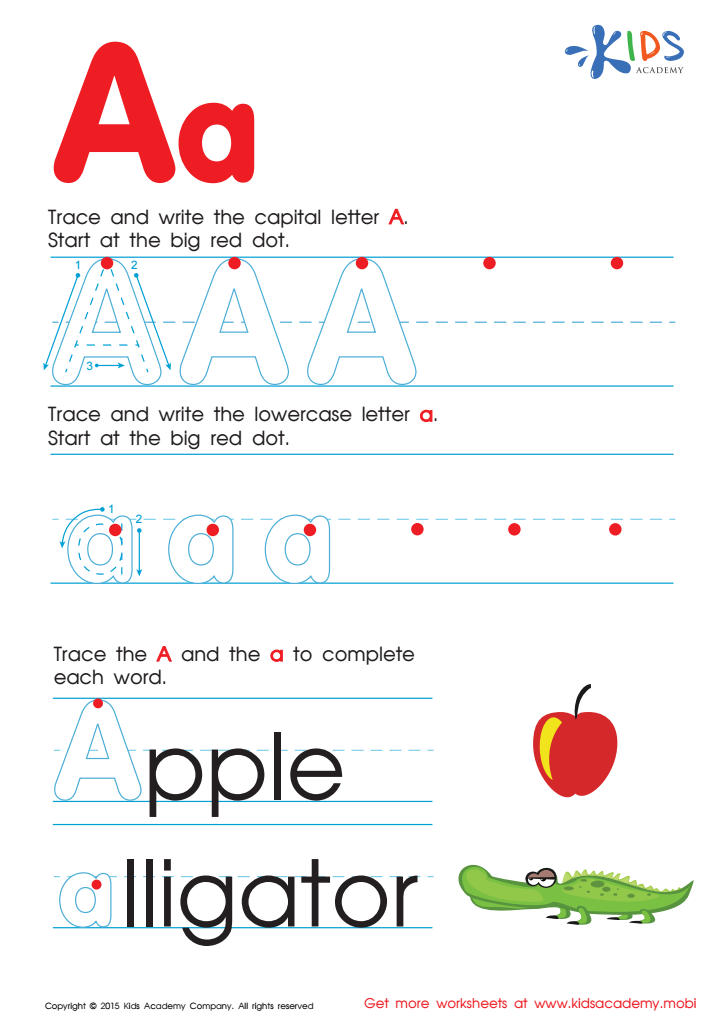
Letter A Tracing Page
 Assign to My Students
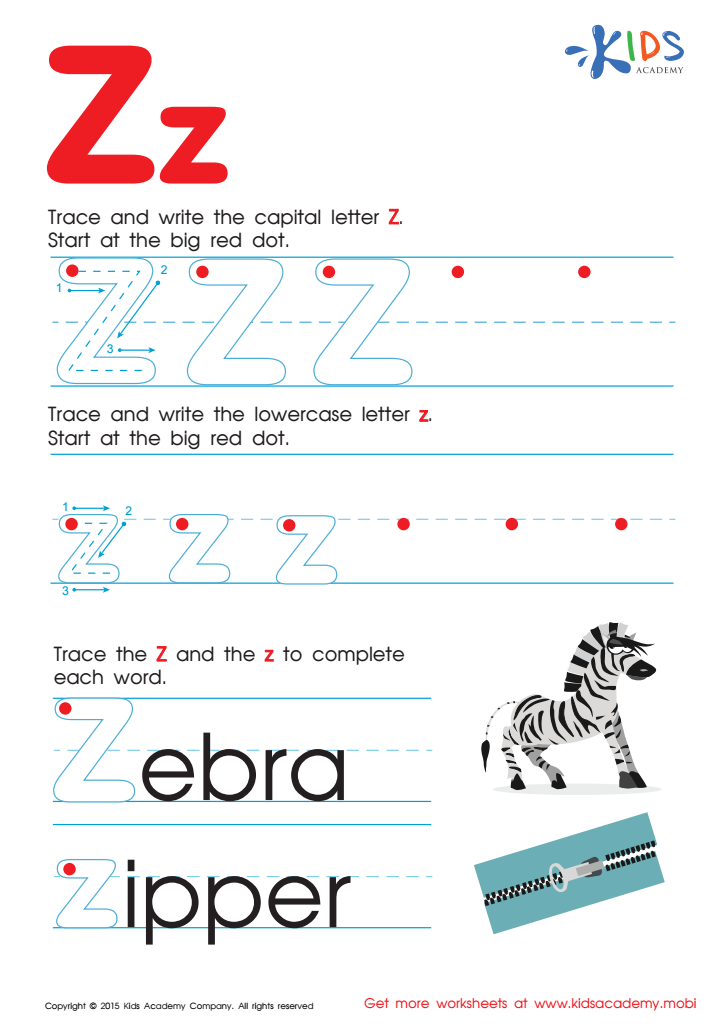
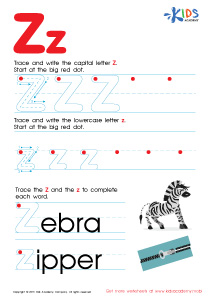
Letter Z Tracing Page
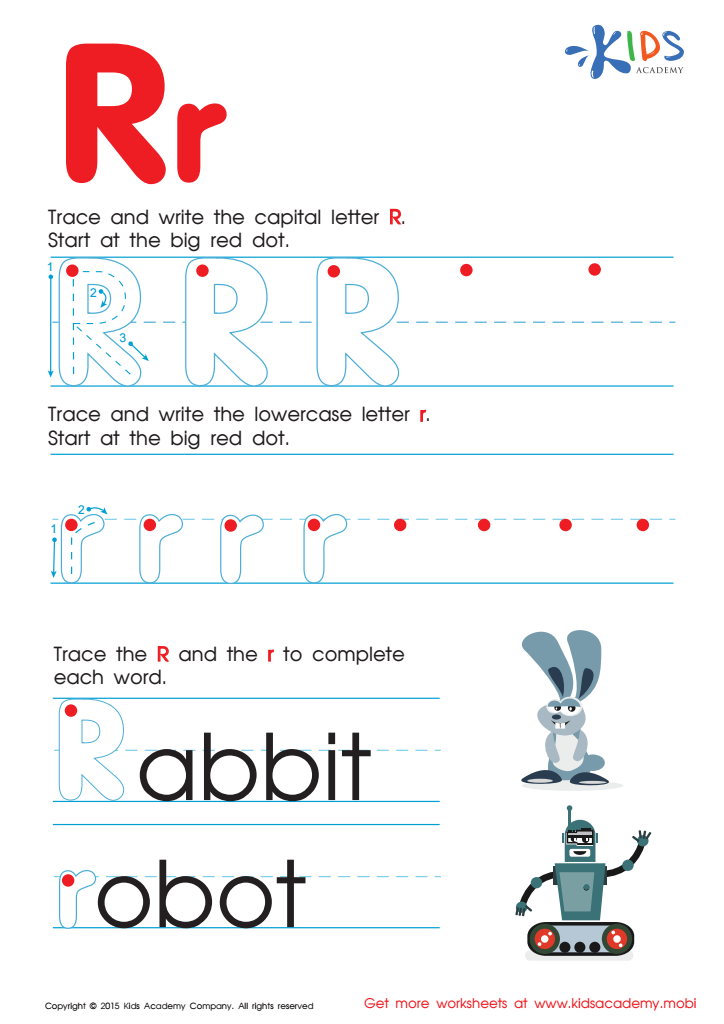
Letter R Tracing Page
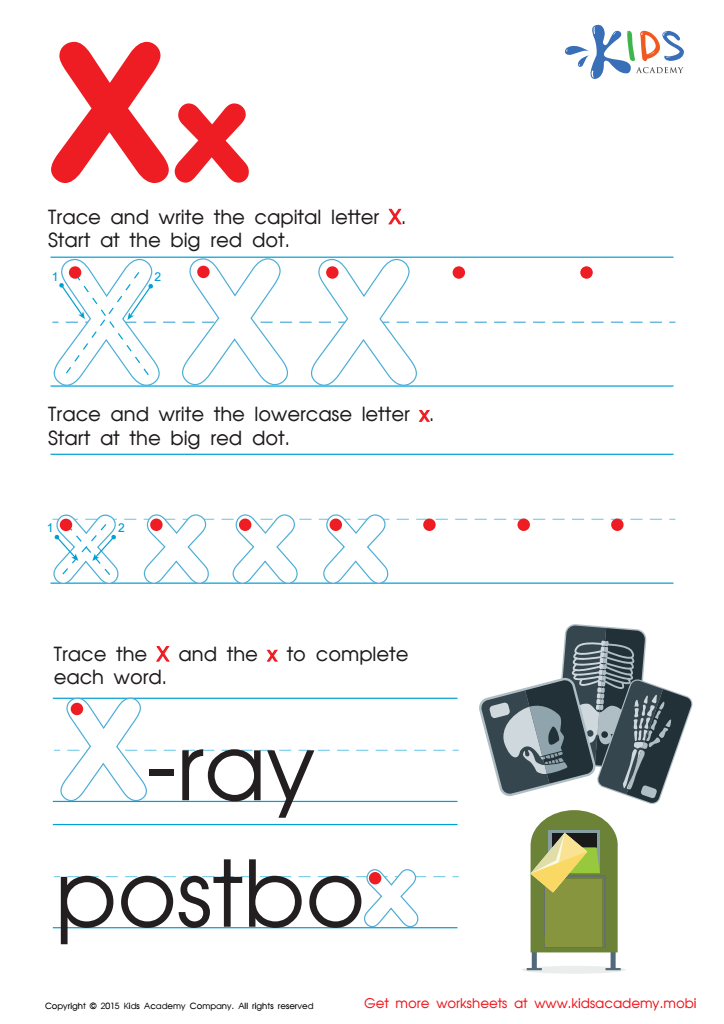
Letter X Tracing Page
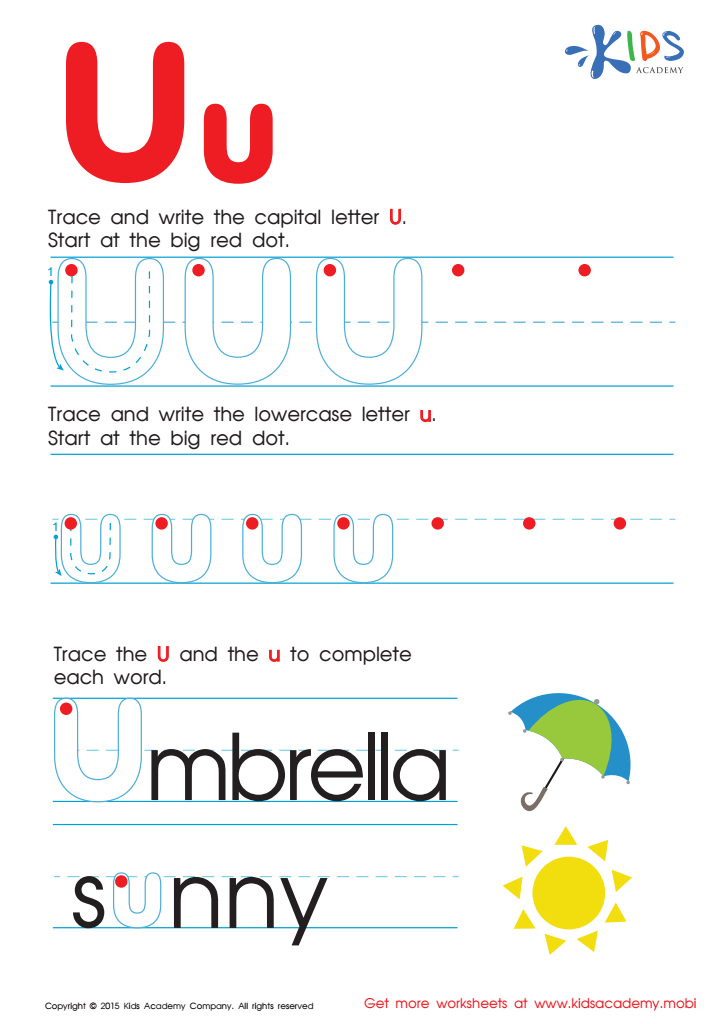
Letter U Tracing Page
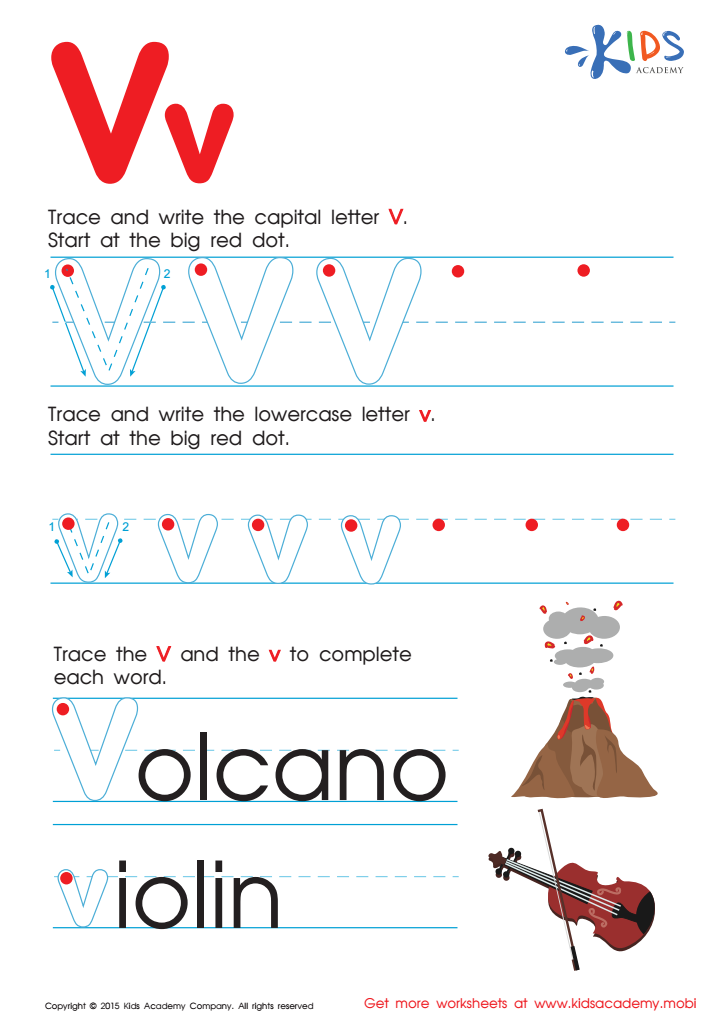
Letter V Tracing Page
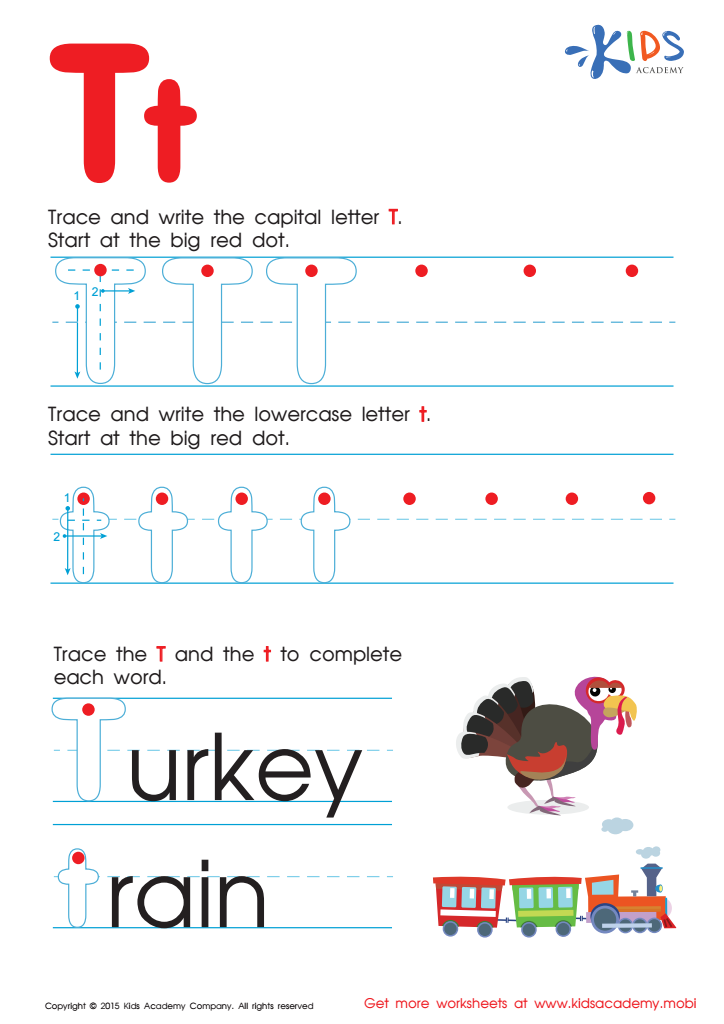
Letter T Tracing Page






Fine motor skills are crucial for young children as they provide the foundation for numerous academic and daily activities. When parents or teachers focus on fine motor skills development, they're enhancing the child’s ability to perform tasks that involve precision and coordination of small muscle movements, such as writing and manipulating small objects.
Specifically, understanding and improving fine motor skills through activities like kindergarten letter recognition sets the stage for academic success. Recognizing letters involves both cognitive processing and the physical ability to trace or write them. Through extra fine motor skills challenges, children develop better hand-eye coordination, dexterity, and control, which are vital for legible handwriting and efficient typing. Improved motor control is also linked to self-esteem, as children who master these skills tend to feel more competent and confident academically and socially.
Additionally, developing fine motor skills can influence a child's ability to undertake everyday tasks such as tying shoelaces, buttoning clothes, and using utensils, fostering greater independence. Imbedding these skills early creates a strong link between physical development and learning, ensuring a smoother transition to more complex educational activities, and laying a robust groundwork for tomorrow's learning experiences. Parents and teachers play a pivotal role in this aspect and should prioritize activities that address and challenge these fundamental skills.