Alphabet Recognition Extra Challenge Kindergarten English for Beginners Worksheets
3 filtered results
-
From - To
Introducing our "Alphabet Recognition Extra Challenge Kindergarten English for Beginners Worksheets"! Designed for young learners, these engaging worksheets enhance alphabet recognition skills through fun and interactive activities. Perfect for ESL students, each worksheet focuses on identifying letters, their sounds, and their formations. Children will participate in various exercises, including matching, tracing, and identifying letters in words, boosting both their confidence and literacy foundation. With colorful illustrations and clear instructions, these worksheets captivate students' attention while promoting essential early language skills. Empower your little learners to master the alphabet with this comprehensive resource, setting them on the path to reading success!
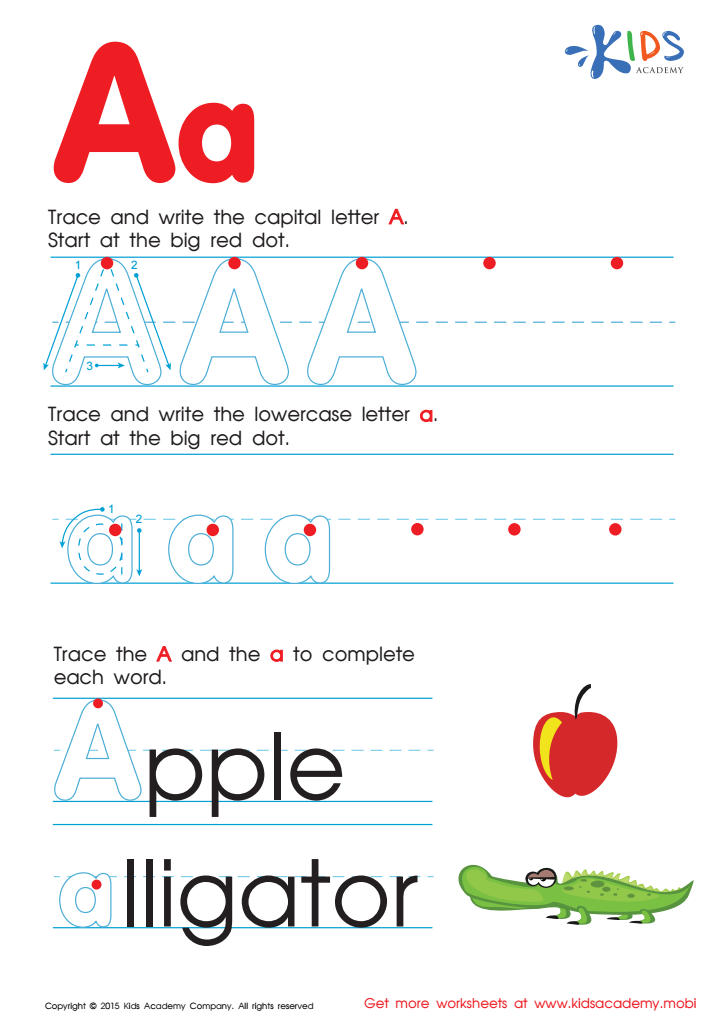
Letter A Tracing Page
 Assign to My Students
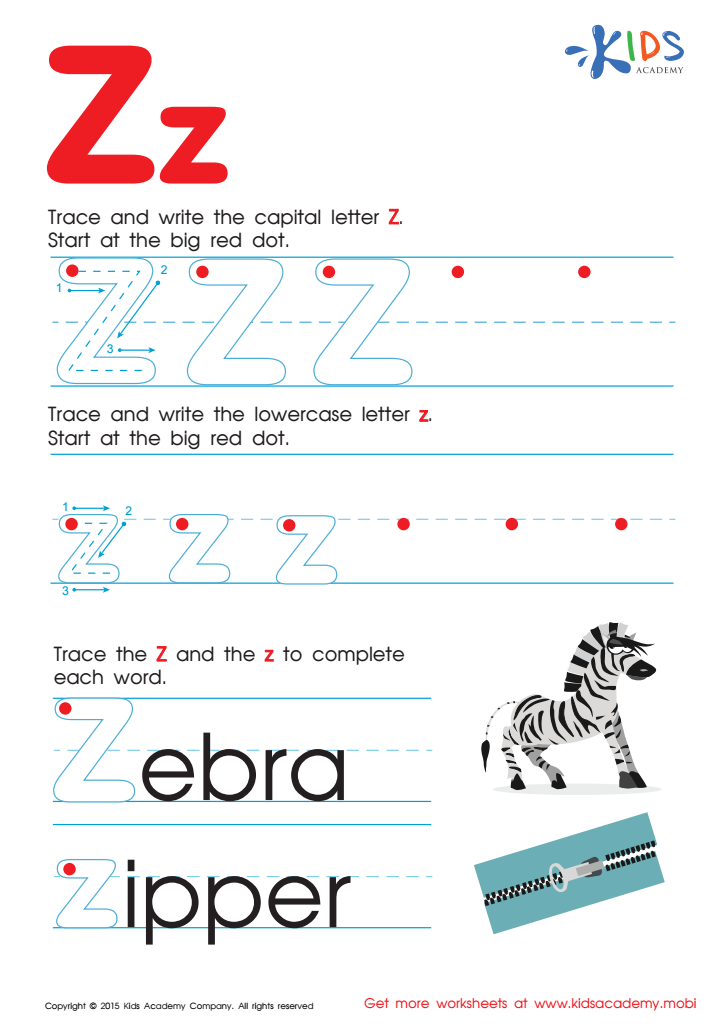
Letter Z Tracing Page
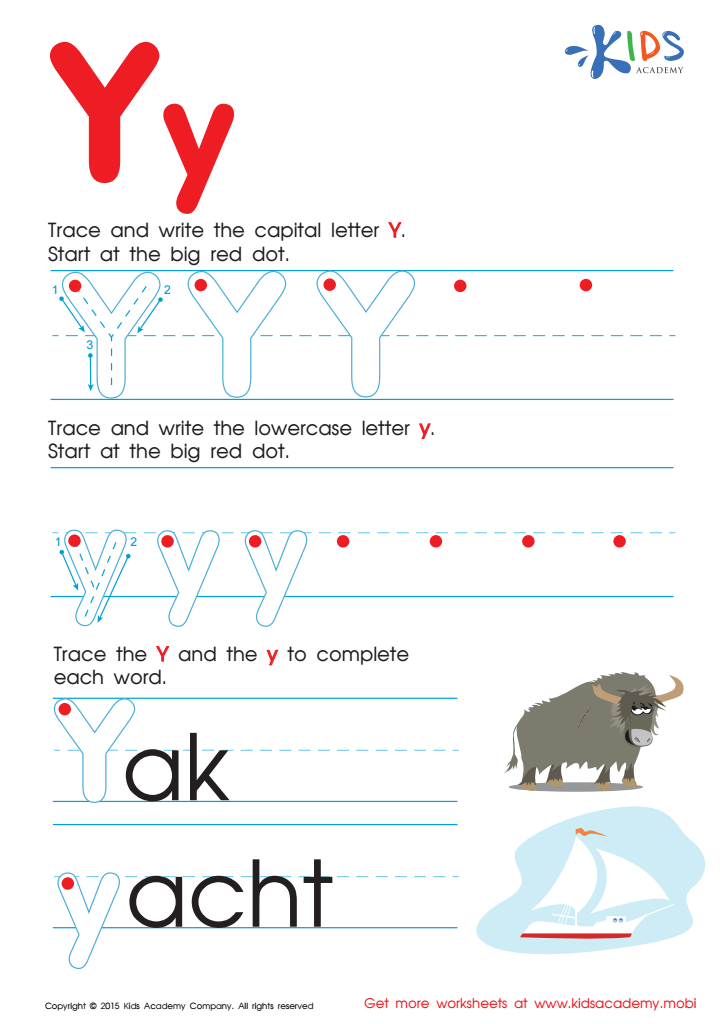
Letter Y Tracing Page



Alphabet recognition is a fundamental building block in early literacy development, making it crucial for parents and teachers to prioritize initiatives like "Alphabet Recognition Extra Challenge Kindergarten English for Beginners." Mastering the alphabet is essential as it lays the foundation for reading and writing skills. Familiarity with letters enables children to decode words, paving the way for reading fluency and comprehension as they progress in their education.
Moreover, early mastery of the alphabet can significantly boost children's confidence, fostering a positive attitude towards learning. When children recognize letters and their corresponding sounds, they become more engaged in classroom activities, resulting in an enriching educational experience. Programs focusing on alphabet recognition can also cater to diverse learning styles, addressing varying proficiency levels and ensuring that all children receive the support they need.
Additionally, parents and teachers play a vital role in reinforcing these skills through fun, interactive activities at home and in the classroom. Encouraging collaboration between home and school can amplify a child's growth in literacy. Emphasizing alphabet recognition in kindergarten equips children with essential skills, ultimately contributing to their long-term academic success and a lifelong love for reading and learning.