Matching numbers Extra Challenge Kindergarten Math Worksheets
5 filtered results
-
From - To
Dive into our "Matching Numbers Extra Challenge Kindergarten Math Worksheets" designed to enhance your child's numerical skills in a fun and engaging way! These worksheets provide extra challenges that encourage young learners to match numbers with corresponding pictures and quantities, reinforcing their counting abilities and number recognition. Ideal for reinforcing classroom learning or as supplemental practice at home, our worksheets cater to various skill levels, ensuring that every child can grow at their own pace. Perfect for teachers and parents alike, these resources make mastering numbers enjoyable! Explore the exciting world of math with our creative and interactive worksheets today!
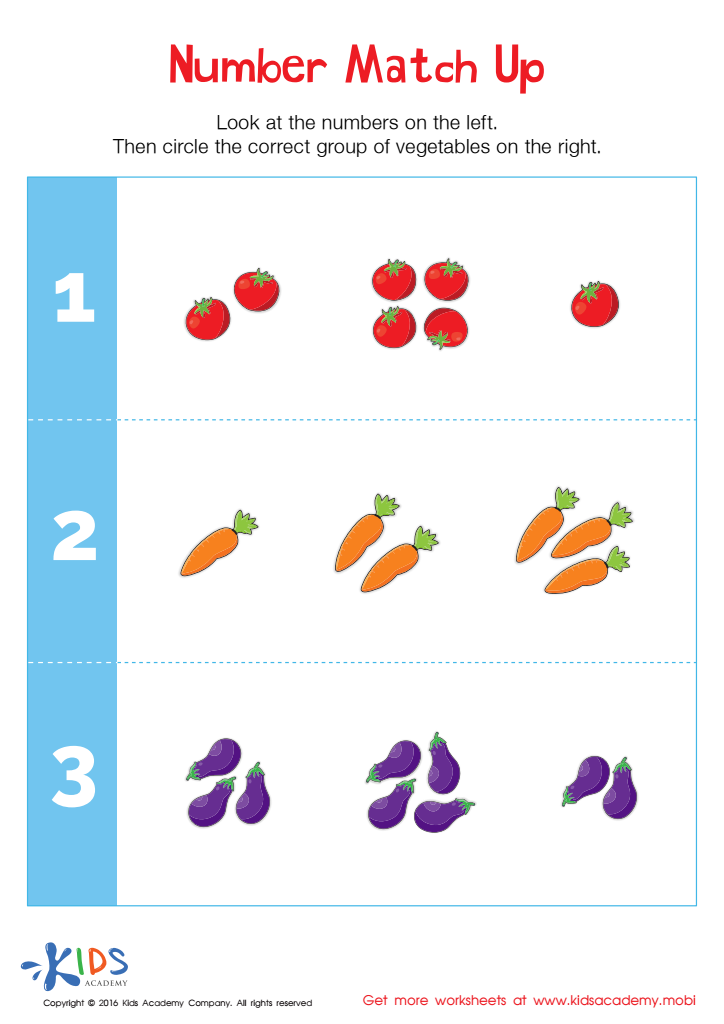
Number Match Up Worksheet
 Assign to My Students
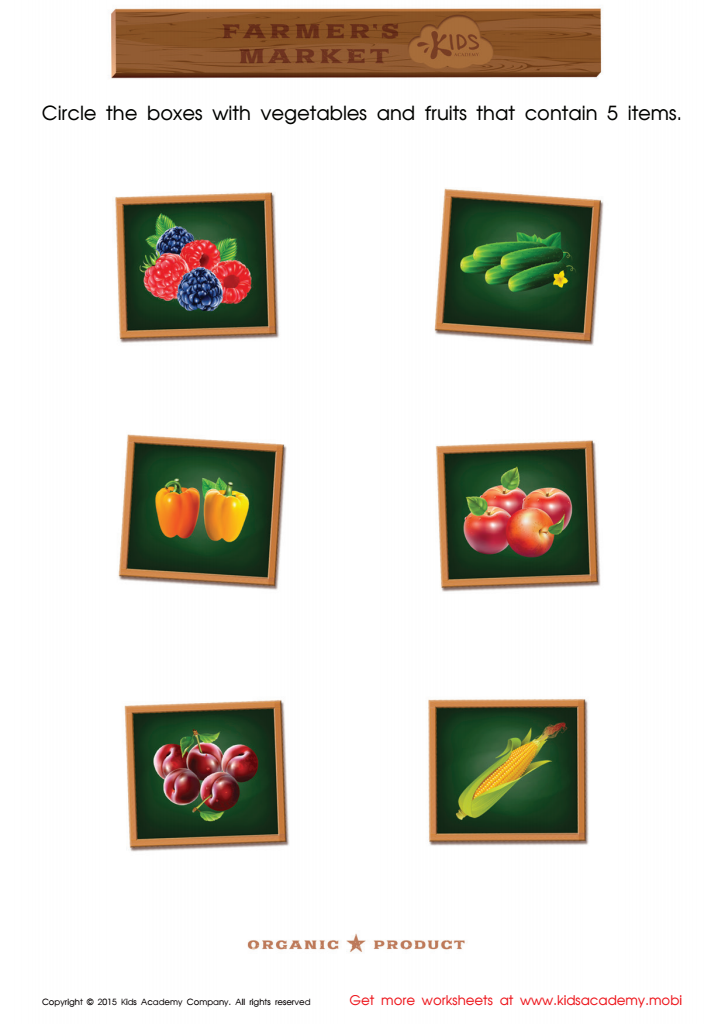
Count and Match Vegetables 1 – 7 Math Worksheet
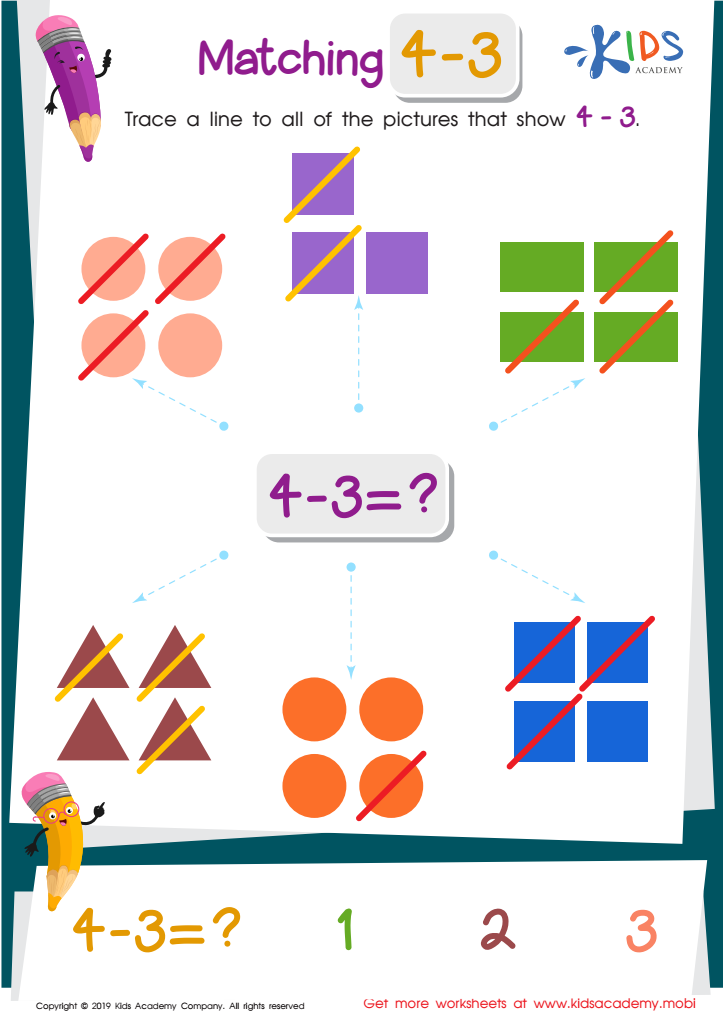
Matching 4 – 3 Worksheet
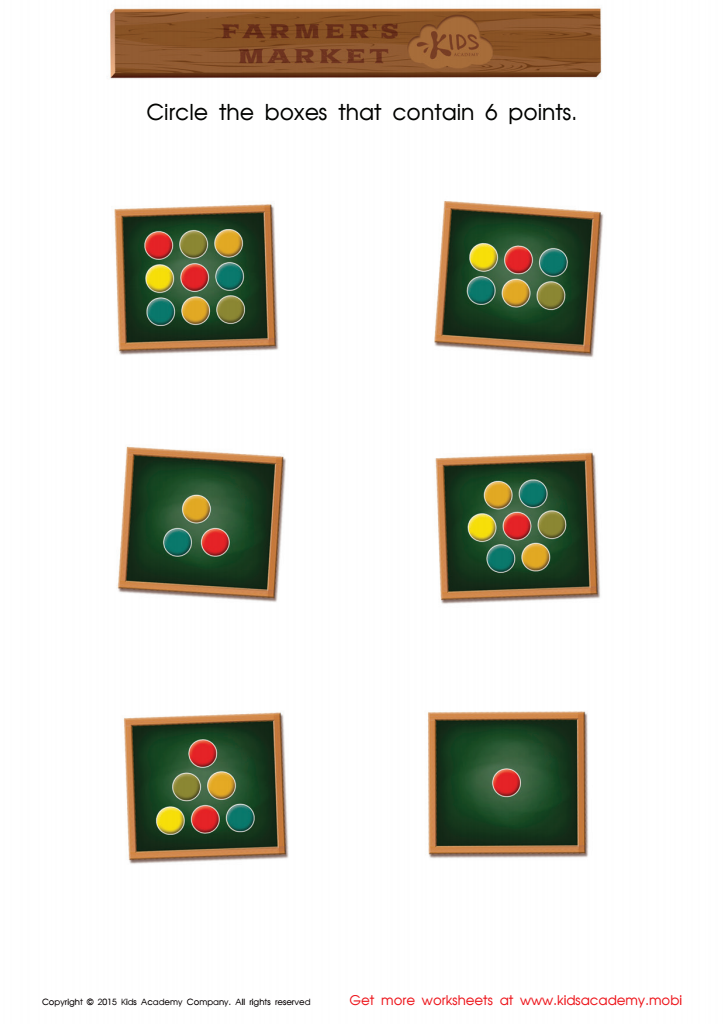
Count and Match Points 6 Math Worksheet
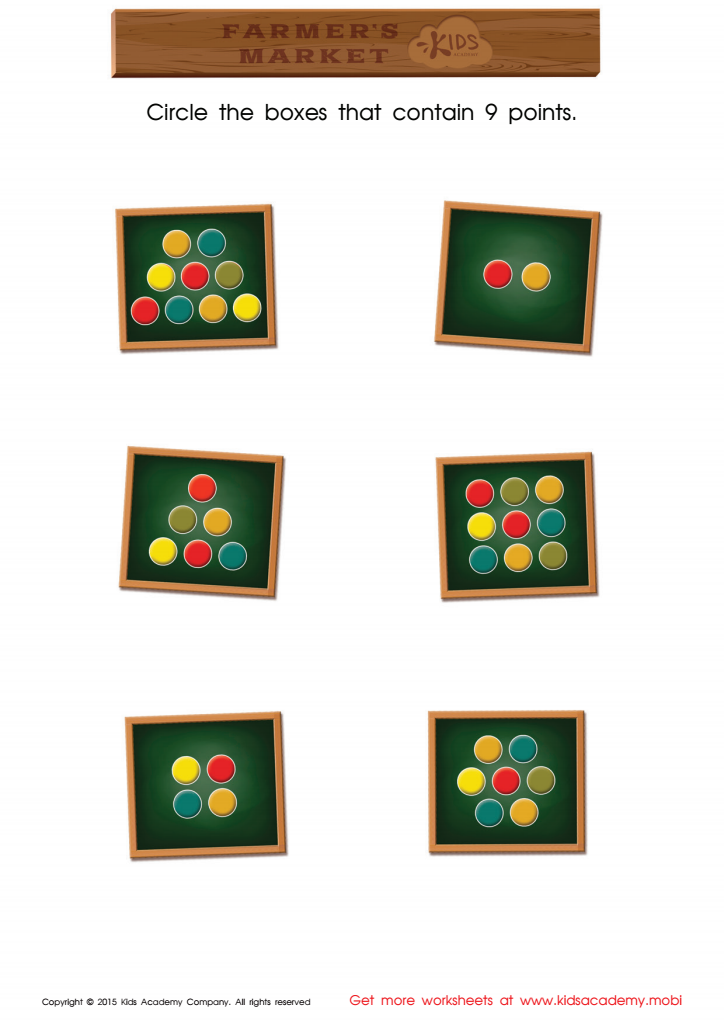
Count and Match Points 9 Math Worksheet


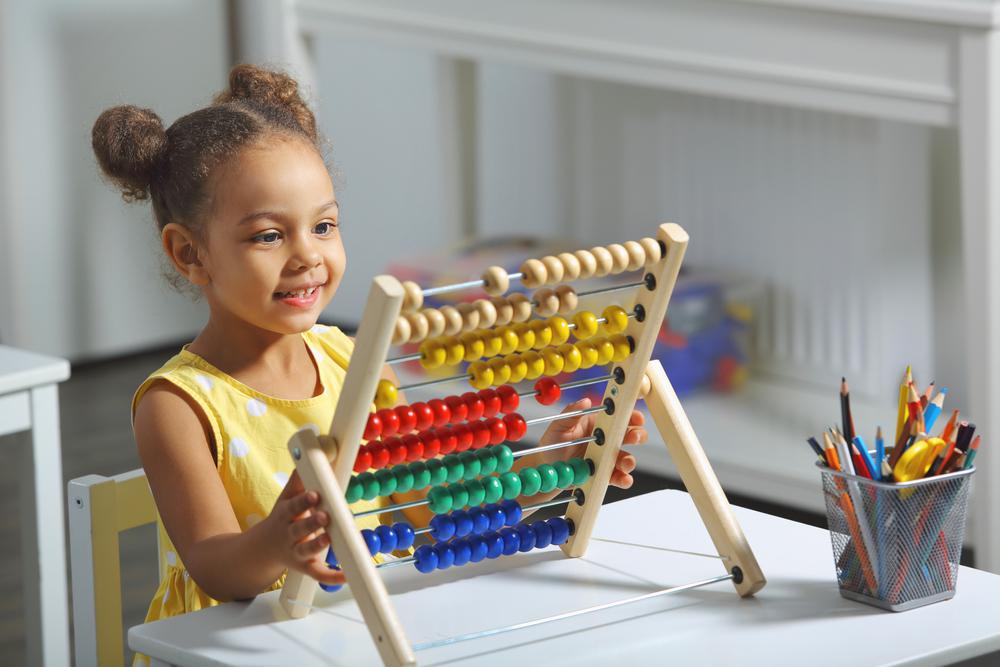




Matching numbers Extra Challenge in kindergarten math is vital for shaping foundational numeracy skills. This activity involves recognizing, identifying, and matching numbers in various formats, fostering not only cognitive development but also enhancing children's problem-solving abilities.
Understanding numbers is crucial for young learners as it sets the stage for future mathematical concepts. Engaging in matching exercises helps children develop strong number sense, which is essential for grasping relationships between quantities and the basics of addition and subtraction.
Moreover, these activities promote visual recognition and increase familiarity with numerals, thereby building confidence in their mathematical abilities. When parents and teachers support these challenges, they are encouraging critical thinking and enhancing fine motor skills as children manipulate cards or objects while matching numbers.
Additionally, working on number matching provides an exciting way to reinforce learning through play, making math less intimidating and more enjoyable for young learners. This is particularly important in fostering a positive attitude towards math, ensuring that children view it as an engaging and valuable pursuit. Ultimately, participating in these challenges empowers children to become independent learners, laying the groundwork for their future educational success. Sharing this experience can create meaningful connections between home and school, fostering a love for mathematics.