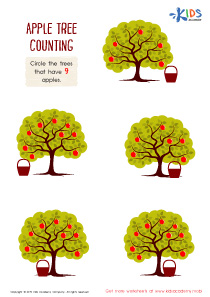
Comparing lengths Extra Challenge Kindergarten Measurement Worksheets
3 filtered results
-
From - To
Introducing our "Comparing Lengths Extra Challenge Kindergarten Measurement Worksheets," designed to make learning about measurements fun and engaging for young learners. These worksheets are perfect for challenging kindergarten students by helping them understand and compare different lengths with colorful, easy-to-follow activities. As part of our comprehensive math curriculum, these worksheets foster critical thinking and analytical skills, preparing children for more advanced mathematical concepts. With a focus on interactive and hands-on learning, your little ones will excel in grasping measurement basics while having a great time. Get started today and watch your child's confidence in math grow!
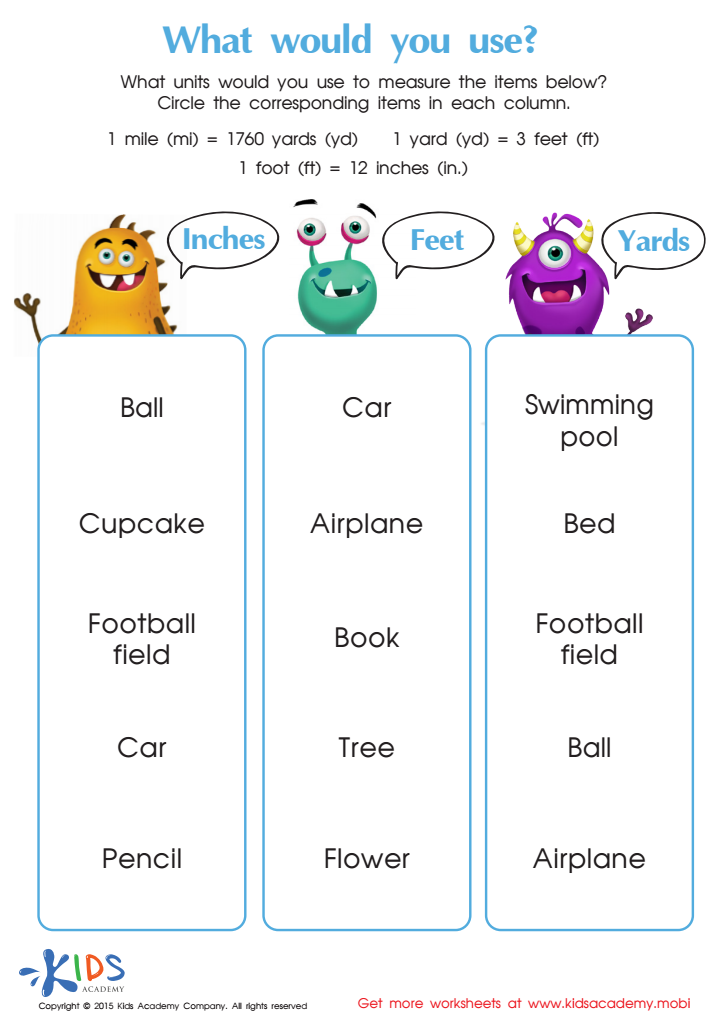
Learning about measuring objects in inches, feet and yards Worksheet
 Assign to My Students
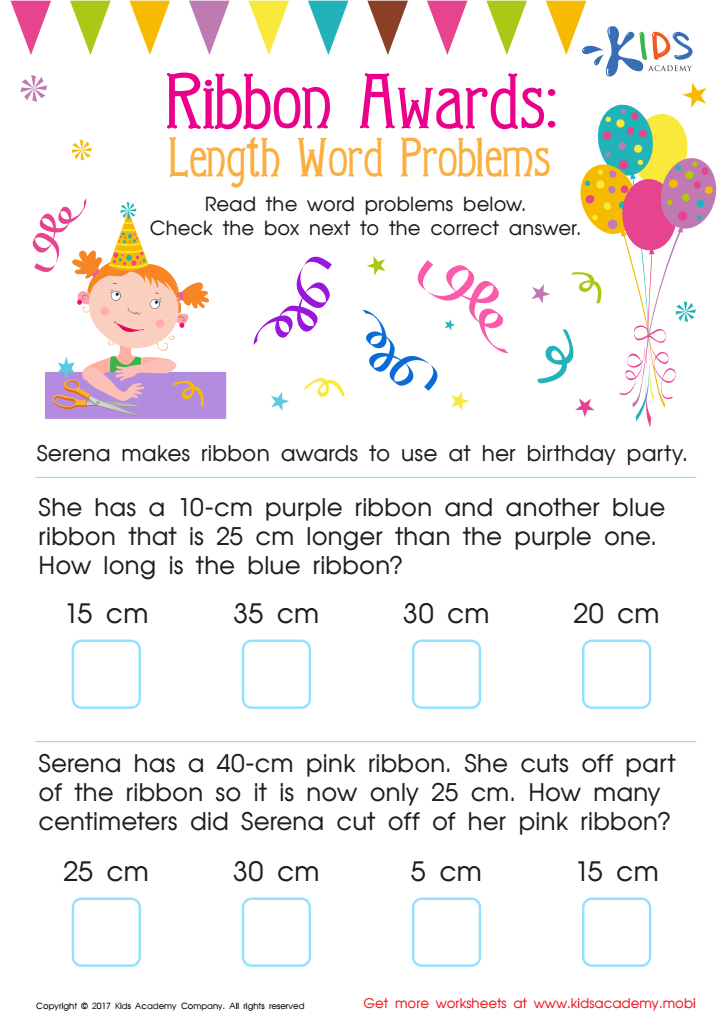
Length Word Problems Worksheet
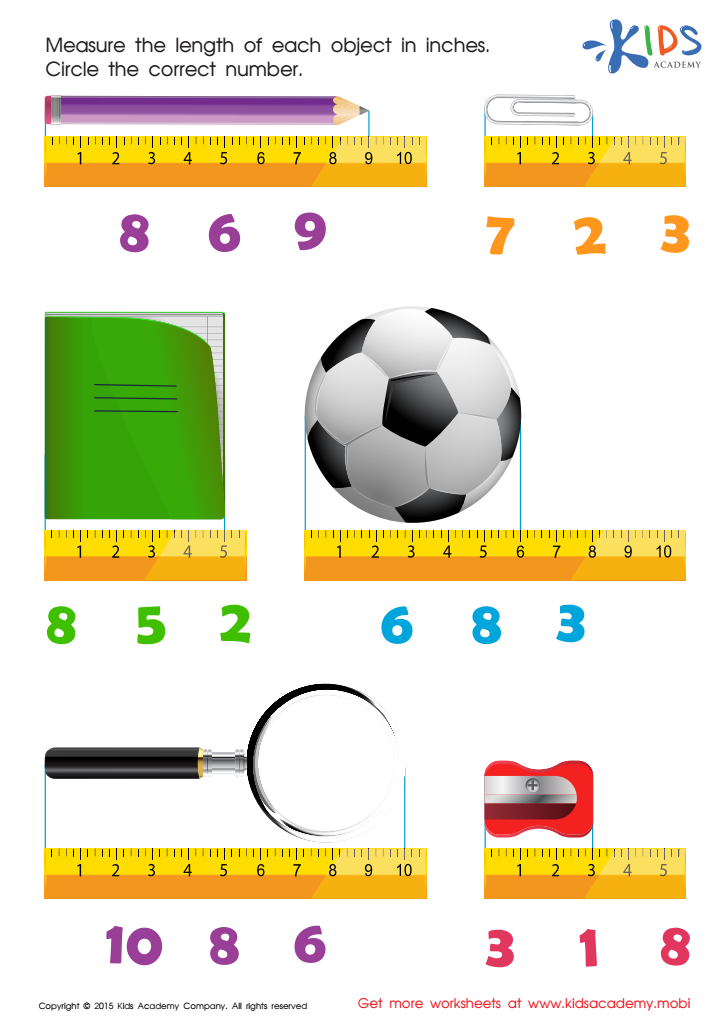
Learning measuring objects in inches Worksheet







Engaging kindergarten students in comparing lengths is profoundly beneficial and fosters foundational math skills crucial for their future academic success. Parents and teachers implementing "Comparing lengths" activities are offering an invaluable extra challenge that nurtures a child's cognitive development.
Firstly, these activities cultivate critical thinking and problem-solving abilities. When children compare the lengths of objects, they must observe, analyze, and draw conclusions, skills that are transferable across many academic subjects. Additionally, comparing lengths helps children comprehend measurement concepts, such as longer, shorter, and equal, giving them a practical understanding of the physical world and spatial awareness.
Secondly, hands-on learning with real objects during length comparison encourages engagement and fine motor skill development. Manipulating items helps them better retain concepts since multisensory experiences are usually more impactful than rote learning.
Finally, connecting early exposure to measurement with everyday contexts, like comparing their heights or the length of their toys, makes learning relatable and enjoyable. This practical application promotes curiosity and a genuine interest in mathematics.
Ultimately, nurturing these abilities during early childhood sets a solid groundwork for more complex math endeavors in the future, fostering a positive and confident mindset towards learning.