Observational skills Extra Challenge Worksheets
3 filtered results
-
From - To
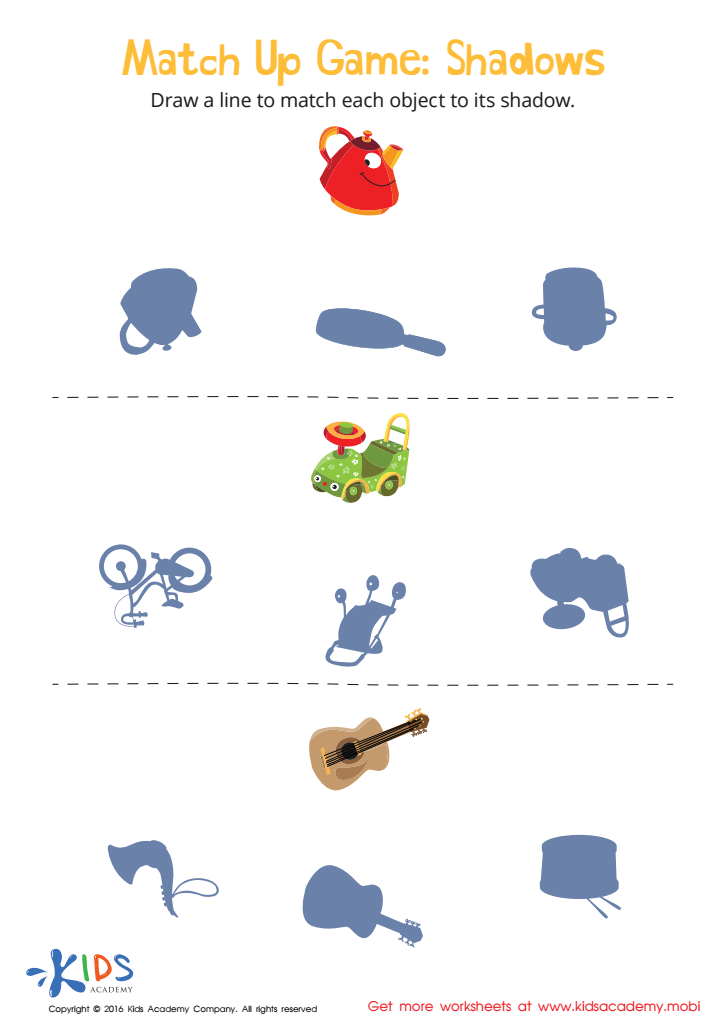
Enhance your child's learning experience with our "Observational Skills Extra Challenge Worksheets." Tailored for advanced learners, these engaging printable worksheets foster critical thinking and keen observation. Designed to challenge students, they encourage exploration and attention to detail through fun activities, such as spotting differences, analyzing intricate patterns, and completing visual puzzles. Our worksheets are perfect for sharpening cognitive skills in a playful way, making them ideal for classroom use or at-home learning. Help your child develop essential observational skills that will benefit their academic journey and everyday life. Download our worksheets today and witness their growth in a fun, interactive manner!
 Assign to My Students
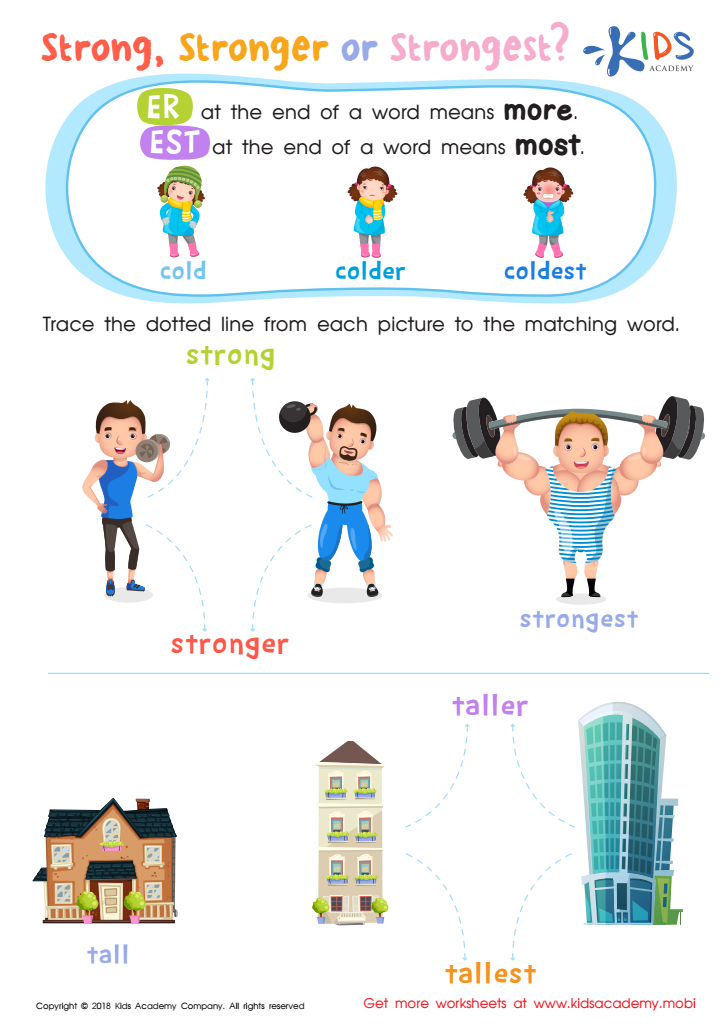
Strong or Stronger? Worksheet
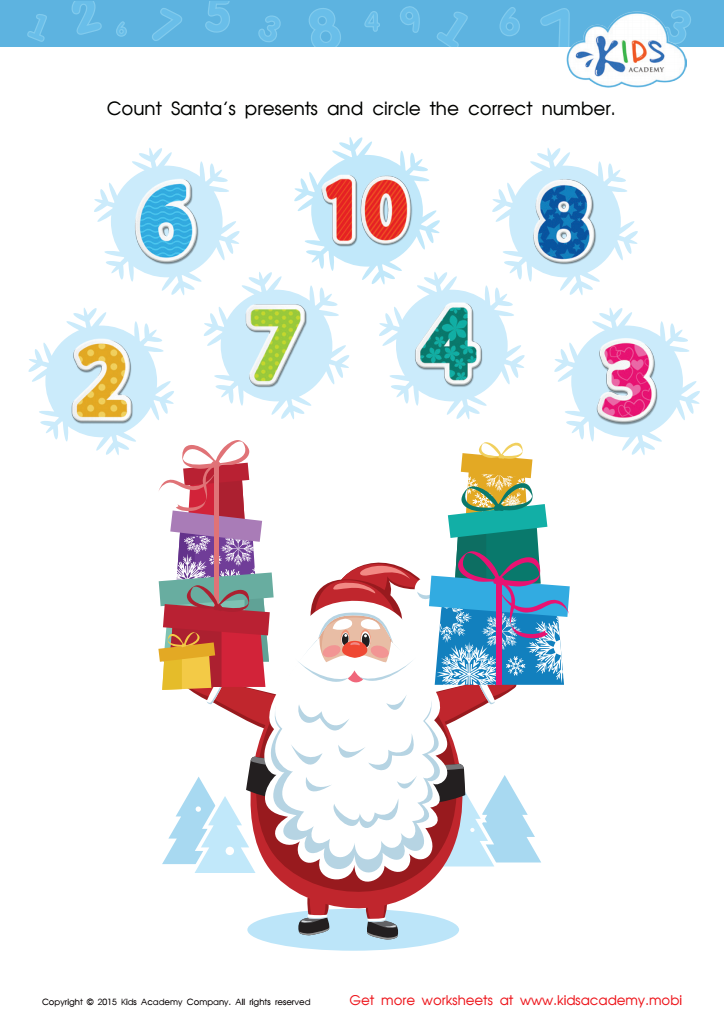
Count Santa's Presents Worksheet





.jpg)
Observational skills are crucial for both parents and teachers because they serve as the foundation for understanding and supporting children’s development. First, strong observational skills enable adults to identify a child's strengths, weaknesses, interests, and social interactions. This knowledge is essential for tailoring learning experiences that cater to individual needs, helping every child thrive academically and emotionally.
Moreover, keen observation can reveal early signs of potential developmental issues, enabling timely intervention. By recognizing subtle cues in behavior, speech, or social interactions, adults can provide the necessary support or seek professional help when needed, thereby fostering healthier growth.
Additionally, observational skills can enhance communication between parents, teachers, and children. When adults are attuned to a child's non-verbal signals and emotional states, they can better engage in meaningful conversations, building stronger relationships based on trust and understanding.
Finally, encouraging children to develop their own observational skills is equally important. Helping children learn to observe their environment empowers them, promotes critical thinking, and enhances their learning experiences. In summary, honing observational skills allows parents and teachers to connect with children more effectively, ultimately leading to enriched educational experiences and holistic development.








