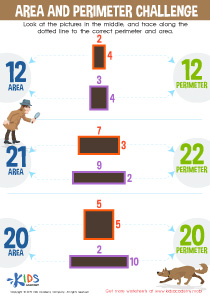
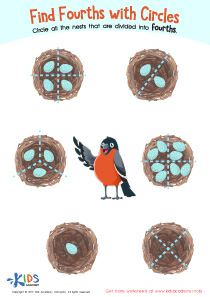
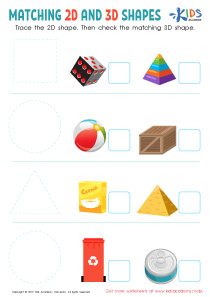
Fine Motor Skills Extra Challenge 2D Shapes Worksheets
3 filtered results
Difficulty Level
Grade
Age
-
From - To
Subject
Activity
Standards
Boost your child's development with our "Fine Motor Skills Extra Challenge 2D Shapes Worksheets." These expertly crafted printables are designed to help young learners enhance their fine motor skills while exploring the world of 2D shapes. Each worksheet presents fun, engaging activities that encourage precise hand movements, fostering coordination and control. Perfect for early grade students, these challenges promote both cognitive and physical growth, making learning enjoyable and effective. Whether in the classroom or at home, these worksheets provide an excellent resource for parents and teachers aiming to advance their child's foundational skills confidently. Download now and watch your child thrive!
Favorites
With answer key
Interactive
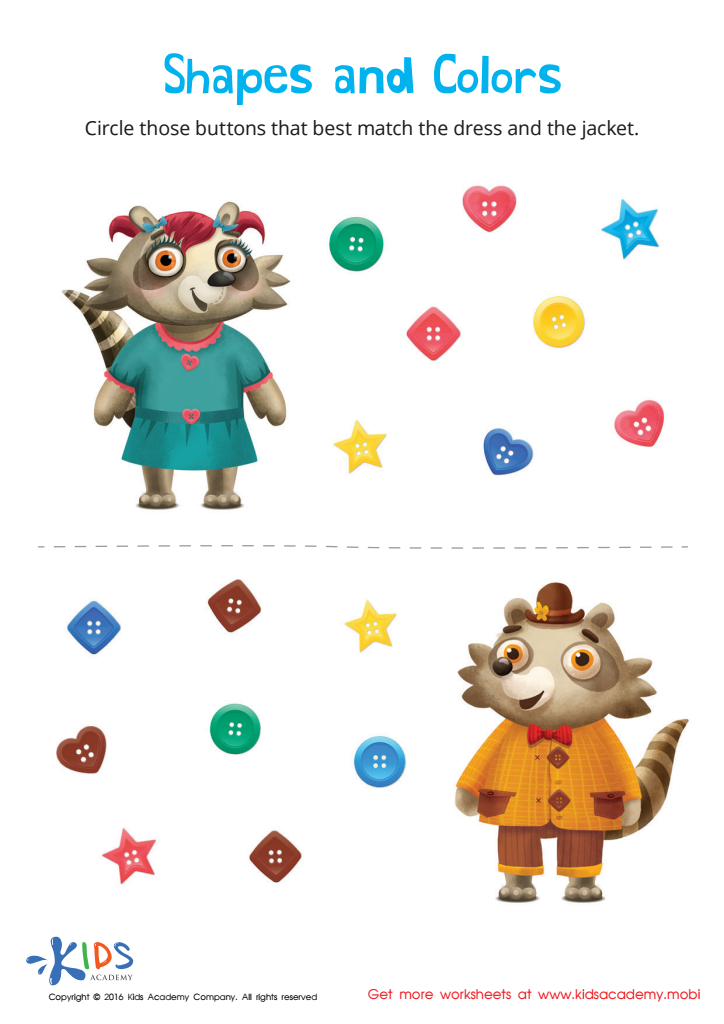
Matching: Shapes and Colors Worksheet
Help Mr. and Mrs. Raccoon find the right buttons to match their shirts! Kids will identify shapes and colors and learn to match them correctly.
 Assign to My Students
Matching: Shapes and Colors Worksheet
Worksheet











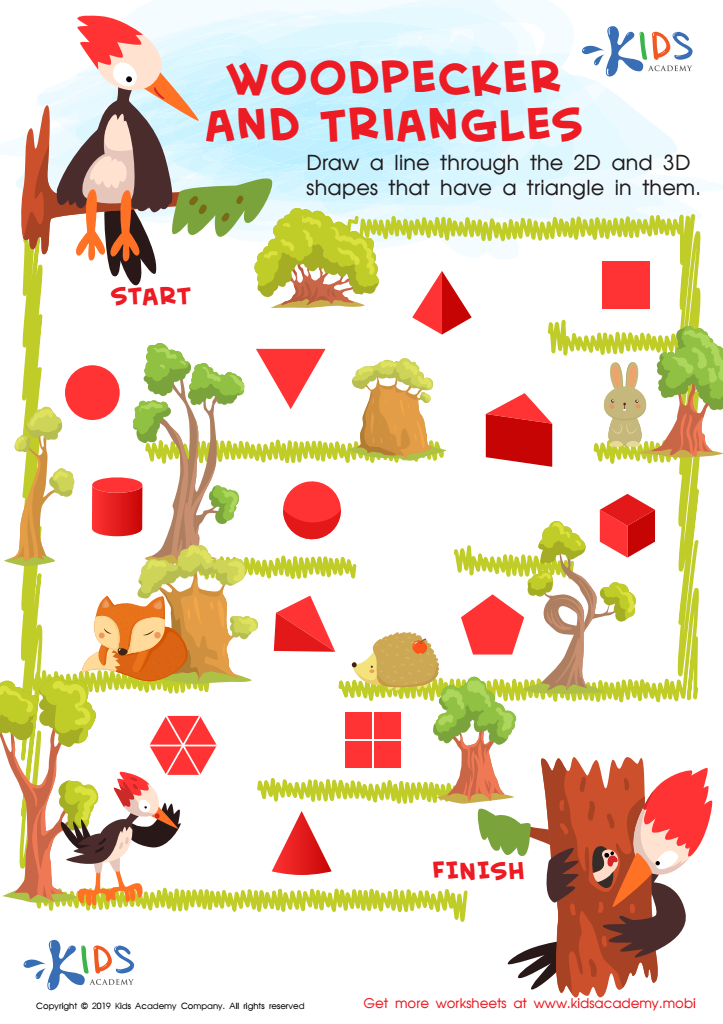
Woodpecker and Triangles Worksheet
Woodpeckers peck wood, and this printout helps kids learn about triangles. Ask your kindergartners to draw a triangle, then draw a line through the shapes that have a triangle in them to help the woodpecker get out of the maze.
Woodpecker and Triangles Worksheet
Worksheet
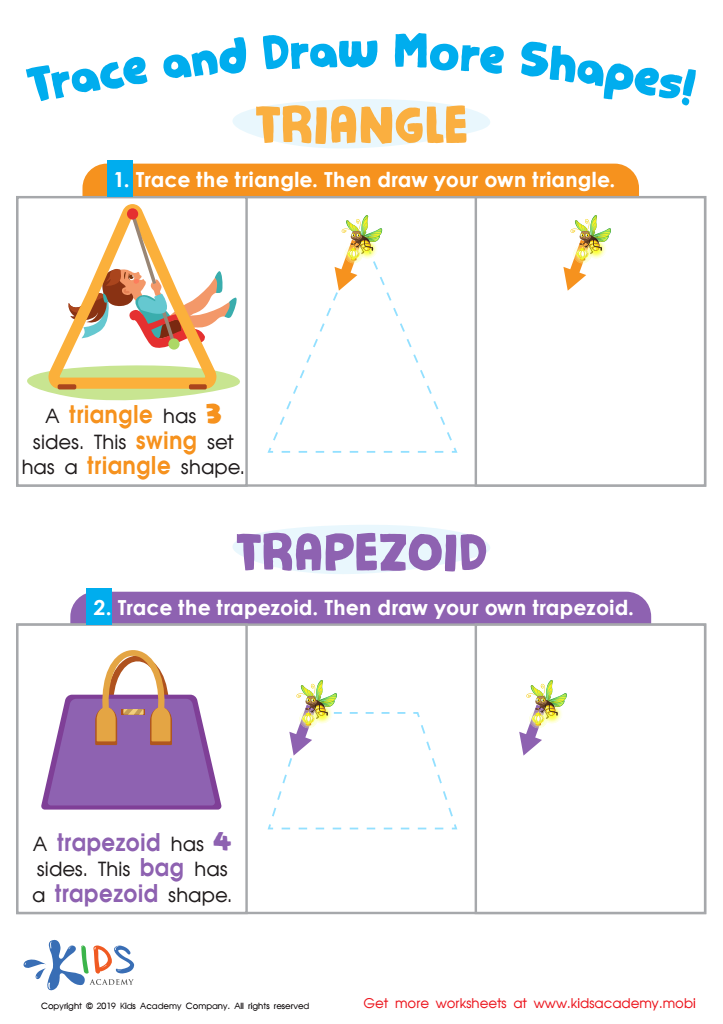
Trace and Draw More Shapes Worksheet
Help your kids with more learning! Look at images in the worksheet, read facts about the shapes, then help your kids trace and draw. This reinforces that learning is never done; use this simple worksheet to help your kids with school homework and more!
Trace and Draw More Shapes Worksheet
Worksheet
Join Kids Academy for Free
Who is primarily going to use this learning content?








Fine Motor Skills Extra Challenge 2D Shapes exercises are essential for early childhood development, blending the detailed skill-building of fine motor tasks with the cognitive learning of shapes recognition. Parents and teachers should prioritize these activities to fortify foundational areas of a child’s development.
Fine motor skills involve the precise movement of small muscles in the hands, fingers, and wrists. Activities like tracing, cutting, and manipulating 2D shapes dramatically improve children's dexterity, hand-eye coordination, and grip strength. These skills are vital for everyday tasks such as writing, buttoning clothes, and tying shoelaces.
Simultaneously, engagement with 2D shapes nurtures spatial awareness and abstract thinking. Recognizing, differentiating, and creating shapes form the basis of geometry, problem-solving, and pattern recognition, skills ingrained in math and science principles. The combination of these motor skills and cognitive learning boosts a child's academic readiness.
Moreover, completing fine motor challenges with shapes fosters a sense of achievement and confidence. It encourages persistence, patience, and the ability to follow instructions, critical traits for lifelong learning.
By integrating these exercises, parents and teachers offer a comprehensive developmental strategy, ensuring children gain both the physical and mental skills necessary to thrive in more complex academic and real-life tasks.