Understanding fact families Extra Challenge Addition & Subtraction Worksheets
3 filtered results
-
From - To
Unlock the power of math with our "Understanding Fact Families Extra Challenge Addition & Subtraction Worksheets"! Designed for early learners, these worksheets provide an engaging opportunity to deepen students' understanding of how addition and subtraction relate. Through hands-on activities, students will master fact families while fostering critical thinking skills. Each worksheet encourages the exploration of equations that form connected relationships, reinforcing their arithmetic abilities. Perfect for both in-class and at-home practice, our extra challenge sheets are ideal for students ready to advance their skills. Empower young mathematicians today and inspire confidence in their problem-solving abilities with our comprehensive, thoughtfully designed resources!
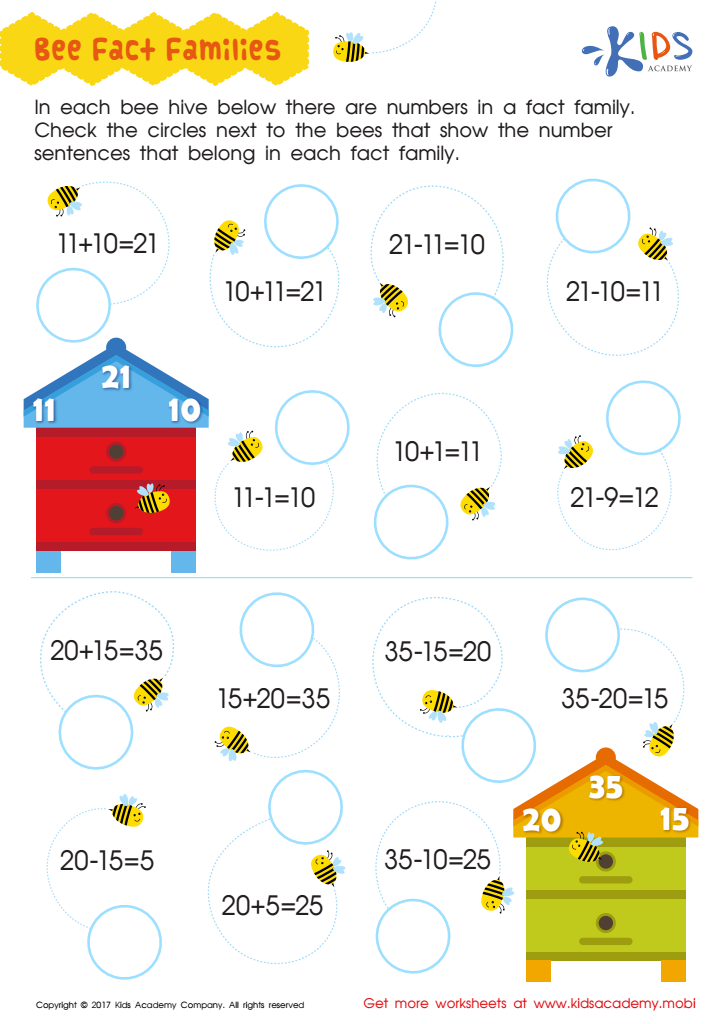
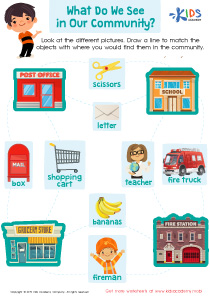
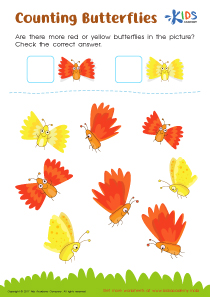
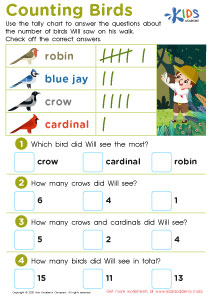
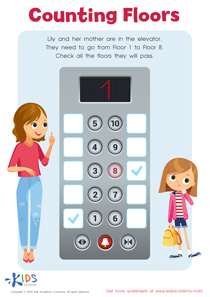
Fact Families Worksheet
 Assign to My Students
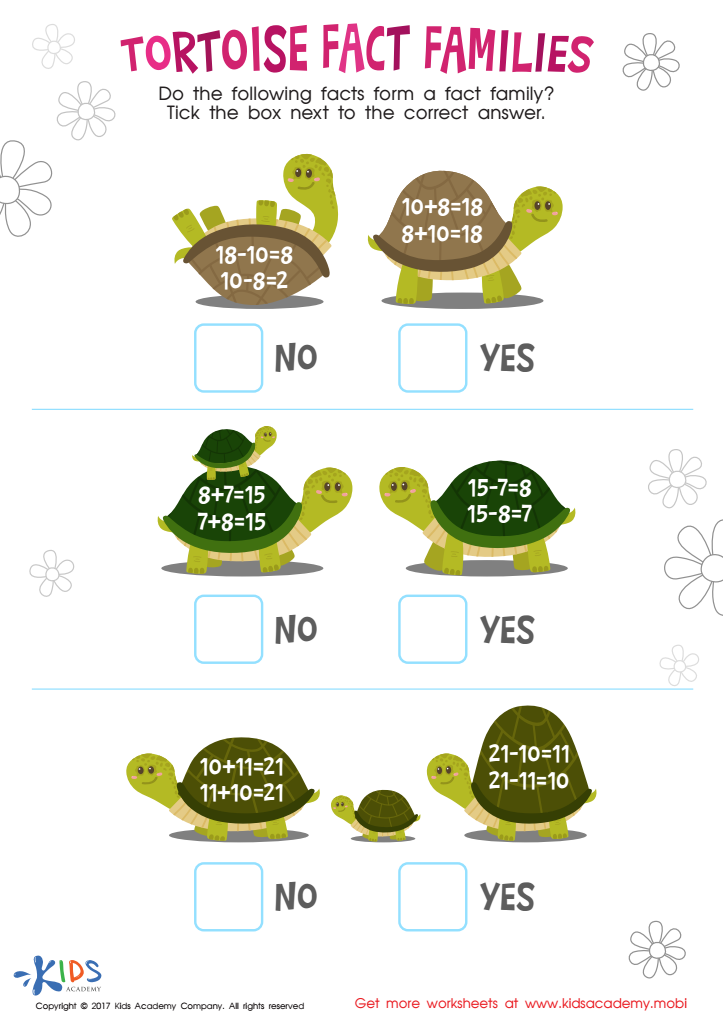
Tortoise Fact Families Printable
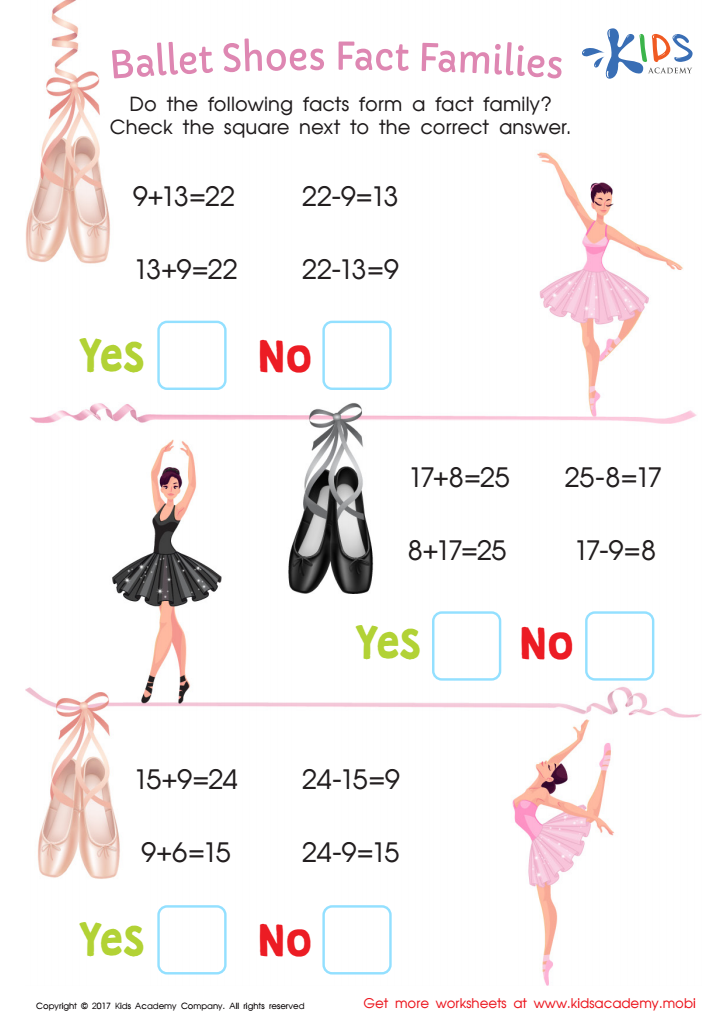
Ballet Shoes Fact Family Printable








Understanding fact families is crucial for parents and teachers as it lays the foundation for children’s math proficiency, particularly in addition and subtraction. A fact family consists of a set of numbers that describe the same relationship and includes a group of addition and subtraction sentences. For example, for the numbers 3, 4, and 7, the fact family includes: 3 + 4 = 7, 4 + 3 = 7, 7 - 4 = 3, and 7 - 3 = 4. Recognizing these relationships helps children see the interconnectedness of numbers, reinforcing their understanding of mathematical concepts and relationships.
Additionally, mastering fact families enhances problem-solving skills by enabling students to approach math concepts from different angles. When children grasp the concept of fact families, they develop confidence, which fosters a positive attitude toward math. This mastery can simplify their approach to larger math concepts like multiplication and division later on.
Moreover, parents and teachers can use these skills to encourage at-home learning and classroom activities, fostering a collaborative learning environment. Ultimately, understanding fact families supports students' development of mental math strategies that are vital for their future academic success. Investing time into these fundamentals creates a cognitive foundation for higher-order math skills.