Recognizing shapes Extra Challenge Math Worksheets
3 filtered results
-
From - To
Enhance your child's math skills with our "Recognizing Shapes Extra Challenge Math Worksheets." Designed for young learners, these worksheets provide an engaging way to explore and identify various shapes. With a mix of fun and challenging activities, kids will recognize and differentiate between shapes like circles, squares, triangles, and more. Ideal for reinforcing shape recognition in school or at home, these resources promote critical thinking and improve visual awareness. Encourage your child's math mastery through stimulating exercises that make learning about shapes enjoyable and exciting. Explore our collection now to boost your child's confidence in math!
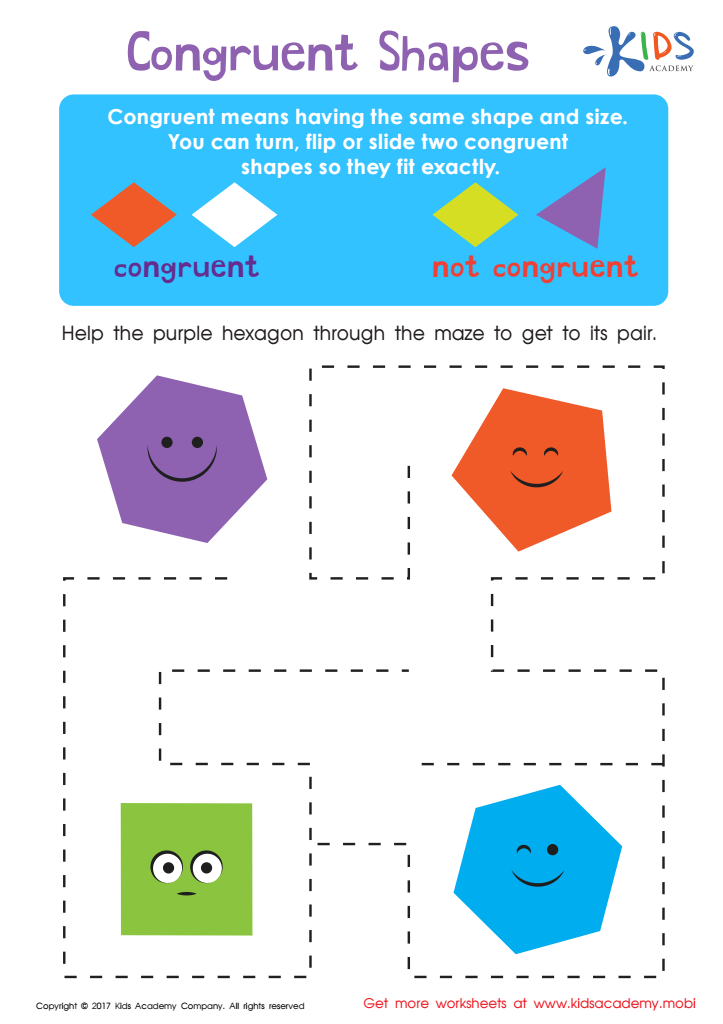
Congruent Shapes Worksheet
 Assign to My Students
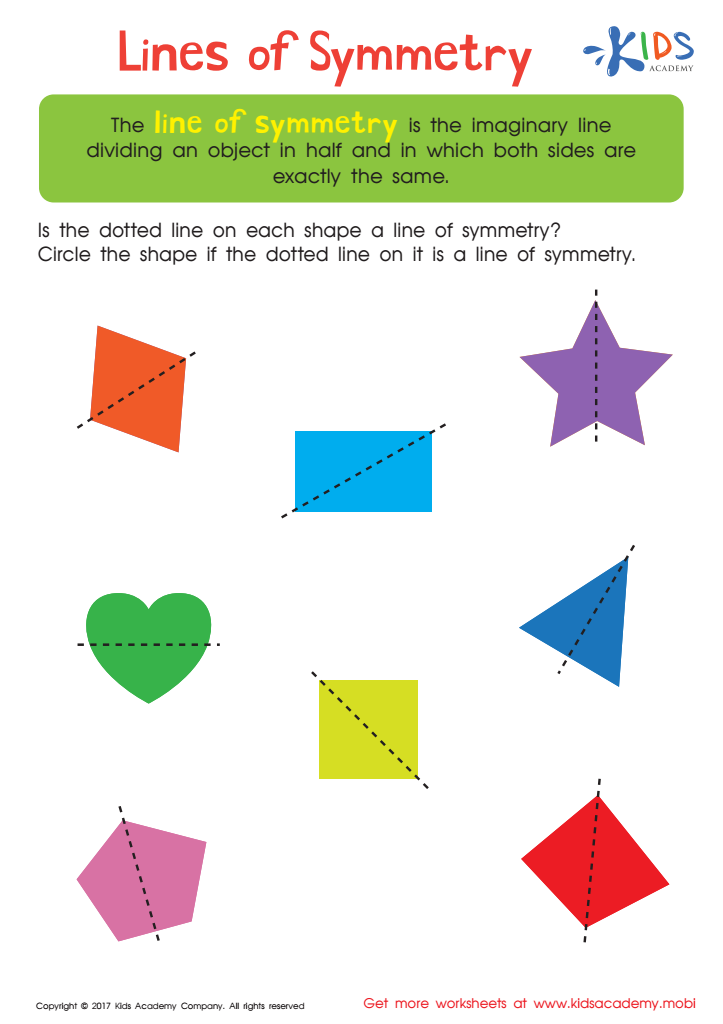
Lines of Symmetry Printable
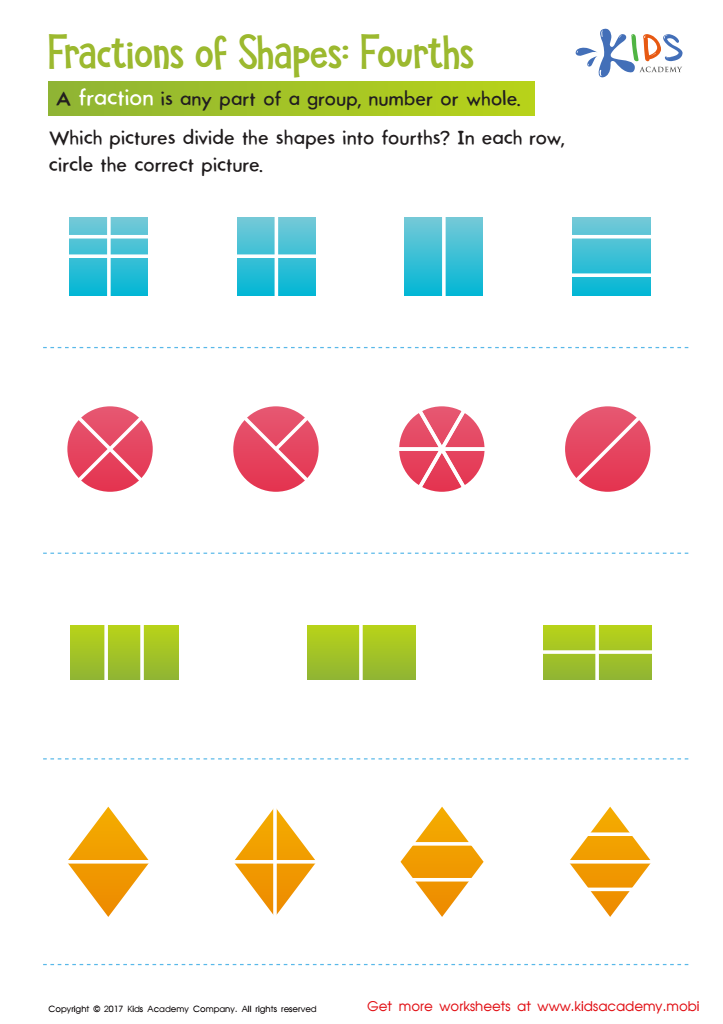
Fractions of Shapes Worksheet


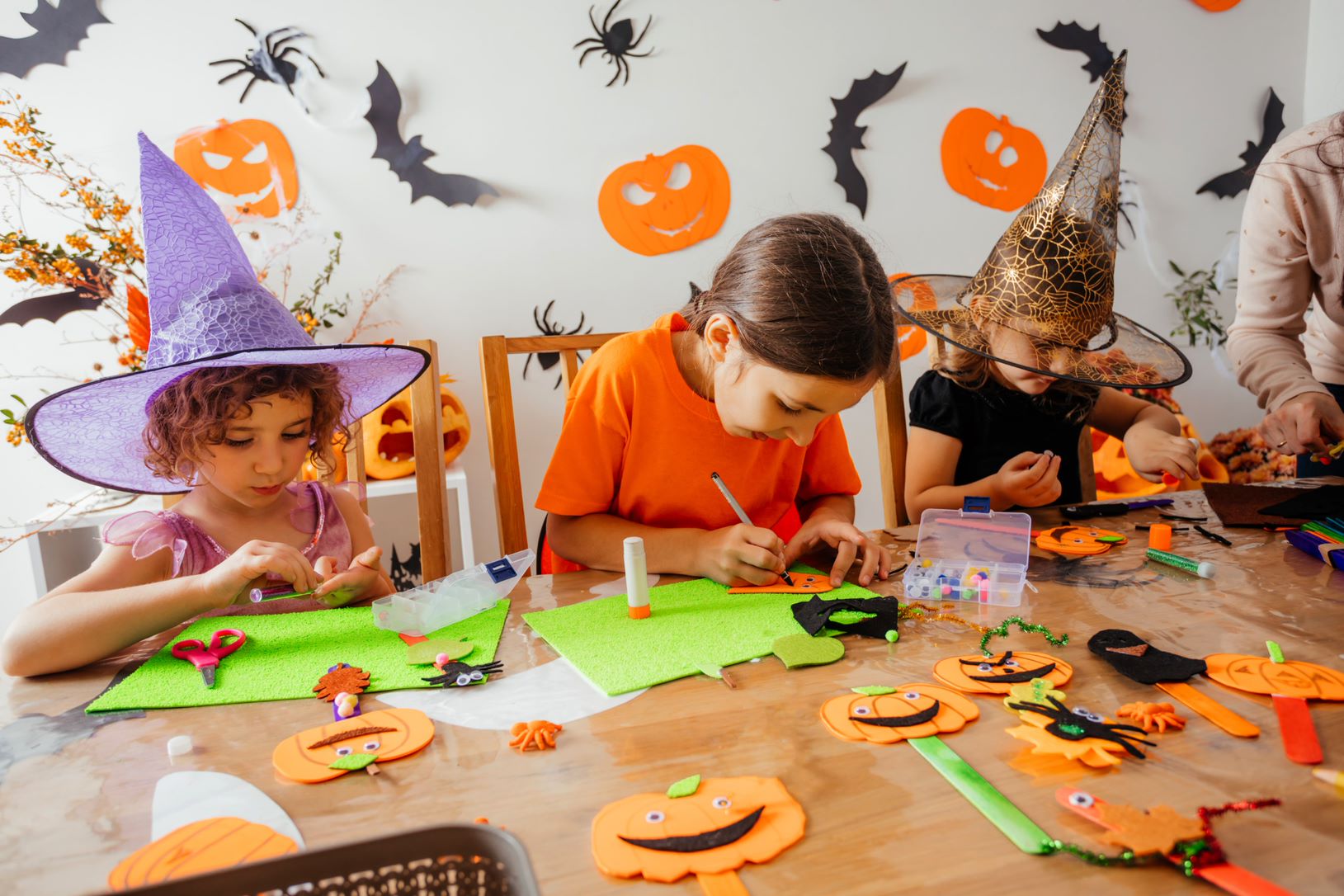

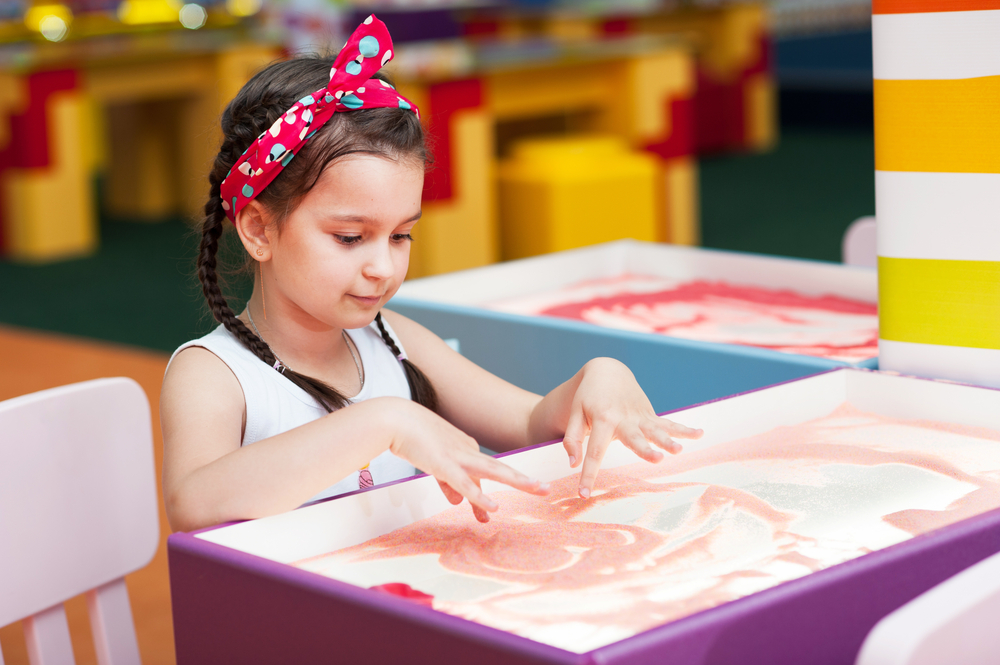


Recognizing shapes is a fundamental skill in early mathematics that goes beyond just identifying circles, squares, and triangles. Parents and teachers should care about this skill because it lays the groundwork for critical thinking and problem-solving abilities later in life. Understanding shapes helps children develop spatial awareness, which is essential for everyday tasks such as reading maps, assembling objects, or navigating their environment.
Additionally, shape recognition fosters creativity and allows for exploration in geometry, art, and design. As students progress in their education, a strong foundation in shape recognition can enhance their ability to tackle more complex math concepts, including area, volume, and symmetry. It can also improve their confidence in analytical skills, enabling them to approach challenges with a positive mindset.
Furthermore, engaging in shape-related activities can strengthen parent-child or teacher-student bonds through interactive learning experiences. Incorporating shapes into games and hands-on activities makes learning fun and encourages collaboration. Overall, emphasizing shape recognition is a critical investment in a child's cognitive development, preparing them for academic success and everyday problem-solving as they grow.








