Fine Motor Skills Extra Challenge Grade 2 ABC Order Worksheets
7 filtered results
-
From - To
Enhance your Grade 2 students' fine motor skills with our engaging ABC Order Worksheets! Tailored specifically for second graders, these challenging activities encourage letter recognition and sequence alignment while also promoting dexterity and coordination. Each worksheet is designed to provide fun and interactive exercises that help students practice arranging words in alphabetical order, all while developing crucial fine motor abilities through writing and manipulation tasks. Ideal for classrooms or at-home practice, these worksheets support early literacy skills and keep young learners motivated. Watch as they build confidence in their alphabet knowledge and fine motor skills simultaneously. Download now and boost their learning journey!
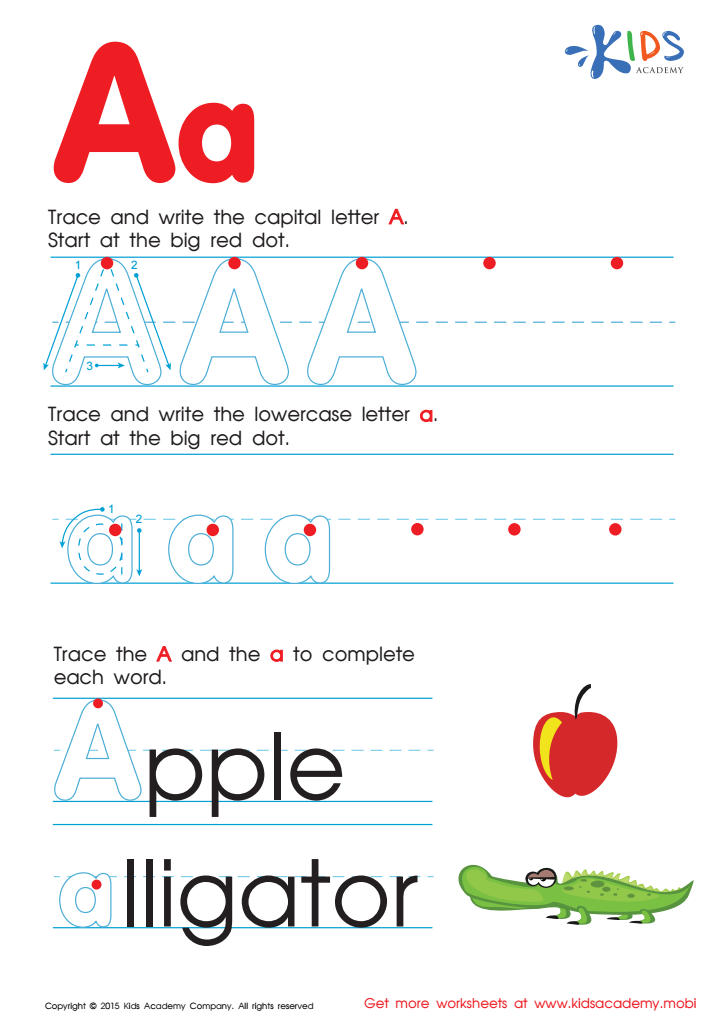
Letter A Tracing Page
 Assign to My Students
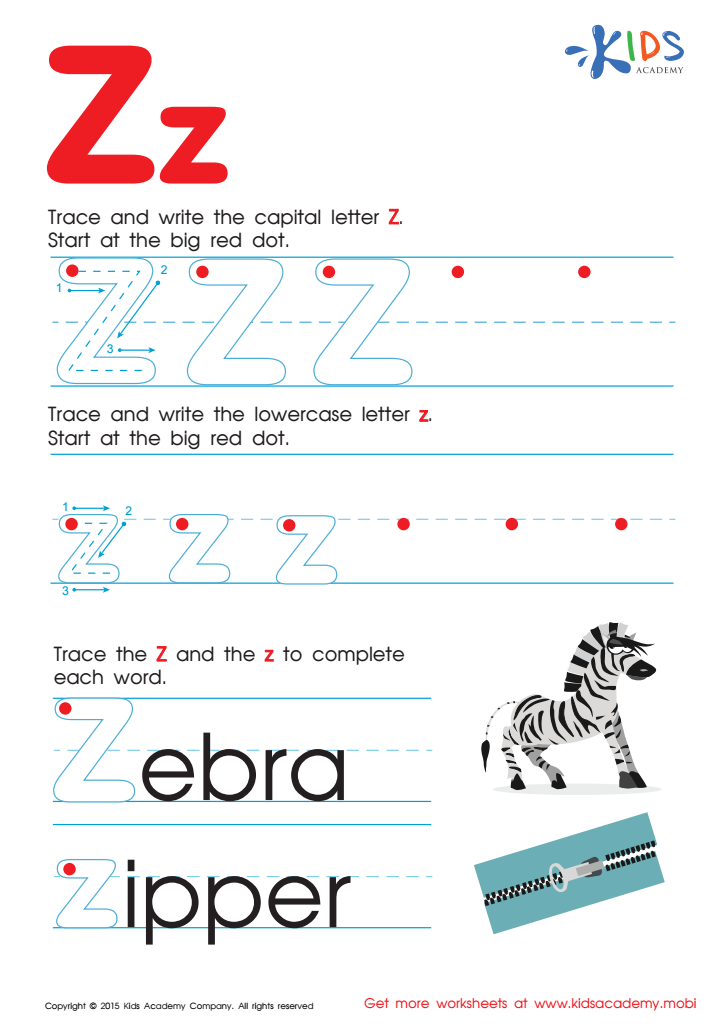
Letter Z Tracing Page
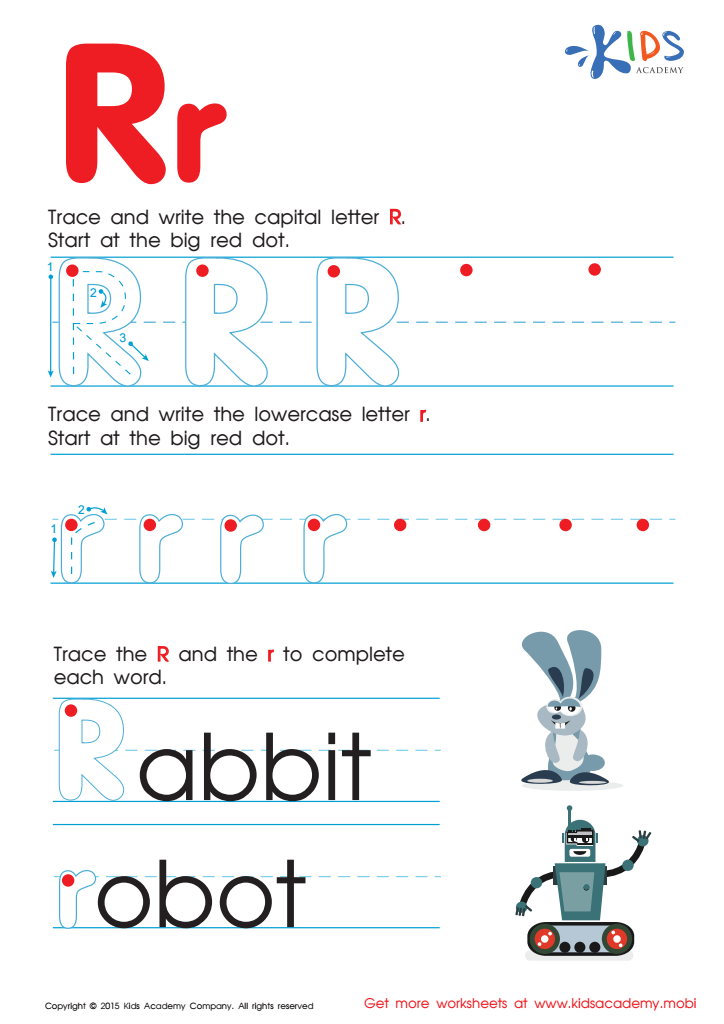
Letter R Tracing Page
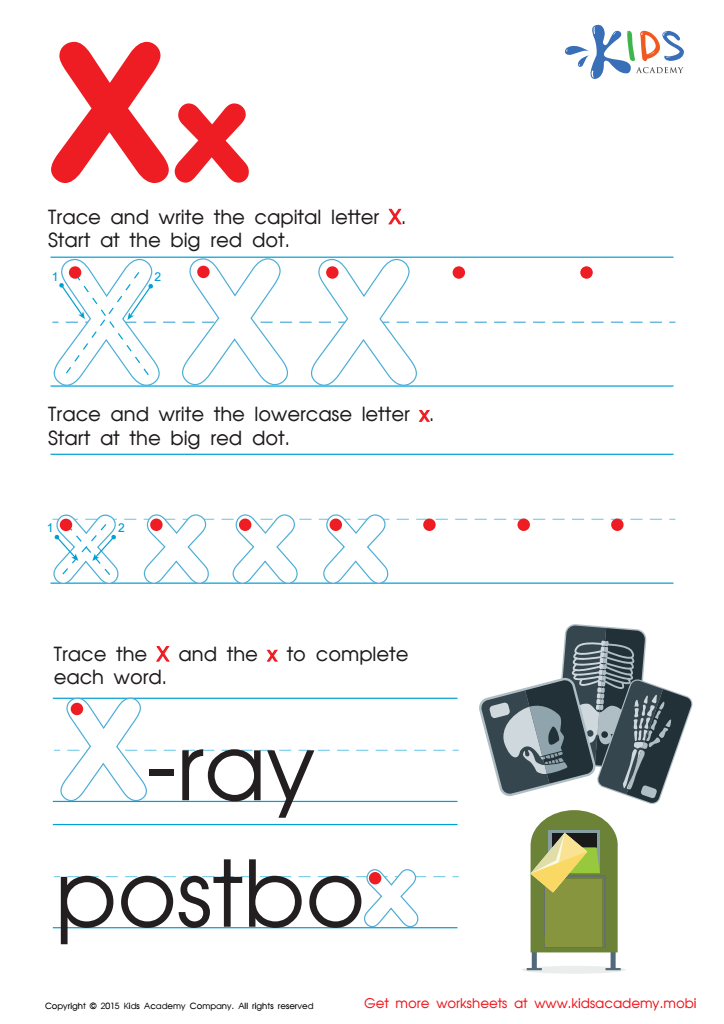
Letter X Tracing Page
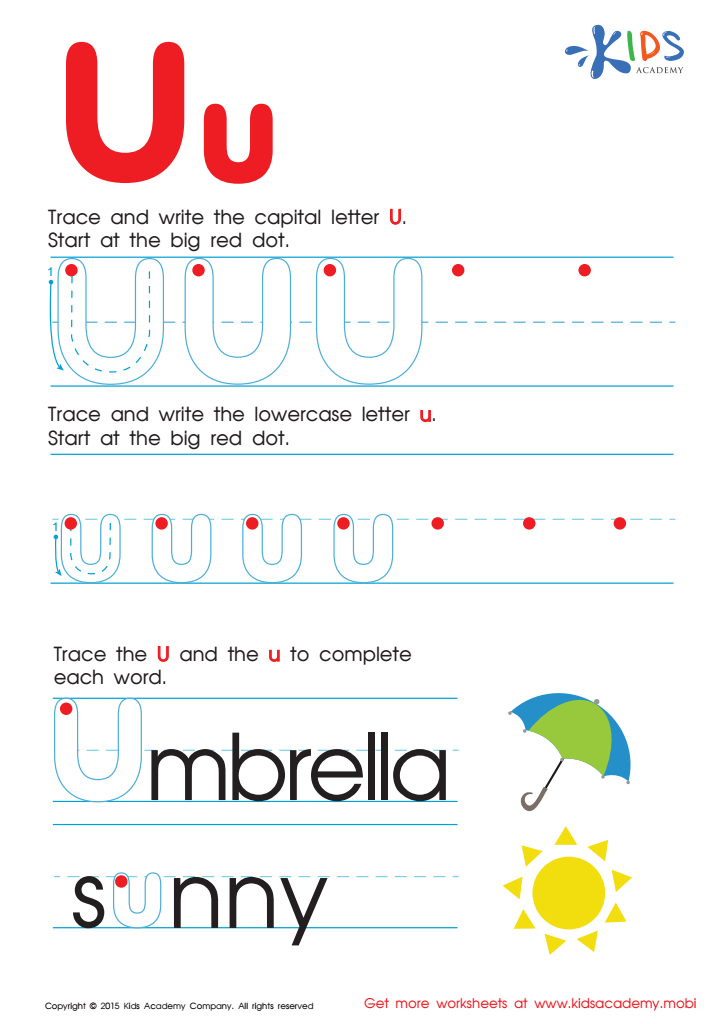
Letter U Tracing Page
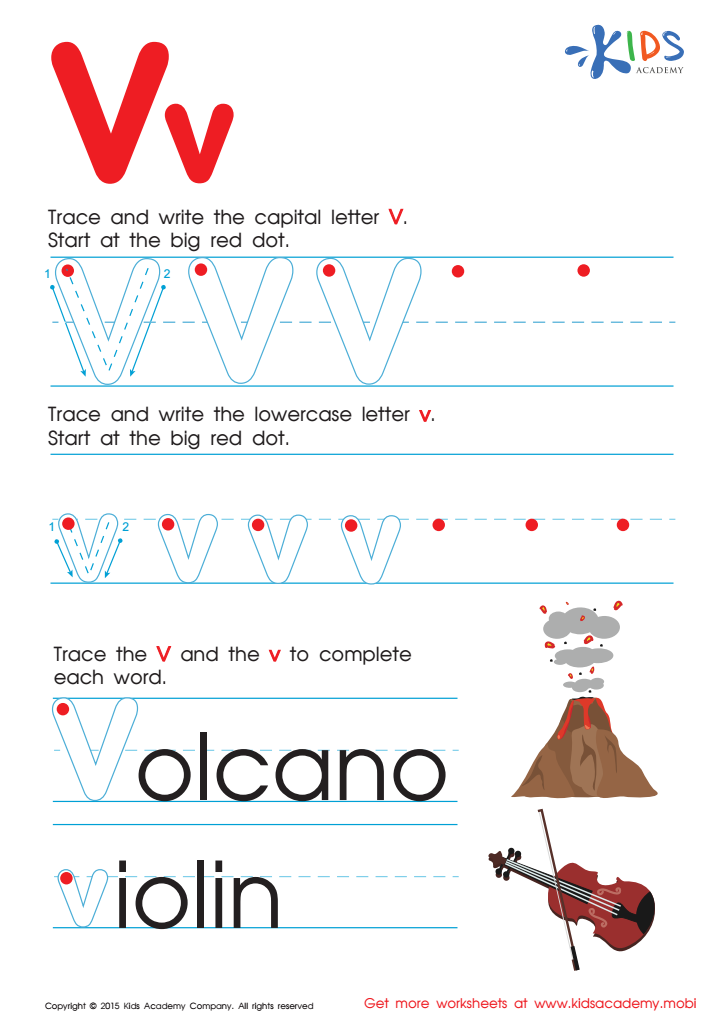
Letter V Tracing Page
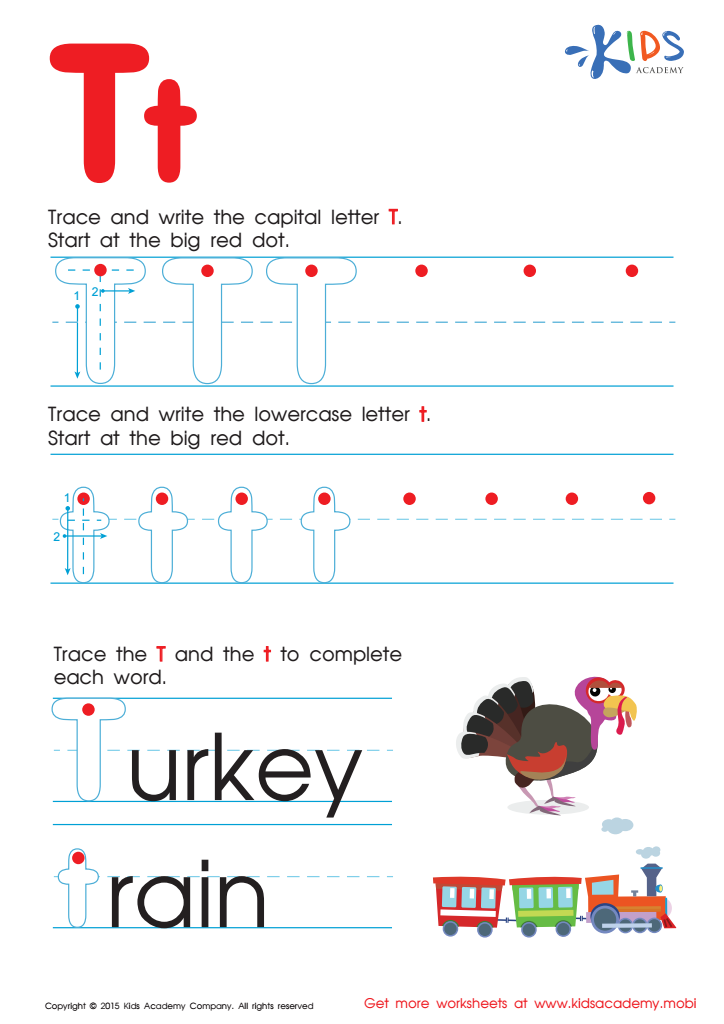
Letter T Tracing Page


Fine motor skills are crucial for children's overall development, particularly in Grade 2 when they are refining their abilities. These skills involve the coordination of small muscle movements, particularly in the hands and fingers, which are essential for everyday tasks such as writing, drawing, and using tools. As children age, fine motor skills become vital for academic success, especially in subjects that require writing and the manipulation of objects.
When children engage in activities that challenge their fine motor skills, such as those that involve practicing ABC order, they not only enhance their dexterity but also build confidence in their abilities. This process helps develop concentration, attention to detail, and hand-eye coordination. Moreover, activities that promote fine motor development can make learning more enjoyable and engaging.
For parents and teachers, acknowledging the importance of fine motor skills and integrating purposeful activities into the curriculum is essential. This support can lead to improved academic performance and greater independence in tasks. Ultimately, fostering these skills prepares children for future learning opportunities and empowers them to navigate everyday challenges effectively. By prioritizing fine motor development, parents and teachers can contribute significantly to a child's readiness for lifelong learning.