Letter recognition Extra Challenge Grade 2 Alphabet Worksheets
7 filtered results
-
From - To
Enhance your second grader's literacy skills with our engaging "Letter Recognition Extra Challenge" worksheets! Designed specifically for Grade 2 students, these alphabet worksheets provide a unique opportunity for learners to strengthen their letter recognition abilities while having fun. Each worksheet features a variety of activities, including tracing, matching, and coloring, to reinforce both uppercase and lowercase letters. Perfect for classroom or home use, our worksheets cater to diverse learning styles and help boost confidence in reading and writing. With this extra challenge, students will develop essential skills that pave the way for fluent reading. Start your child’s letter comprehension journey today!
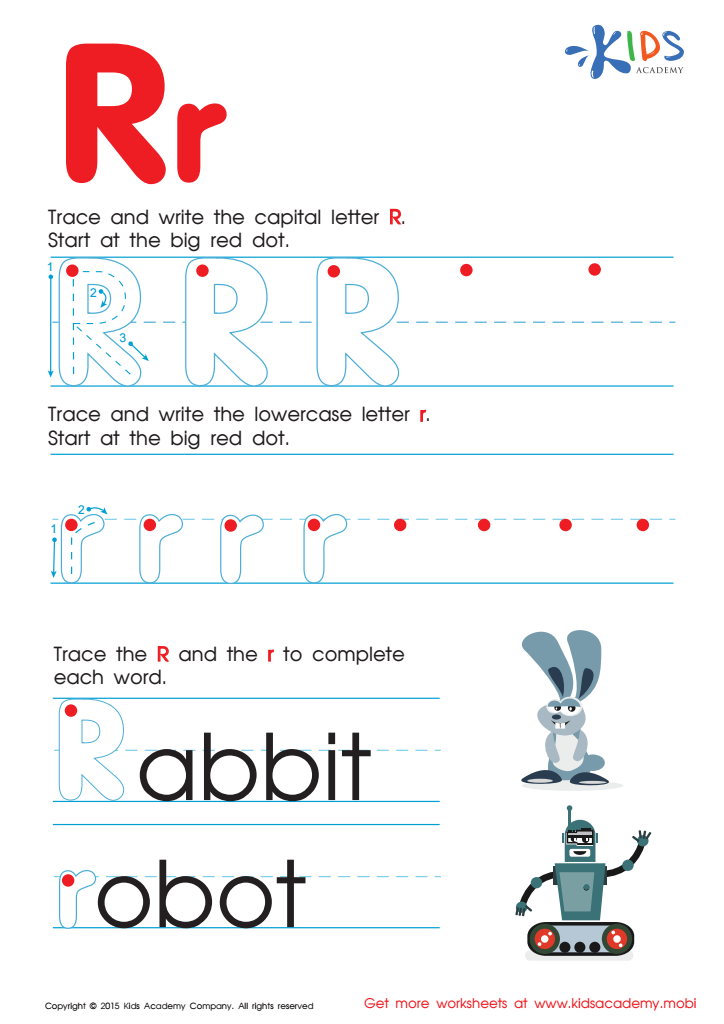
Letter R Tracing Page
 Assign to My Students
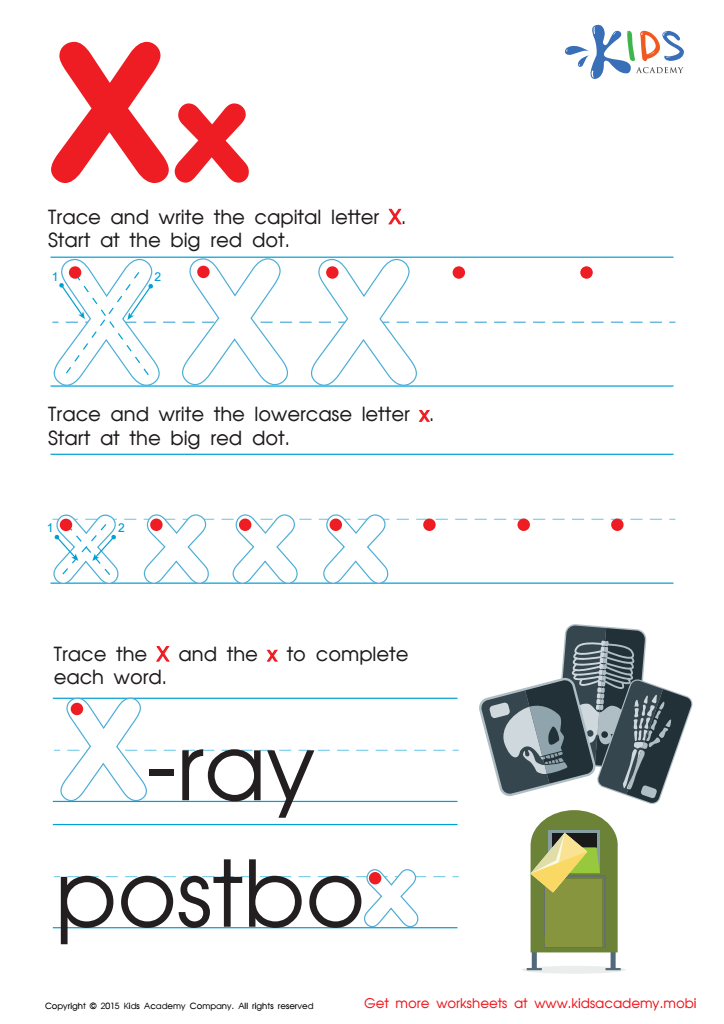
Letter X Tracing Page
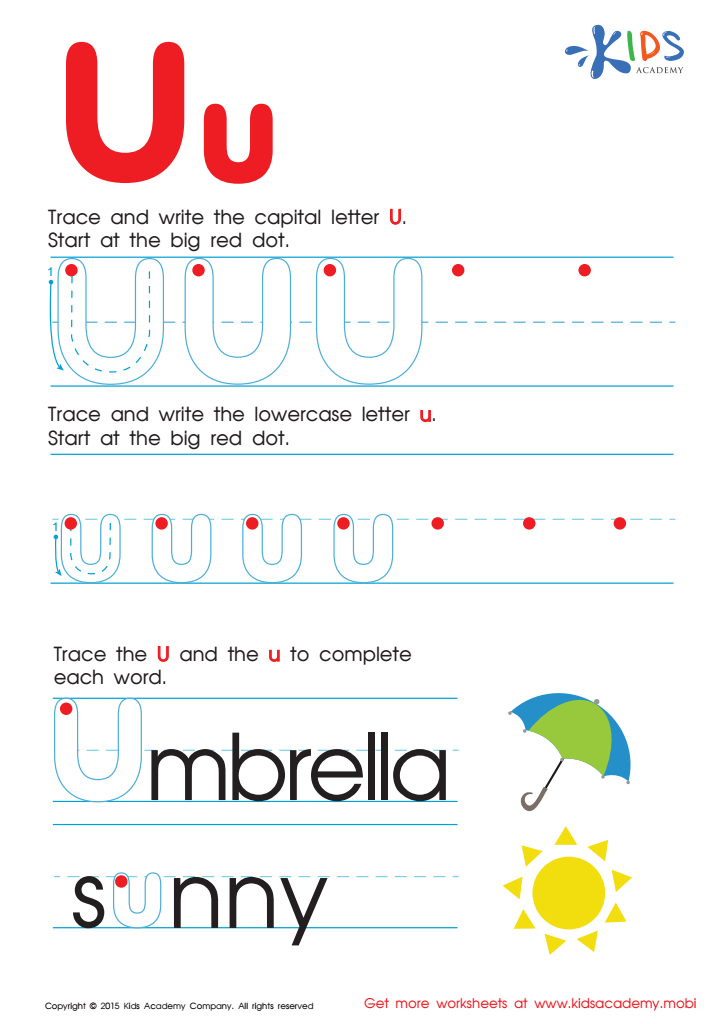
Letter U Tracing Page
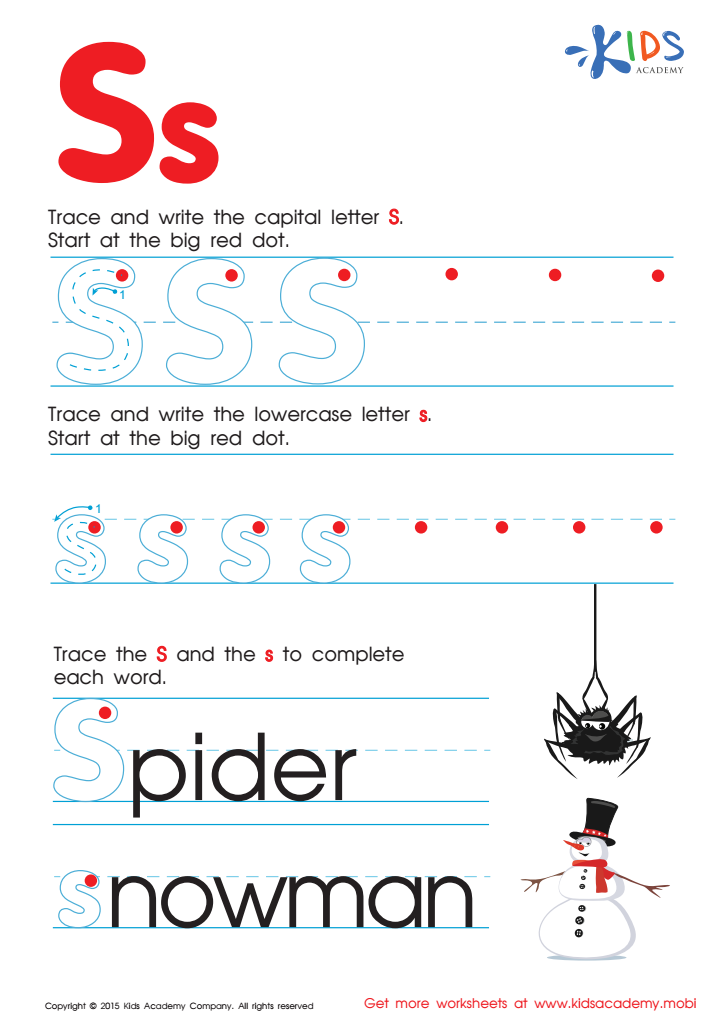
Letter S Tracing Page
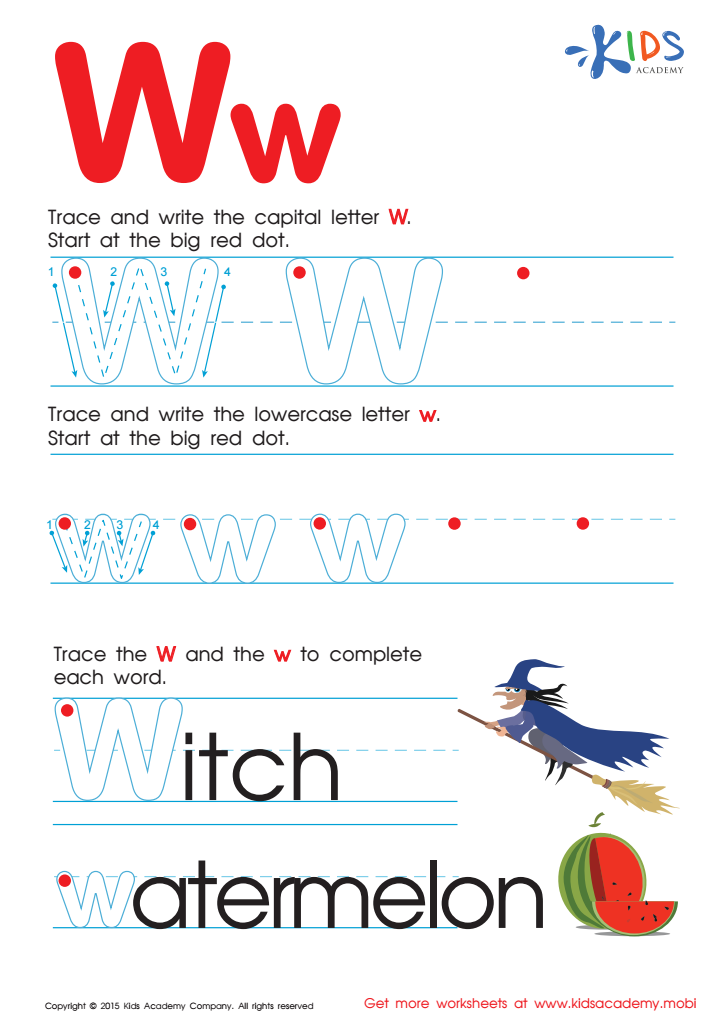
Letter W Tracing Page
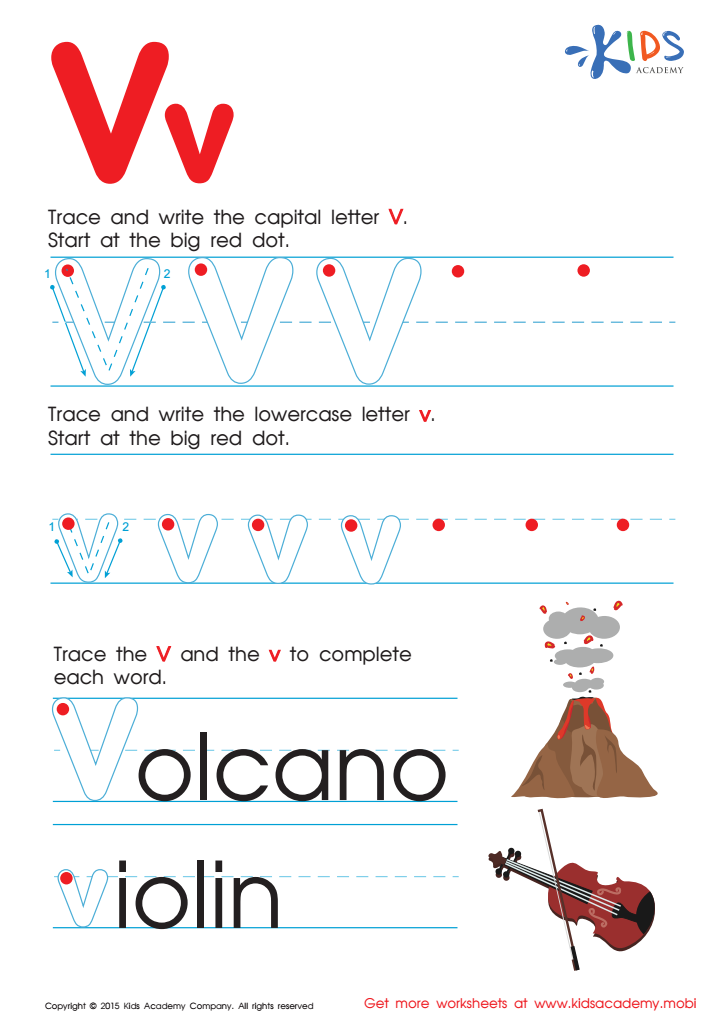
Letter V Tracing Page
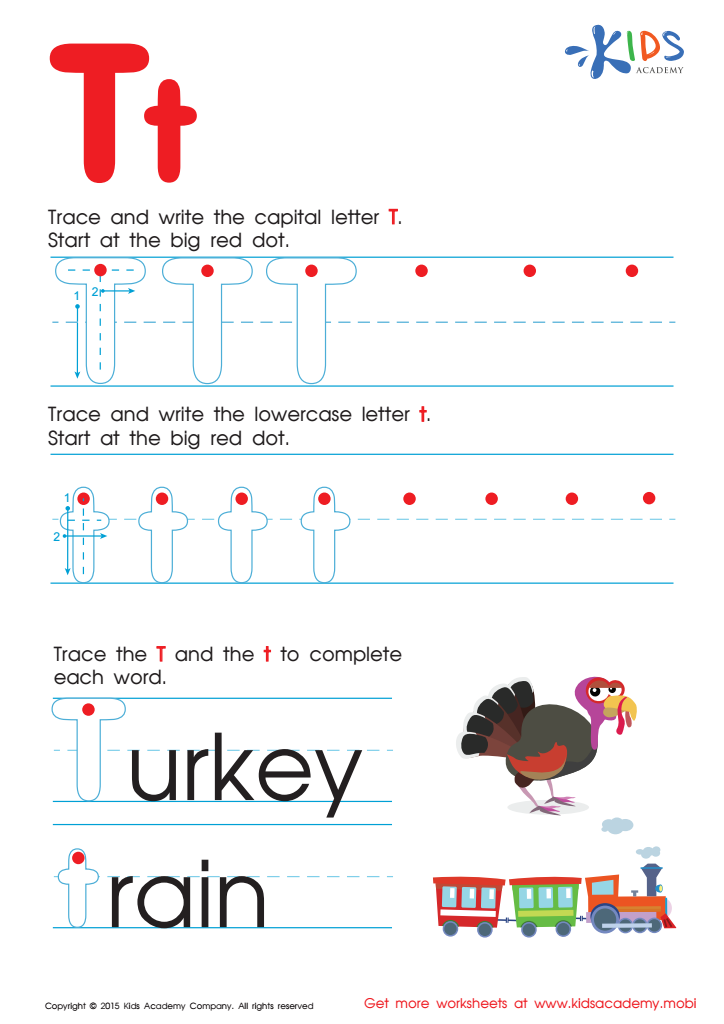
Letter T Tracing Page








Letter recognition is a foundational skill that directly impacts a child's literacy development, making it essential for parents and teachers to prioritize in Grade 2. As students progress through early education, recognizing letters not just in isolation, but in various contexts—such as reading words and sentences—becomes crucial. Mastery of this skill supports not only reading fluency but also comprehension, spelling, and writing abilities.
Early intervention in letter recognition can prevent future reading difficulties. When children can easily identify and differentiate letters, they grant themselves a head start in developing strong reading habits. Moreover, engaging in letter recognition challenges fosters not only academic growth but also boosts a child's confidence, encouraging a love for reading as they see themselves succeed.
For parents and teachers, implementing additional challenges in letter recognition can create enriching learning experiences. Practicing through games, interactive activities, and creative lessons holds children's attention and makes learning enjoyable. As partners in education, both parents and teachers can collaboratively reinforce these skills at home and in the classroom, creating a consistent learning environment. By emphasizing letter recognition, they play a critical role in shaping children's long-term literacy success and overall academic achievements.