Color recognition Extra Challenge Grade 2 Coloring Pages Worksheets
3 filtered results
Difficulty Level
Grade
Age
-
From - To
Subject
Activity
Standards
Enhance your child's color recognition skills with our "Color Recognition Extra Challenge Grade 2 Coloring Pages Worksheets." These expertly designed worksheets go beyond simple coloring. They integrate advanced tasks that sharpen visual discrimination, improve attention to detail, and foster creativity. Our engaging activities encourage students to identify and use a variety of colors in complex patterns and scenes. Perfect for at-home learning or classroom practice, these worksheets are tailored specifically for second graders, providing just the right level of challenge to keep young learners motivated and eager to learn more about the vibrant world around them. Explore and download today for free!
Favorites
With answer key
Interactive
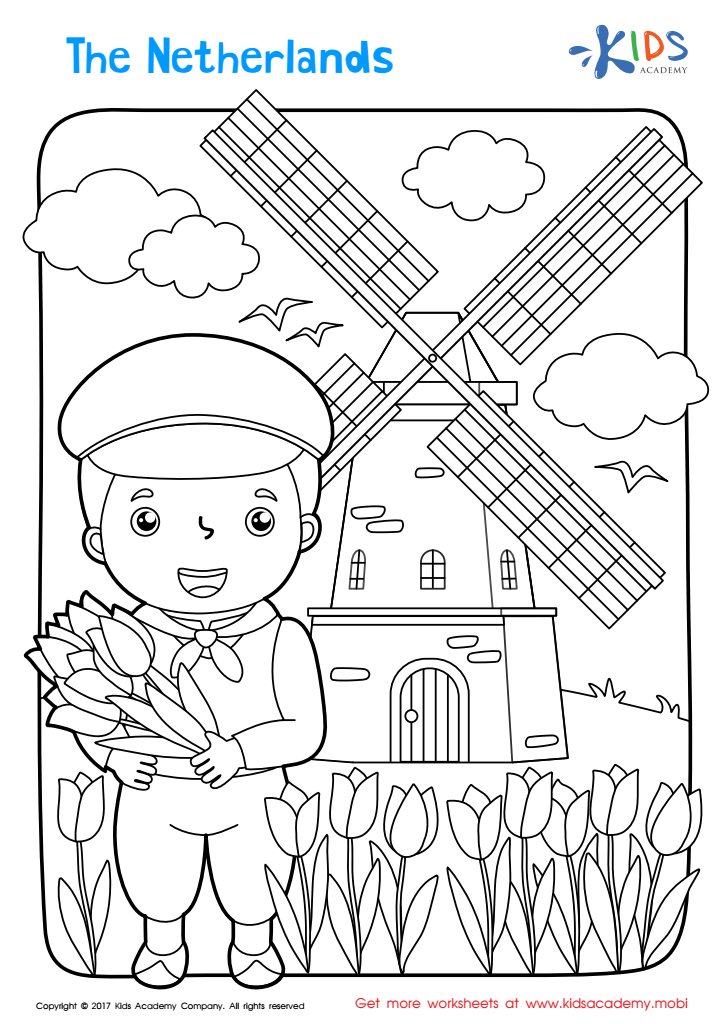
The Netherlands Printable
Explore the world with this fun Netherlands coloring page! Your child will discover Dutch windmills in the landscape. Expand their knowledge with a chat about the Netherlands!
Download (PDF)
 Assign to My Students
Assign to My Students
The Netherlands Printable
Worksheet
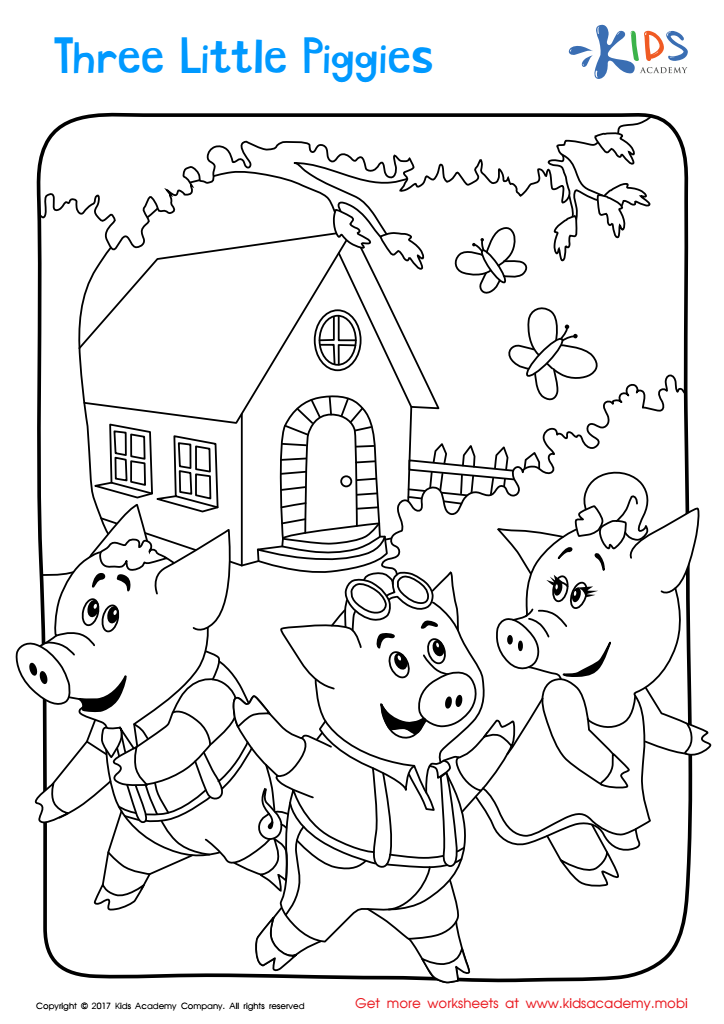
Three Little Piggies Printable Coloring Page
Recall a childhood favorite with your child and color in the Three Little Piggies printable. It's a great way to excite them for reading, as it helps them learn about characters and plot.
Download (PDF)
Assign to My Students
Assign to My Students
Three Little Piggies Printable Coloring Page
Worksheet
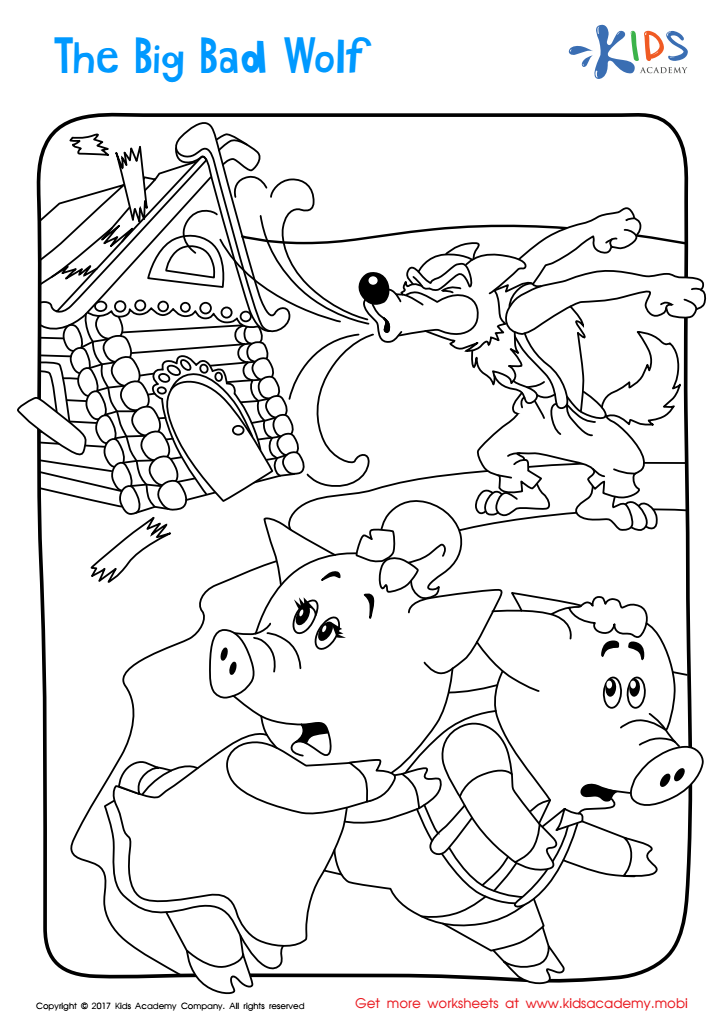
Big Bad Wolf Printable Coloring Page
Let your child have fun coloring the Big Bad Wolf blowing down the little pig's house! This printable coloring page introduces the classic tale, helping to develop reading comprehension skills.
Download (PDF)
Assign to My Students
Assign to My Students
Big Bad Wolf Printable Coloring Page
Worksheet
Join Kids Academy for Free
Who is primarily going to use this learning content?





Color recognition is a fundamental skill important for the development of children, particularly in early grade levels such as second grade. Understanding and identifying colors not only stimulates children's brain development but also aids in their overall cognitive growth and ability to differentiate objects. Color recognition extra challenge coloring pages designed for second graders serve several educational purposes.
First, these coloring pages help reinforce children’s learning of colors, enhancing their memory and retention of different hues. Engaging with these pages can improve their fine motor skills as they carefully color within the lines, directly affecting their hand-eye coordination and precision.
Second, completing these challenges boosts a child’s confidence and sense of accomplishment. When children successfully identify and use the right colors in more complex challenges, it builds their self-esteem and encourages them to take on other educational tasks with enthusiasm.
Third, these coloring pages can introduce concepts of patterns and sequences, which are foundational elements of math and science, fostering an early interest in STEM subjects.
Parents and teachers should care about color recognition challenge pages because they are not only fun but are key to a child’s educational development. They promote creativity, attention to detail, patience, and critical thinking – skills essential for academic success and lifelong learning.