Letter recognition Extra Challenge Grade 2 English for Beginners Worksheets
7 filtered results
-
From - To
Discover our "Letter Recognition Extra Challenge Worksheets" for Grade 2 English learners! These engaging worksheets are specifically designed to enhance letter recognition skills for beginners. Featuring fun activities that include letter tracing, matching, and identification, these resources will boost students' confidence while reinforcing foundational literacy concepts. Perfect for in-class or at-home practice, our worksheets cater to different learning styles and promote cognitive development through interactive exercises. Help your young learners master the alphabet with our comprehensive selection of extra challenge worksheets tailored for second graders. Explore the world of letters and set the stage for reading success today!
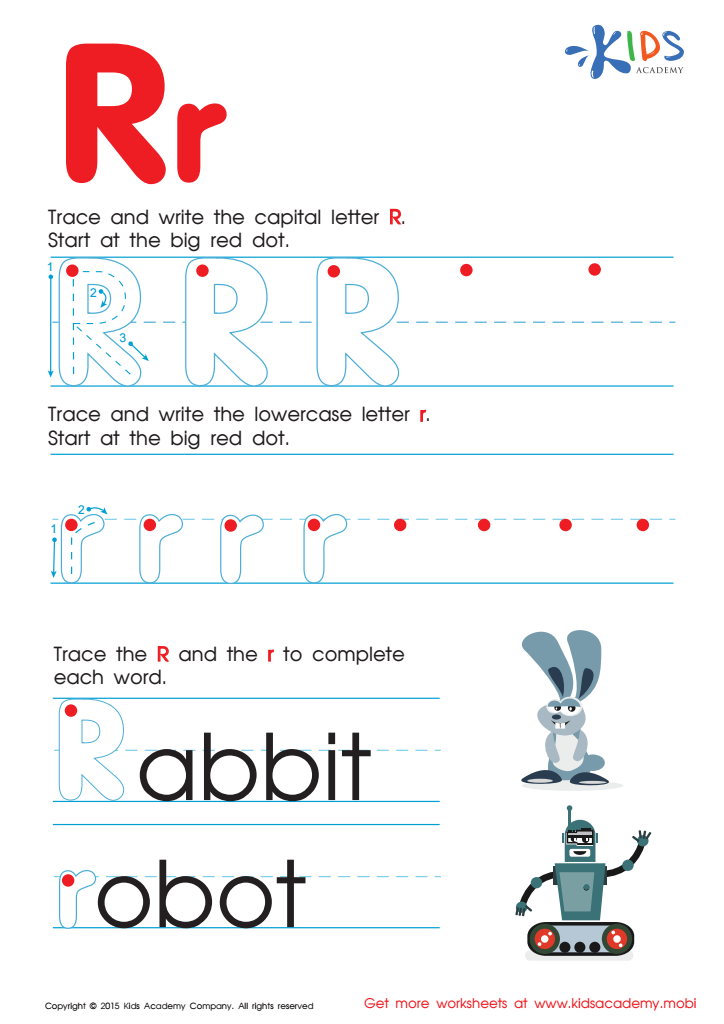
Letter R Tracing Page
 Assign to My Students
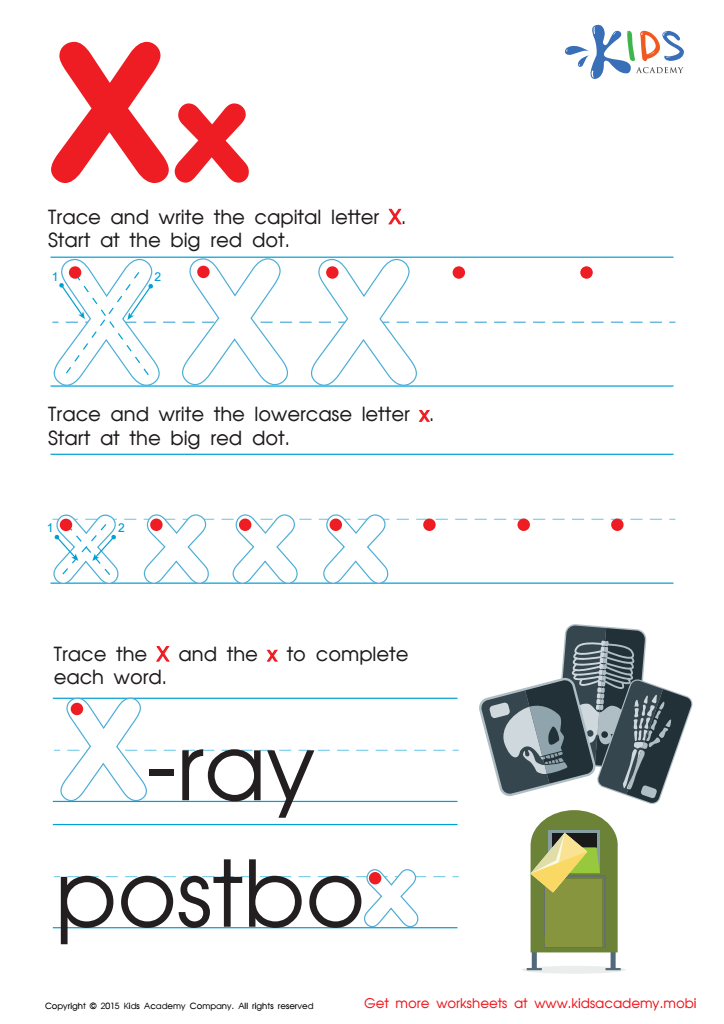
Letter X Tracing Page
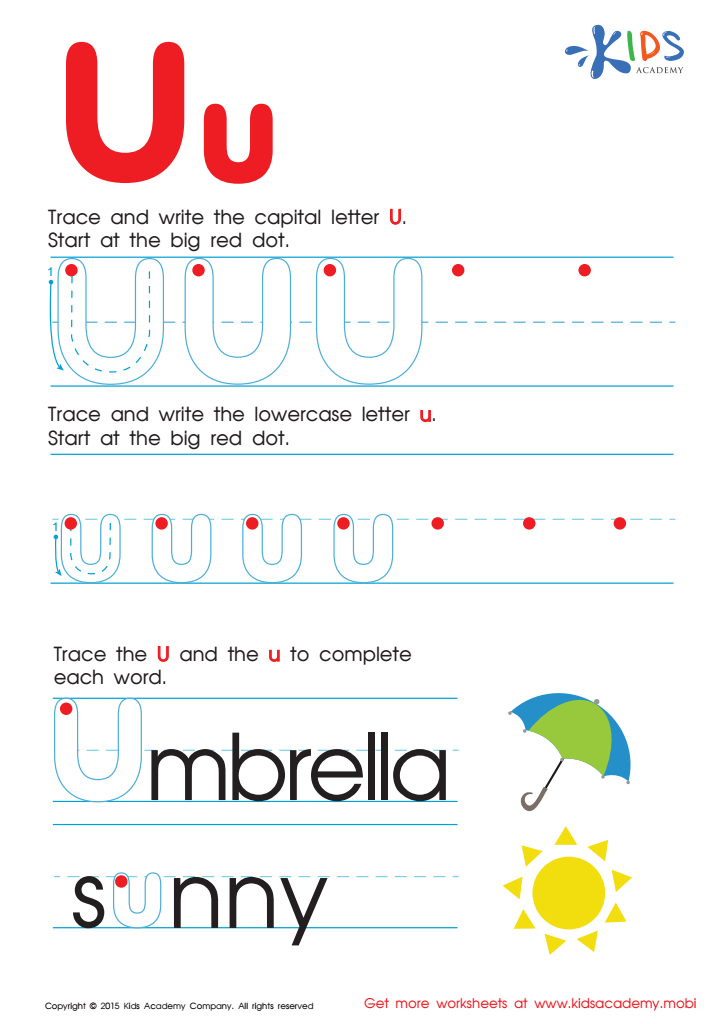
Letter U Tracing Page
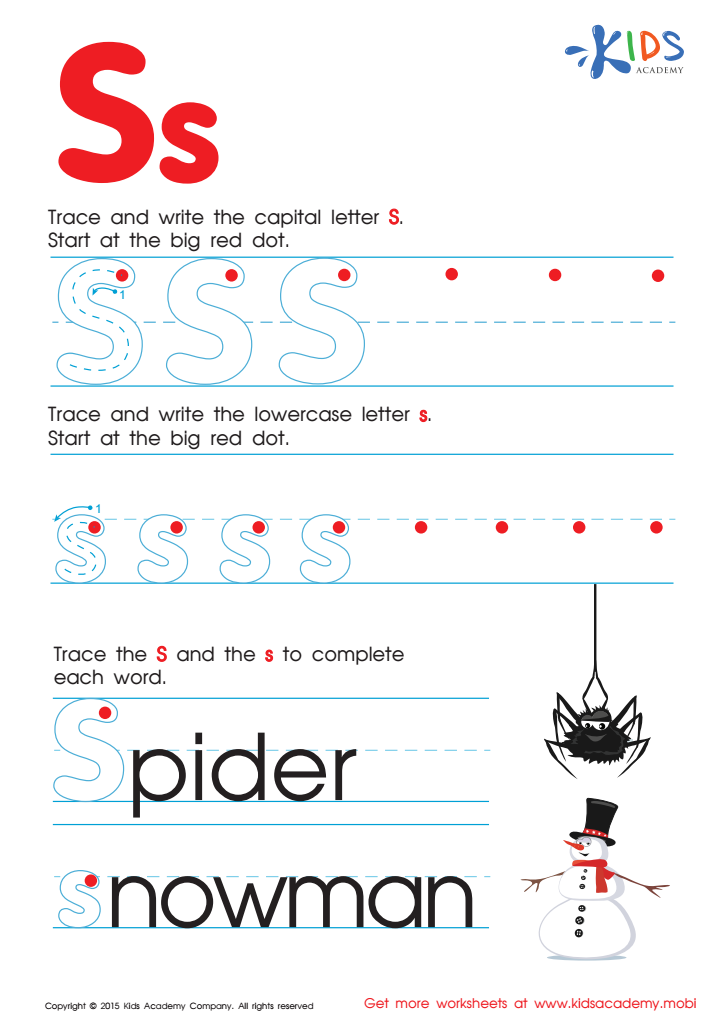
Letter S Tracing Page
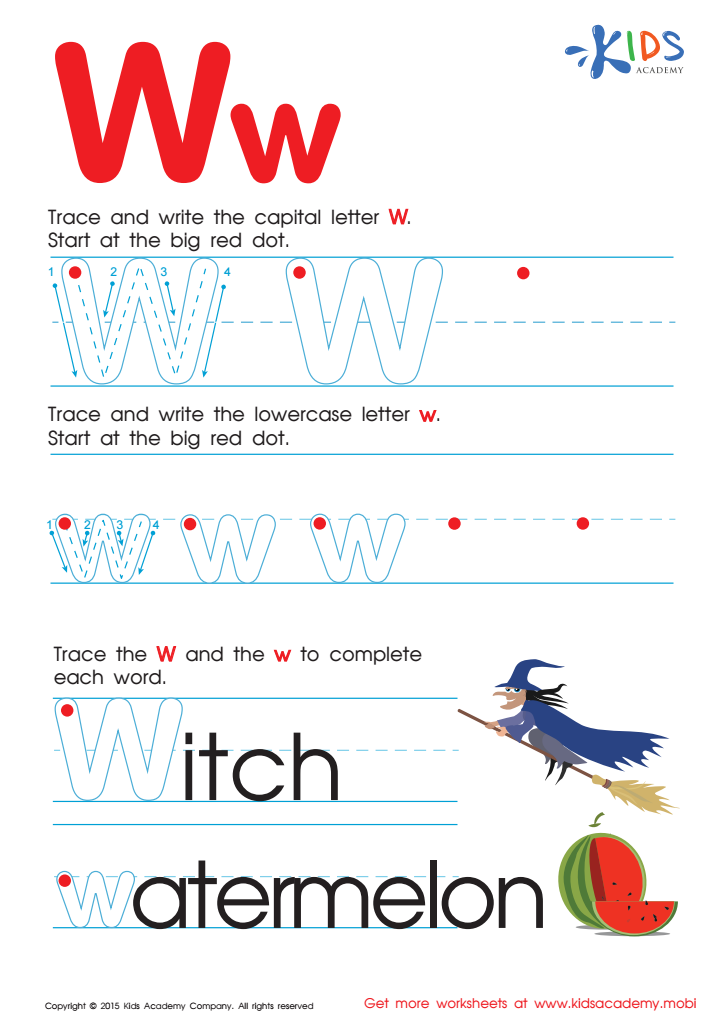
Letter W Tracing Page
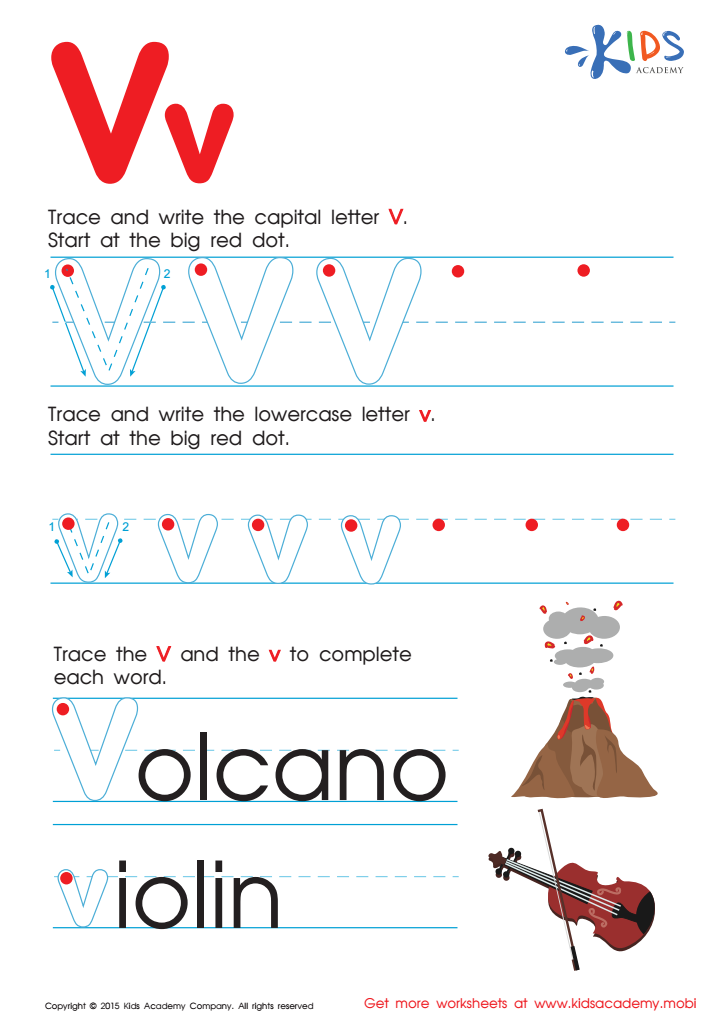
Letter V Tracing Page
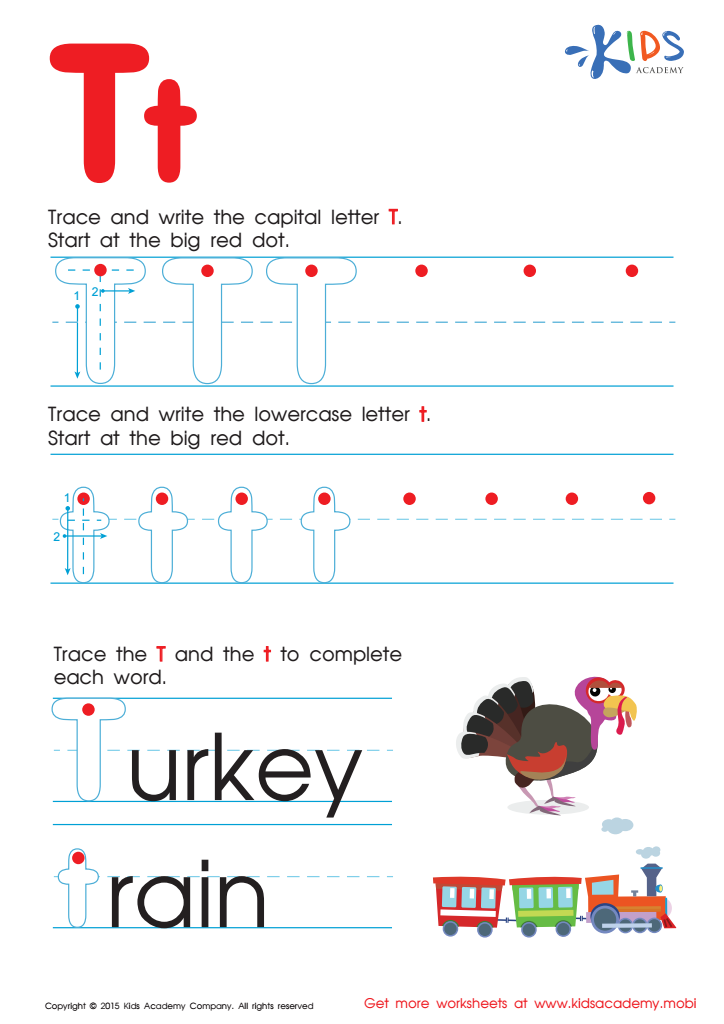
Letter T Tracing Page


Letter recognition is a foundational skill essential for reading and writing development in children. For Grade 2 students, mastering this skill fosters greater language comprehension and boosts literacy proficiency. Parents and teachers should prioritize letter recognition because it lays the groundwork for phonics, spelling, and vocabulary acquisition. When children can easily identify letters and their corresponding sounds, they become more confident in decoding words, making reading a smoother and more enjoyable experience.
Moreover, strong letter recognition skills facilitate academic success across subjects. As students progress, their ability to recognize letters influences their ability to communicate effectively, comprehend written material, and express thoughts coherently. In a world increasingly reliant on written communication, these skills become even more critical.
Parents and teachers play vital roles in encouraging letter recognition through engaging activities and practical applications. This includes interactive games, reading together, and integrating literacy activities into daily routines. By prioritizing letter recognition in Grade 2 English for beginners, adults support children's overall literacy development, instill a love for reading, and empower them to participate successfully in their academic journeys and lifelong learning. Investing time and resources in this area can result in significant long-term benefits for children's educational growth.