Color recognition Extra Challenge Grade 2 Worksheets
4 filtered results
Difficulty Level
Grade
Age
-
From - To
Subject
Activity
Standards
Welcome to our Color Recognition Extra Challenge Grade 2 Worksheets! Designed for young learners, these engaging worksheets provide an exciting way to enhance color identification skills. Students will conquer challenges that go beyond basic color knowledge, helping them explore shades, mixing colors, and recognizing hues in diverse settings. With vibrant illustrations and interactive exercises, these worksheets promote critical thinking and creativity while reinforcing essential color concepts. Perfect for classroom use or at-home learning, our extra challenge worksheets will inspire second graders to explore colors deeper than ever before. Get ready for colorful fun and educational adventures!
Favorites
With answer key
Interactive
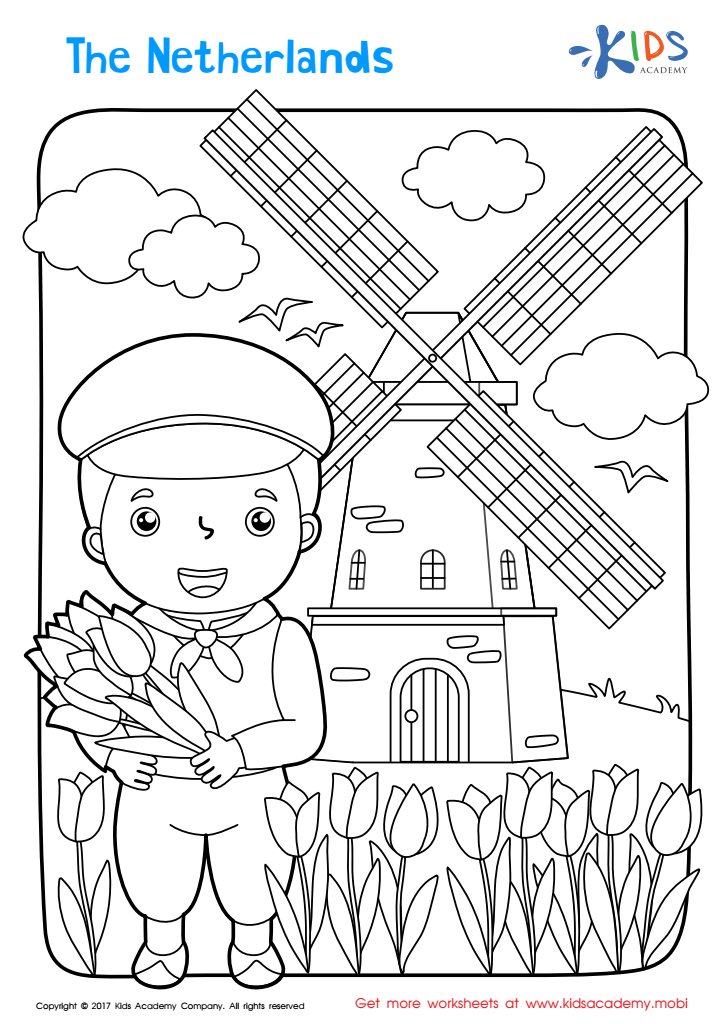
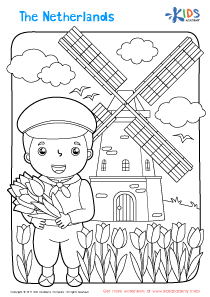
The Netherlands Printable
Explore the world with this fun Netherlands coloring page! Your child will discover Dutch windmills in the landscape. Expand their knowledge with a chat about the Netherlands!
Download (PDF)
 Assign to My Students
Assign to My Students
The Netherlands Printable
Worksheet
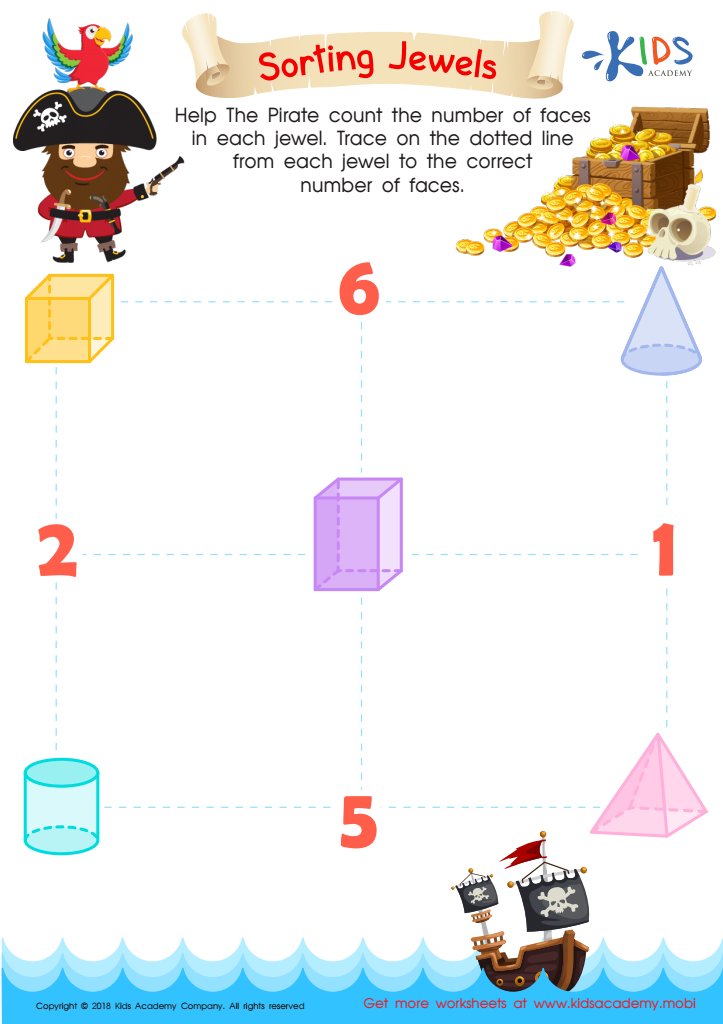
Sorting Jewels Worksheet
Help your kids explore their pirate fantasies with this tracing sheet. Ask them to count the number of faces in each jewel and then trace the dotted line to the correct number. How many faces does a rectangle have? What about a triangle and a cone? This fun worksheet is a great way to teach your kids the basics of identifying the number of faces on shapes.
Sorting Jewels Worksheet
Worksheet
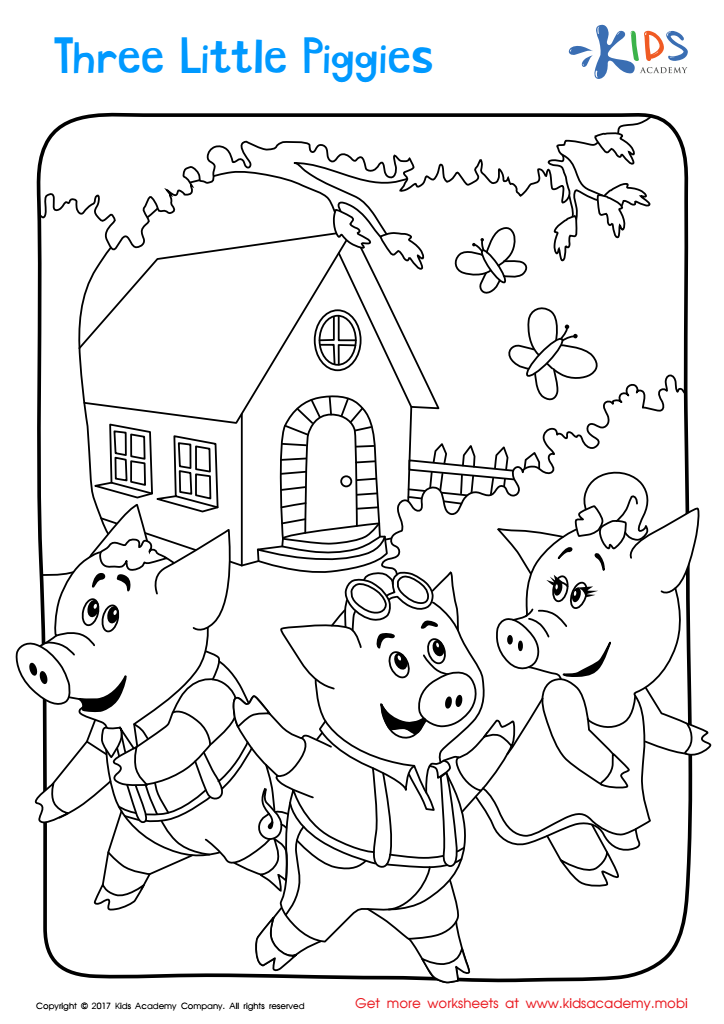
Three Little Piggies Printable Coloring Page
Recall a childhood favorite with your child and color in the Three Little Piggies printable. It's a great way to excite them for reading, as it helps them learn about characters and plot.
Download (PDF)
Assign to My Students
Assign to My Students
Three Little Piggies Printable Coloring Page
Worksheet
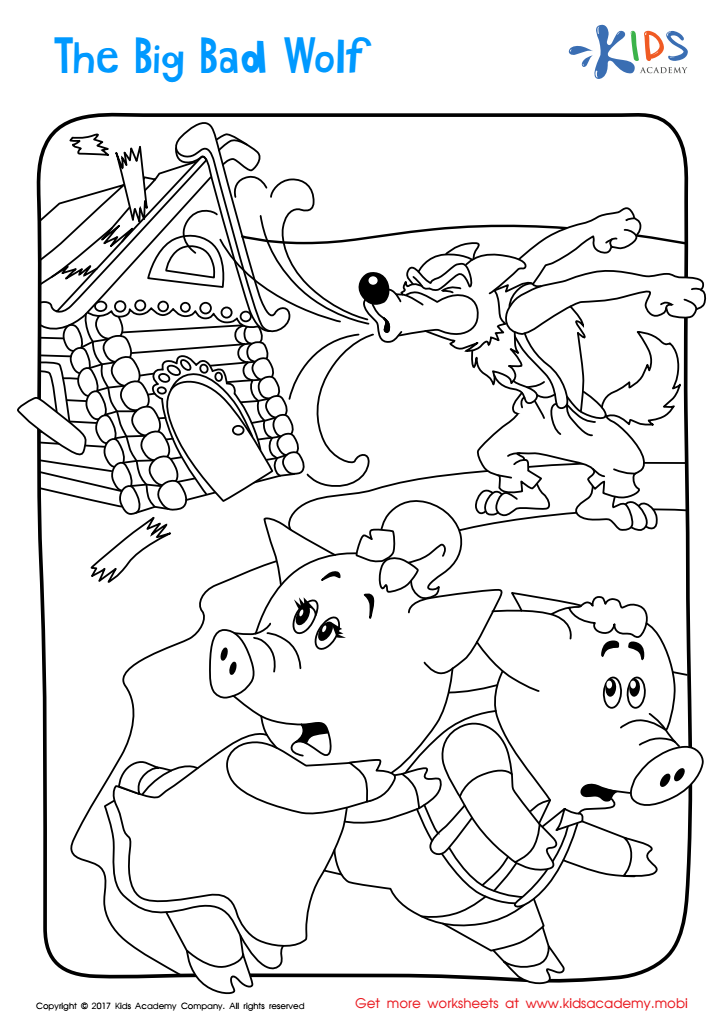
Big Bad Wolf Printable Coloring Page
Let your child have fun coloring the Big Bad Wolf blowing down the little pig's house! This printable coloring page introduces the classic tale, helping to develop reading comprehension skills.
Download (PDF)
Assign to My Students
Assign to My Students
Big Bad Wolf Printable Coloring Page
Worksheet
Join Kids Academy for Free
Who is primarily going to use this learning content?






Color recognition is a fundamental skill that extends beyond simply naming hues; it plays a pivotal role in a child's overall development, particularly in Grade 2. For parents and teachers, understanding the significance of this skill can be invaluable. First, color recognition helps enhance a child's observational skills, promoting cognitive development as they learn to differentiate and categorize their environment. This foundational skill ties into broader educational concepts, aiding in the understanding of art, science, math, and language.
Moreover, colors are often used in educational resources, and children who can quickly and accurately recognize colors are better equipped to engage with charts, graphs, and even reading material. In terms of social development, mastery of color recognition can foster collaboration among peers during art-related projects, enhancing communication skills.
Additionally, challenges involving color recognition can help build problem-solving abilities and critical thinking as children learn to grasp concepts such as patterns and sorting. By engaging in color-specific activities, children also develop fine motor skills.
Ultimately, a strong grasp of color recognition enriches a child's learning experience, making it essential for educators and parents to prioritize and cultivate this skill during early education, especially in Grade 2.