Letter recognition Extra Challenge Grade 2 Worksheets
7 filtered results
-
From - To
Introducing our "Letter Recognition Extra Challenge Grade 2 Worksheets" – designed to boost second graders' letter identification skills through engaging and challenging activities. These worksheets are perfect for young learners ready to advance their knowledge of the alphabet. Students will practice recognizing both uppercase and lowercase letters, enhancing their literacy and firing up their curiosity for learning. Our expertly-crafted worksheets combine fun exercises with a structured approach, ensuring students grasp and retain essential skills. Ideal for in-class use or additional practice at home. Give your second grader the extra challenge they need to excel in their reading journey. Explore today!
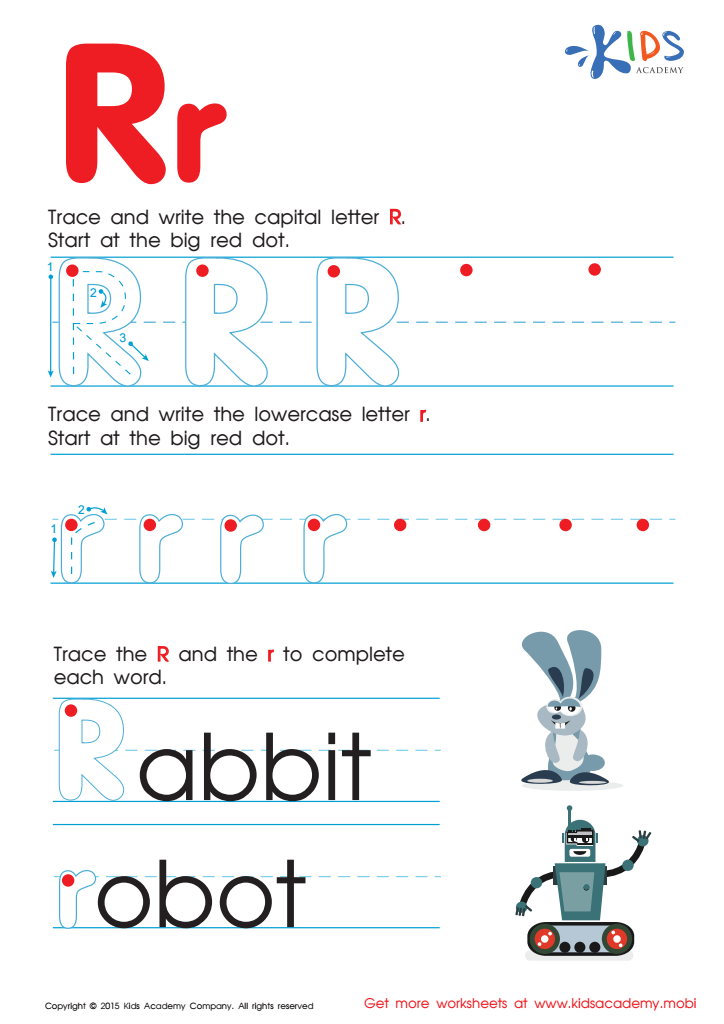
Letter R Tracing Page
 Assign to My Students
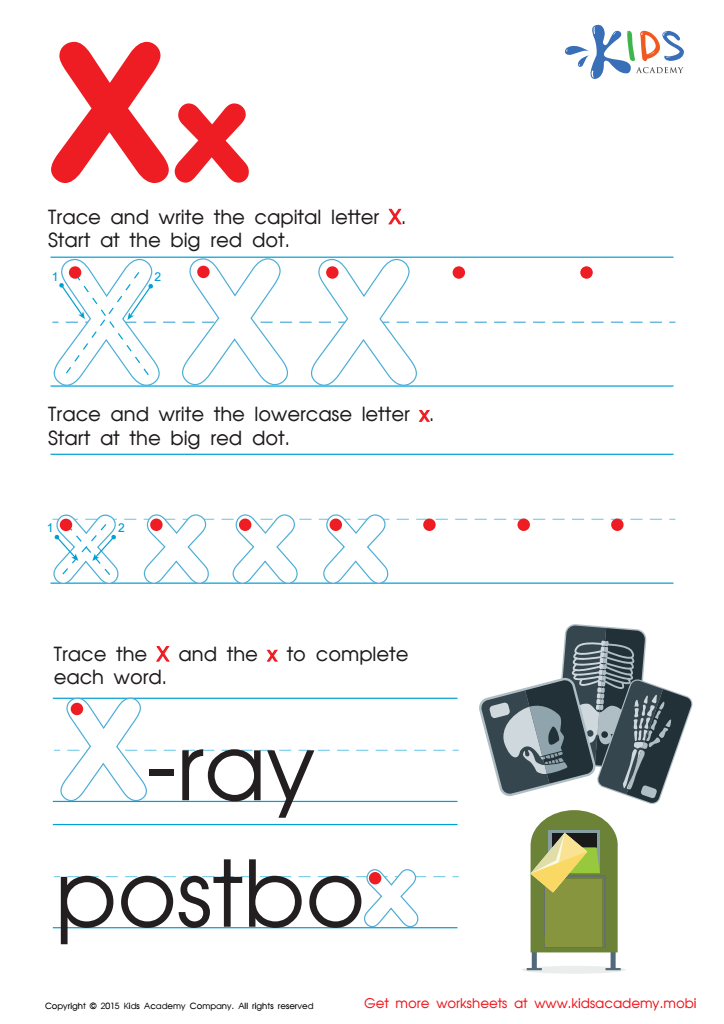
Letter X Tracing Page
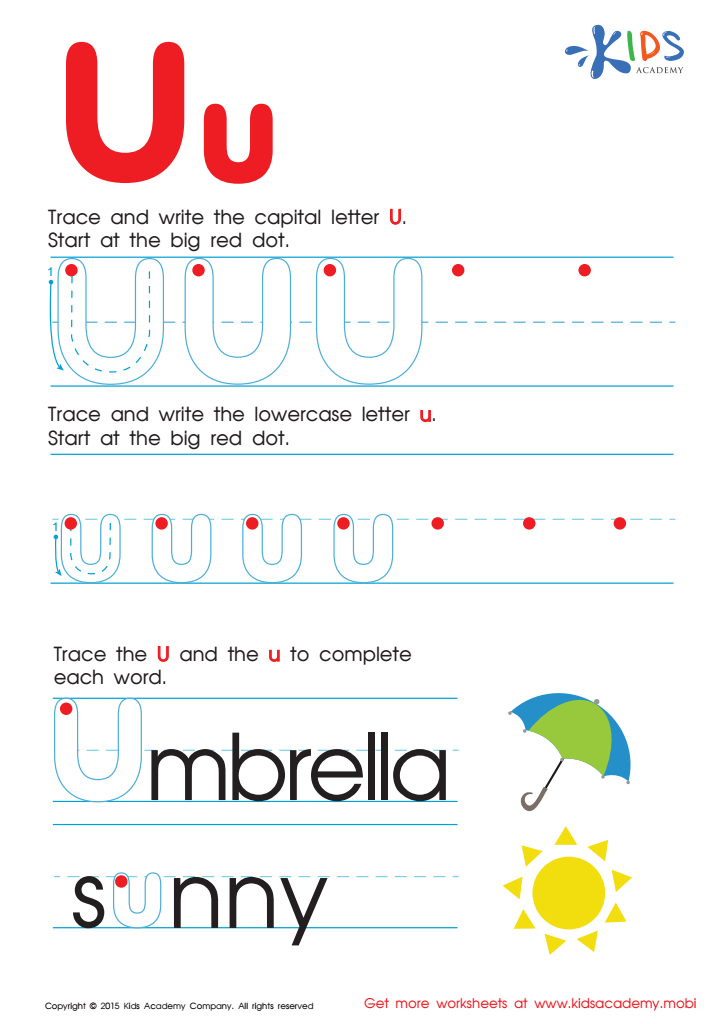
Letter U Tracing Page
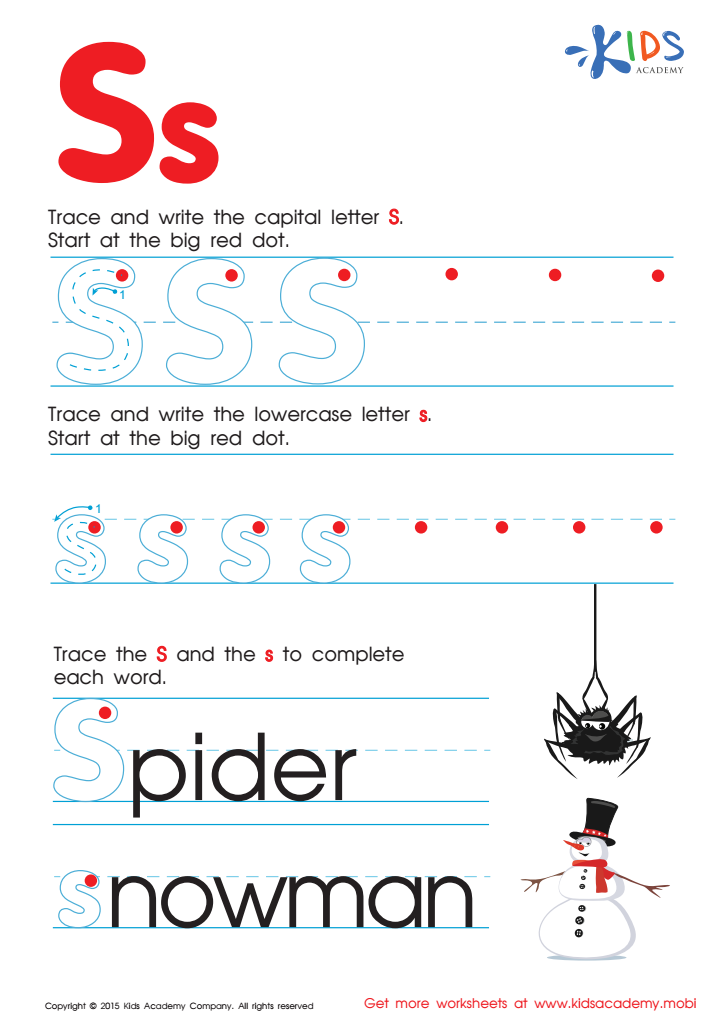
Letter S Tracing Page
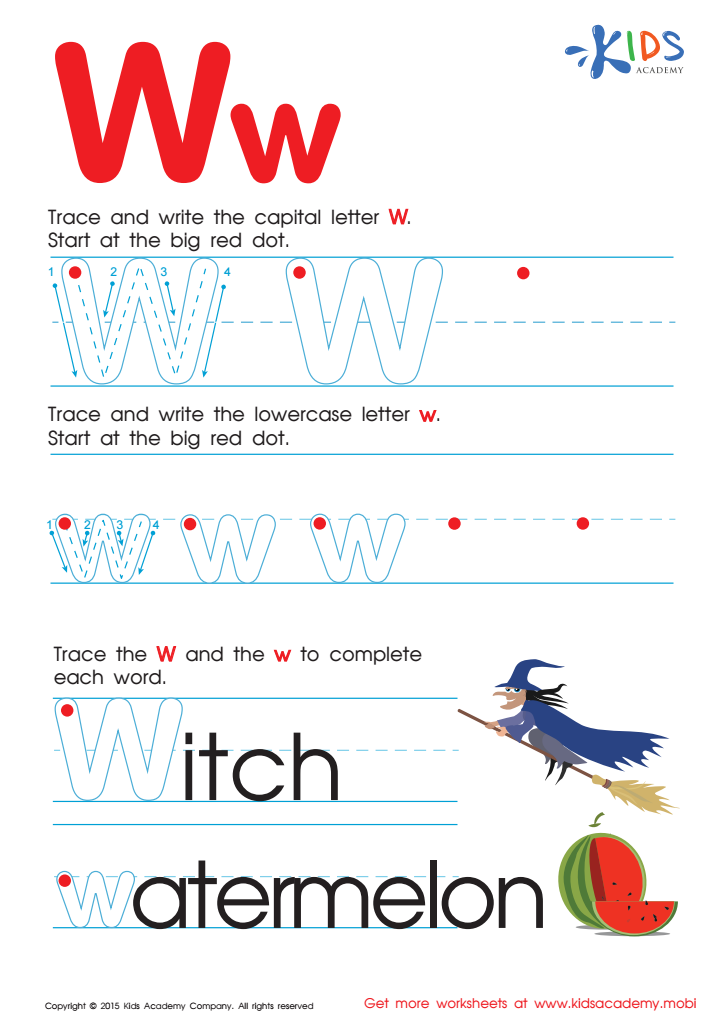
Letter W Tracing Page
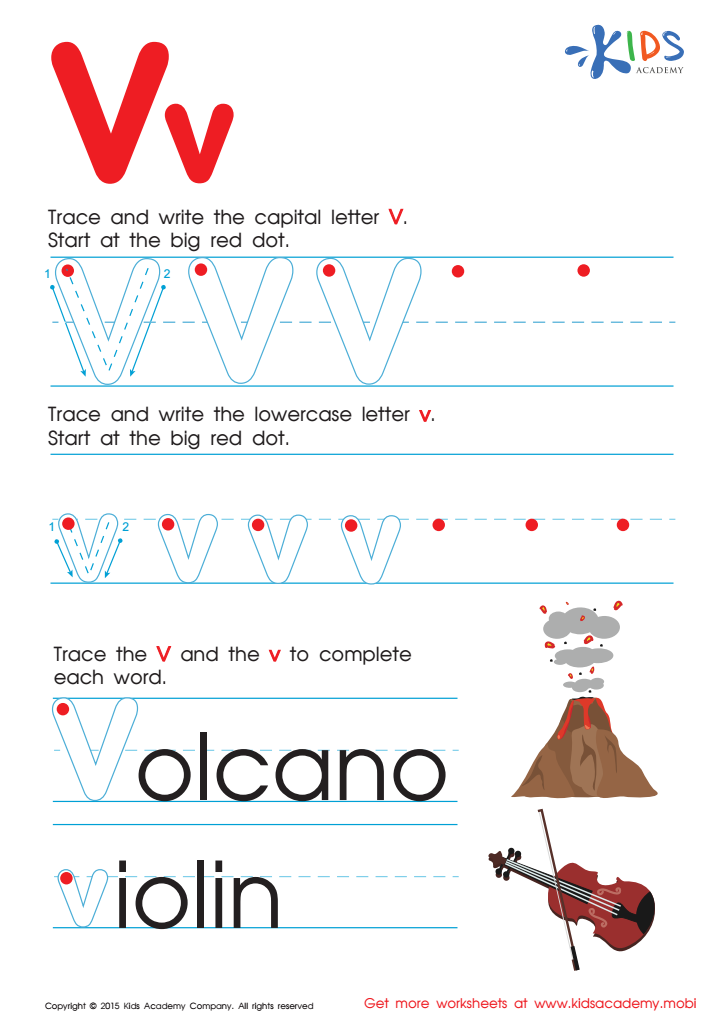
Letter V Tracing Page
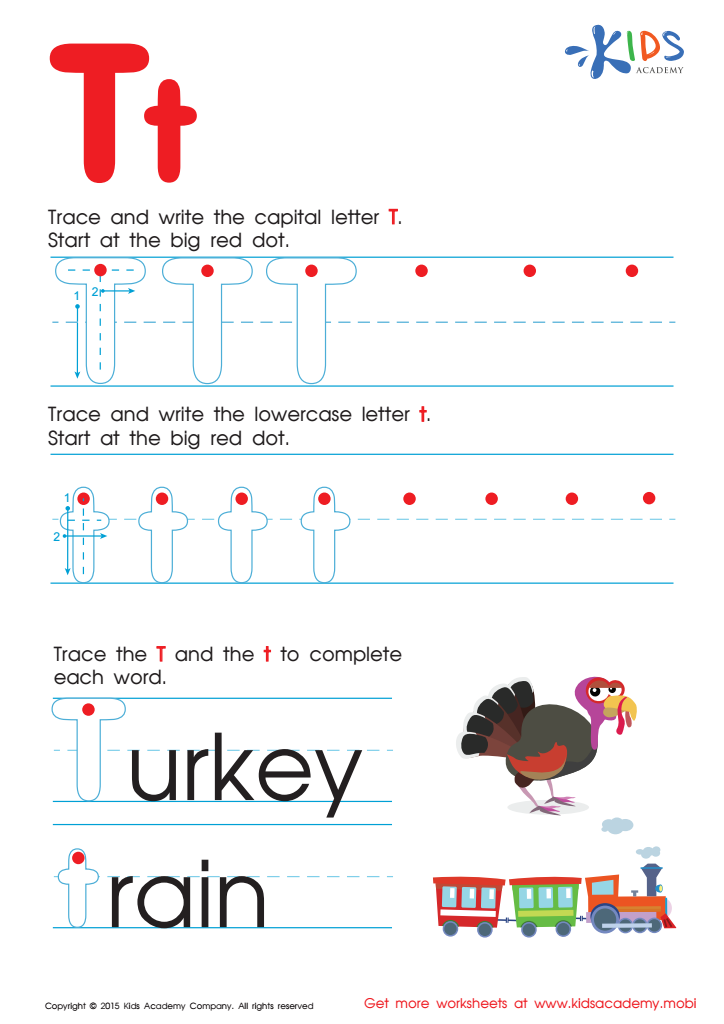
Letter T Tracing Page







Letter recognition is a fundamental skill for children, especially in the early grades like Grade 2. Parents and teachers should place high importance on this skill because it forms the foundation of reading and writing. Recognizing both uppercase and lowercase letters quickly and accurately enables children to decode words and sentences more efficiently. This proficiency is a gateway to developing fluid reading skills, which are crucial for comprehension and academic success.
An extra challenge in letter recognition for Grade 2 can significantly benefit children. At this stage, many students are ready to move beyond basic recognition and can handle more complex tasks involving letters. These challenges can include identifying letters out of order, distinguishing between similar-looking letters like ‘b’ and ‘d,’ or recognizing letters in different fonts. Such activities not only reinforce their existing knowledge but also promote attention to detail and improve cognitive flexibility.
By incorporating these extra challenges, parents and teachers are ensuring that children do not just retain basic skills but move towards mastering them. This solid foundation not only enhances reading fluency but also boosts a child's confidence in reading and writing activities. In essence, caring about and investing effort into letter recognition challenges at this stage aids in nurturing proficient, self-assured readers.