Fine Motor Skills Extra Challenge Grade 3 English for Beginners Worksheets
9 filtered results
-
From - To
Enhance your Grade 3 English for Beginners with our "Fine Motor Skills Extra Challenge Worksheets"! Tailored for young learners, these engaging worksheets help develop essential fine motor skills while boosting English language proficiency. Each activity is designed to encourage precise hand-eye coordination and dexterity, making learning enjoyable and effective. From tracing letters to completing fun puzzles, students will refine their writing skills while expanding their vocabulary. Ideal for classroom use or homeschooling, these worksheets provide the perfect extra challenge for children eager to improve both their language abilities and fine motor skills. Unlock your child’s potential today with these fun educational resources!
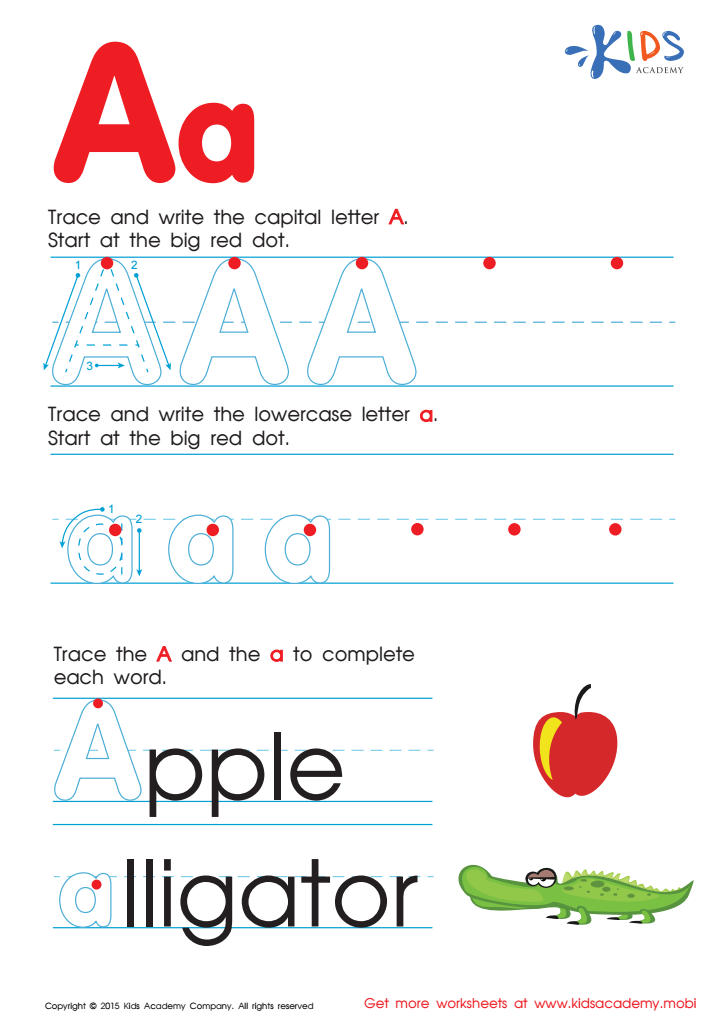
Letter A Tracing Page
 Assign to My Students
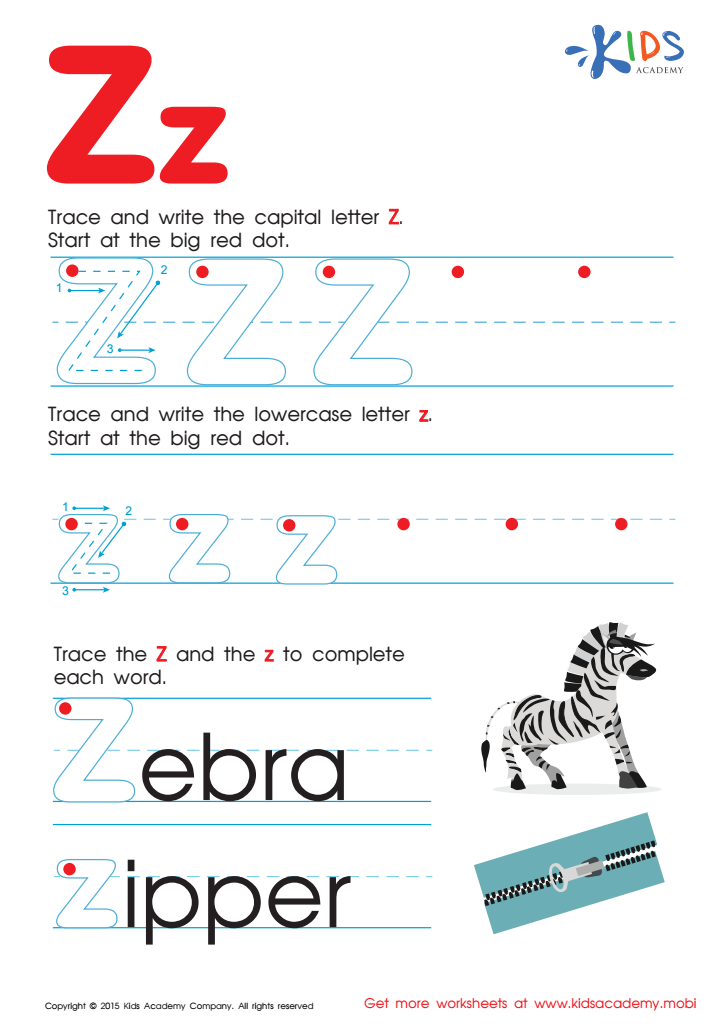
Letter Z Tracing Page
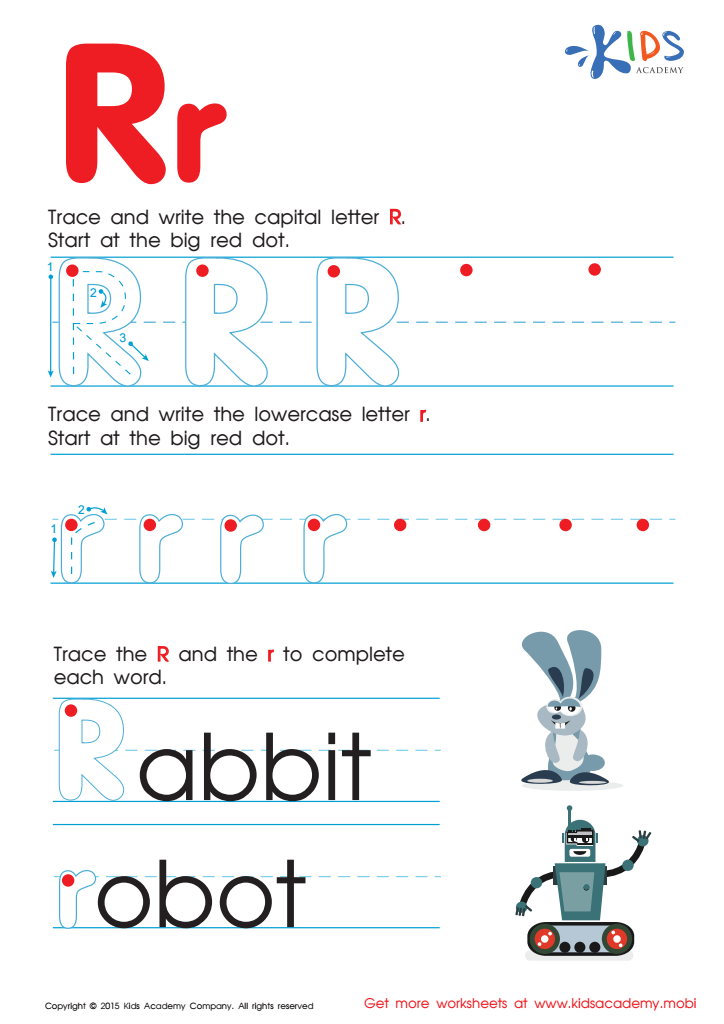
Letter R Tracing Page
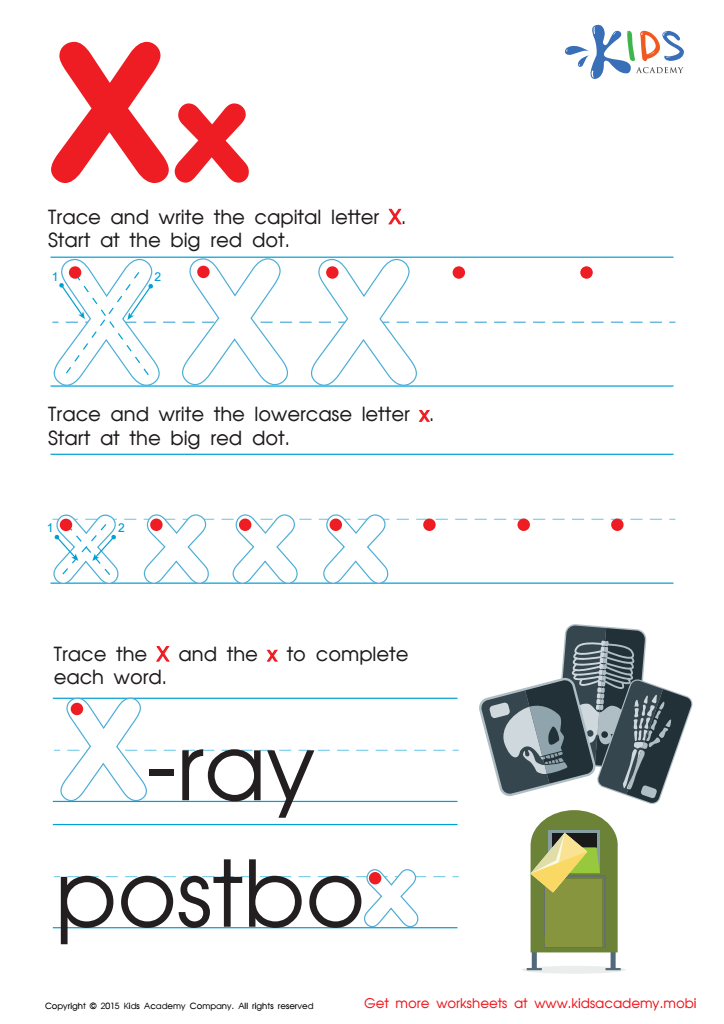
Letter X Tracing Page
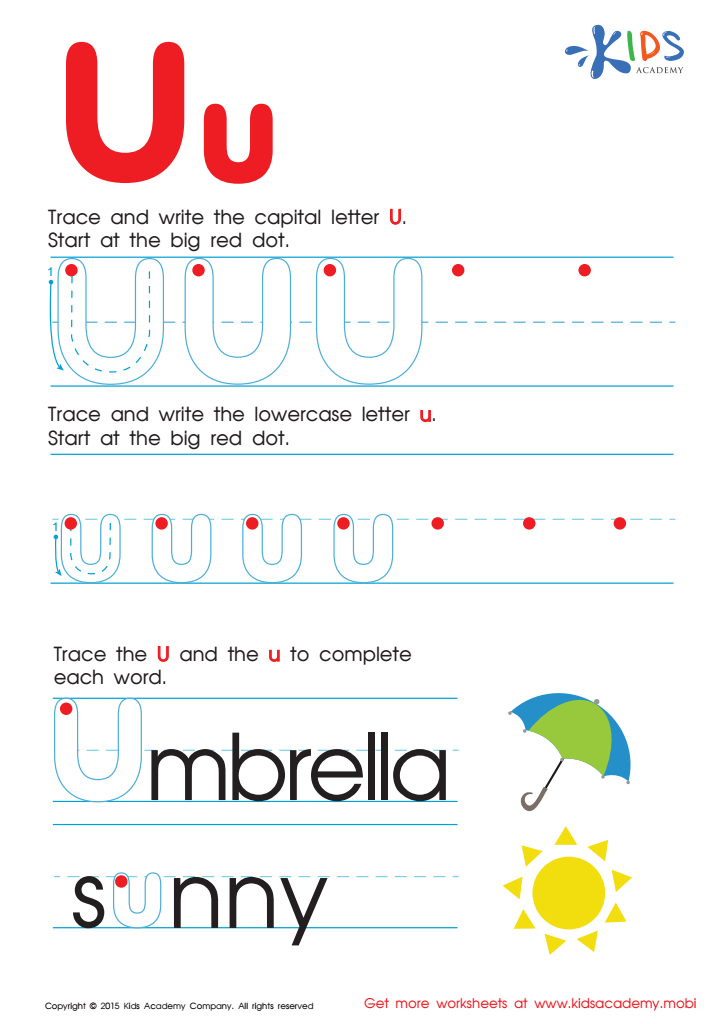
Letter U Tracing Page
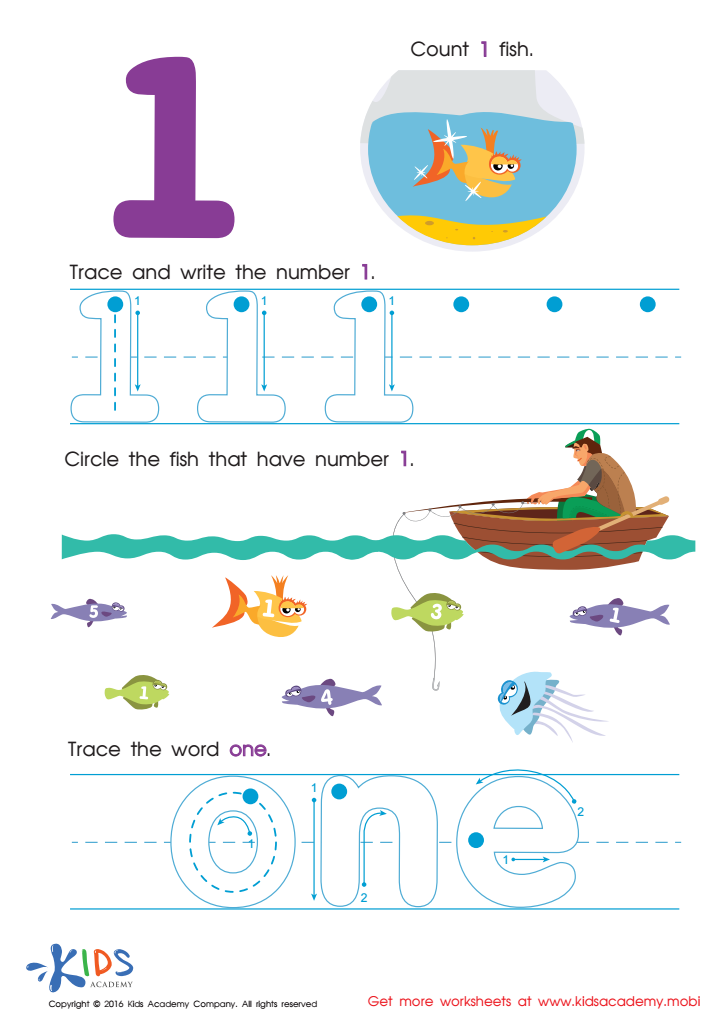
Learning to Write 1 Worksheet
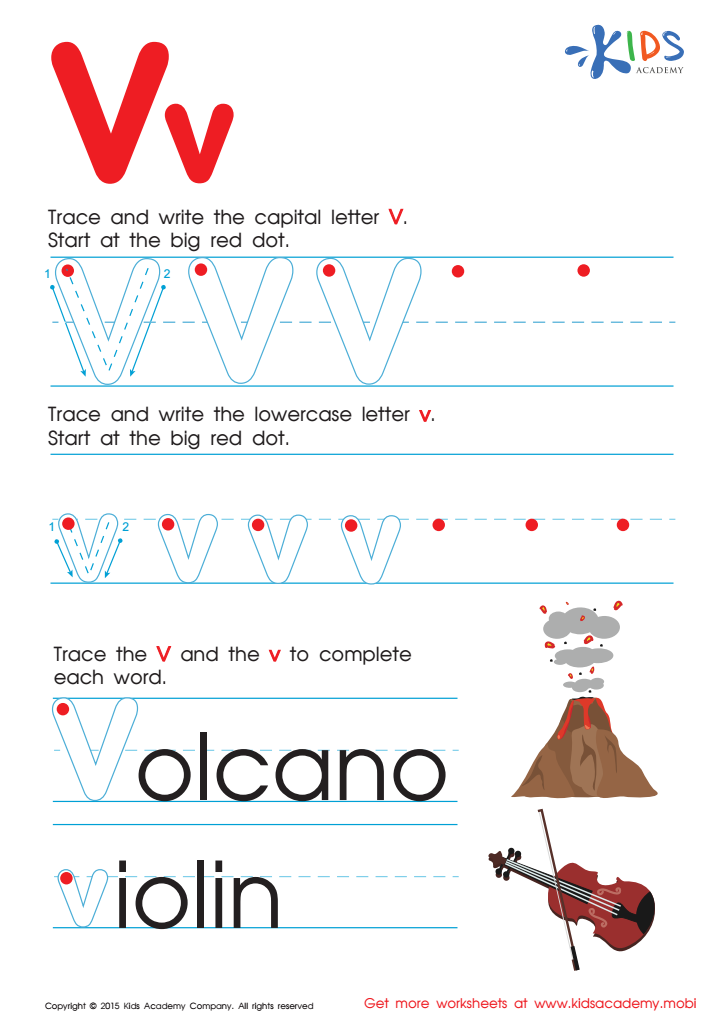
Letter V Tracing Page
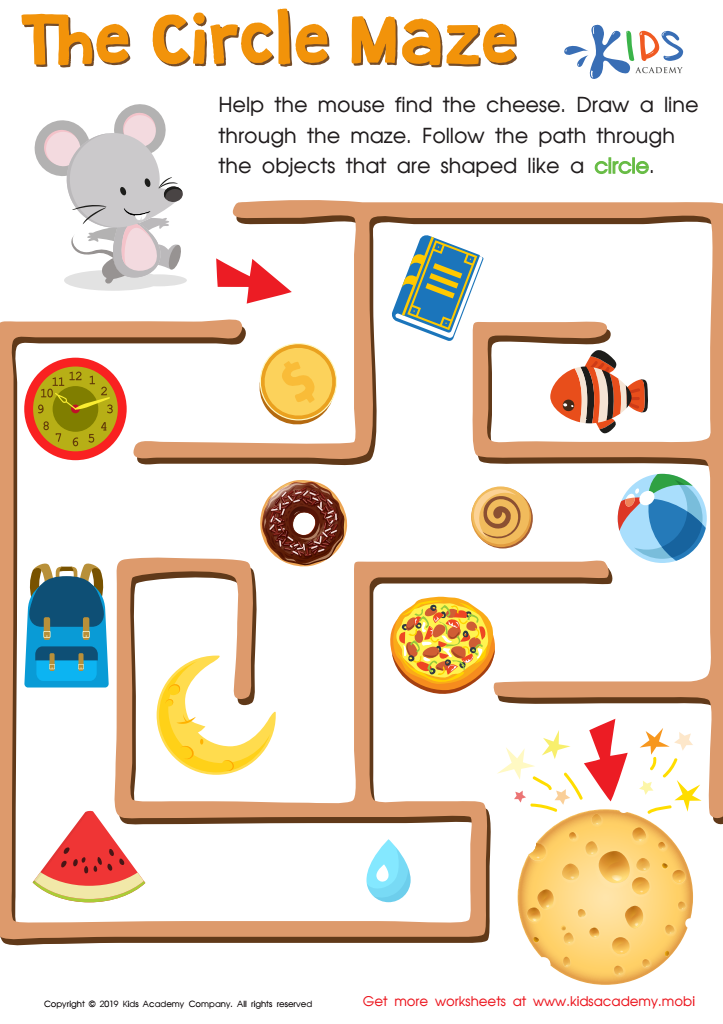
The Circle Maze Worksheet

Letter T Tracing Page


Fine motor skills are essential for children's overall development, playing a crucial role in their academic success and daily activities. For Grade 3 students, who are often transitioning to more complex writing tasks, these skills become increasingly important. Mastery of fine motor skills enables children to write neatly, use tools effectively, and complete tasks that require hand-eye coordination, such as cutting and gluing during arts and crafts.
In English language learning specifically, developing fine motor skills helps children with writing letters and forming words correctly, which aids their literacy progression. Tasks like handwriting and engaging with manipulatives to enhance vocabulary can alleviate frustrations that arise from motor difficulties.
Parents and teachers alike should prioritize activities that challenge and improve fine motor skills, such as drawing, writing, and using building blocks or beads. These activities not only support language development but also foster independence and confidence in children. Additionally, nurturing fine motor skills lays the groundwork for future academic endeavors, from STEM activities to everyday life skills. Therefore, incorporating fine motor skills challenges in Grade 3 English for beginners is a strategic approach to ensure comprehensive growth and readiness for future learning challenges.