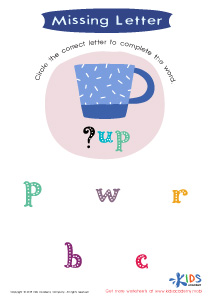
Vocabulary development Kindergarten Alphabet Worksheets
6 filtered results
-
From - To
Boost your child's vocabulary development with our engaging Kindergarten Alphabet Worksheets from Kid's Academy! Specially designed for young learners, these worksheets offer fun and interactive activities that help children recognize, trace, and write letters, all while building essential vocabulary skills. Each colorful worksheet combines phonics practice with delightful images, ensuring that learning the alphabet becomes an enjoyable and educational experience. Perfect for both classroom settings and at-home practice, these resources support early literacy and pave the way for academic success. Explore our collection today and give your child a head start in reading and language development!
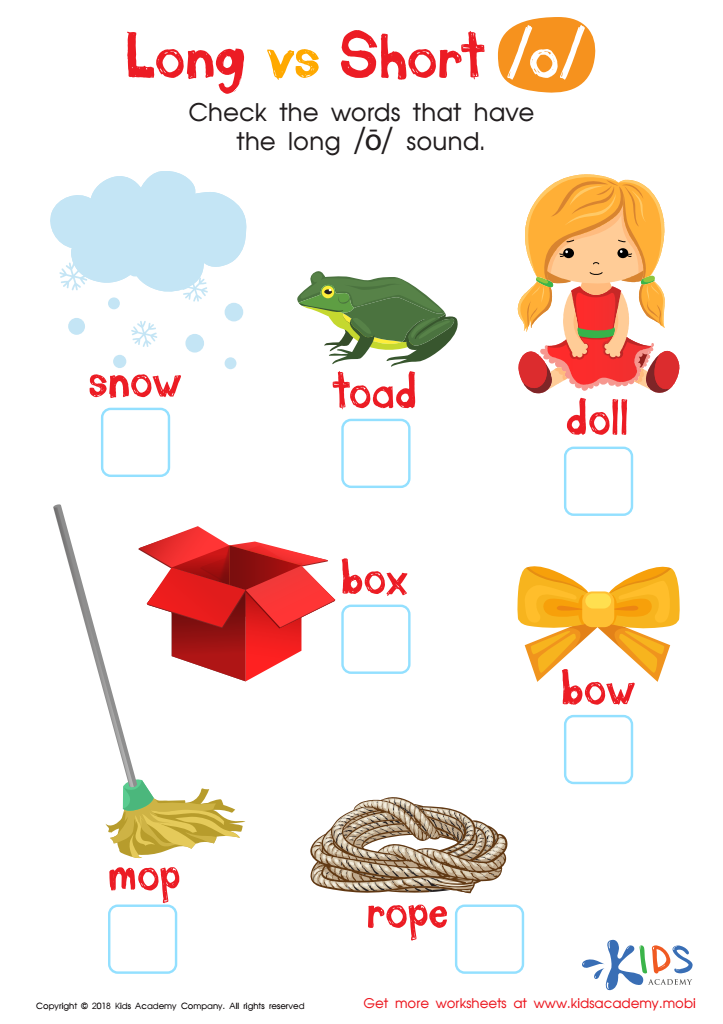
Long vs Short O Reading Worksheet
 Assign to My Students
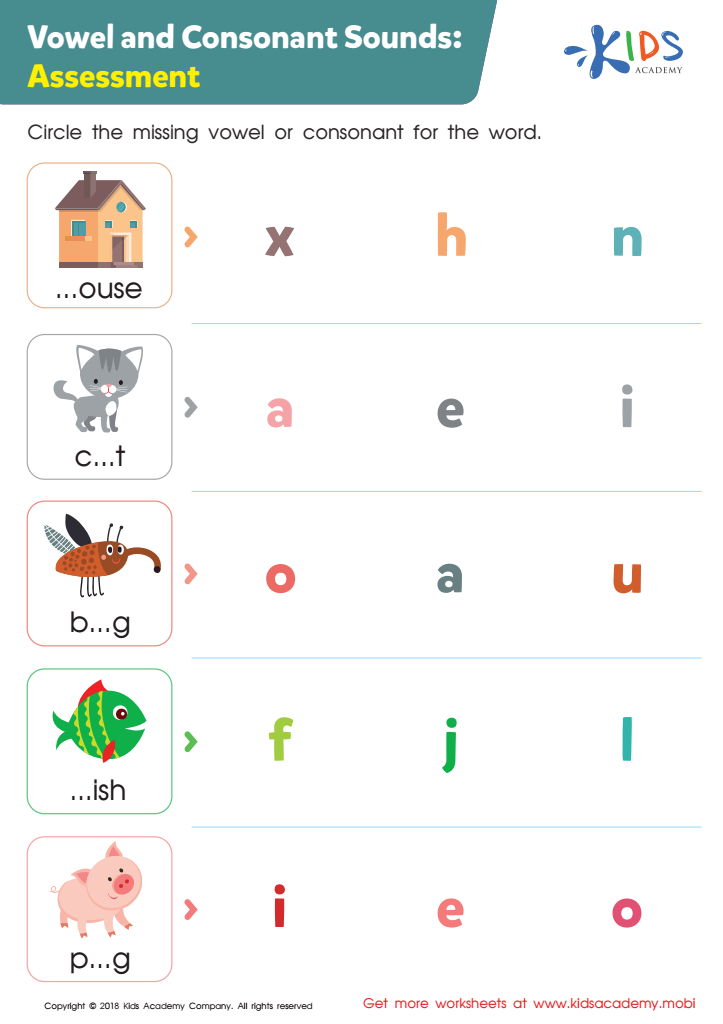
Vowel and Consonant Sounds: Assessment Worksheet
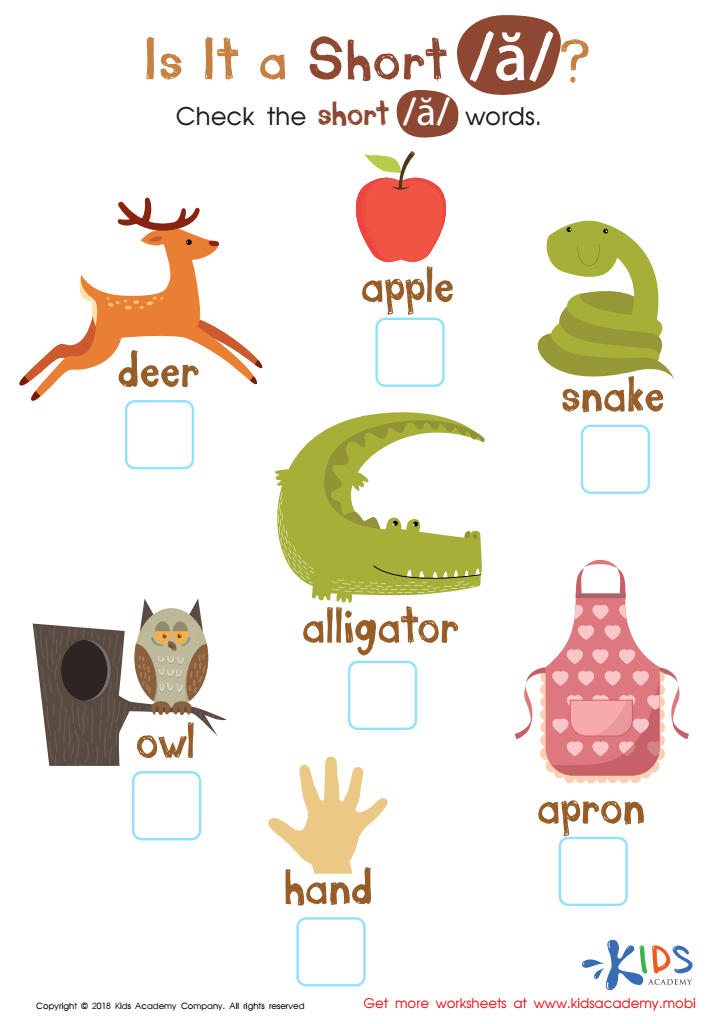
Is It Short A? Reading Worksheet
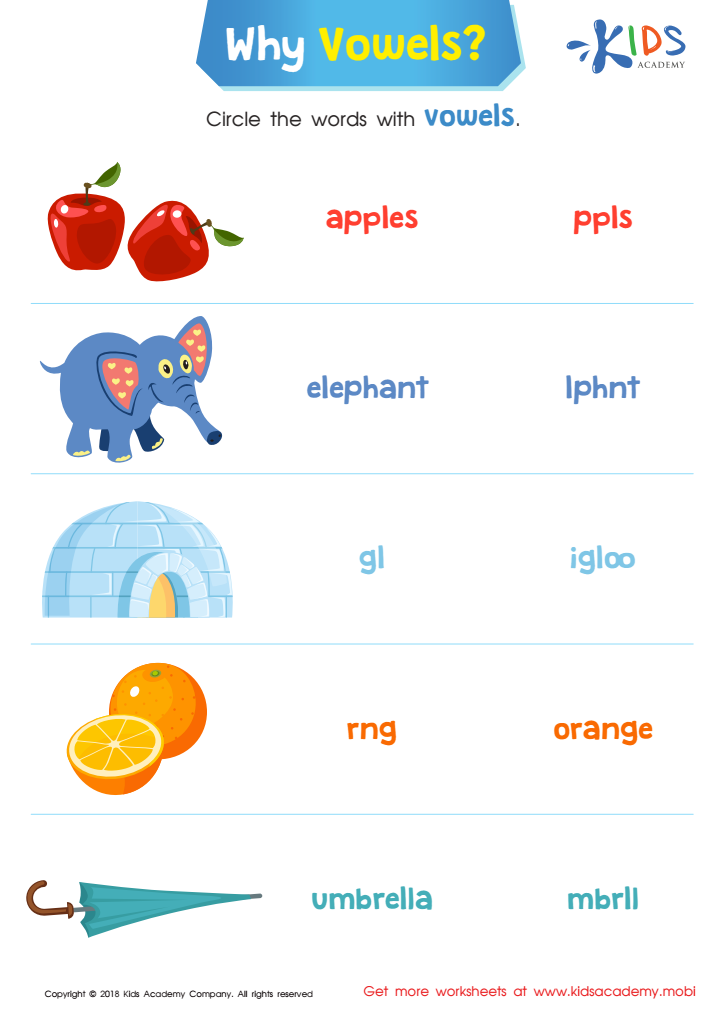
Why Vowels? Reading Worksheet
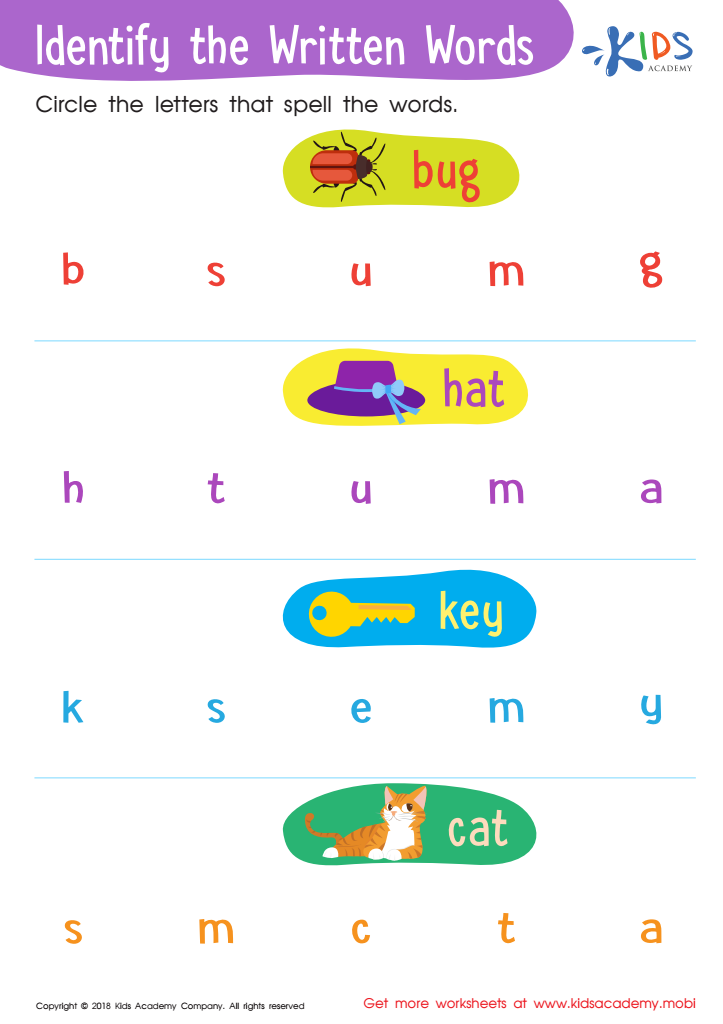
Identify the Written Words Worksheet
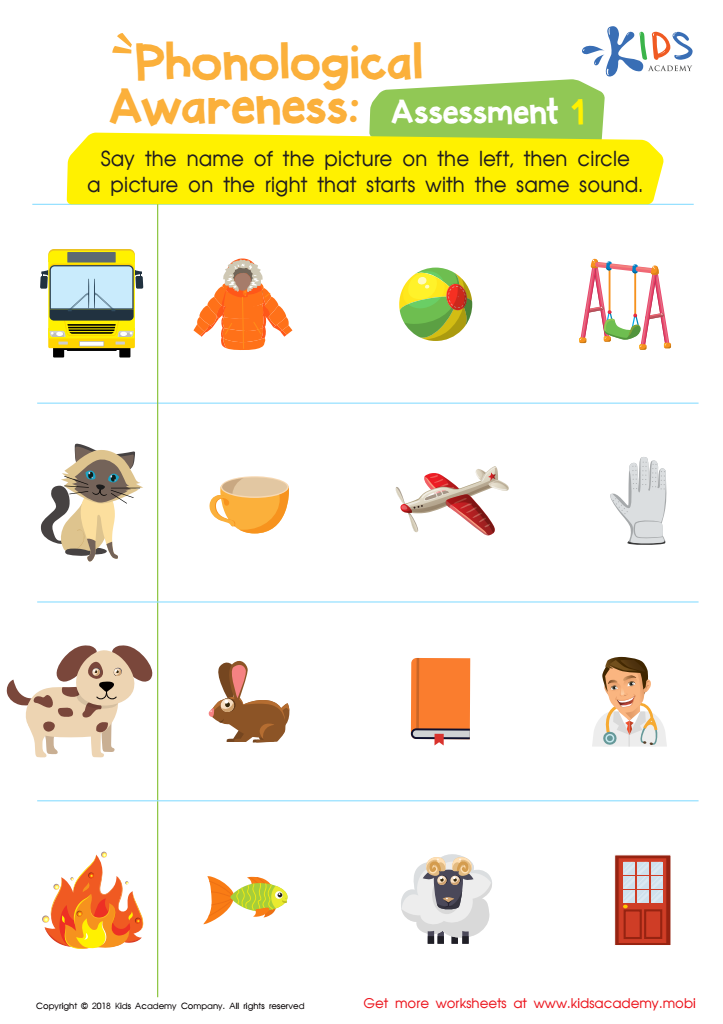
Phonological Awareness: Assessment 1 Worksheet








Parents and teachers should prioritize vocabulary development and Alphabet learning in kindergarten because these foundational skills are crucial for literacy and overall academic success.
Firstly, a strong vocabulary is essential for effective communication. When children understand and use a wide range of words, they can express themselves clearly and understand others better, boosting their social and emotional development.
Secondly, vocabulary and alphabet knowledge are critical components of early reading skills. Recognizing letters and their associated sounds is the first step towards decoding words, a primary literacy skill. As children read, they encounter new words, continually expanding their vocabulary, which supports reading comprehension and fosters a love for reading—a vital skill across all areas of learning.
Moreover, early vocabulary development is linked to later academic achievement. Studies have shown that children who enter school with a broad vocabulary tend to perform better academically in subsequent years. This is because they are better equipped to understand and engage with the curriculum.
Importantly, the kindergarten years are a pivotal time for brain development. Providing rich language experiences during this period sets a strong foundation for future learning. Engaging children in conversations, reading aloud to them, and encouraging word play and alphabet activities can greatly enhance their lexical skills and foster a lifelong interest in learning.