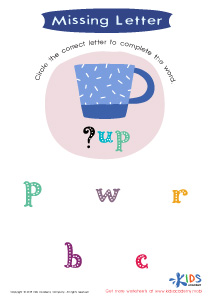
Word Recognition Kindergarten Alphabet Worksheets
9 filtered results
-
From - To
Welcome to our Word Recognition Kindergarten Alphabet Worksheets page! Designed for early learners, these engaging worksheets aid in developing essential literacy skills through fun and interactive activities. Each worksheet helps kindergarteners recognize letters and words, improving their vocabulary and reading comprehension. Featuring colorful illustrations and beginner-friendly exercises, our resources make learning enjoyable and effective. Parents and teachers will find a variety of worksheets that cater to different learning styles, ensuring a solid foundation in reading. Explore our collection and support your child's journey to becoming a confident reader today! Start building fundamental literacy skills with our exciting alphabet activities!
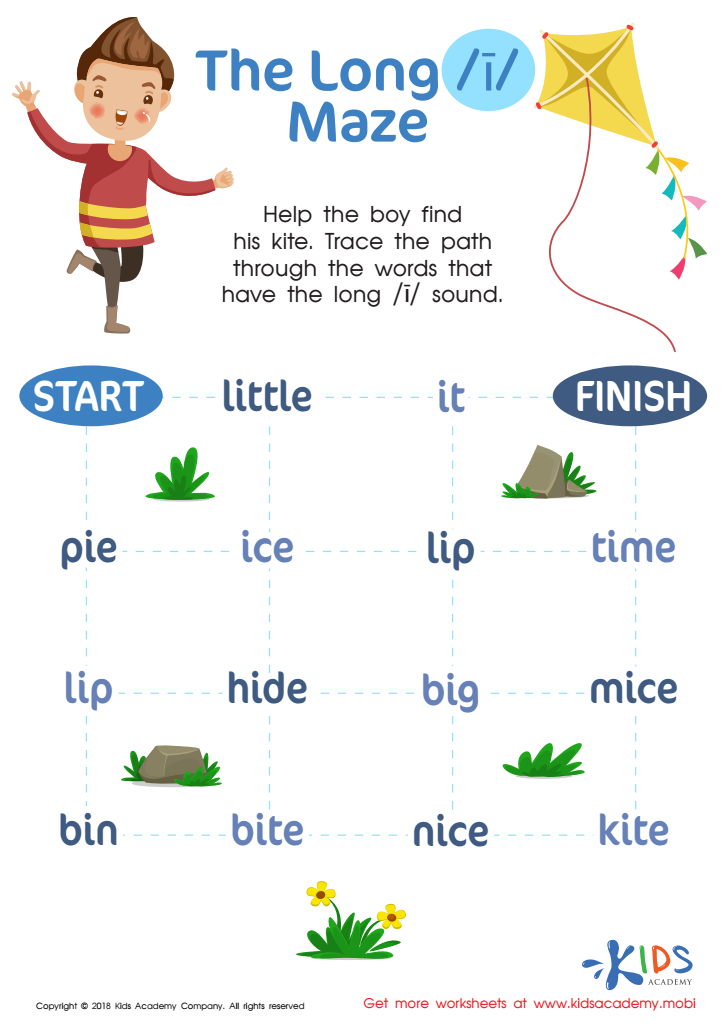
The Long I Maze Reading Worksheet
 Assign to My Students
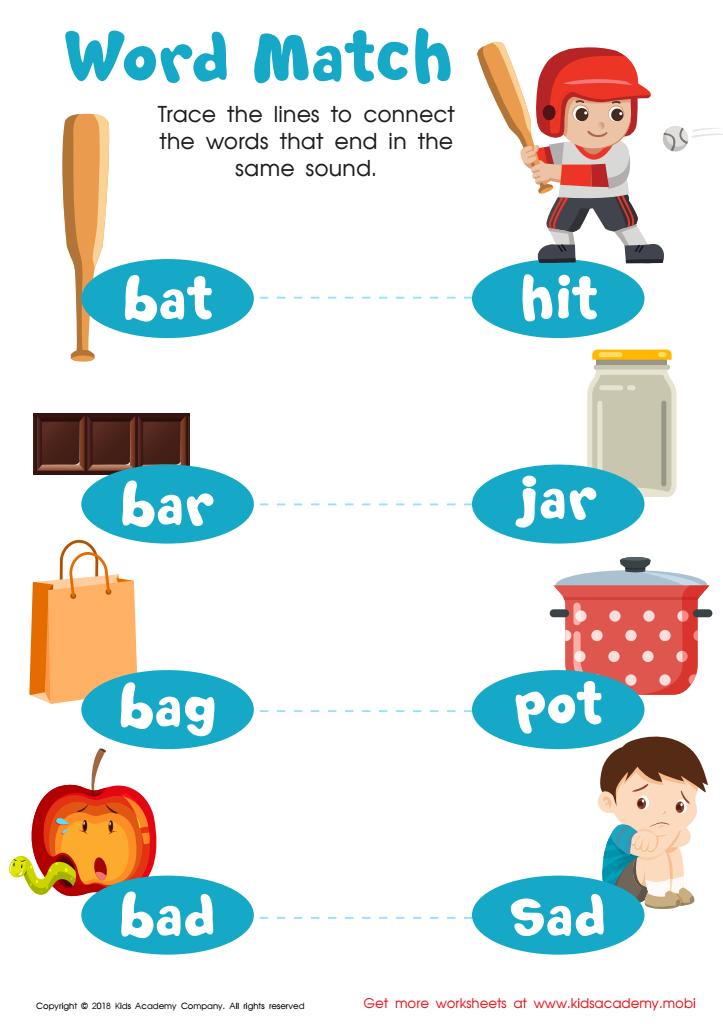
Word Match Reading Worksheet
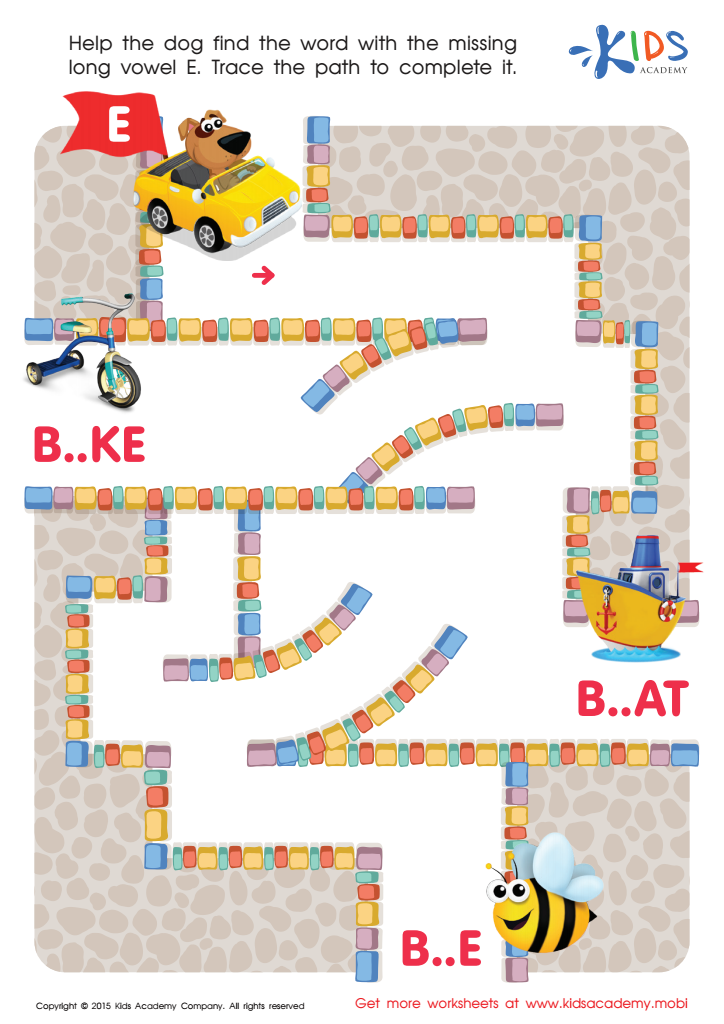
Long Vowel Sound E Worksheet
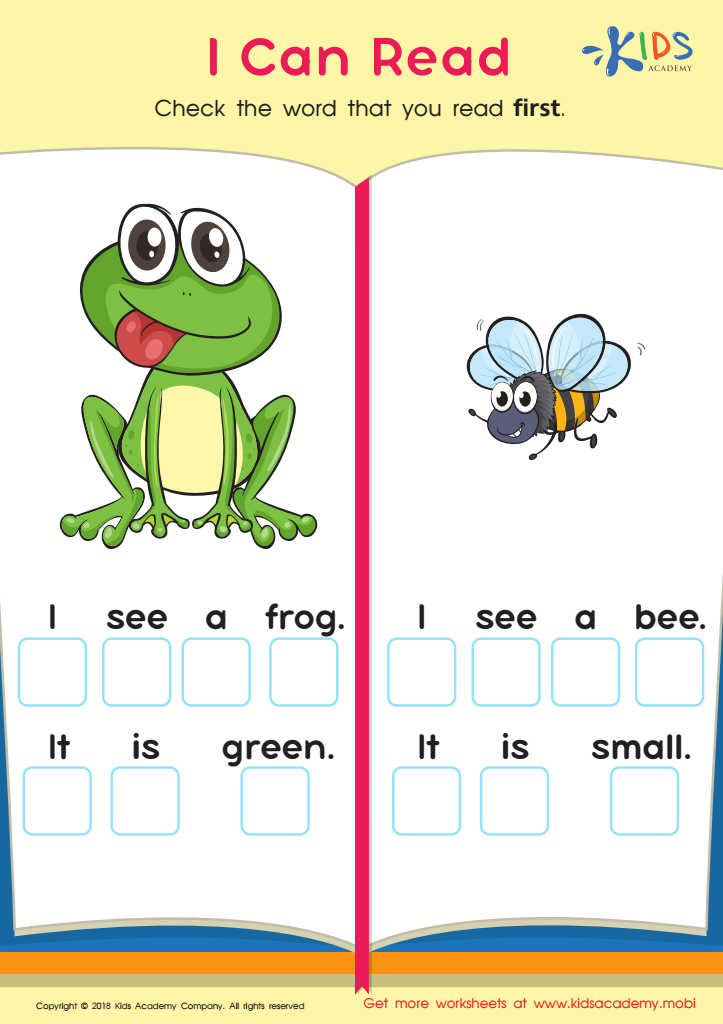
I Can Read Worksheet
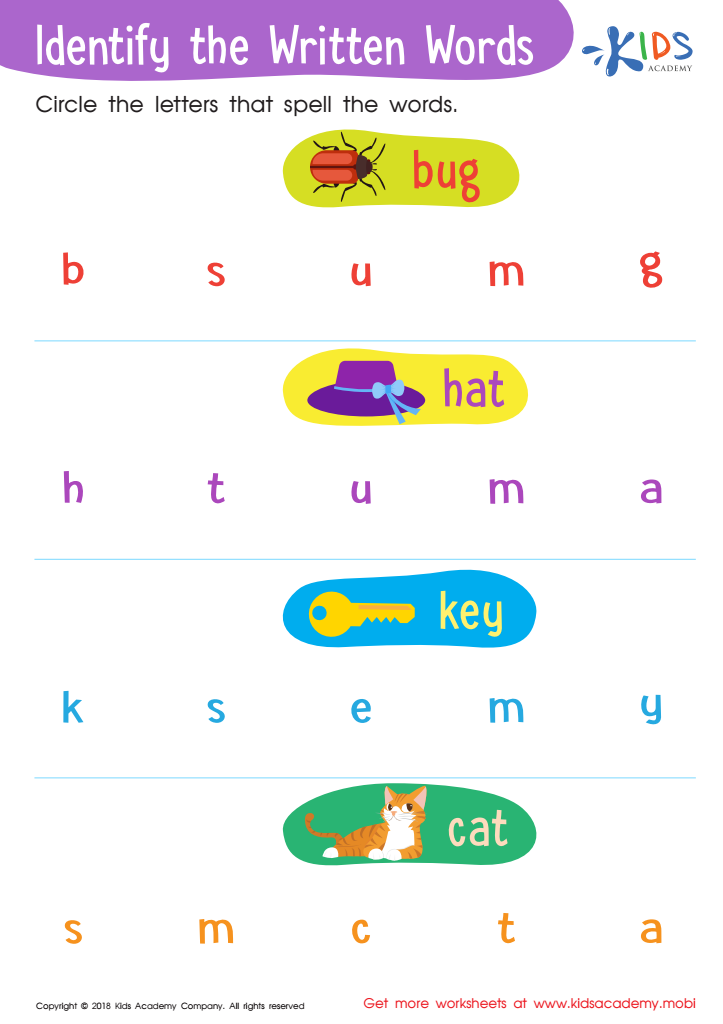
Identify the Written Words Worksheet
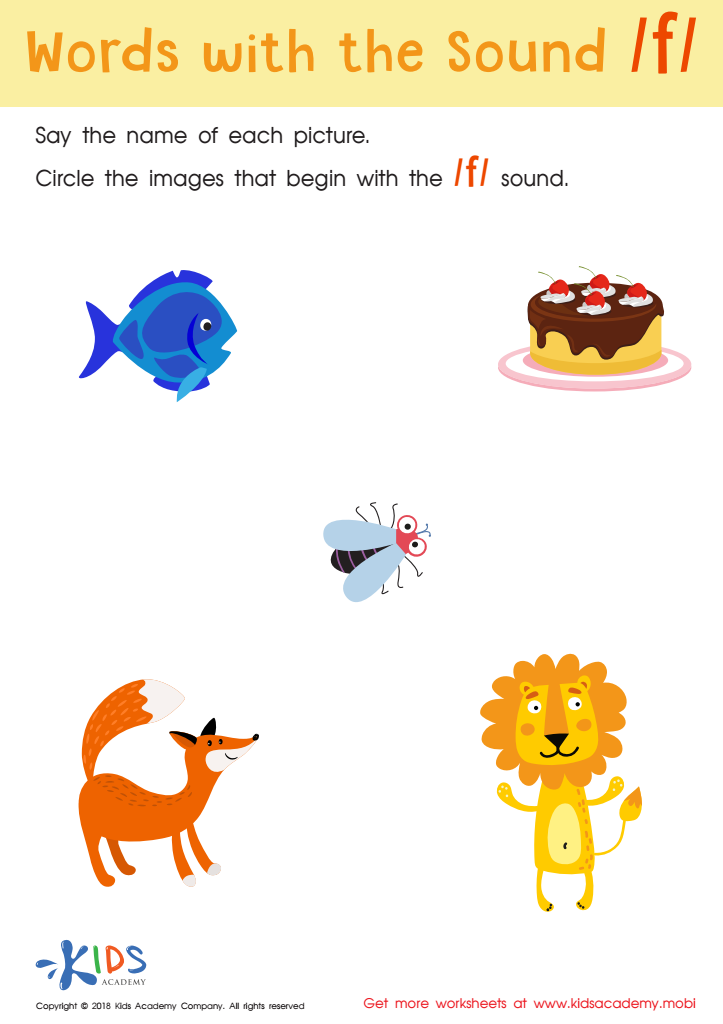
Words with sound f Reading Worksheet
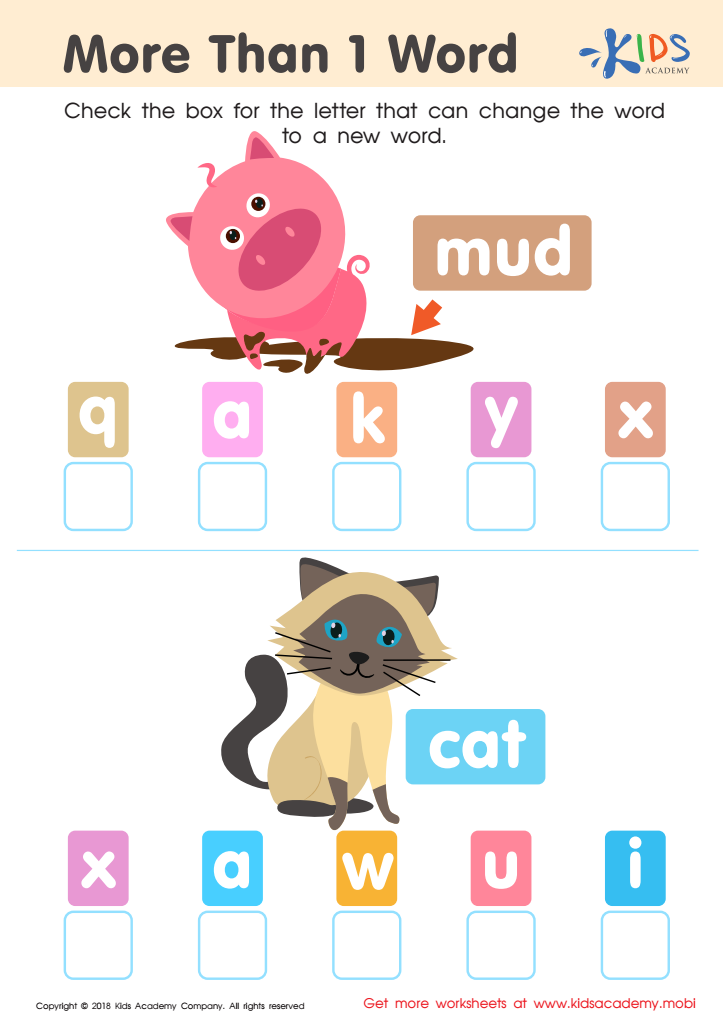
More than 1 word Worksheet
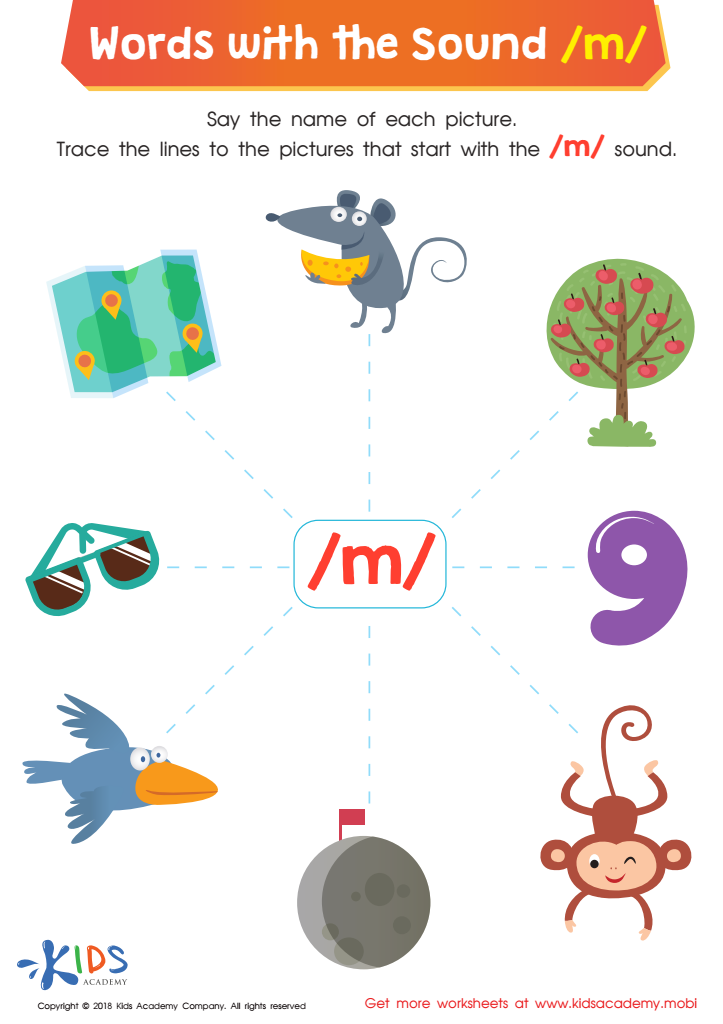
Words with Sound M Reading Worksheet
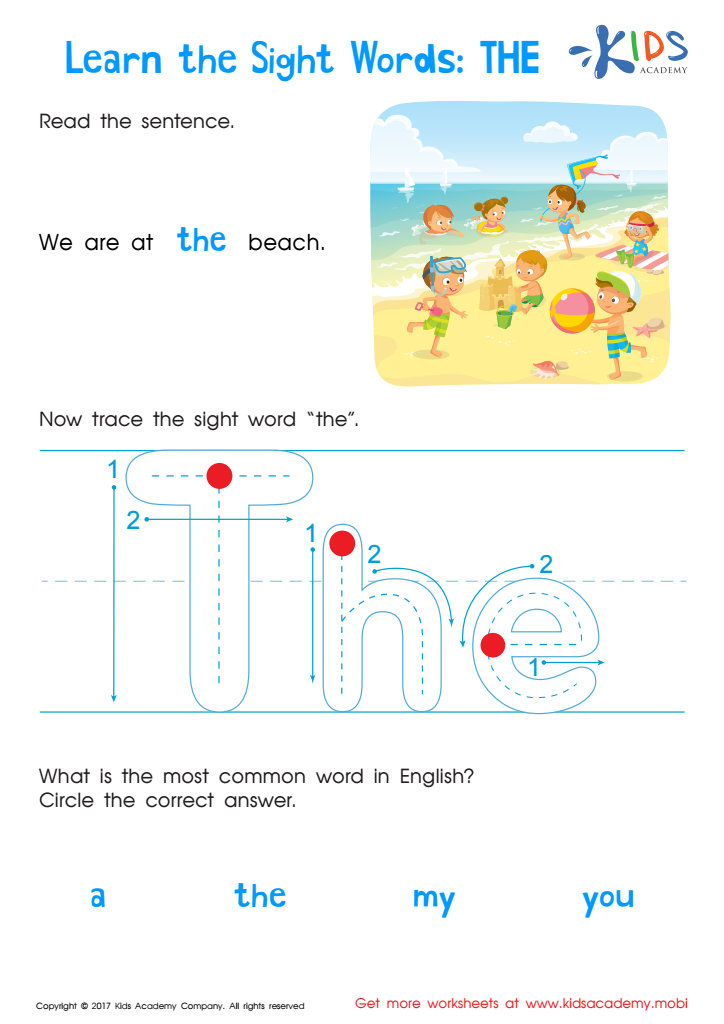
Sight Words: The Worksheet







Word recognition in kindergarten is a foundational skill critical to a child's literacy development. Understanding the alphabet and recognizing words is essential for effective communication and comprehension throughout a child's academic journey. When parents and teachers prioritize alphabet recognition, they enable children to decode unfamiliar words, which fosters confidence and a love for reading.
Letter recognition lays the groundwork for phonemic awareness—the ability to hear and manipulate sounds—which is crucial for successful reading and writing. Helping children recognize letters and their corresponding sounds allows them to connect spoken language to print, enhancing their ability to sound out words independently.
Moreover, early word recognition supports vocabulary expansion, as exposed children are more likely to use new words in their speech and writing. Parents and teachers can enhance this learning through interactive activities, such as reading together or playing alphabet games, making literacy a fun and engaging experience.
Finally, fostering word recognition early on contributes to closing achievement gaps. Children who master these skills in kindergarten are better prepared for future academic success, leading to positive self-esteem and lifelong learning habits. Thus, prioritizing and supporting the recognition of the alphabet is an investment in children’s educational futures.