Fine Motor Skills Kindergarten Letter Recognition Worksheets
62 filtered results
-
From - To
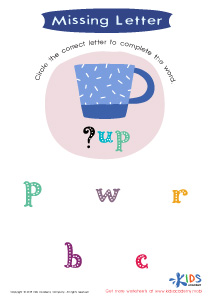
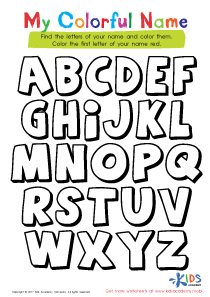
Nurture your child's early literacy journey with our "Fine Motor Skills Kindergarten Letter Recognition Worksheets." These printable resources are expertly designed to blend foundational alphabet recognition with engaging fine motor skill activities. Each worksheet offers fun, interactive tasks such as tracing, matching, and drawing, providing a hands-on approach to learning letters. These activities not only reinforce letter knowledge but also enhance hand-eye coordination and dexterity. Perfect for both classroom and home use, our worksheets make mastering the ABCs an enjoyable and productive experience for your kindergartener. Start building strong literacy skills and fine motor expertise today!
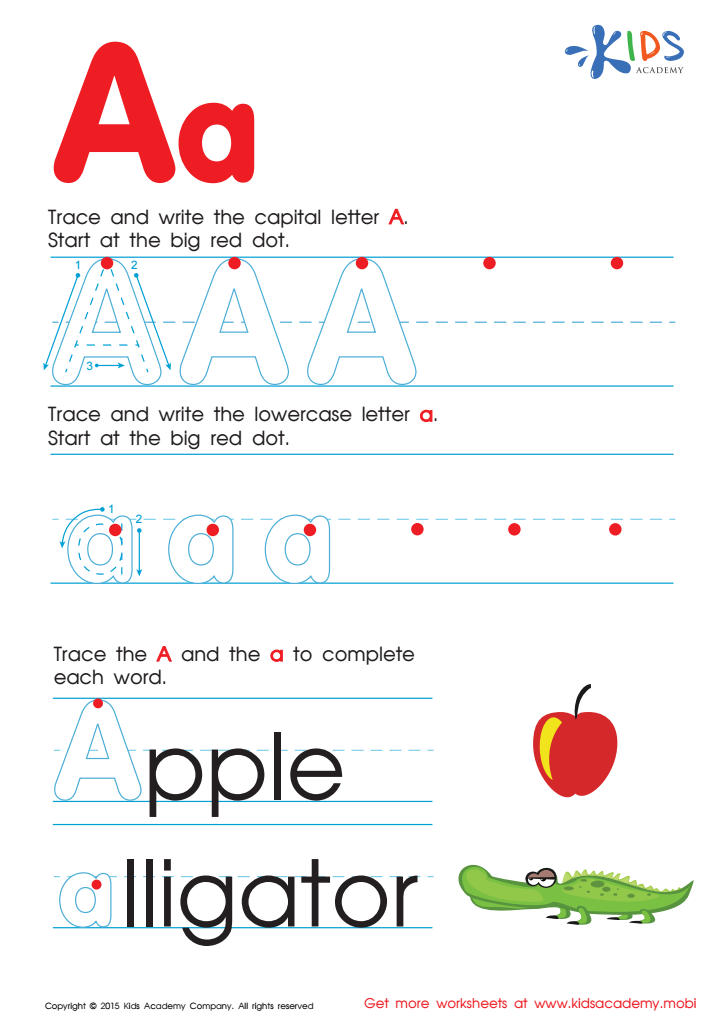
Letter A Tracing Page
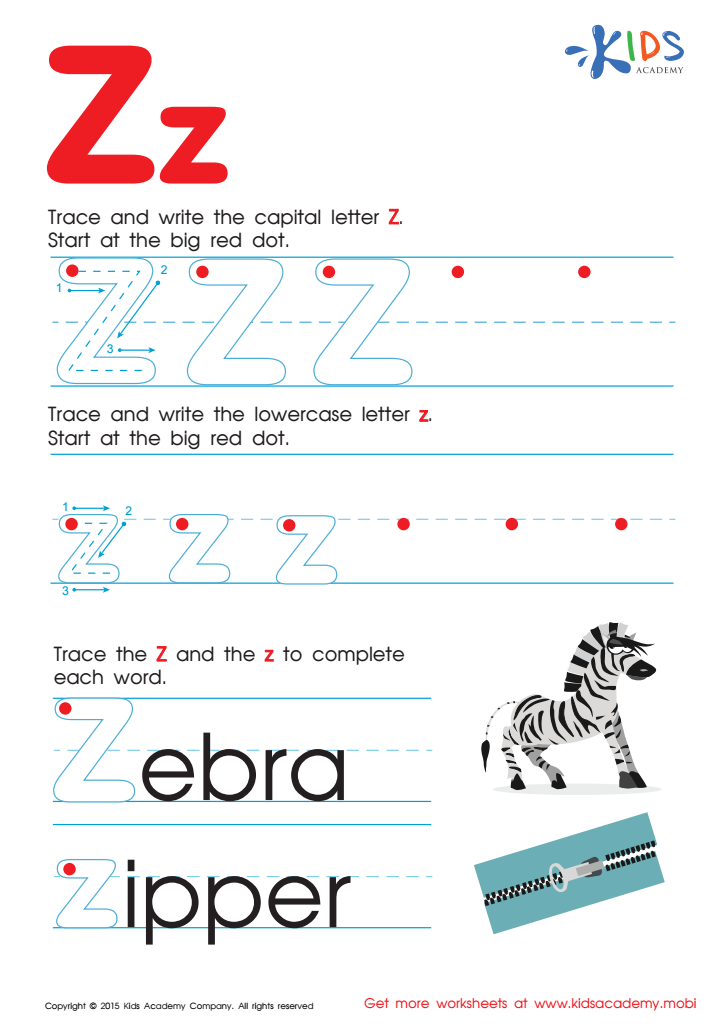
Letter Z Tracing Page
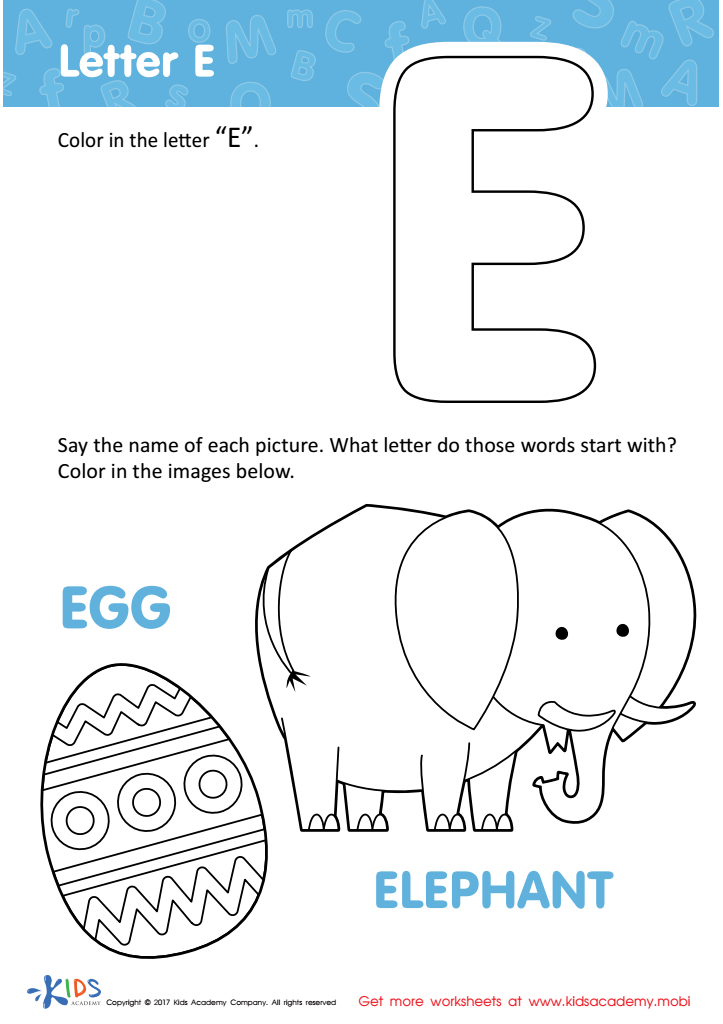
Letter E Coloring Sheet
 Assign to My Students
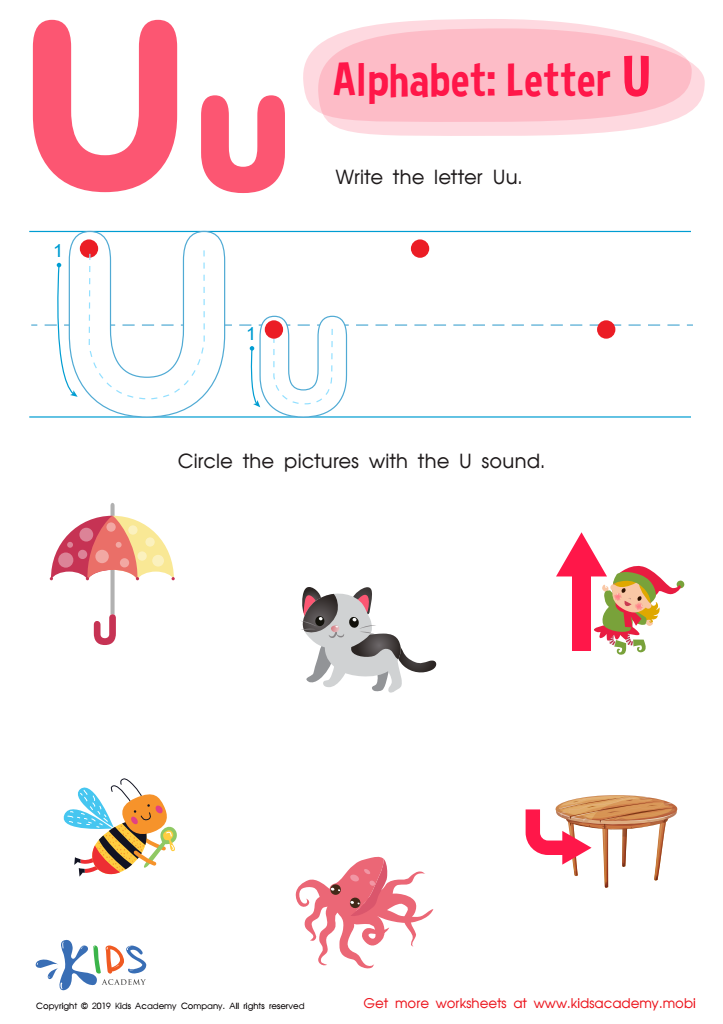
Letter U Tracing Worksheet
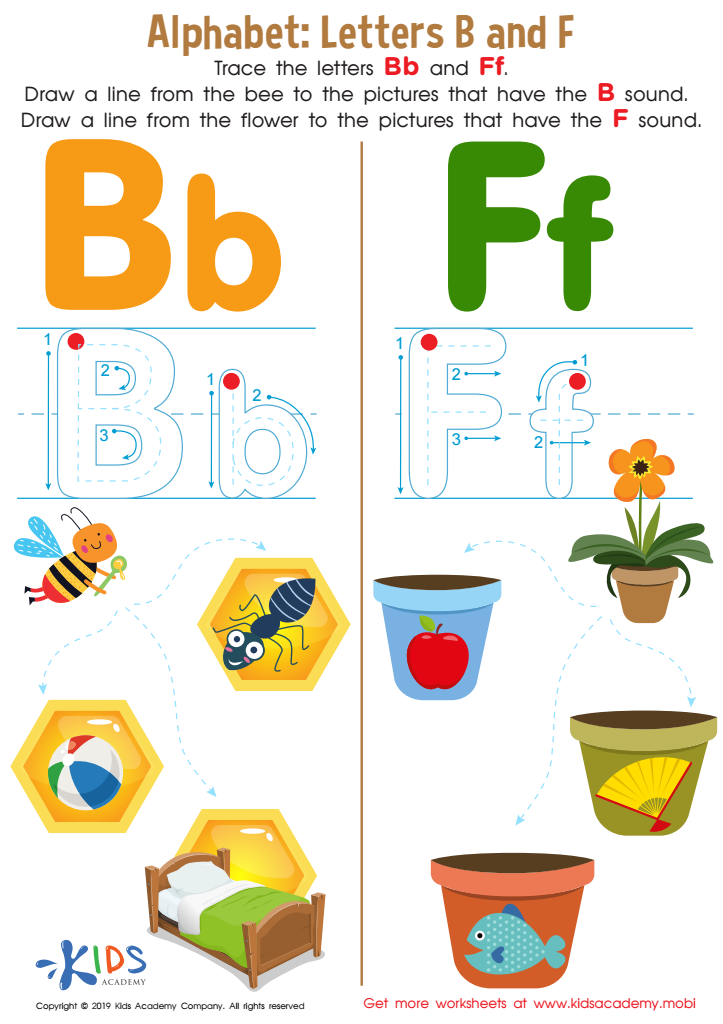
Letters B and F Tracing Worksheet
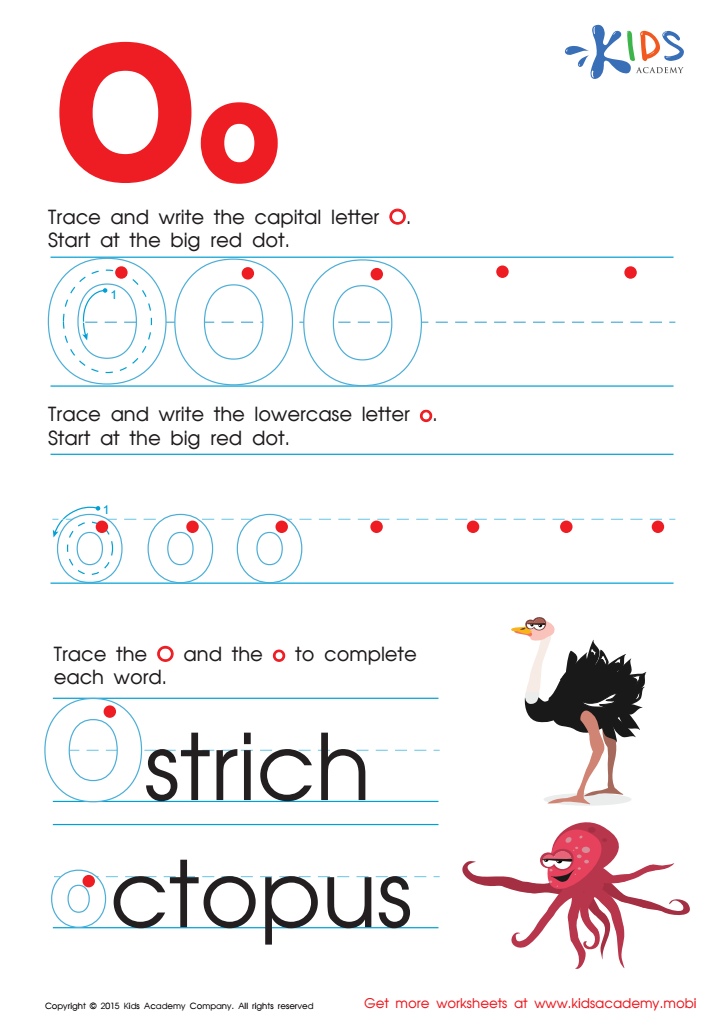
Letter O Tracing Page
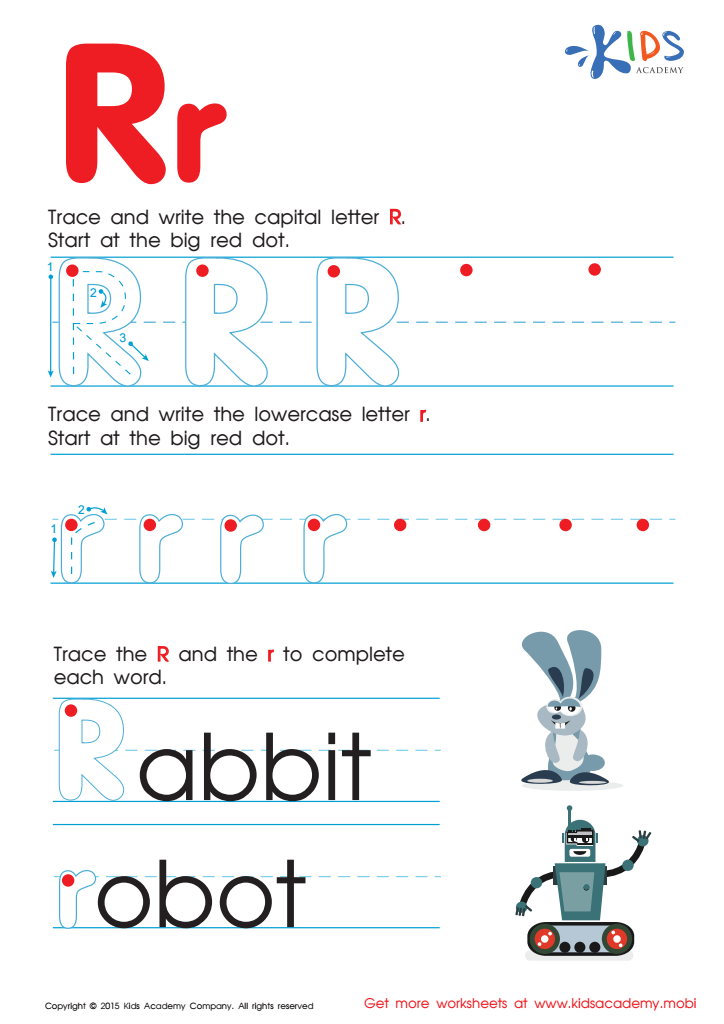
Letter R Tracing Page
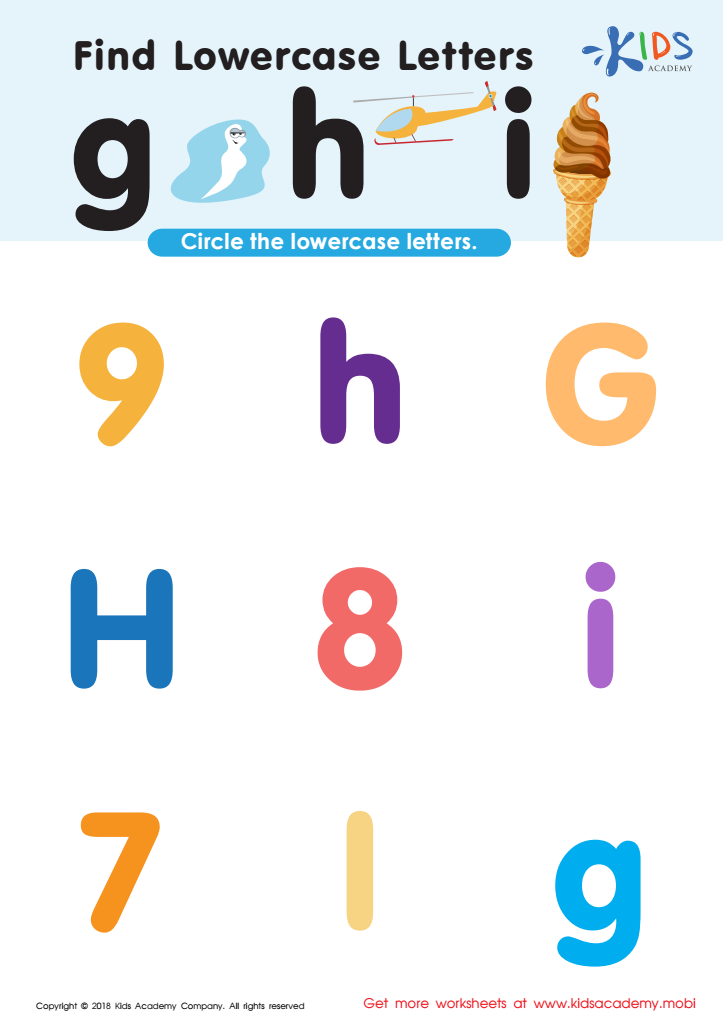
Find Lowercase Letters g h i Worksheet
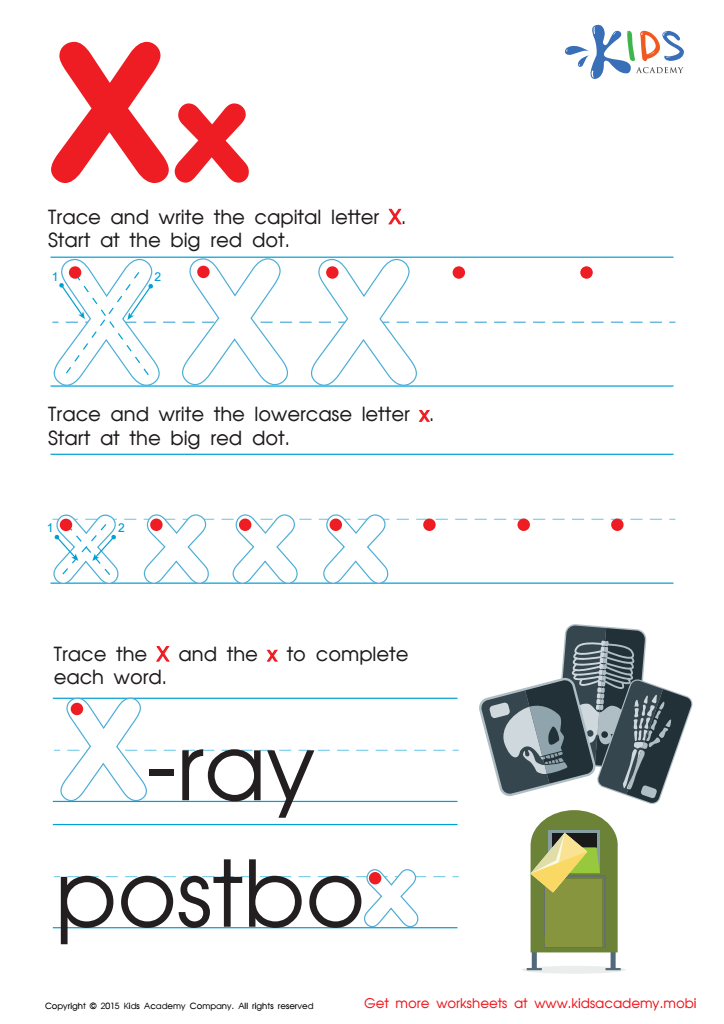
Letter X Tracing Page
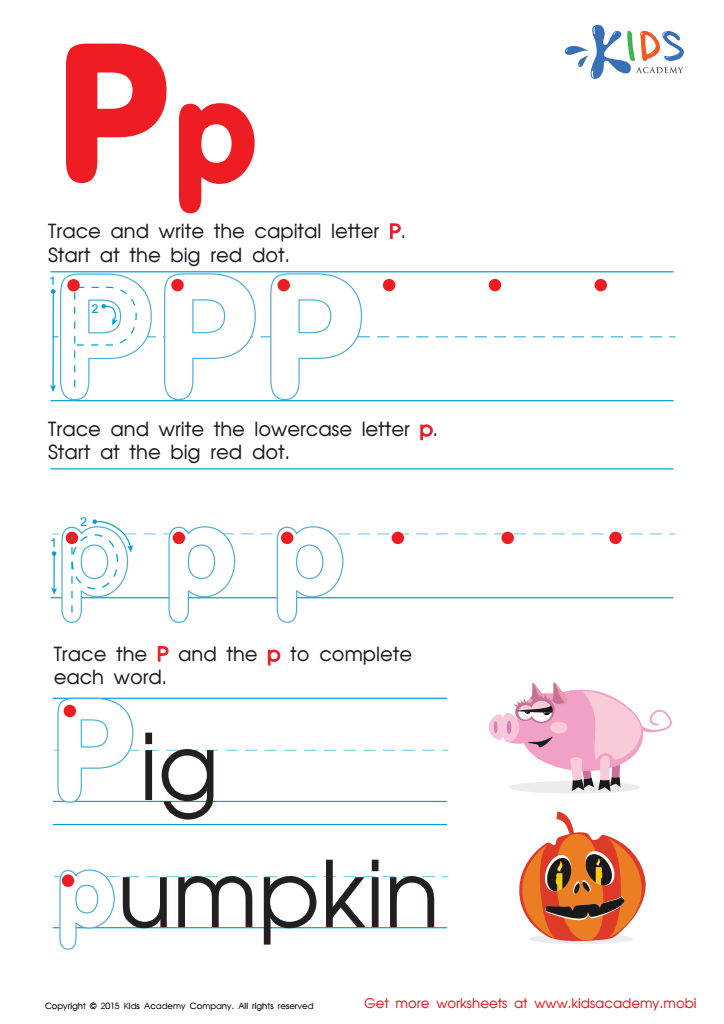
Letter P Tracing Page
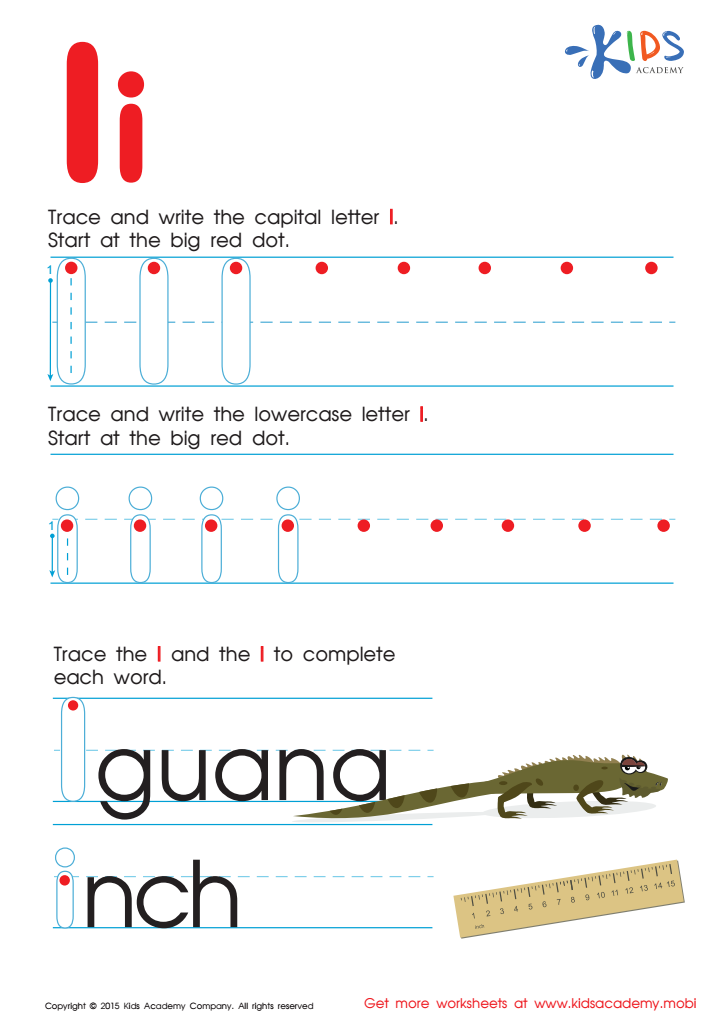
Letter I Tracing Page
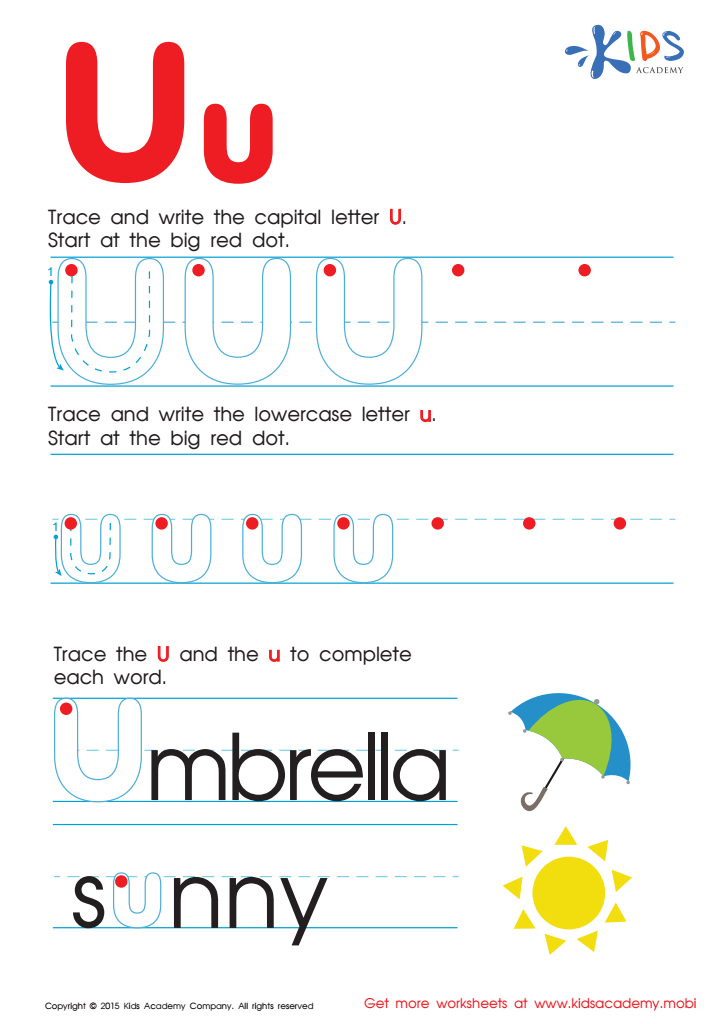
Letter U Tracing Page
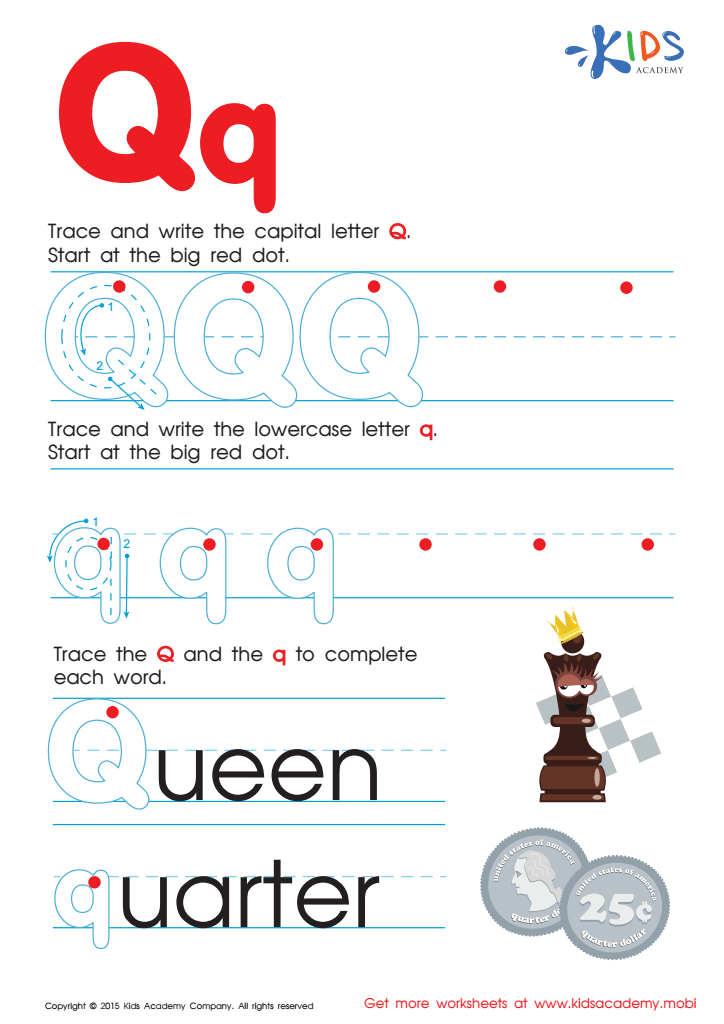
Letter Q Tracing Page
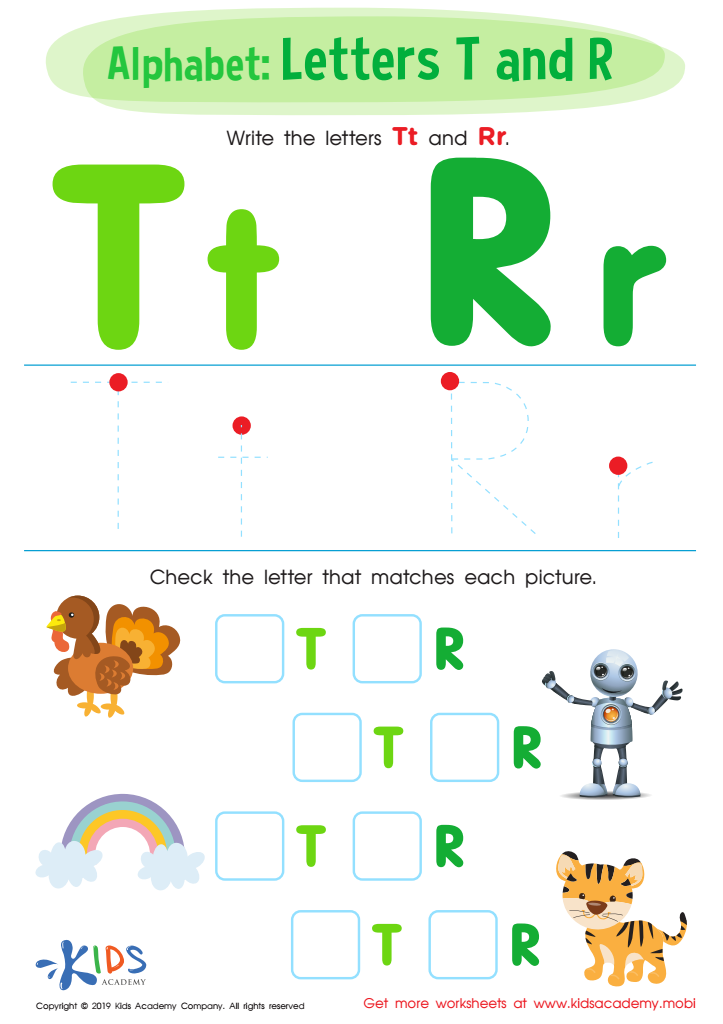
Letters T and R Worksheet
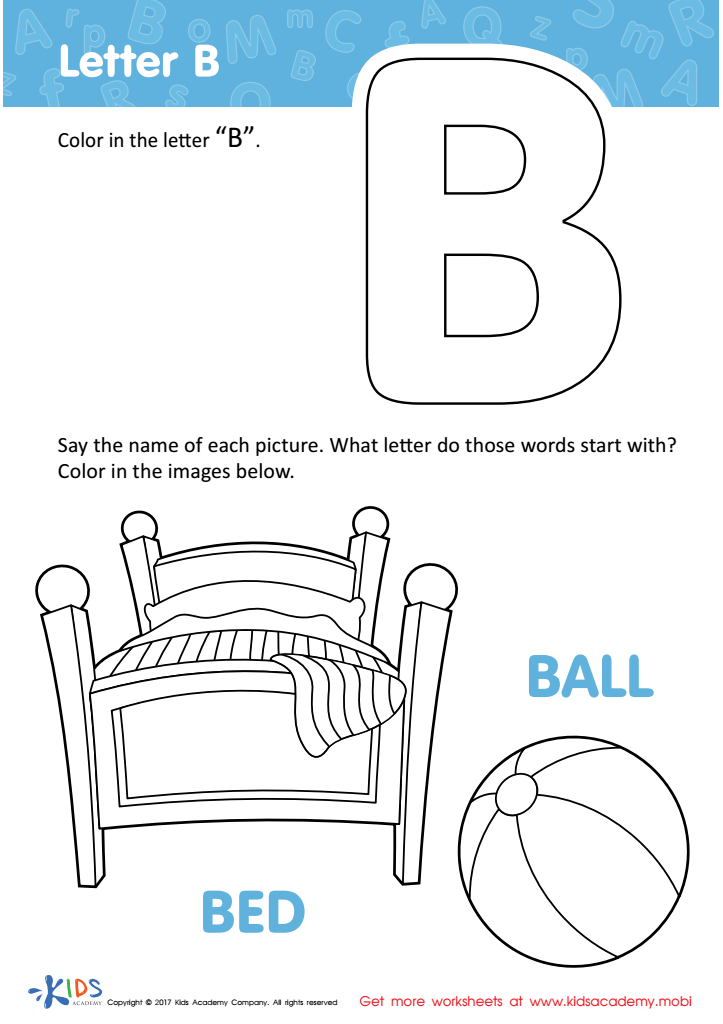
Letter B Coloring Sheet
Assign to My Students
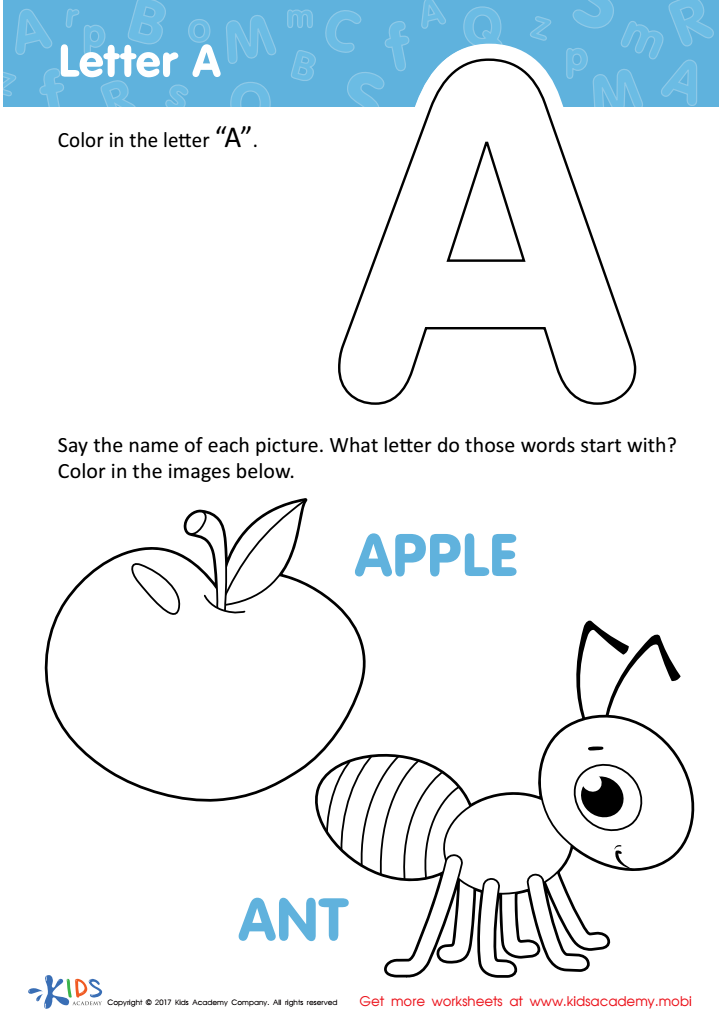
Letter A Coloring Sheet
Assign to My Students
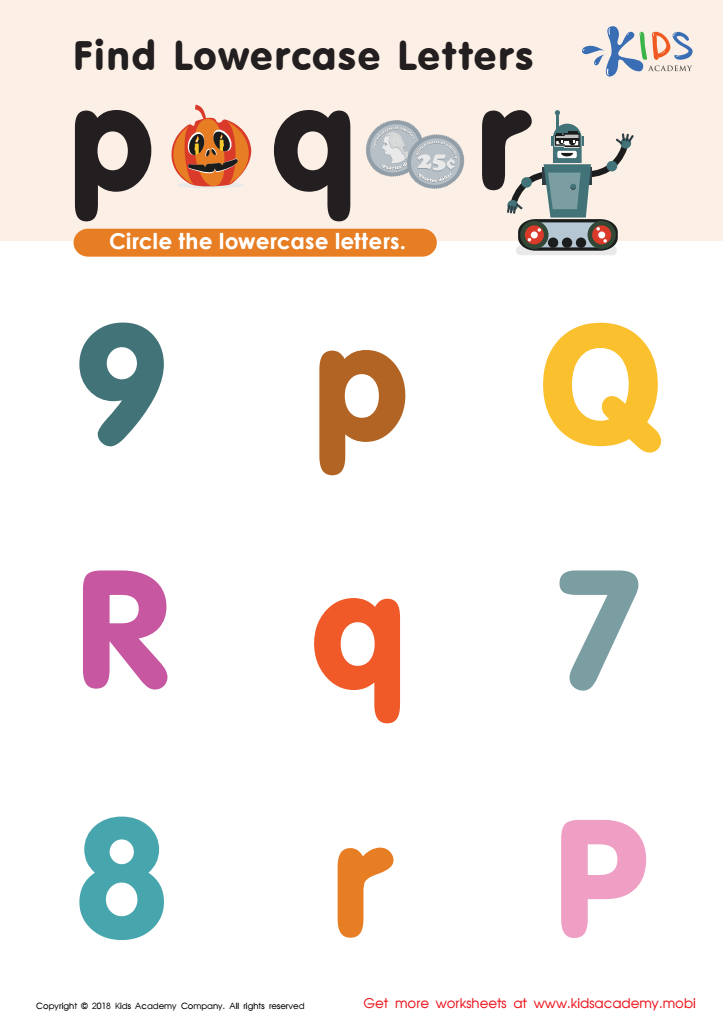
Find lowercase Letters p q r Worksheet
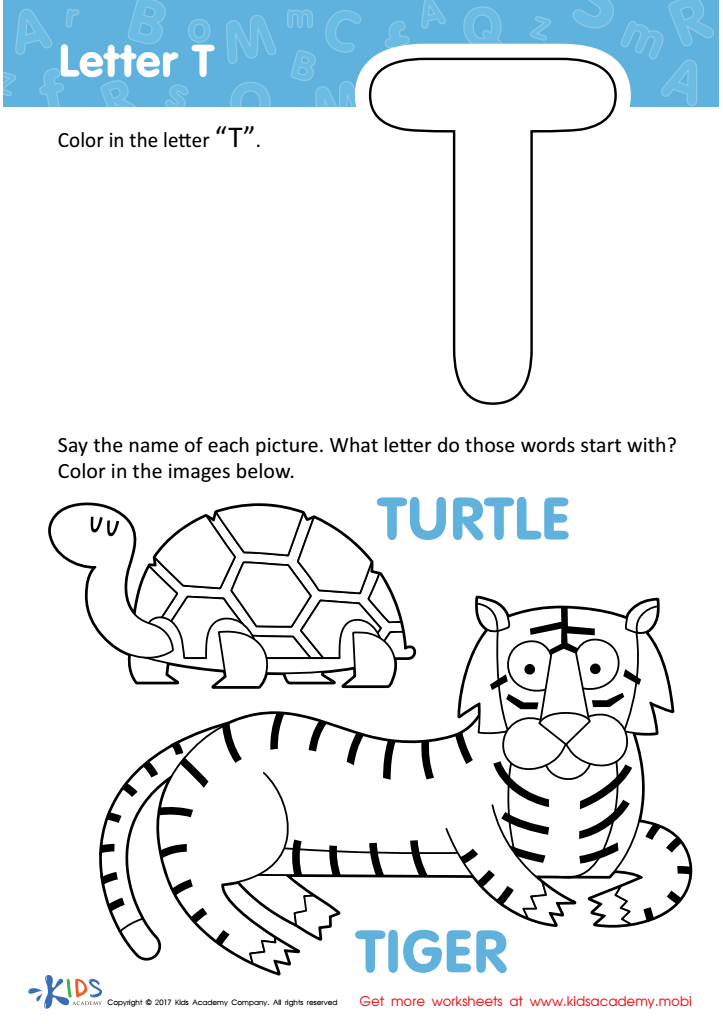
Letter T Coloring Sheet
Assign to My Students
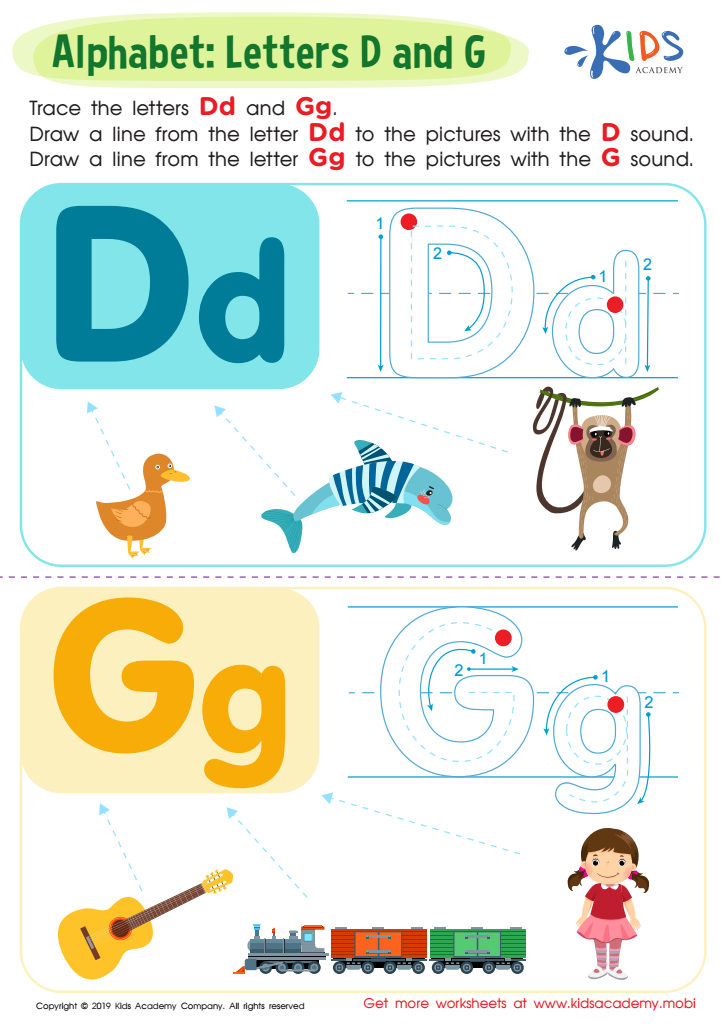
Letter D and G Tracing Worksheet
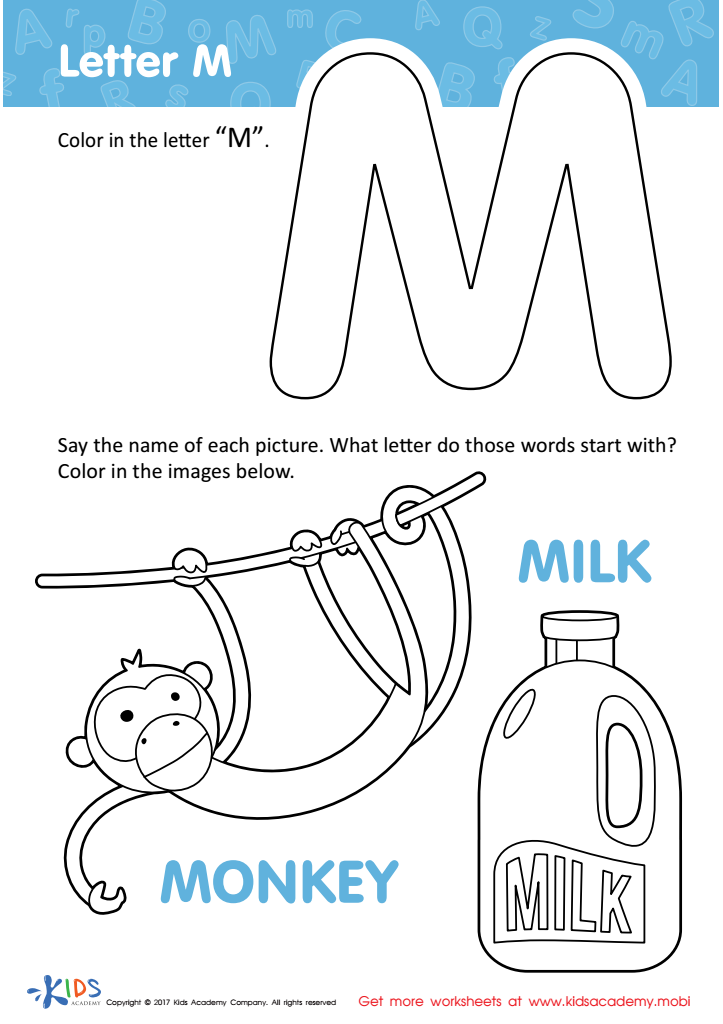
Letter M Coloring Sheet
Assign to My Students
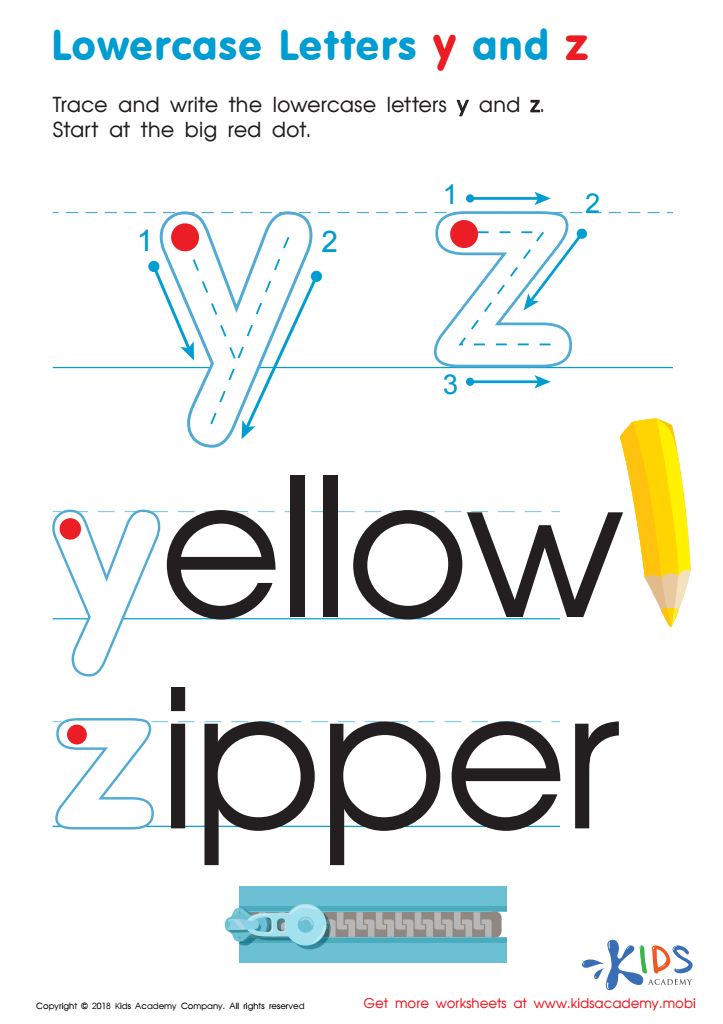
Lowercase Letters y z Worksheet
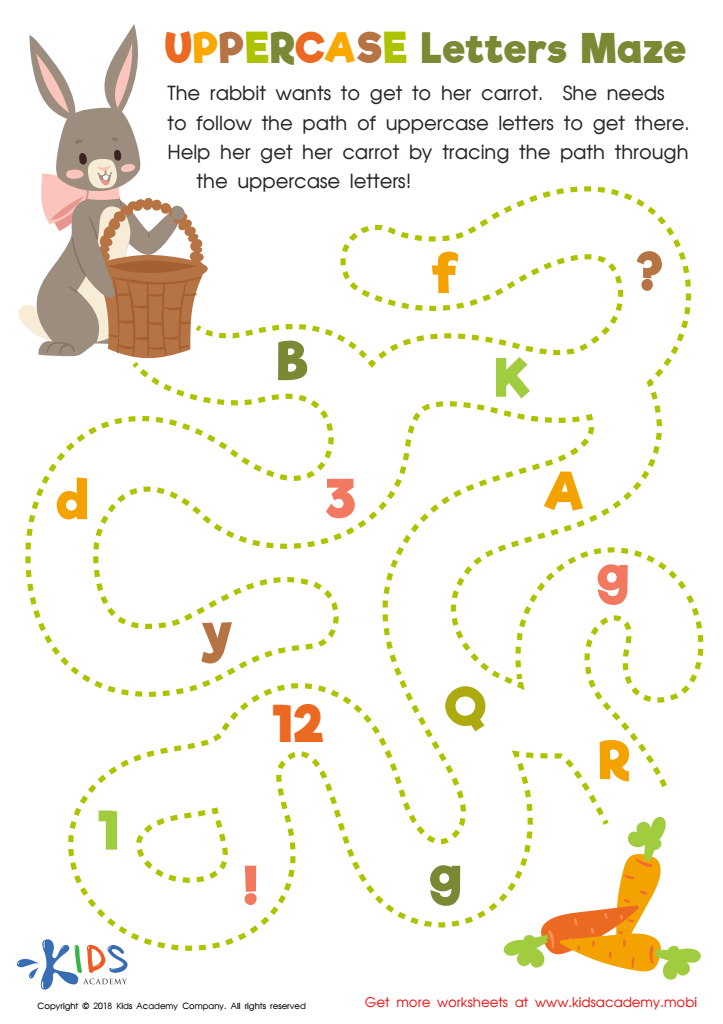
Uppercase Letters Maze Worksheet
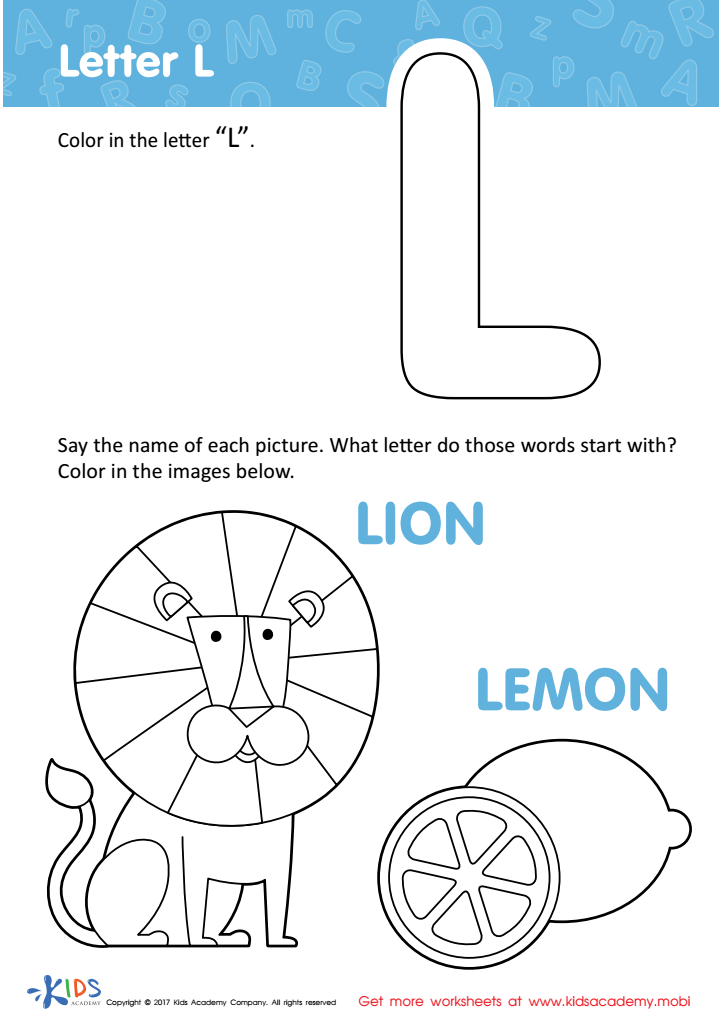
Letter L Coloring Sheet
Assign to My Students

Letter C Tracing Page






Fine motor skills and letter recognition are both fundamental aspects of early childhood education that set the stage for future academic success. For parents and teachers, understanding the importance of these skills in kindergarten is crucial.
Firstly, fine motor skills, which involve the small muscles of the hands and fingers, are essential for tasks such as writing, cutting with scissors, and buttoning clothes. Developing these skills in kindergarten helps children gain the physical dexterity they need for more advanced activities later on. By engaging in activities like coloring, threading beads, or playing with clay, children strengthen their hand-eye coordination and hand arch development, which are all critical for effective writing and daily tasks.
Secondly, letter recognition is the ability to identify and name letters, which is a stepping stone to reading and writing. Early proficiency in recognizing letters contributes significantly to a child's reading fluency and comprehension. Activities that promote letter recognition, such as playing alphabet games or singing letter songs, enhance a child’s familiarity with the alphabet that lays the groundwork for literacy.
Combining activities that develop fine motor skills with letter recognition tasks not only aids in cognitive and physical growth but also fosters confidence and enjoyment in learning. Consequently, parents and teachers should prioritize these areas to equip children with the essential skills they need for continued educational development.