Letter Tracing Kindergarten Letter Recognition Worksheets
6 filtered results
-
From - To
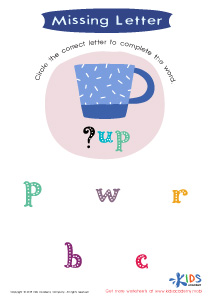
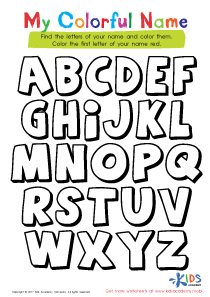
Unlock the joy of learning with our "Letter Tracing Kindergarten Letter Recognition Worksheets"! Perfectly designed for young learners, these engaging worksheets make letter recognition and writing fun and easy. Through a series of interactive tracing activities, children will strengthen their fine motor skills and develop a solid foundation in letter formation. Each worksheet combines playful illustrations with clear instructions, ensuring children not only learn each letter but also enjoy the process. Ideal for at-home and classroom use, these resources support educators and parents in making early literacy skills an enjoyable and rewarding experience. Start the journey to confident learners today!
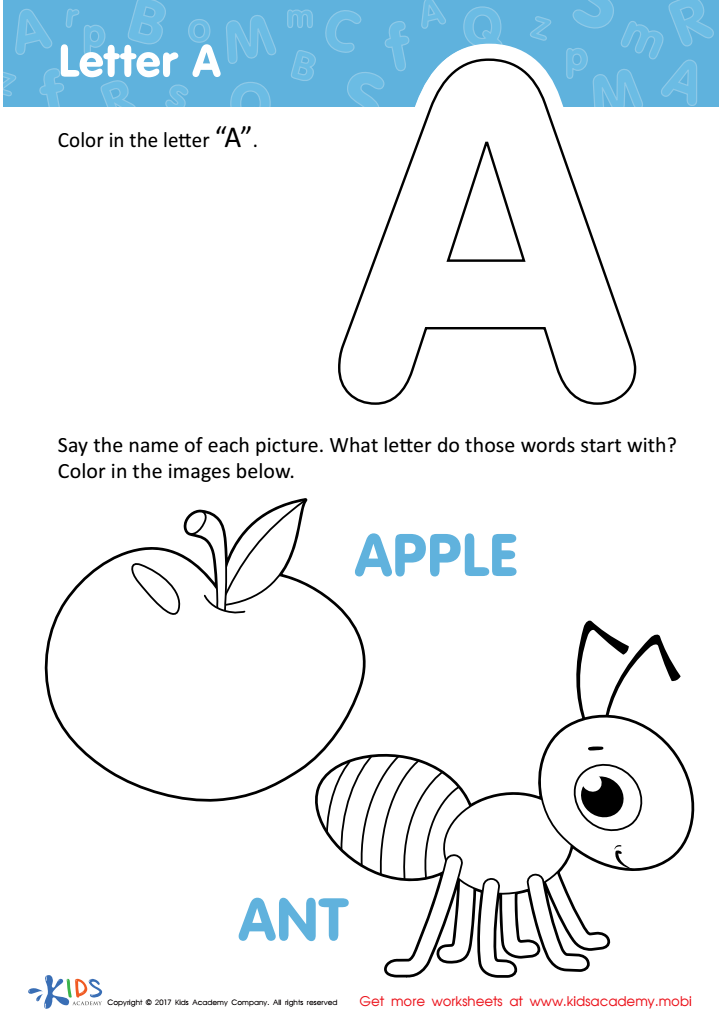
Letter A Coloring Sheet
 Assign to My Students
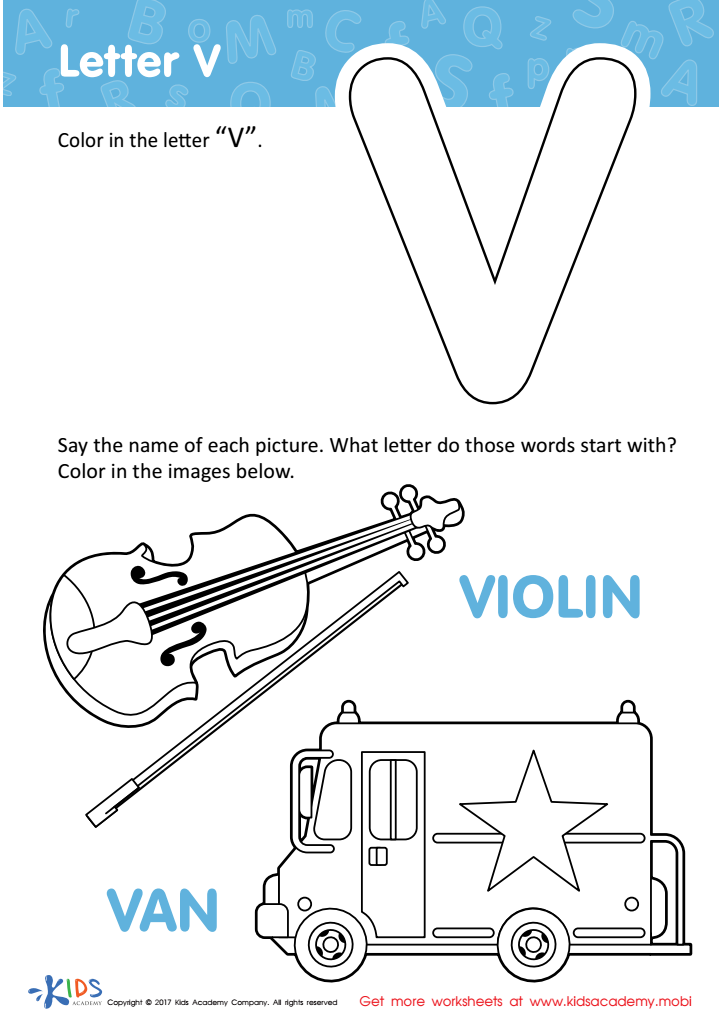
Letter V Coloring Sheet
Assign to My Students
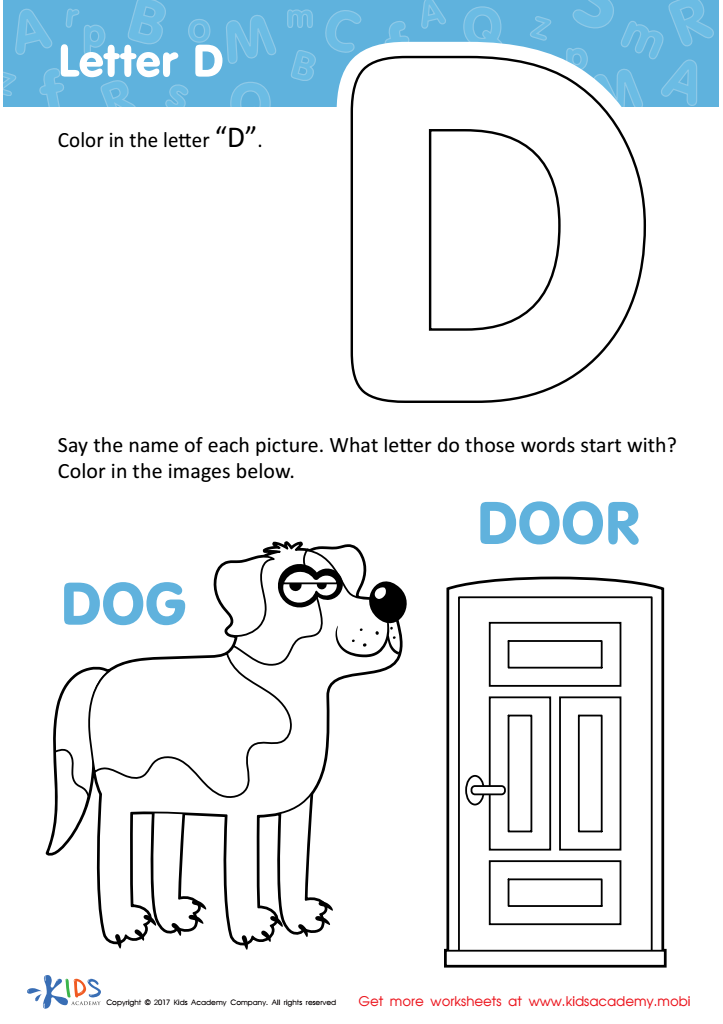
Letter D Coloring Sheet
Assign to My Students
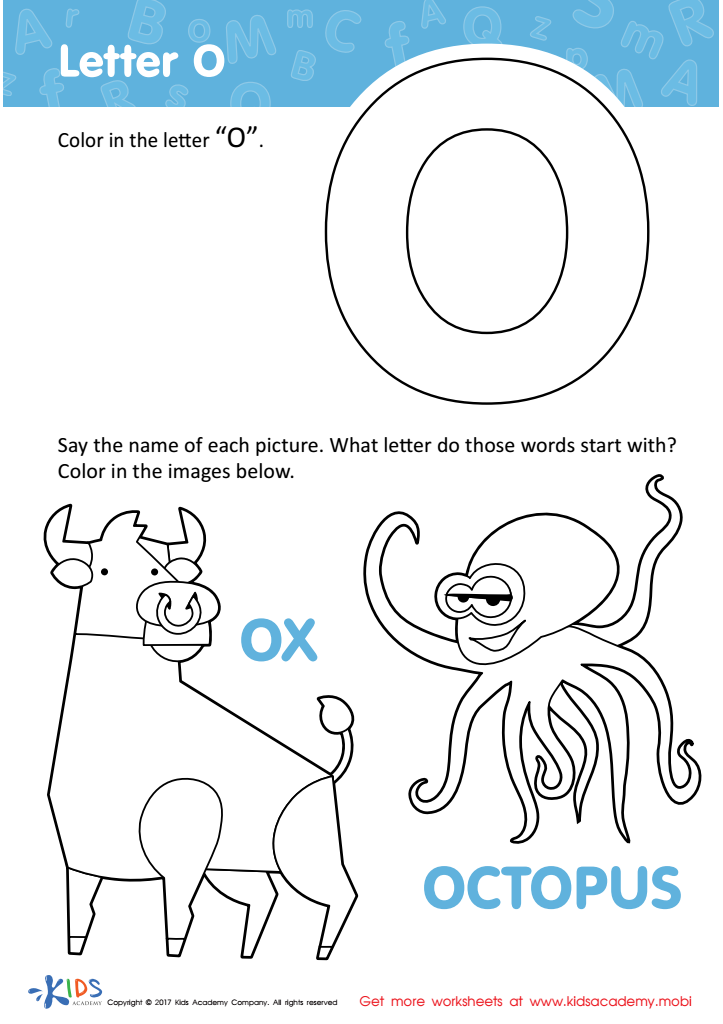
Letter O Coloring Sheet
Assign to My Students
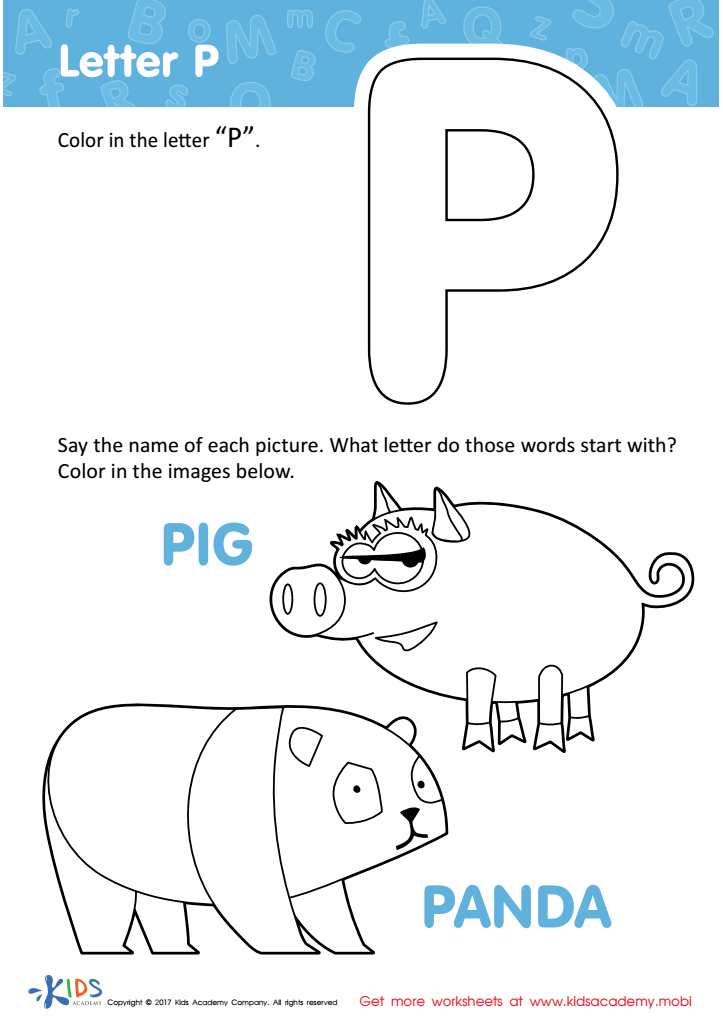
Letter P Coloring Sheet
Assign to My Students
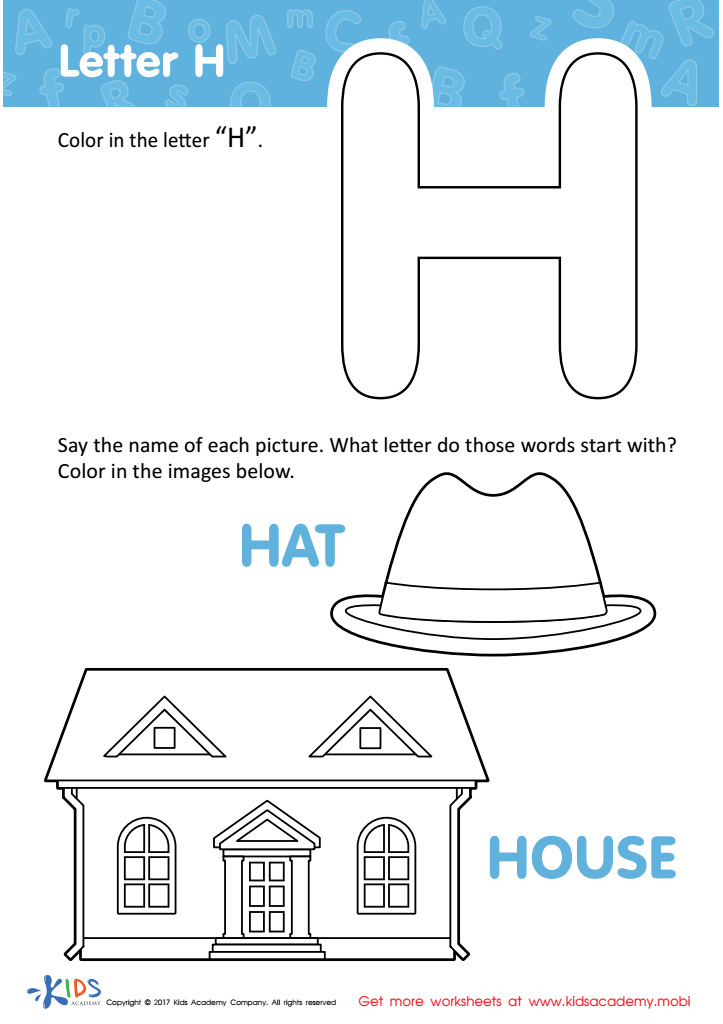
Letter H Coloring Sheet
Assign to My Students






Letter Tracing and Kindergarten Letter Recognition are foundational elements in early literacy development, making them crucial for both parents and teachers to emphasize. These skills are essential for young children as they set the stage for reading and writing proficiency, which are critical for overall academic success.
Letter tracing helps children with the fine motor skills necessary for writing. By practicing the motion of writing letters, children strengthen the muscles in their hands and fingers, improving their pencil grip and control. This tactile activity also reinforces the shape and structure of each letter, aiding in memorization and recognition.
Letter recognition is equally important. When children can easily identify letters, it boosts their ability to decode words, which is a critical step in learning to read. Early familiarity with letters, both in their uppercase and lowercase forms, enhances children's phonemic awareness, the understanding that letters correspond to sounds. This, in turn, makes it easier for kids to learn phonics, spelling, and ultimately, reading and writing.
Parents and teachers play a key role in early education by fostering these skills. They can use engaging activities, like games and repetition, to make letter tracing and recognition fun and effective. Investing in these early skills builds a solid foundation that benefits children throughout their educational journey and beyond.