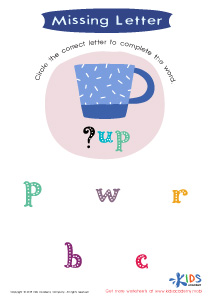
Sound Association Kindergarten Phonics Worksheets
7 filtered results
-
From - To
Welcome to our Sound Association Kindergarten Phonics Worksheets! Designed to enhance early literacy skills, these engaging worksheets help young learners connect sounds with corresponding letters and words. Children will explore various phonetic sounds through fun activities, such as matching pictures to sounds, tracing letters, and more. Our comprehensive resources foster self-directed learning while building a strong foundation in phonics. Ideal for reinforcing classroom learning or as supplemental home practice, these worksheets promote essential reading skills, encouraging kids to develop confidence in their abilities. Dive into the world of sound association and watch your child become a proficient reader in no time!
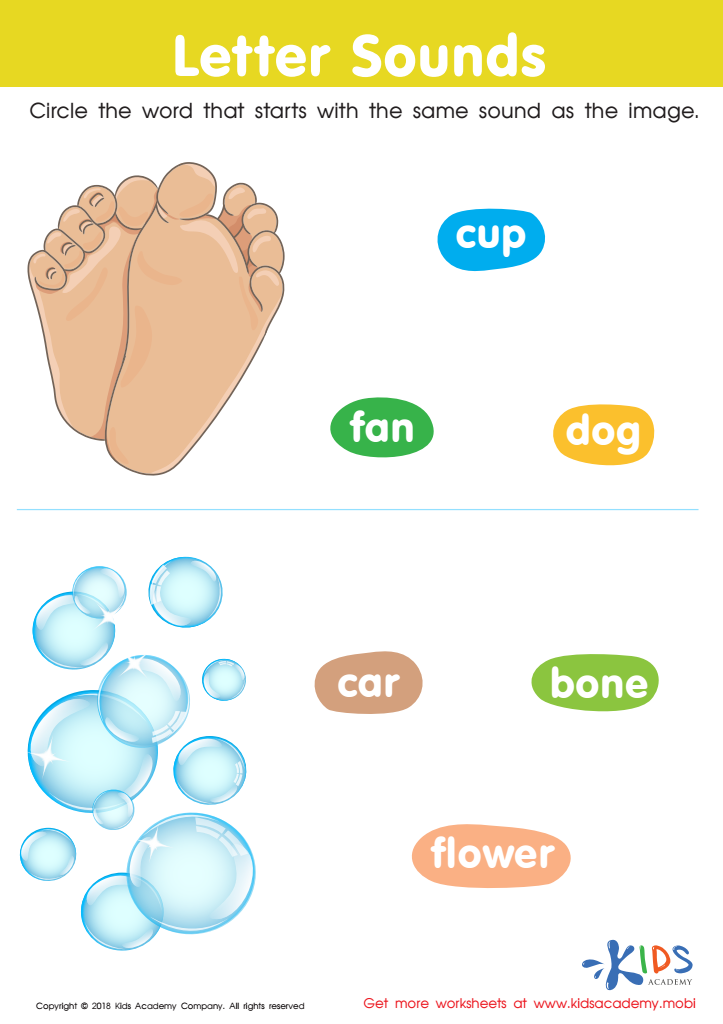
letter sounds Worksheet
 Assign to My Students
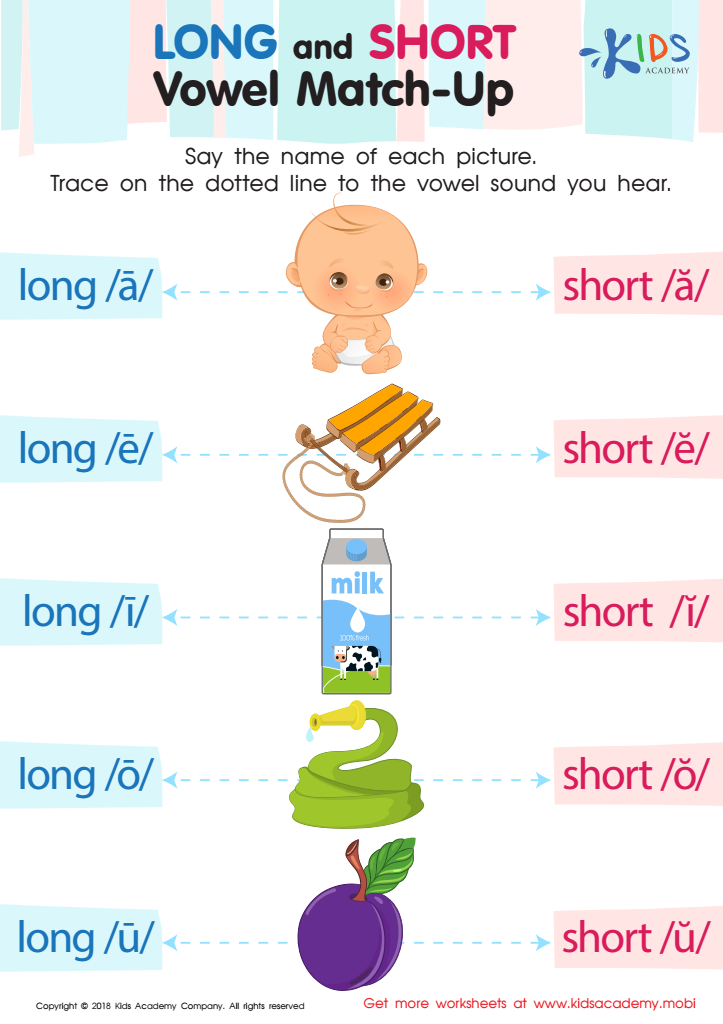
Long and Short Vowel Match up Reading Worksheet
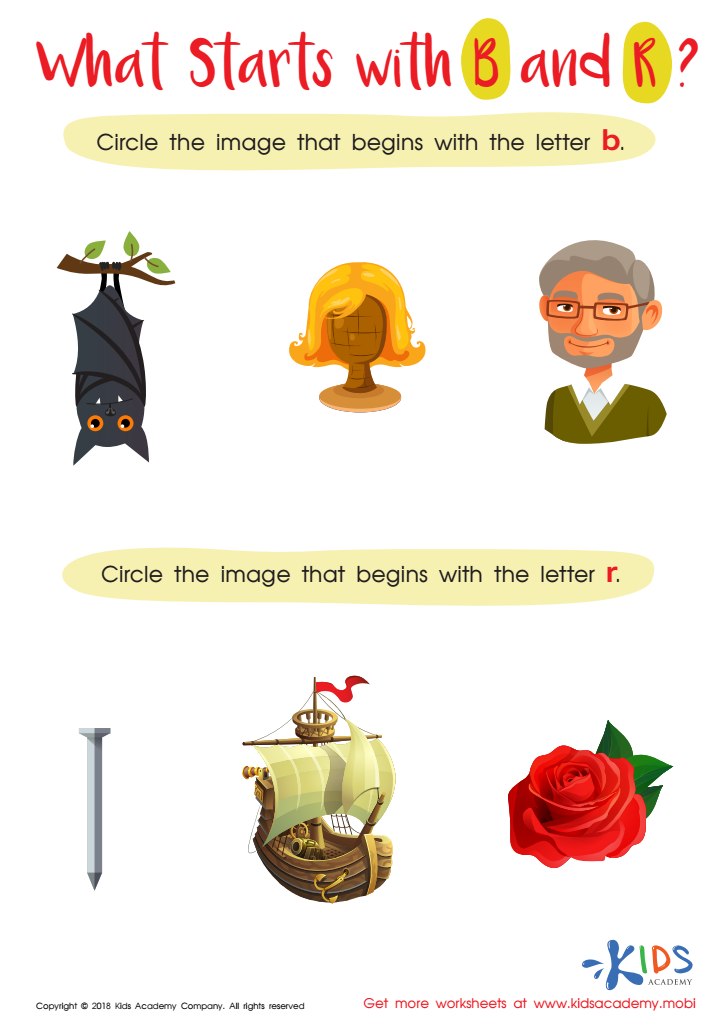
What Starts with B and R? Worksheet
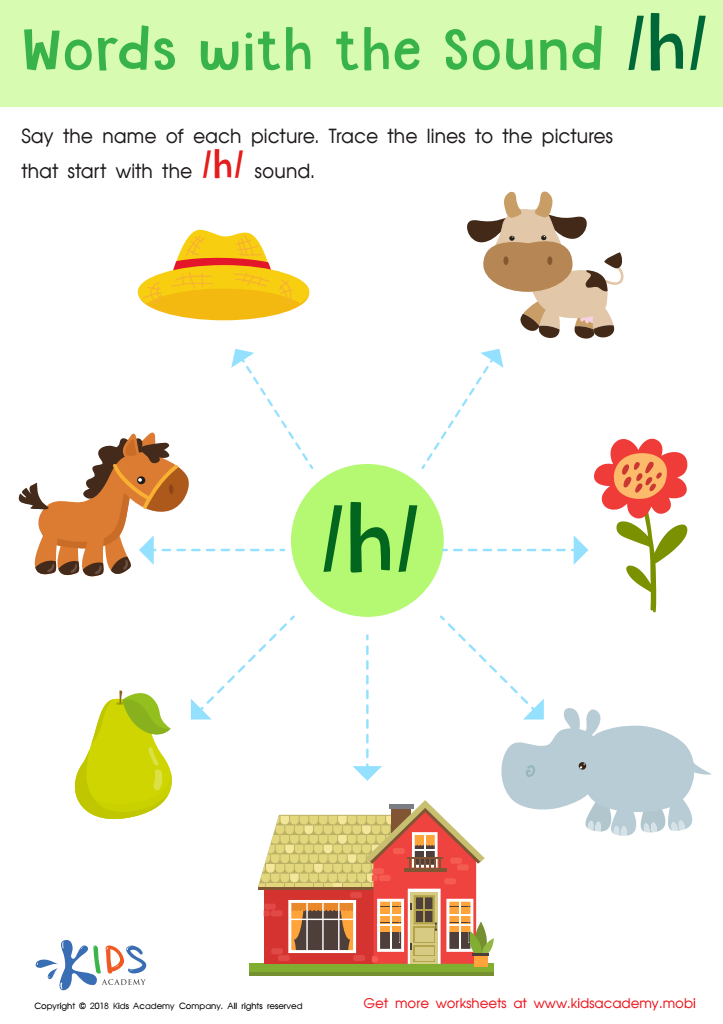
Words with sound h Reading Worksheet
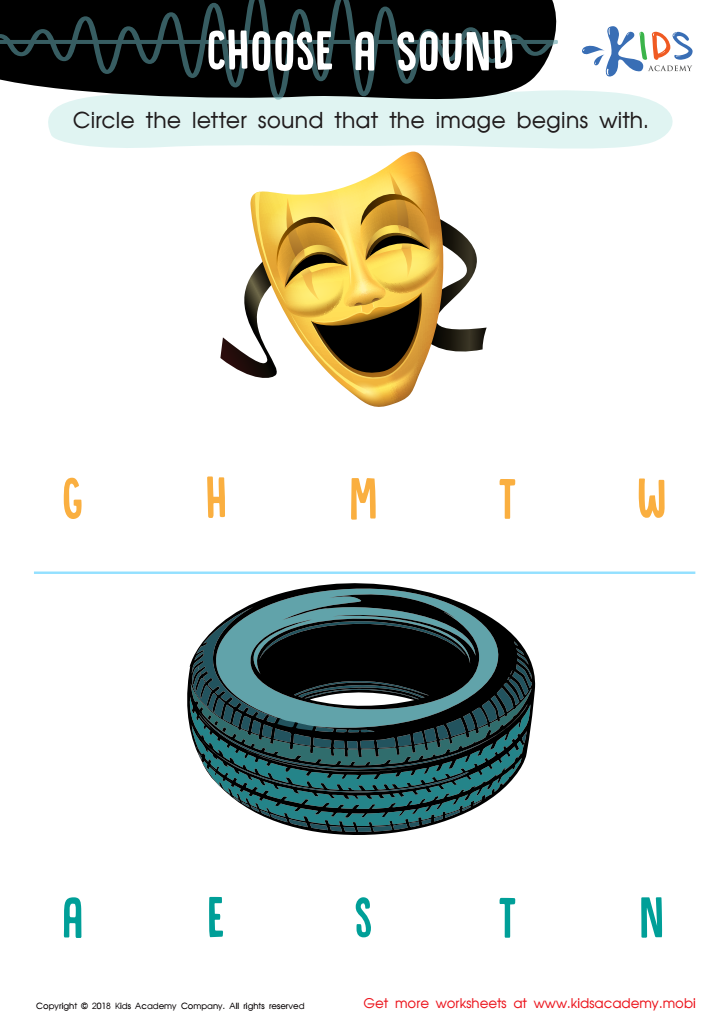
Choose a Sound Worksheet
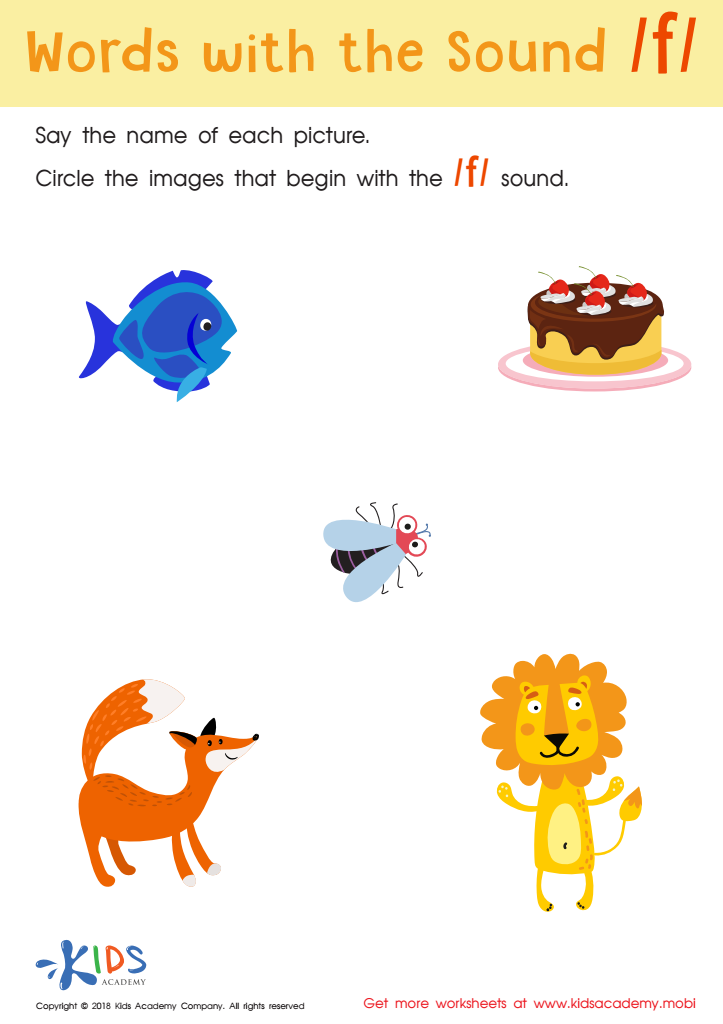
Words with sound f Reading Worksheet
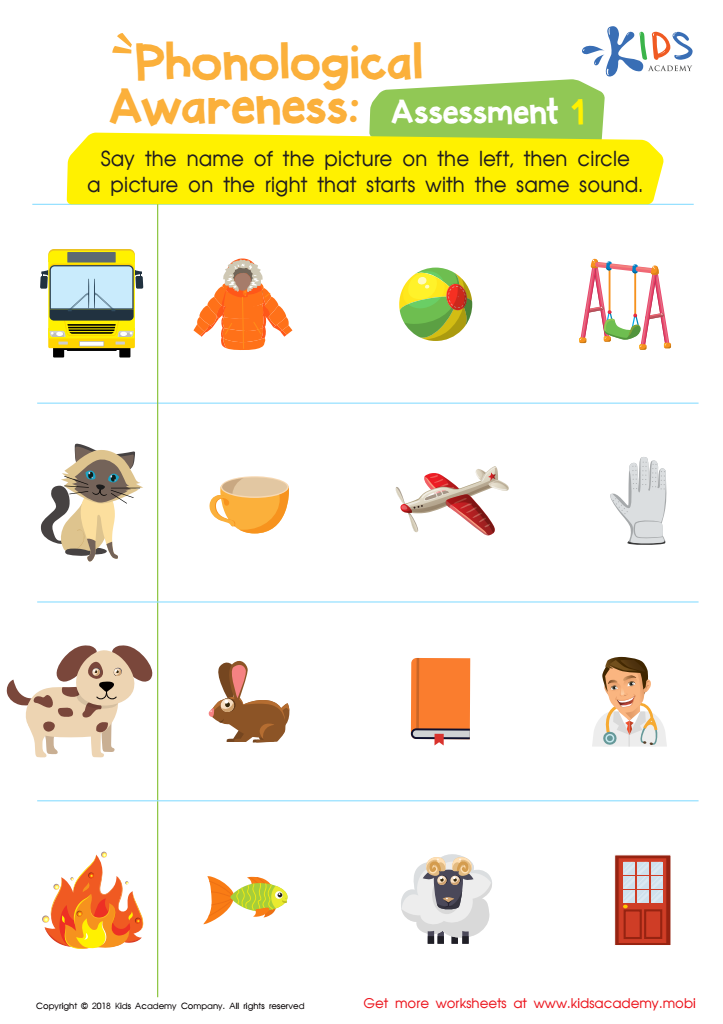
Phonological Awareness: Assessment 1 Worksheet






Sound Association in Kindergarten Phonics is crucial for children's early literacy development. It emphasizes the connection between sounds and letters, aiding kids in decoding words, which is foundational for reading skills. When parents and teachers prioritize this approach, they empower young learners to recognize phonemes, the smallest units of sound in language. This skill is essential for reading fluency, comprehension, and ultimately a child's success in school.
Furthermore, understanding sound associations enhances vocabulary development. Many phonics programs incorporate fun and engaging activities that spark children's interest in reading. By creating a positive and interactive learning environment, parents and teachers can help build children's confidence in their reading abilities.
Moreover, research indicates that children who develop strong phonics skills in early education perform better in later grades, setting a solid foundation for ongoing academic success. By focusing on sound associations, educators and families can nurture critical thinking and problem-solving skills, further preparing children for future challenges.
In essence, supporting Sound Association in Kindergarten Phonics means investing in a child’s literacy journey, fostering a love for reading, and developing foundational skills that will benefit them throughout their educational experiences and beyond.