Basic Math Skills Kindergarten Numbers Worksheets - Page 2
25 filtered results
-
From - To
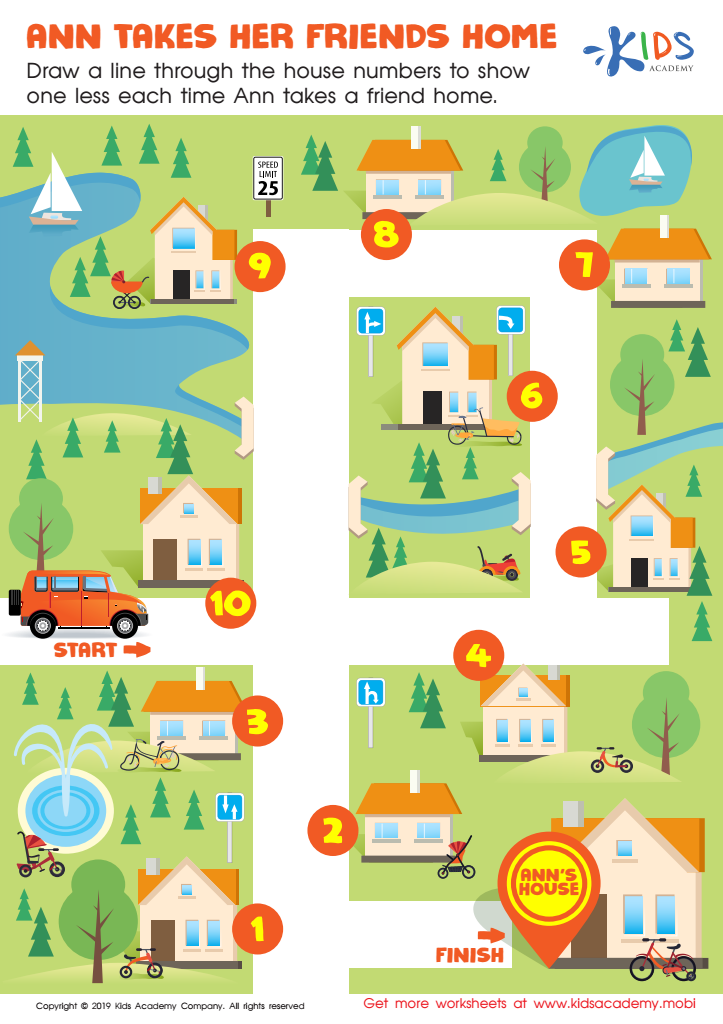
Ann Takes her Friends Home Worksheet
 Assign to My Students




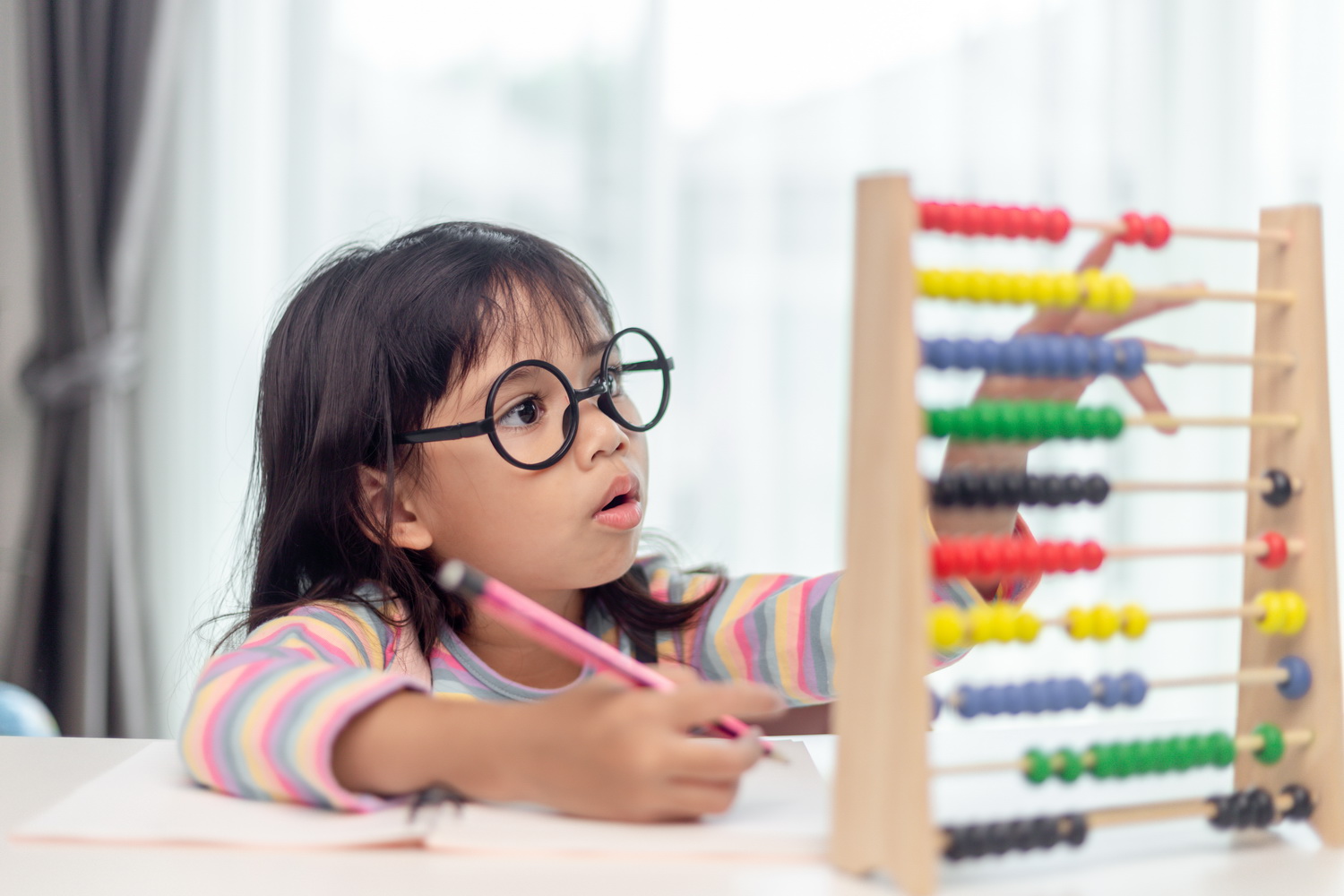


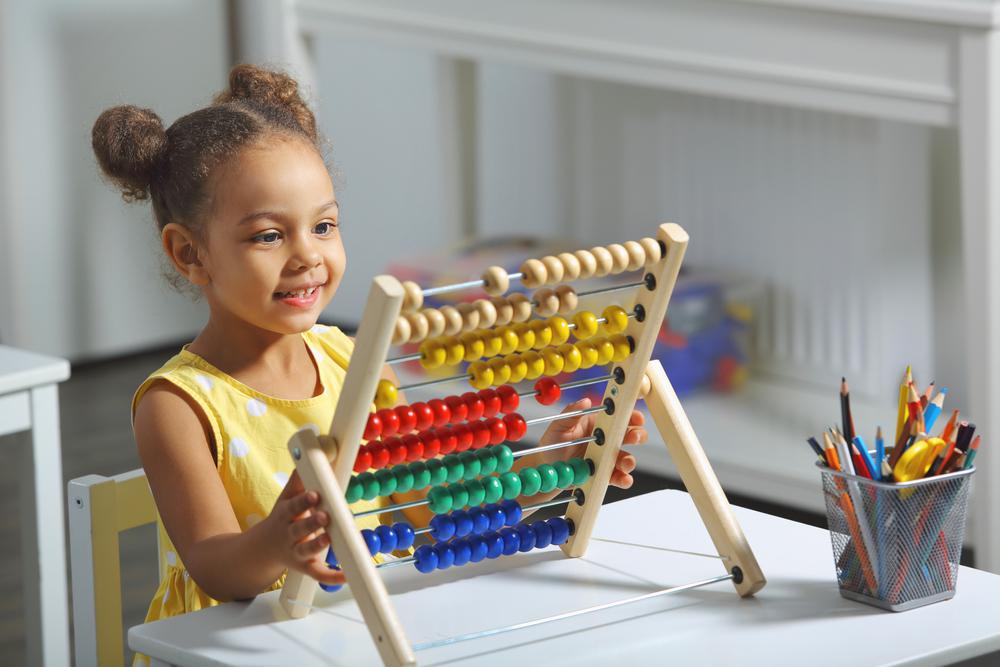
Basic math skills are foundational for children's cognitive development and lifelong learning. In Kindergarten, children are introduced to numbers and basic math concepts that form the building blocks for more complex math skills in later years. Understanding numbers helps children develop critical thinking, problem-solving abilities, and spatial awareness.
Parents and teachers should care about fostering these skills because early math proficiency can significantly impact a child's academic trajectory. Research shows that children with strong math skills in early education are more likely to excel in math during their later school years and have better overall academic performance.
Moreover, basic math skills contribute to everyday life, as they are essential for tasks such as counting, measuring, and budgeting. These skills strengthen analytical thinking and decision-making, allowing children to navigate their world more effectively.
Engagement in math during early years also promotes a positive attitude towards learning. When parents and educators emphasize the importance of math through fun activities and games, they instill a love of learning in children. Ultimately, investing in basic math skills during Kindergarten lays the groundwork for a child's future success in academics and practical life situations.








