Logical thinking Kindergarten Numbers Worksheets
3 filtered results
-
From - To
Enhance your child's logical thinking skills with our engaging Kindergarten Numbers Worksheets! Designed for young learners, these worksheets promote critical reasoning while helping children understand numbers and mathematical concepts. Each activity encourages kids to think critically, solve puzzles, and recognize patterns in a fun, interactive way. From sequencing numbers to identifying relationships, our resources provide a solid foundation in numeracy skills. Parents and educators can effortlessly integrate these worksheets into daily learning routines, fostering a love for math early on. Perfect for at-home practice or classroom reinforcement, our worksheets make learning numbers enjoyable and effective! Explore our collection today!
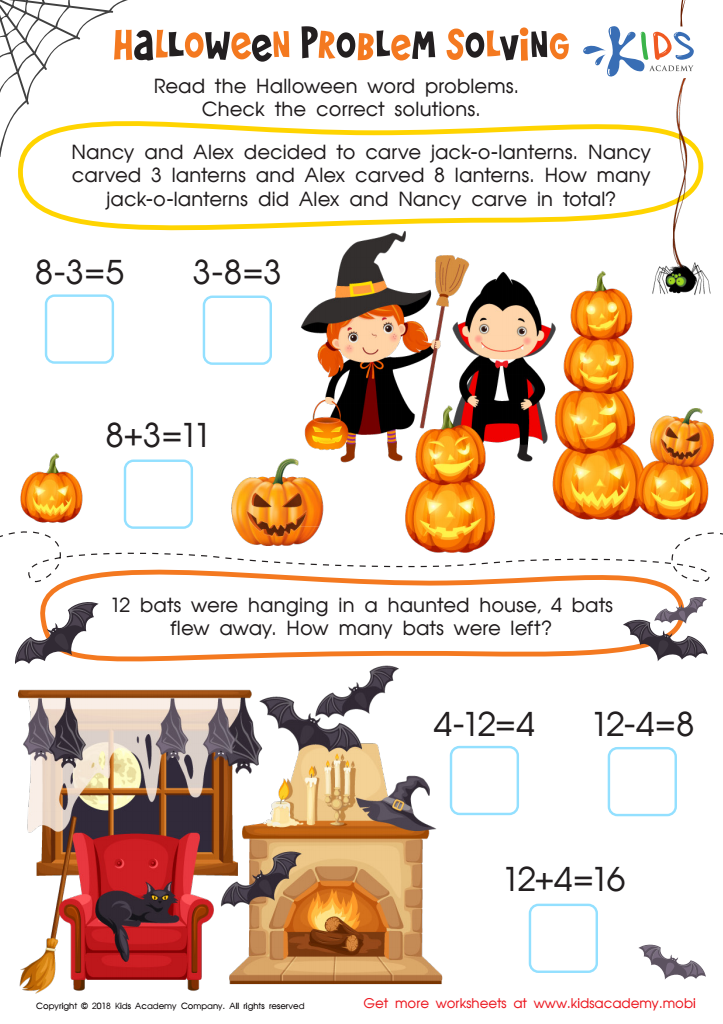
Halloween Problem Solving Worksheet
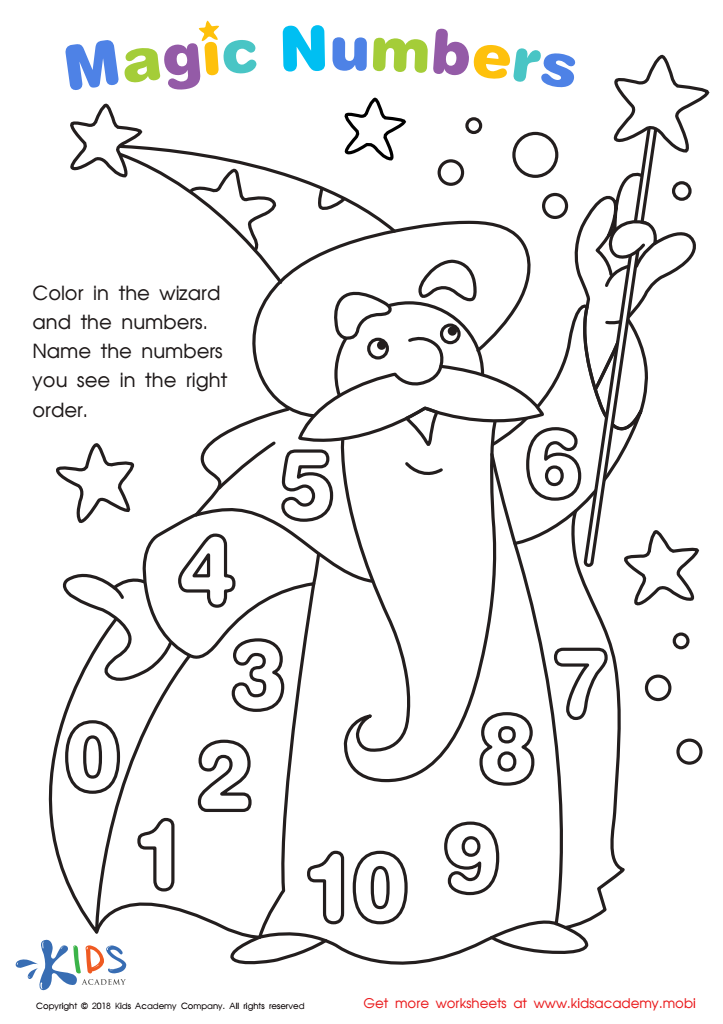
Magic Numbers Worksheet
 Assign to My Students
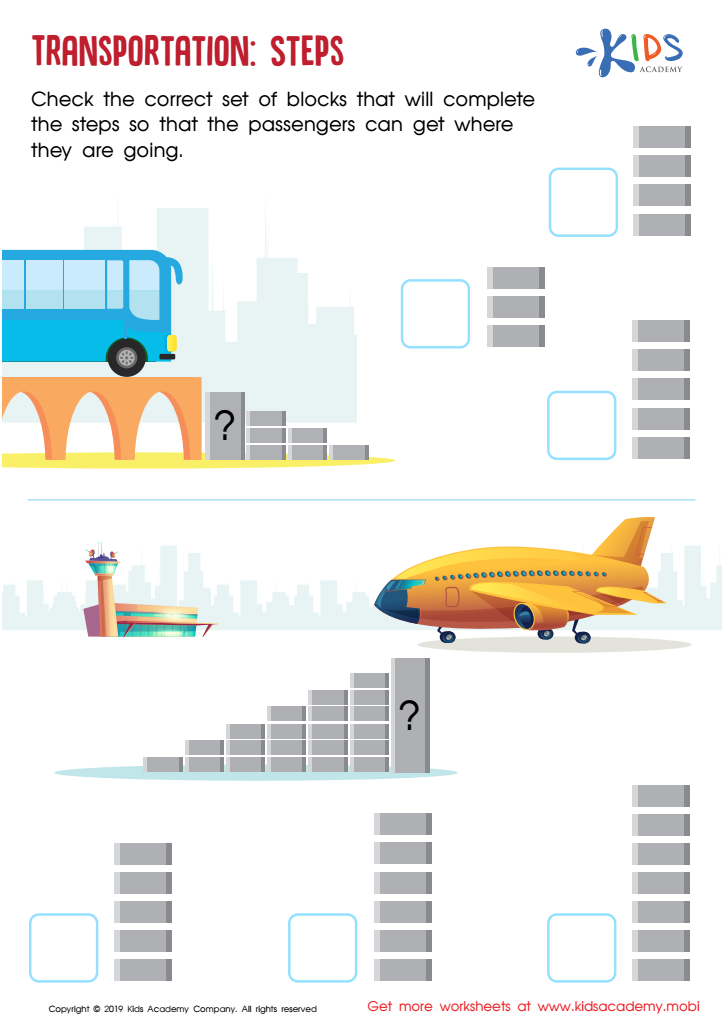
Transportation: Steps Worksheet



%20(1).jpg)




Logical thinking and number skills are foundational components of early childhood education, particularly in kindergarten. These skills foster not only basic mathematical understanding but also critical cognitive abilities that are essential for lifelong learning. When parents and teachers prioritize logical thinking in number activities, they help children develop problem-solving techniques, recognize patterns, and enhance their ability to reason abstractly.
In kindergarten, children are introduced to concepts such as counting, comparison, and simple addition and subtraction. Engaging with these activities enhances their mathematical fluency and helps them grasp essential connections between numbers and the real world. When children learn through play, exploration, and inquiry, they become active participants in their learning experience, fostering a love for math that can carry into later grades.
Moreover, logical thinking cultivates skills such as attention to detail, persistence, and adaptability—qualities that are beneficial far beyond mathematics. By creating an environment that values these skills, parents and teachers guide children toward becoming confident thinkers who can approach challenges with curiosity and resilience. Ultimately, investing in logical thinking and number literacy at an early age sets the stage for academic success and develops critical thinkers, prepared to navigate complex problems in various aspects of their lives.








