Problem-solving abilities Kindergarten Numbers Worksheets
4 filtered results
-
From - To
Enhance your child's problem-solving abilities with our engaging Kindergarten Numbers Worksheets! Designed specifically for young learners, these worksheets offer a fun and interactive way to explore math concepts while developing critical thinking skills. Children will encounter various number-related challenges, including counting, comparing quantities, and simple addition and subtraction. By fostering a playful learning environment, our worksheets make math exciting and accessible. These resources not only build a strong foundational understanding of numbers but also encourage creativity and perseverance in tackling math problems. Perfect for parents and educators looking to provide engaging and educational activities for their little ones!
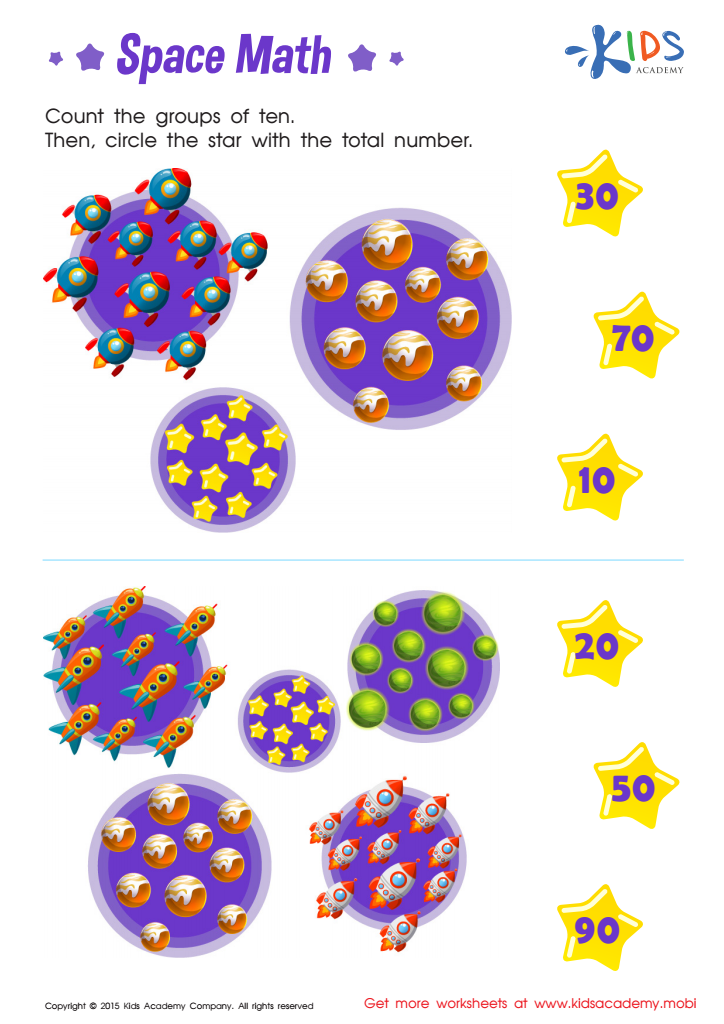
Learn dozens: Space math Worksheet
 Assign to My Students
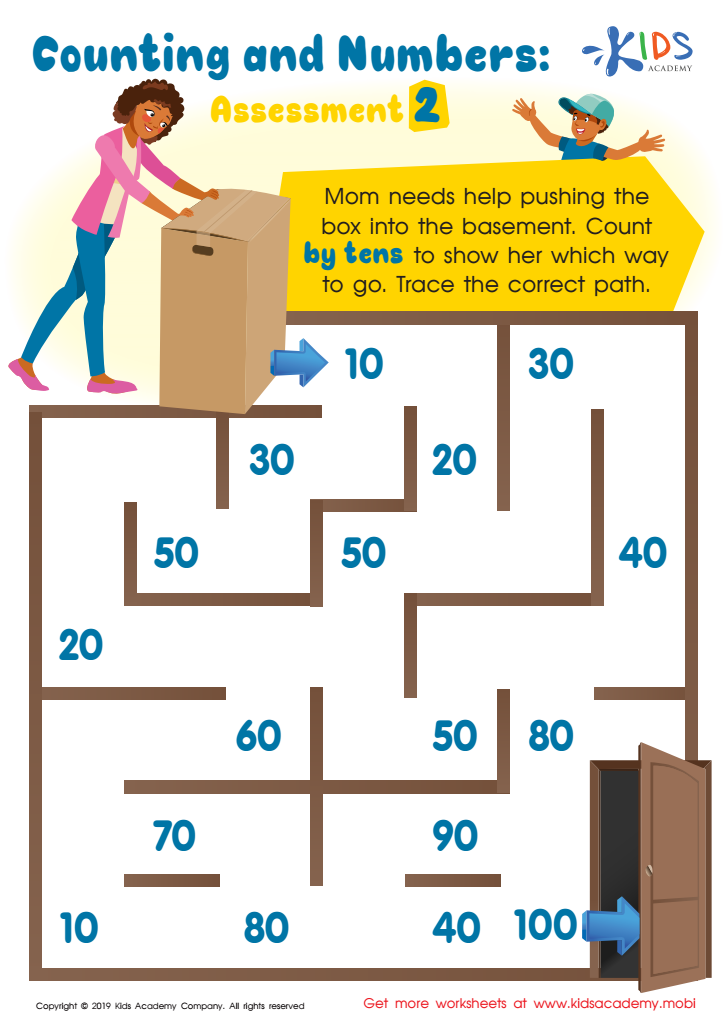
Counting and Numbers: Assessment 2 Worksheet
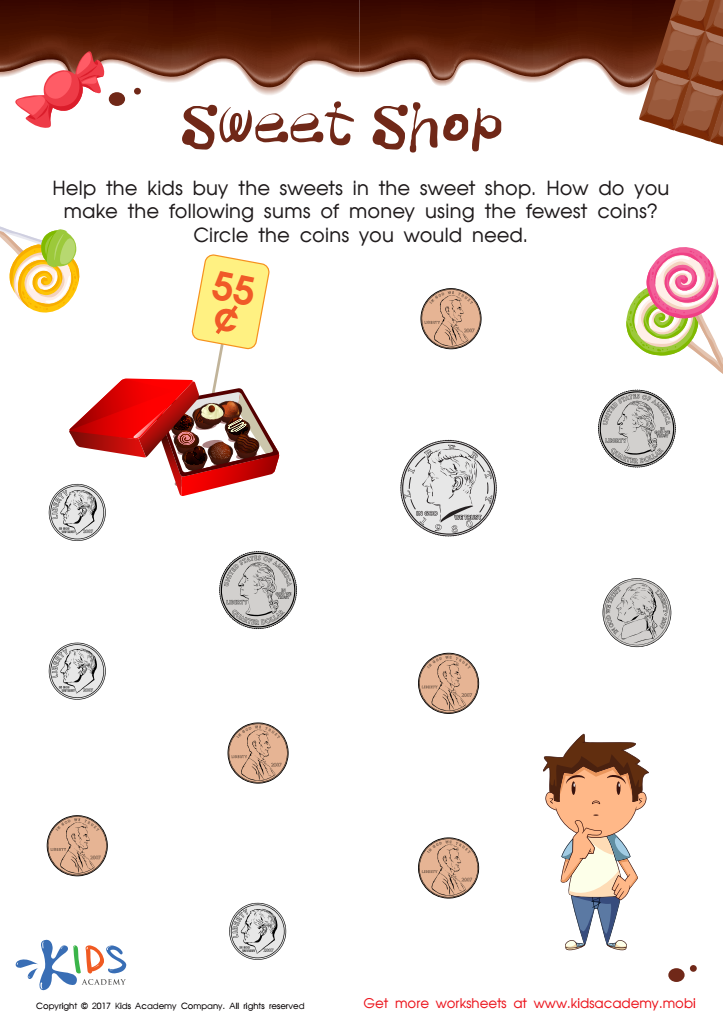
Sweet Shop – Counting Coins Worksheet
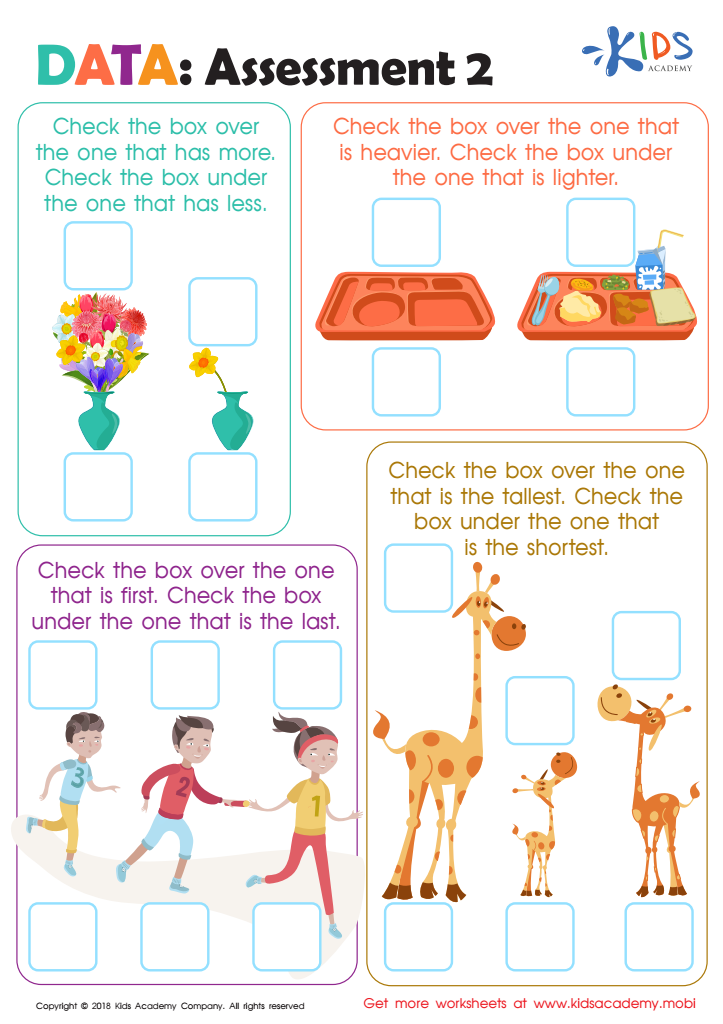
Data: Assessment 2 Worksheet







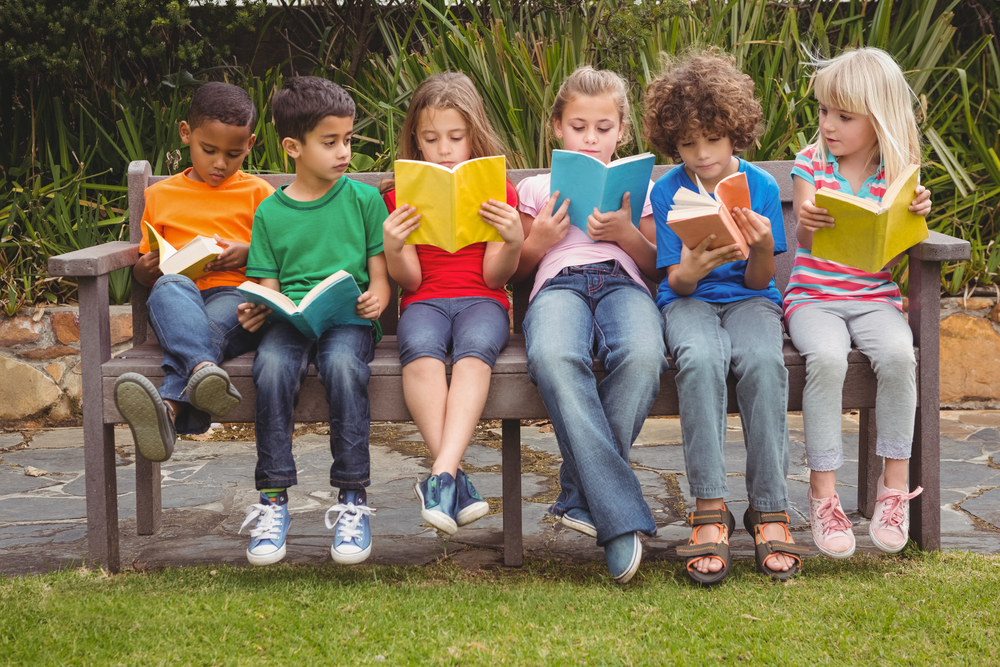
Parents and teachers should prioritize developing problem-solving abilities in kindergarteners for several important reasons. Firstly, strong problem-solving skills lay the foundation for mathematical understanding. Early exposure to numbers and critical thinking helps children make connections between concepts, enabling them to grasp more complex math concepts in the future.
Additionally, problem-solving encourages cognitive development and fosters independence. When young learners engage in mathematical challenges, they practice reasoning, hypothesizing, and testing their ideas, which boosts their self-confidence. This process importantly develops perseverance, as children learn that making mistakes is a natural part of learning.
Furthermore, these abilities promote cooperation and communication among peers. Group activities that involve solving math problems encourage collaboration, leading to improved interpersonal skills. Problem-solving in numbers also becomes a springboard for real-world applications. As children learn to navigate everyday situations involving math, such as counting money or measuring ingredients, they develop practical skills vital for their future.
Finally, instilling a love for math and problem-solving from an early age can help combat math anxiety later in life. When children are engaged and confident in their abilities, they’re more likely to enjoy learning and pursuing advanced mathematics in school. Thus, fostering these skills in kindergarten sets the stage for lifelong learners.








