Addition skills Kindergarten Math Worksheets - Page 2
27 filtered results
-
From - To
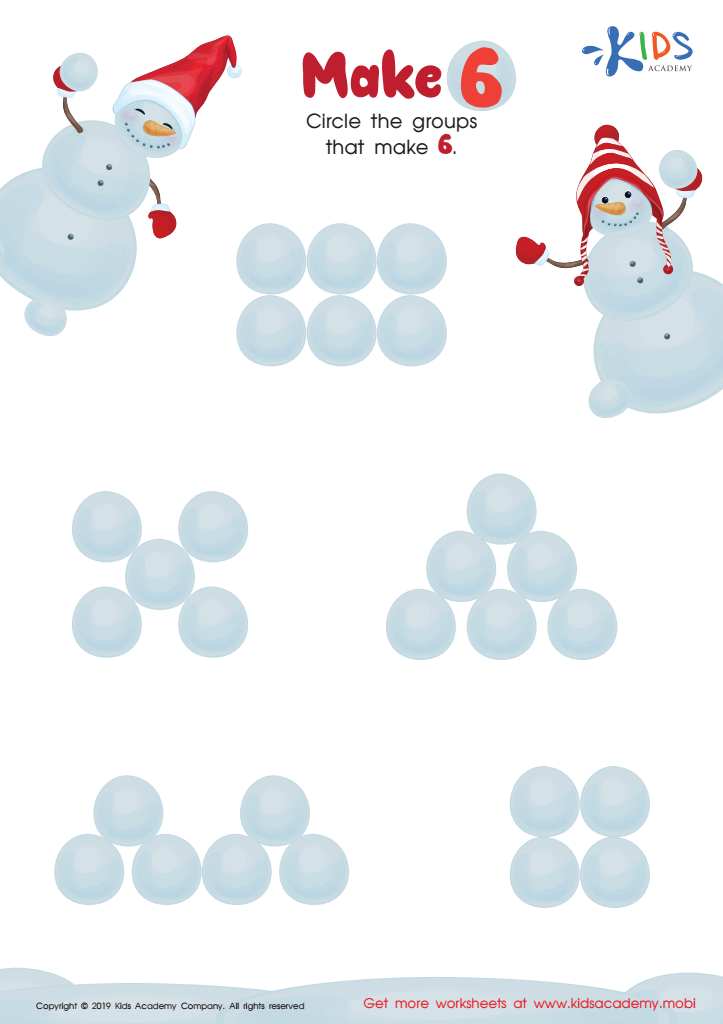
Make 6 Worksheet
 Assign to My Students
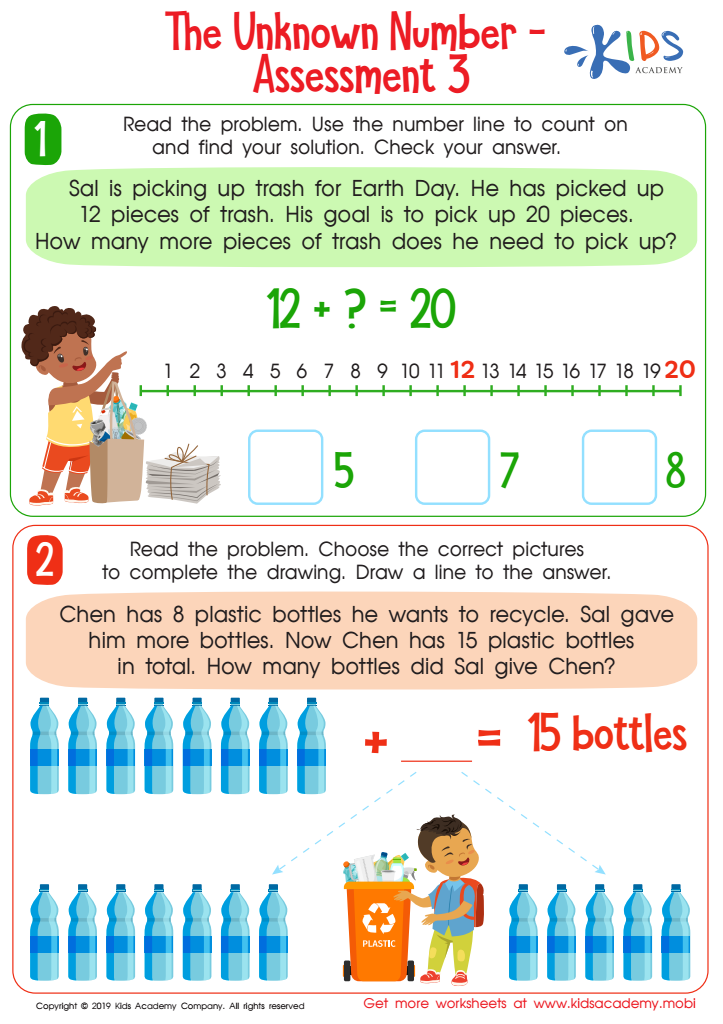
The Unknown Number - Assessment 3 Worksheet
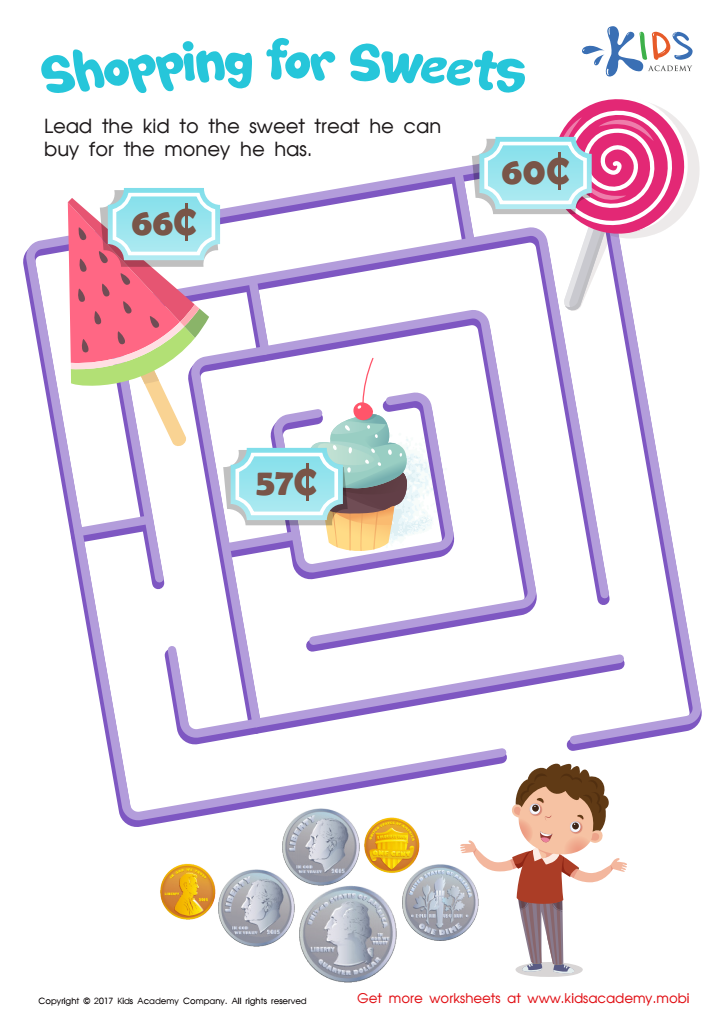
Shopping for Sweets Worksheet








Addition skills are foundational to a child’s mathematical development and overall academic success, making them crucial for parents and teachers to prioritize. In kindergarten, children begin to grasp the concept of numbers and quantities, and addition serves as one of the first structured ways to explore these ideas. Mastering addition helps children understand how numbers connect and the concept of combining quantities, which are essential in everyday situations, like sharing and counting.
Additionally, addition skills lay the groundwork for more advanced math concepts in subsequent grades. When children are confident in basic operations, they are more likely to perform well in future math tasks, reducing anxiety around the subject. Integration of addition in engaging activities, such as games and hands-on learning, fosters a positive attitude toward math and enhances critical thinking and problem-solving abilities.
Furthermore, supporting children in developing these skills encourages parental involvement and strengthens the home-school connection. Teachers can guide students' understanding of addition within diverse contexts, allowing for differentiated approaches to meet varied learning needs. By prioritizing addition skills in kindergarten, adults can build a solid foundation for children, equipping them for long-term academic success.








