
Recognizing Patterns Kindergarten Math Worksheets
3 filtered results
Difficulty Level
Grade
Age
-
From - To
Subject
Activity
Standards
Discover our "Recognizing Patterns Kindergarten Math Worksheets" designed to engage young learners in an exciting mathematical journey! These worksheets introduce the essential concept of patterns through fun and interactive activities, perfect for developing critical thinking and analytical skills. By identifying and creating patterns using shapes, colors, and objects, children enhance their observational abilities and learn foundational math concepts. Our printables are tailored to cater to diverse learning styles, promoting creativity and boosting confidence in young mathematicians. With clear instructions and vibrant illustrations, these worksheets make pattern recognition enjoyable and accessible for all kindergarteners. Download now and spark a passion for math early on!
Favorites
With answer key
Interactive
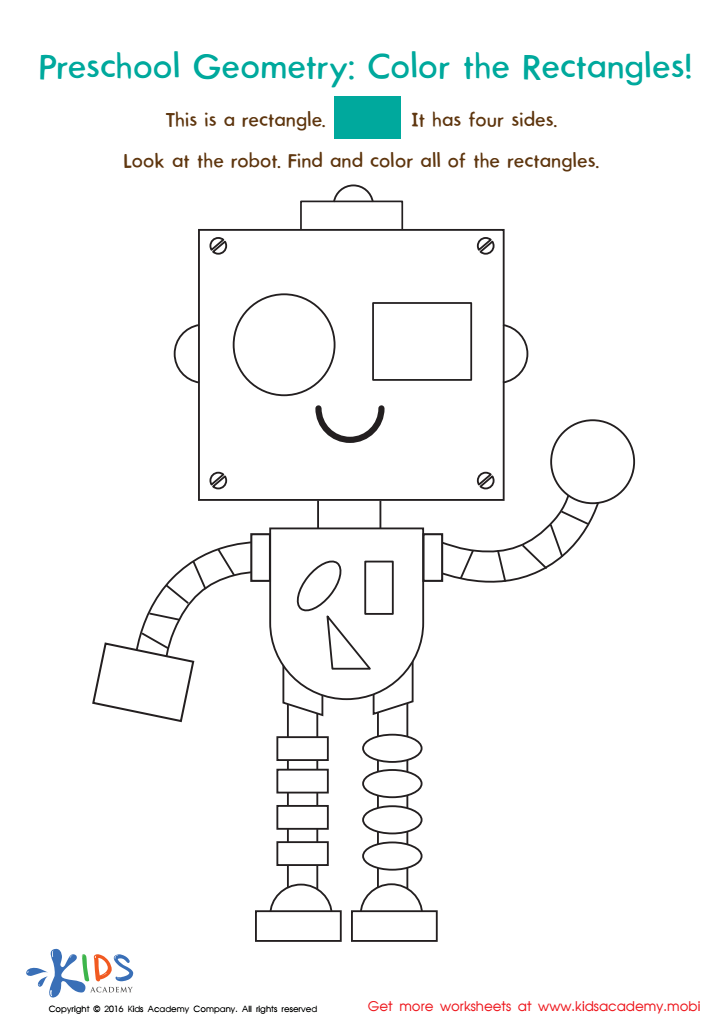
Geometry Worksheet
Geometry can be fun for kids! They explore shapes that create their favorite pics and objects. This preschool worksheet explains that rectangles have four sides, then kids color rectangles on a funny robot!
 Assign to My Students
Geometry Worksheet
Worksheet
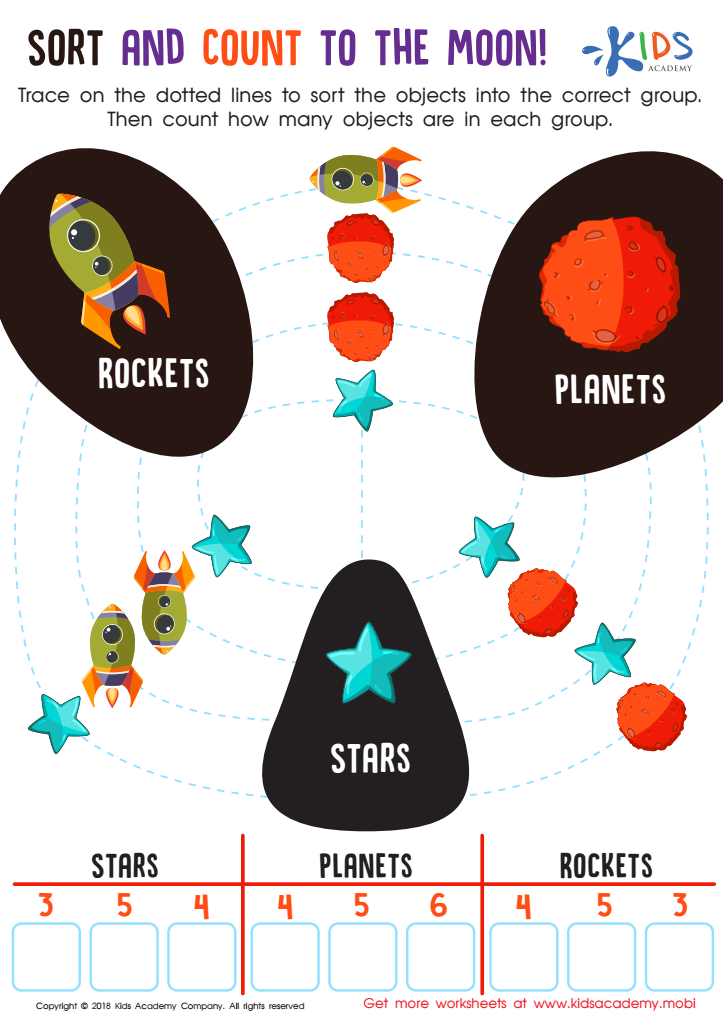
Sort and Count to the Moon Worksheet
Little space explorers will love counting, sorting and strengthening number sense with this galactic worksheet! They'll use traceable lines to sort pictures of stars, planets and rockets into categories according to properties. After sorting, they'll count each item and fill in the boxes. Bold pictures make it fun and build critical thinking skills.
Sort and Count to the Moon Worksheet
Worksheet
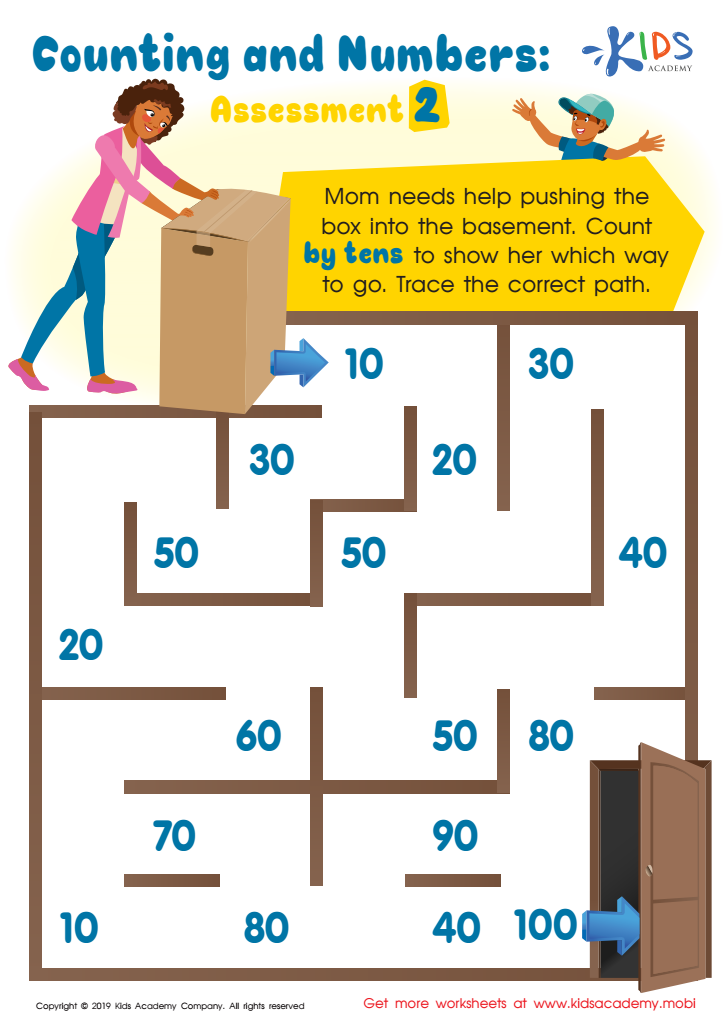
Counting and Numbers: Assessment 2 Worksheet
Kids love mazes and this free assessment worksheet helps them master counting by 10s. As they navigate the path, they'll improve their math skills and reach 100! It's a fun way to check your child's understanding of counting and chunking, and you'll quickly know their skill level.
Counting and Numbers: Assessment 2 Worksheet
Worksheet
Join Kids Academy for Free
Who is primarily going to use this learning content?




.jpg)


Recognizing patterns is a fundamental skill in early childhood mathematics that lays the groundwork for more complex mathematical concepts later on. When parents and teachers emphasize pattern recognition in Kindergarten, they help children develop critical thinking and analytical skills. Patterns are everywhere in our world, from natural occurrences to daily routines, and understanding them helps children make sense of their environment.
By engaging with patterns, children improve their ability to predict outcomes and build a strong foundation for algebraic thinking. This skill promotes logical reasoning, as children learn to identify sequences, relationships, and structures. For instance, recognizing a repeating sequence helps children understand concepts of addition and subtraction in the future.
Additionally, working with patterns fosters creativity as children experiment with different arrangements and designs. It enhances their communication skills as they describe and share their findings with others. Encouraging pattern recognition through play and hands-on activities can make mathematics enjoyable and relatable, reinforcing a positive attitude towards learning.
In sum, recognizing patterns in Kindergarten math is crucial not only for academic success but also for developing vital life skills. Both parents and teachers play a key role in nurturing these abilities, ultimately guiding children toward a brighter educational journey.








