Understanding Sequences Kindergarten Math Worksheets
6 filtered results
-
From - To
Help your child master foundational math with our "Understanding Sequences Kindergarten Math Worksheets." These worksheets are expertly designed to make learning sequences engaging and fun, enhancing your child's critical thinking and pattern recognition skills. Each activity is crafted to strengthen early math skills by guiding your child to identify, continue, and create sequences using colorful, appealing visuals. Perfect for classroom use or at-home practice, our worksheets support gradual progression in complexity, ensuring a comprehensive grasp of this essential math concept. Foster a love for learning and boost your child's confidence with our interactive and educational sequence activities.
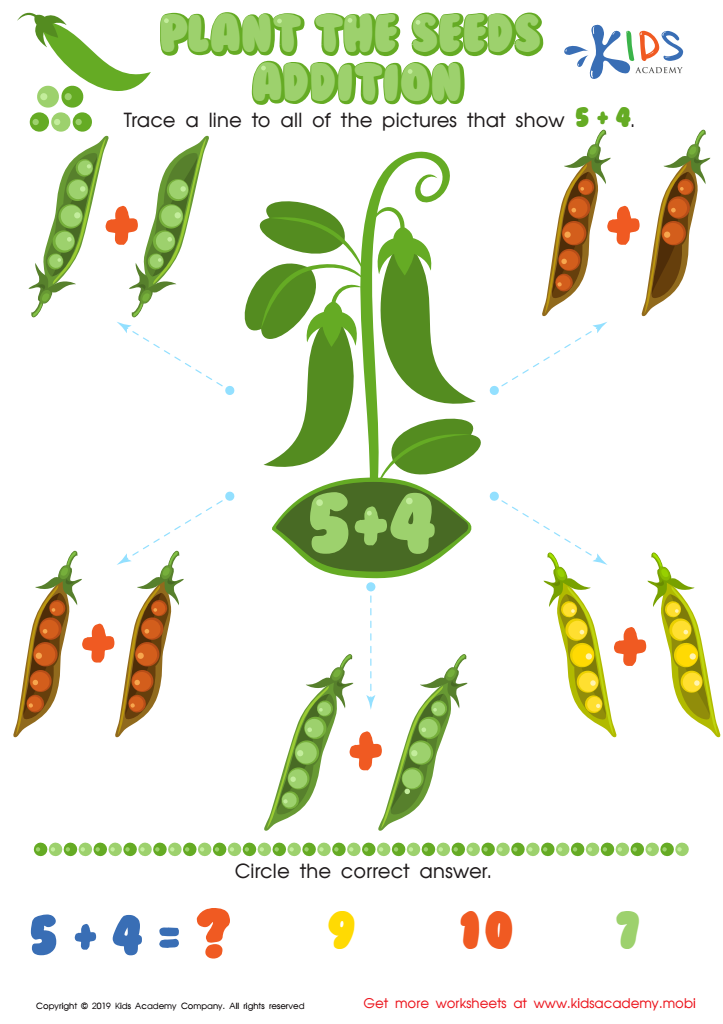
Plant the Seeds Addition Worksheet
 Assign to My Students
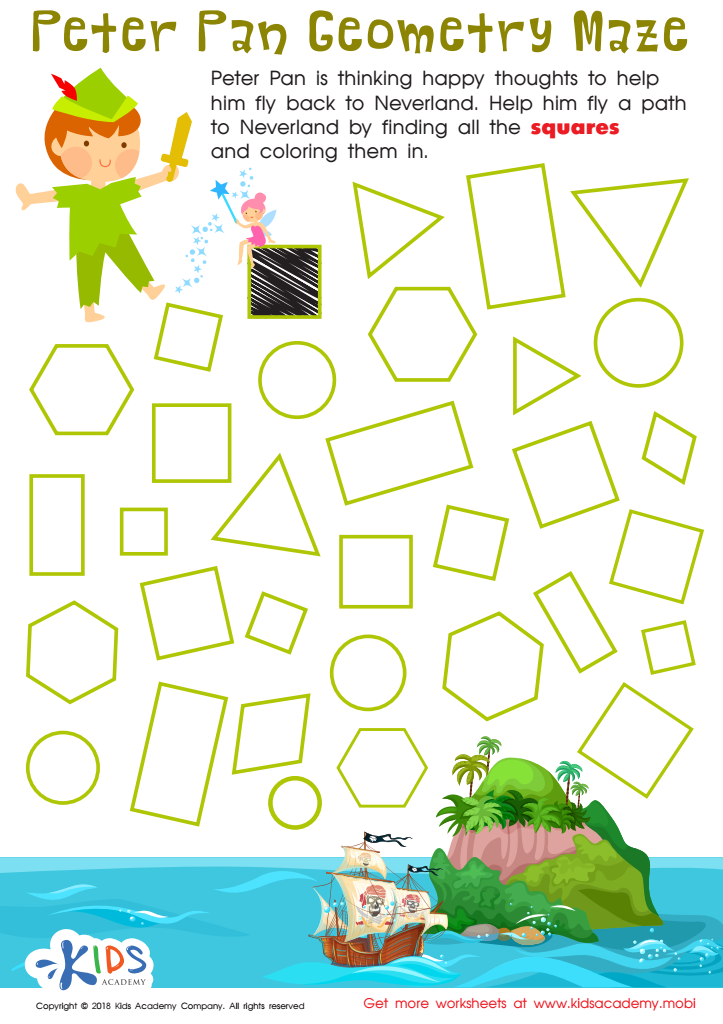
Peter Pan Worksheet
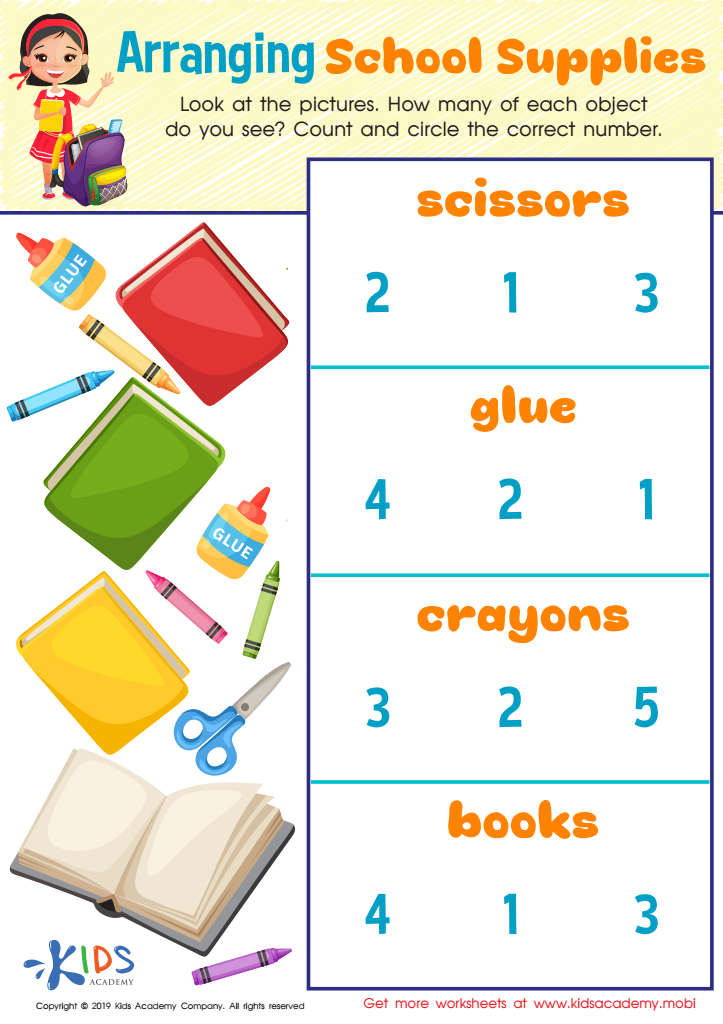
Arranging School Supplies Worksheet
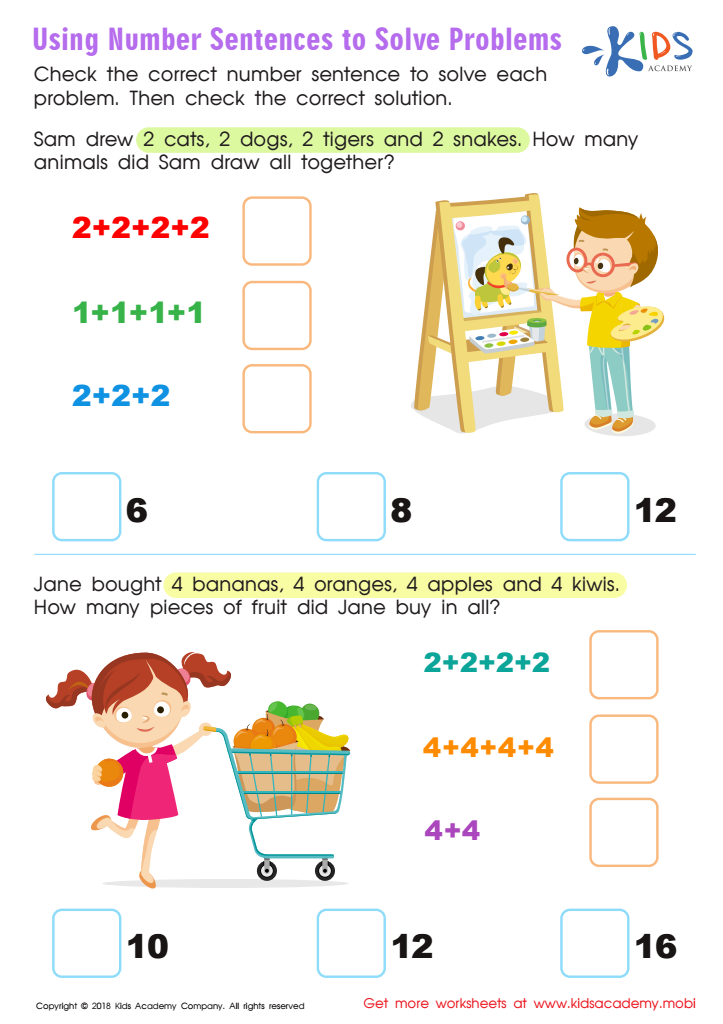
Using Number Sentences to Solve Problems Worksheet
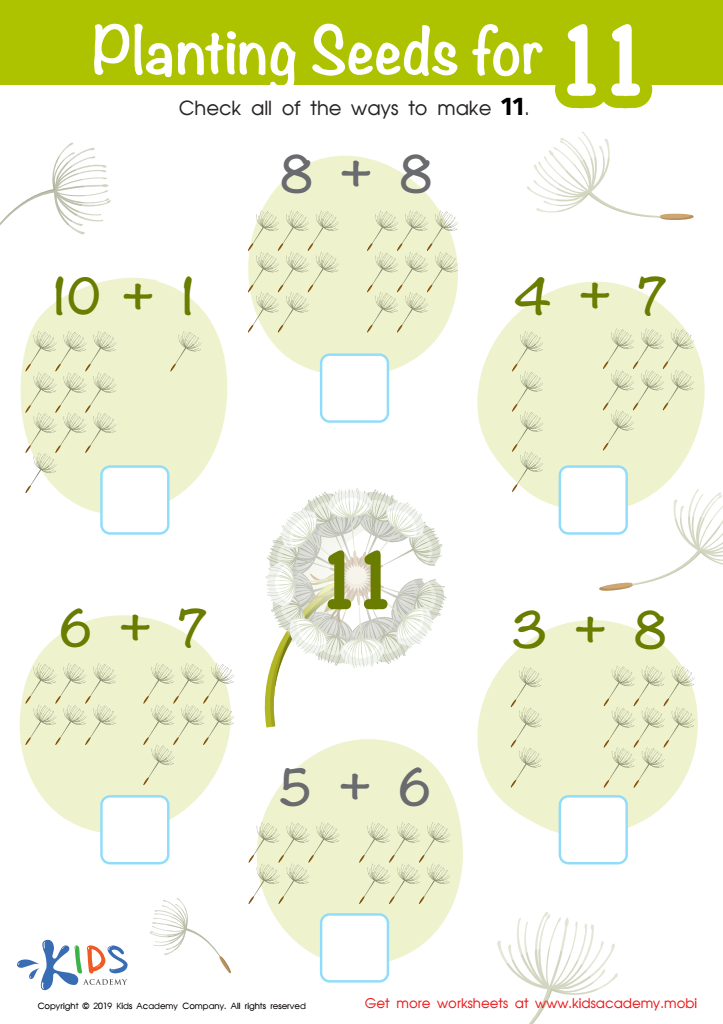
Planting Seeds for 11 Worksheet
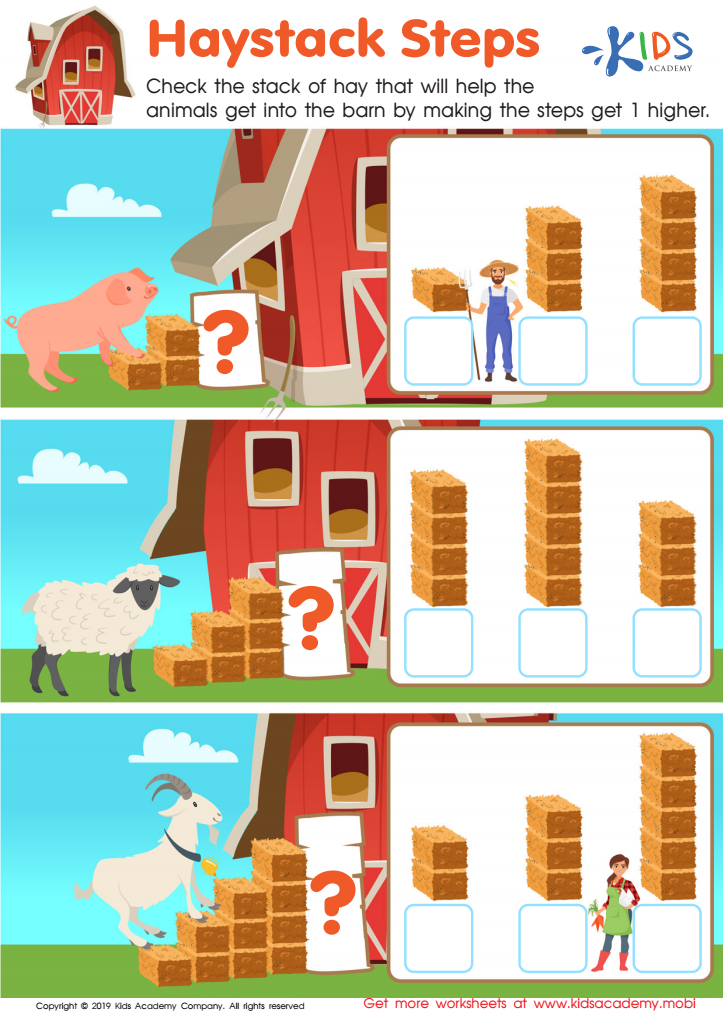
Haystack Steps Worksheet







Understanding sequences in kindergarten math is foundational for young learners and should be a priority for both parents and teachers. Sequences help children recognize patterns, which is critical for the development of their logical thinking and problem-solving skills. These abilities are not just essential for math but for general cognitive development and learning across other subjects.
When children grasp the concept of sequences, they begin to understand the order and predictability in numbers, letters, or daily routines. This recognition aids in establishing a sense of order in a child’s world, contributing to their ability to make predictions and plan ahead. For instance, understanding the sequence of days helps children anticipate events and manage their time better.
Moreover, engaging with sequences often involves identifying what comes next, comparing quantities, and establishing a rhythm — all of which strengthen early numeracy skills. They lay the groundwork for more complex mathematical concepts like addition, subtraction, and the basic structure of reading.
Helping children recognize and create sequences can enhance their observational skills and memory. By ensuring ample opportunities to explore sequences, through play and structured activities, teachers and parents can foster a positive and supportive learning environment. Therefore, a strong grasp of sequences in kindergarten sets the stage for lifelong learning and academic success.








