Fine Motor Skills Kindergarten Numbers 0–10 Worksheets - Page 2
48 filtered results
-
From - To

Eight Geese Worksheet
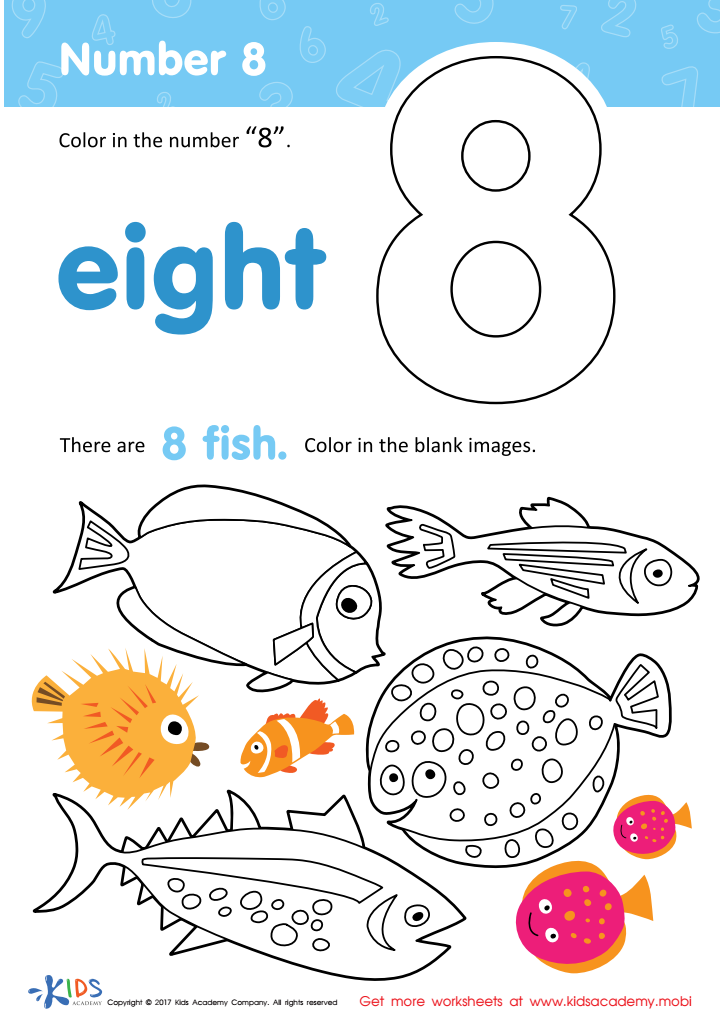
Number 8 Printable
 Assign to My Students
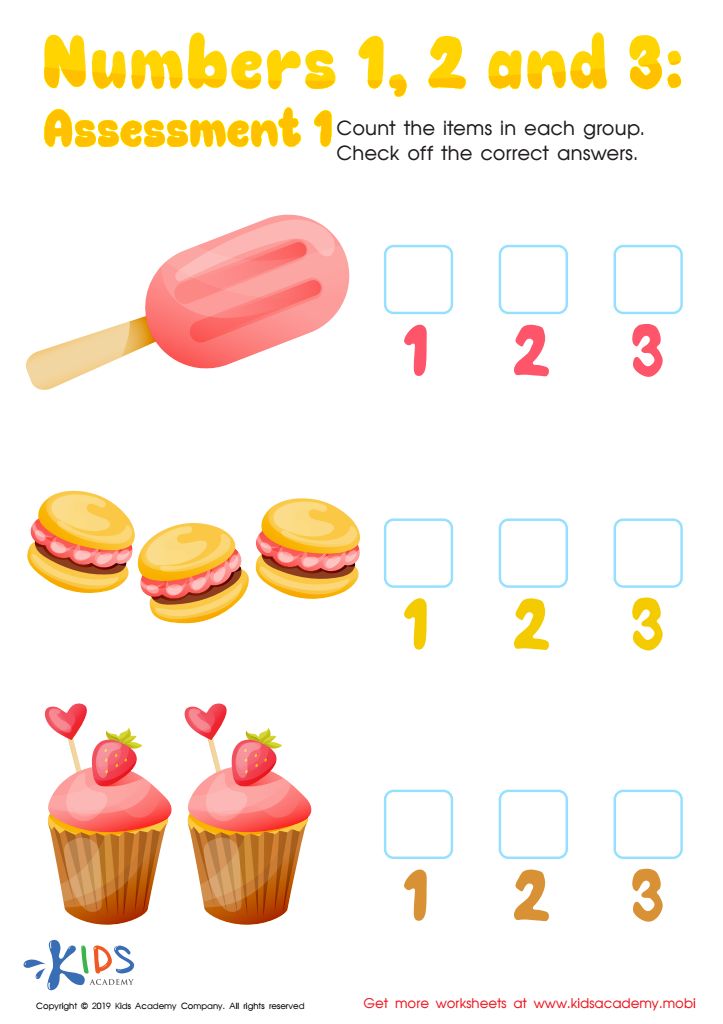
Numbers 1, 2 and 3: Assessment 1 Worksheet
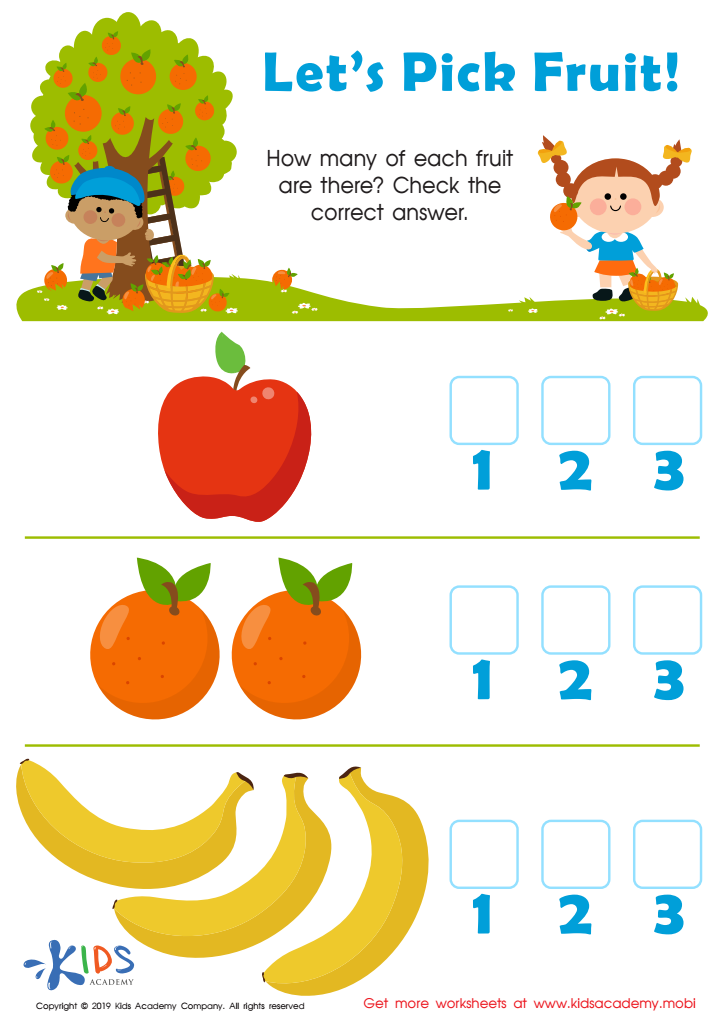
Let's Pick Fruit Worksheet
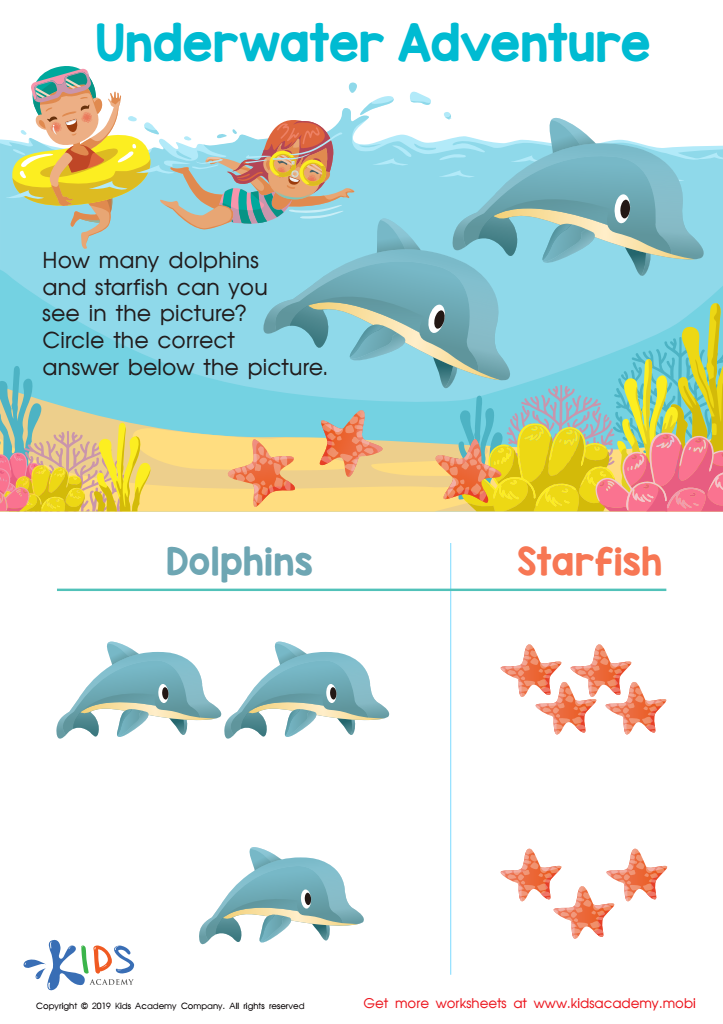
Underwater Adventure Worksheet
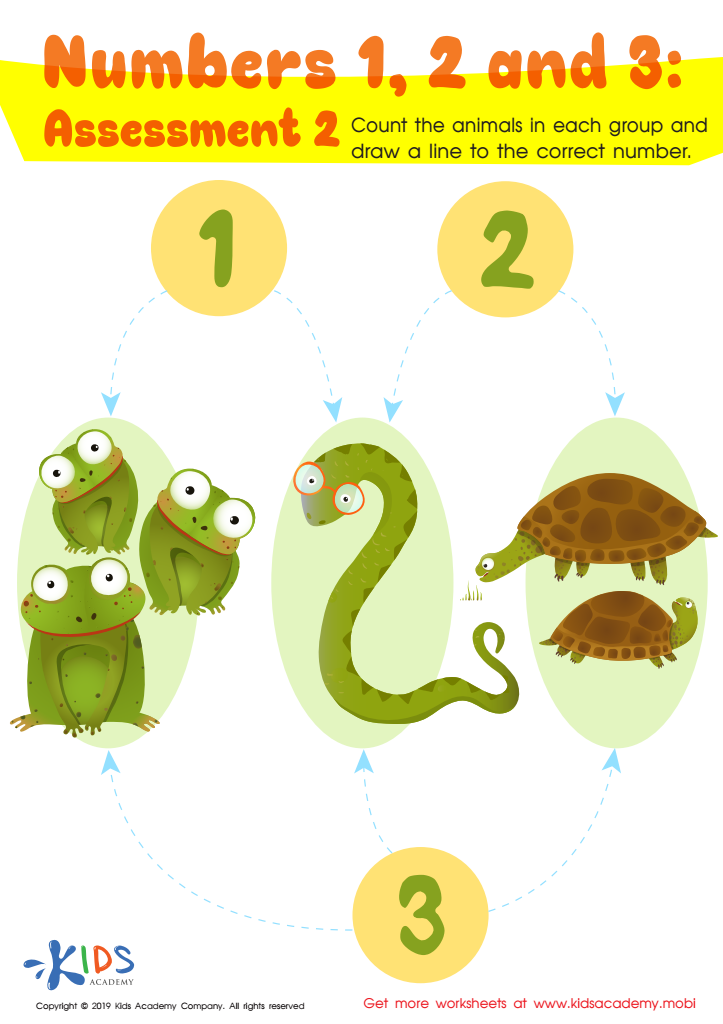
Numbers 1, 2 and 3: Assessment 2 Worksheet
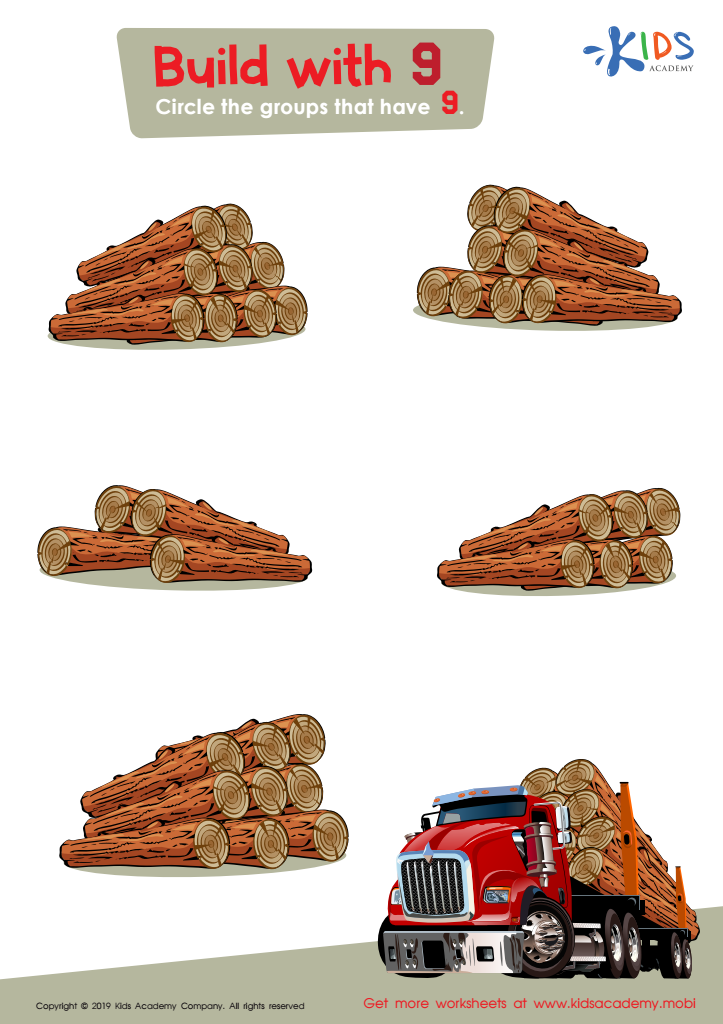
Build with 9 Worksheet
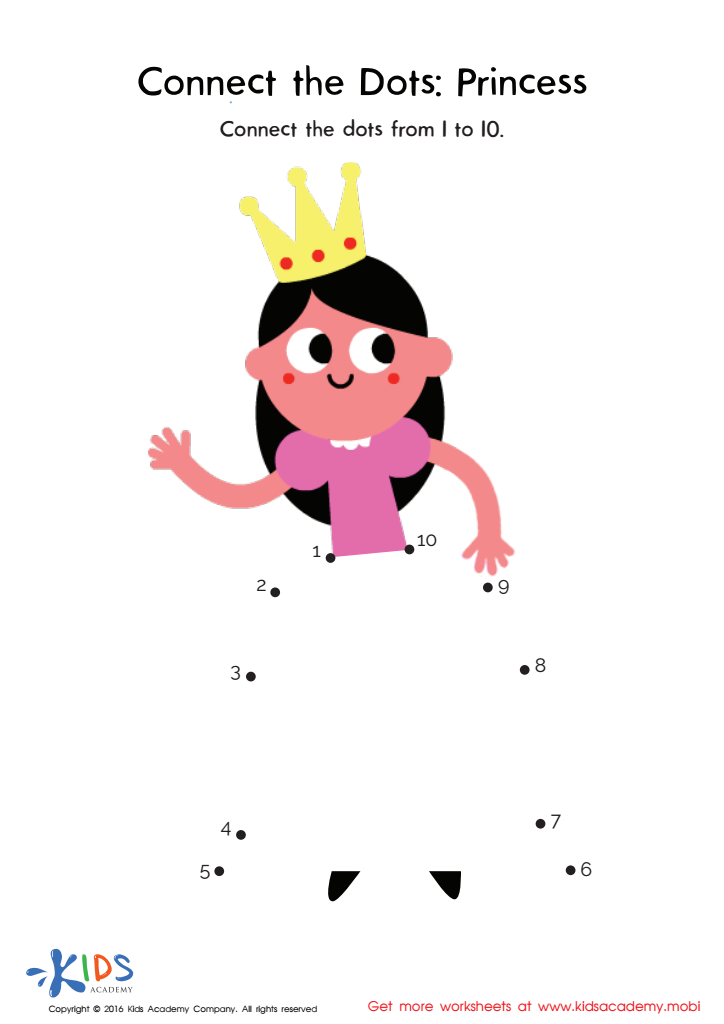
Princess Connect Dots Worksheet
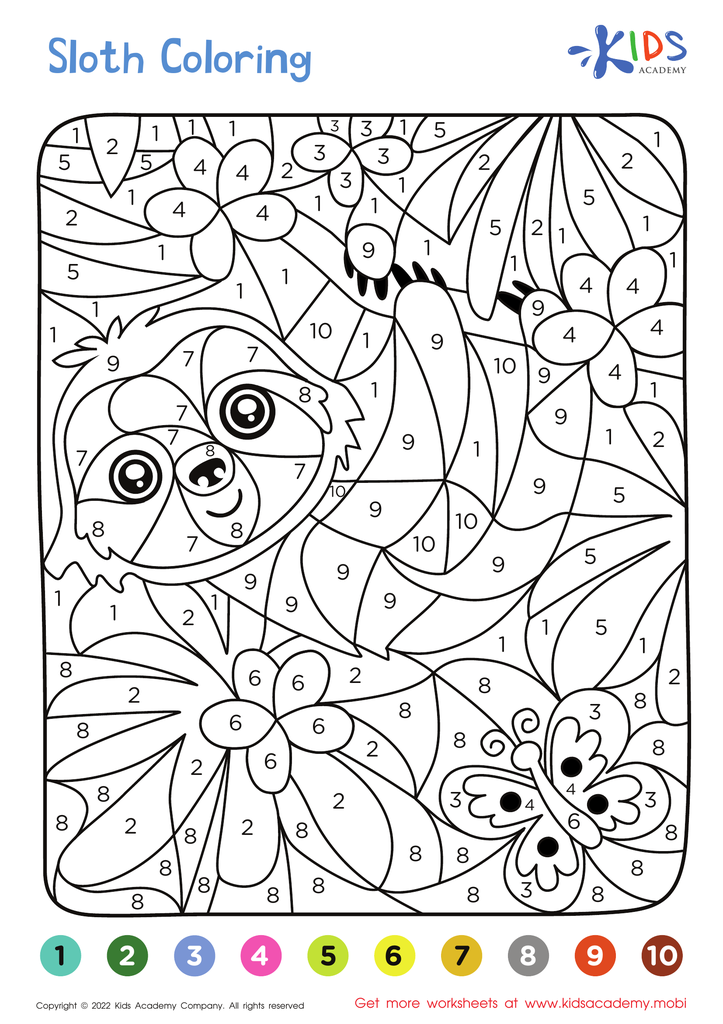
Sloth – Coloring by Numbers
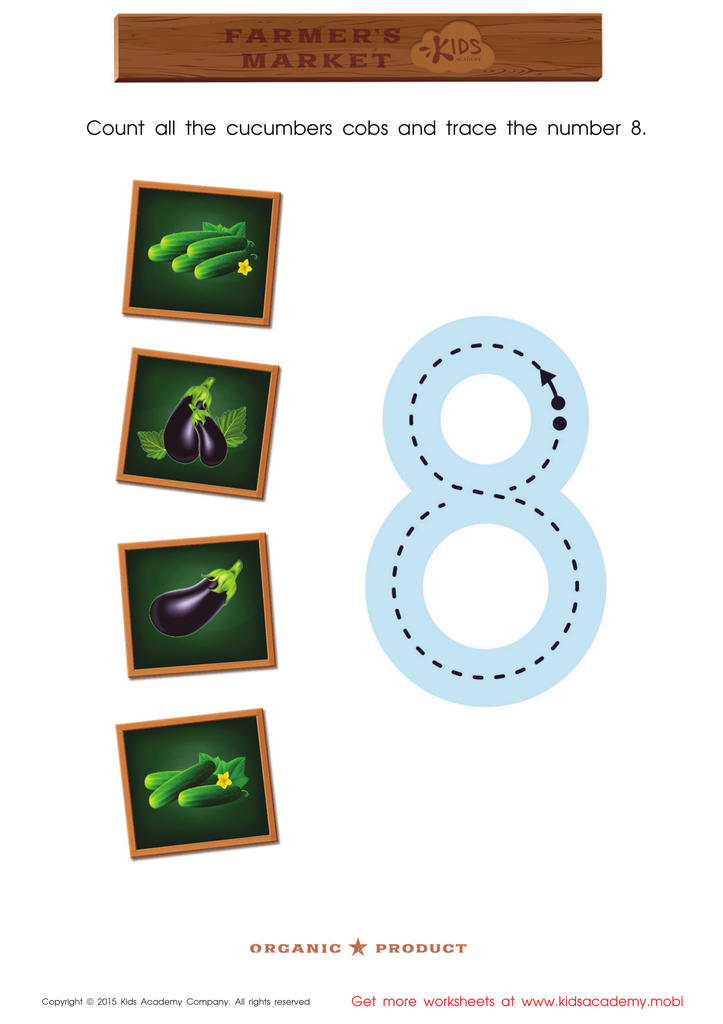
Count the Cucumbers and Trace the Number 8 Printable
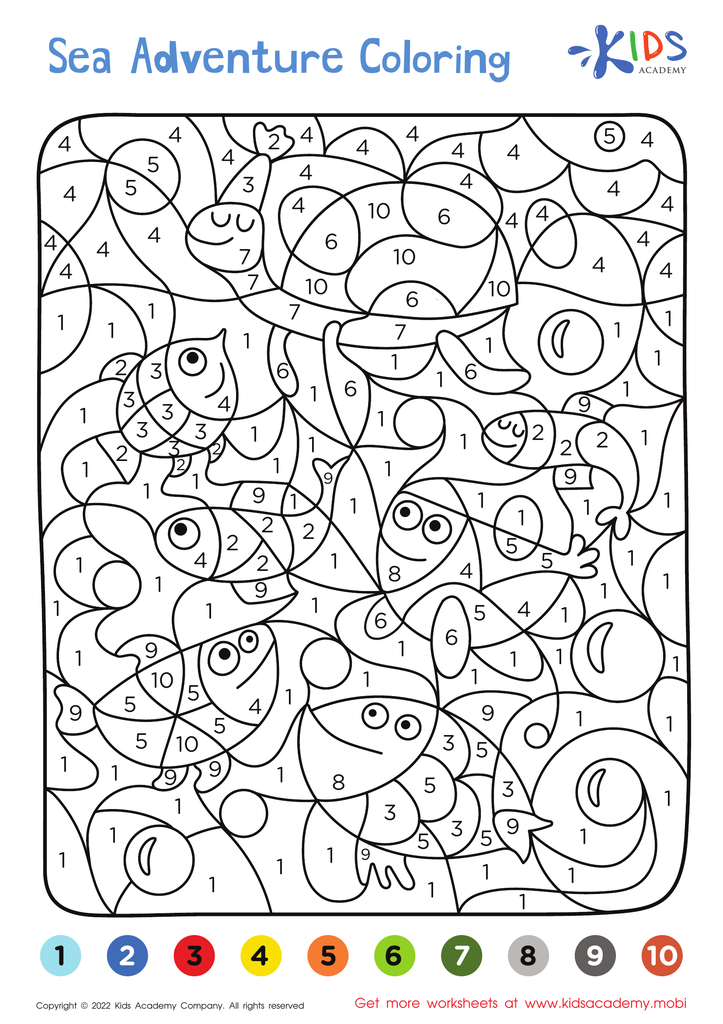
Sea Adventure – Coloring by Numbers
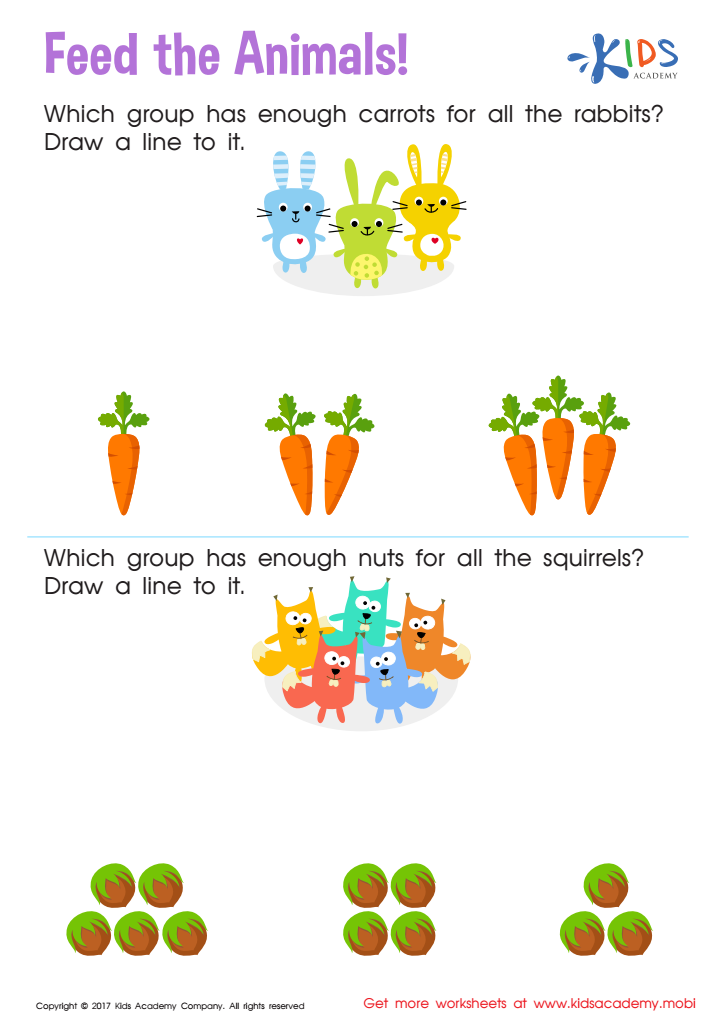
Count and Match: Feed the Animals Worksheet
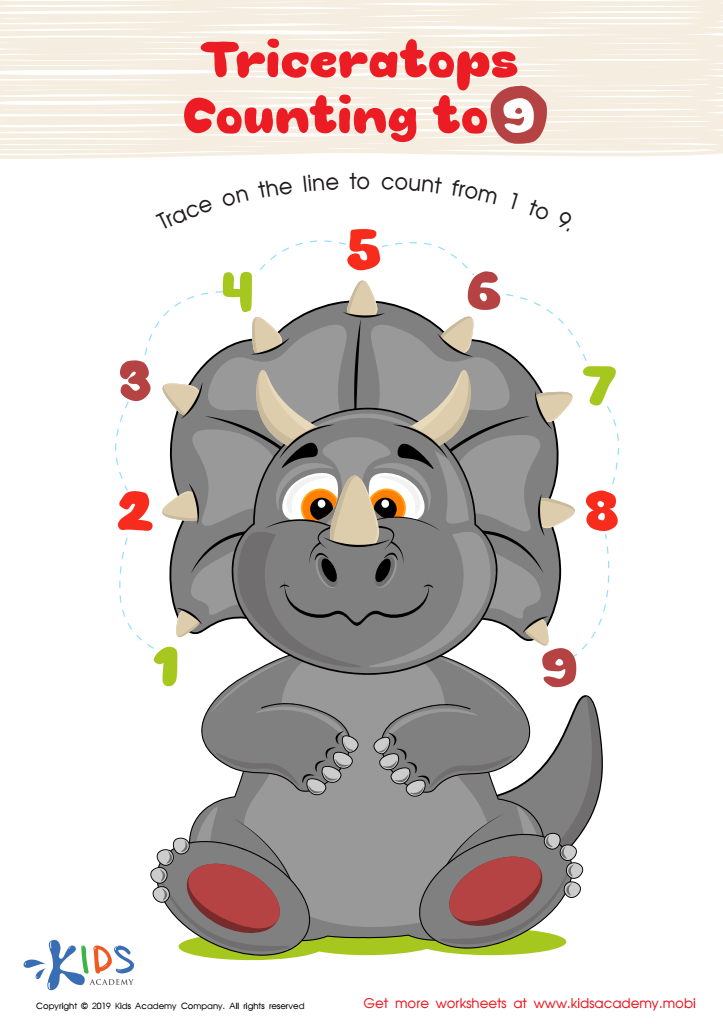
Triceratops Counting to 9 Worksheet
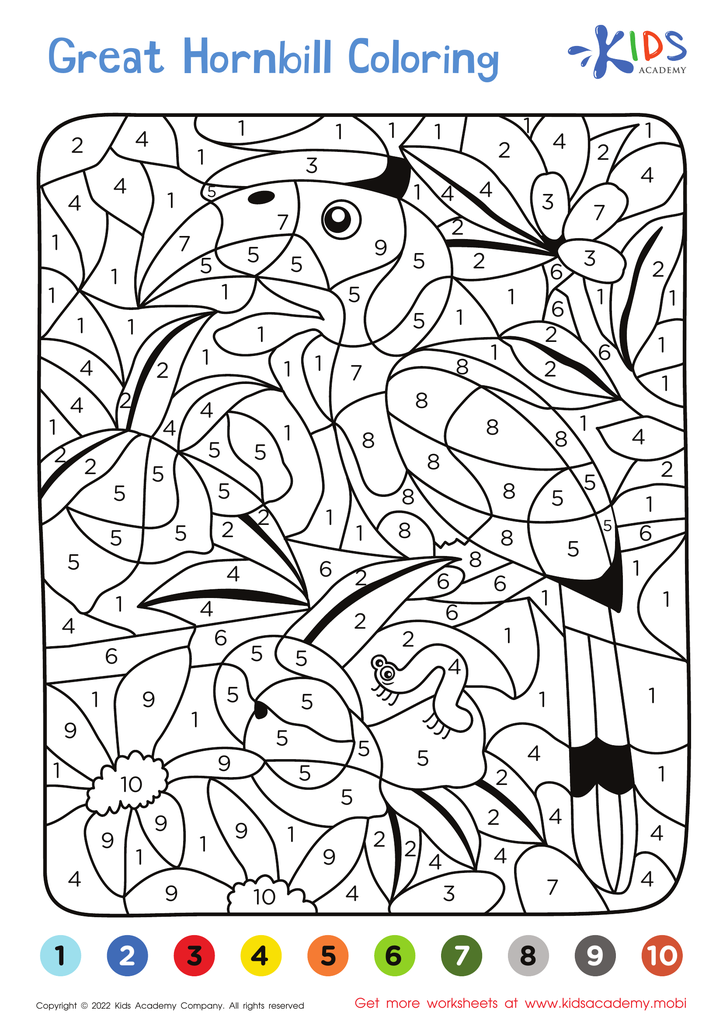
Great Hornbill – Coloring by Numbers
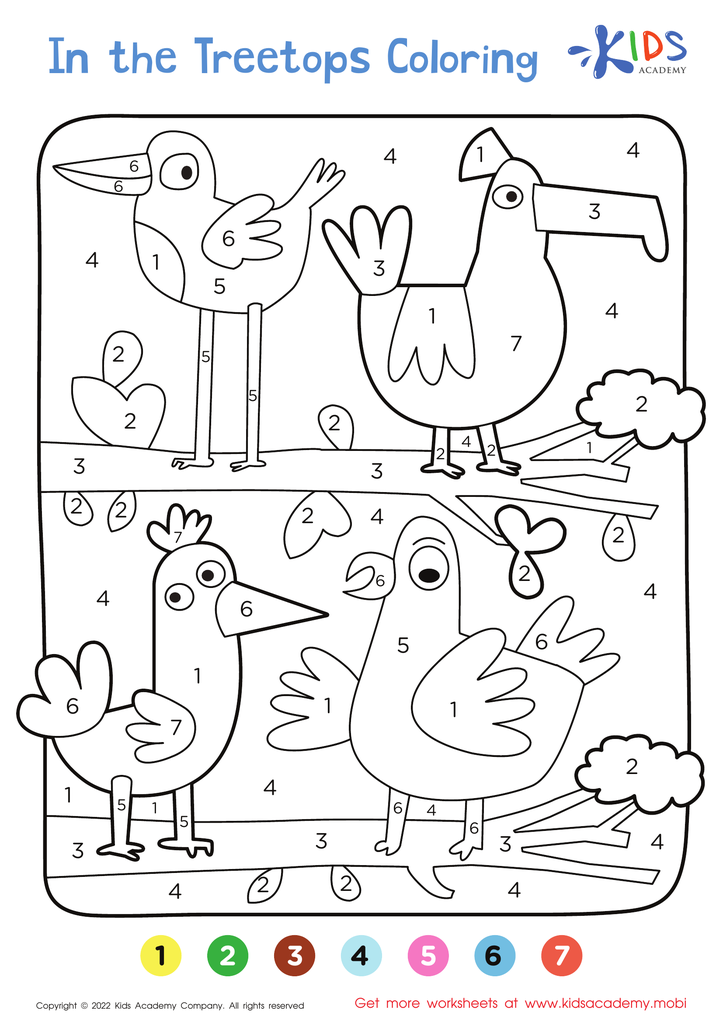
In the Treetops – Coloring Page
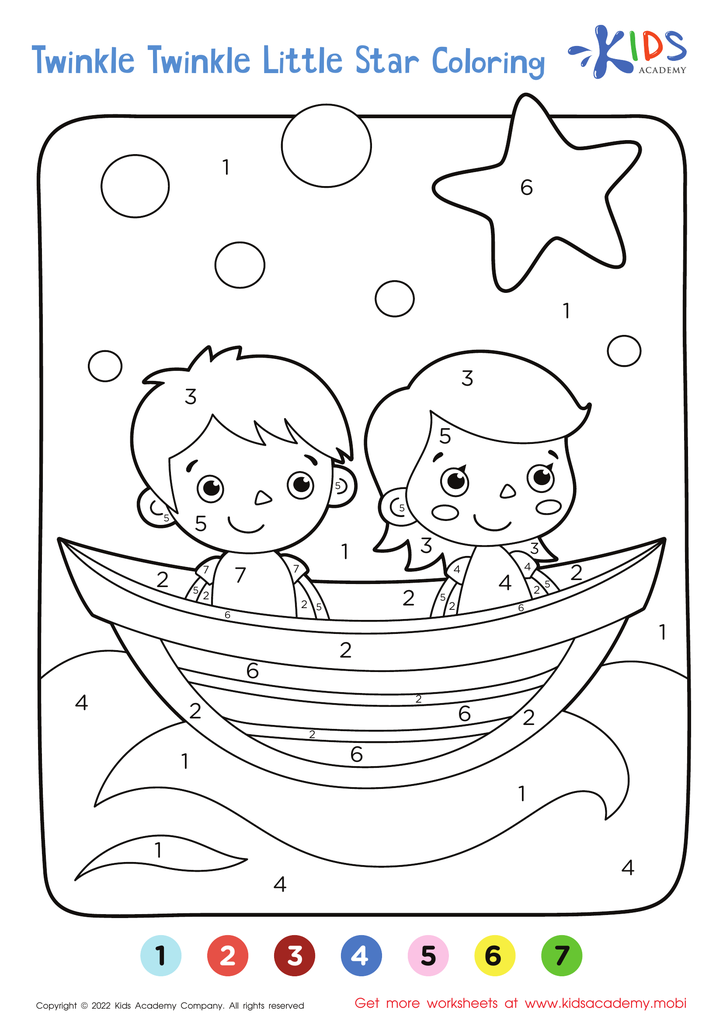
Twinkle, Twinkle, Little Star – Coloring by Numbers
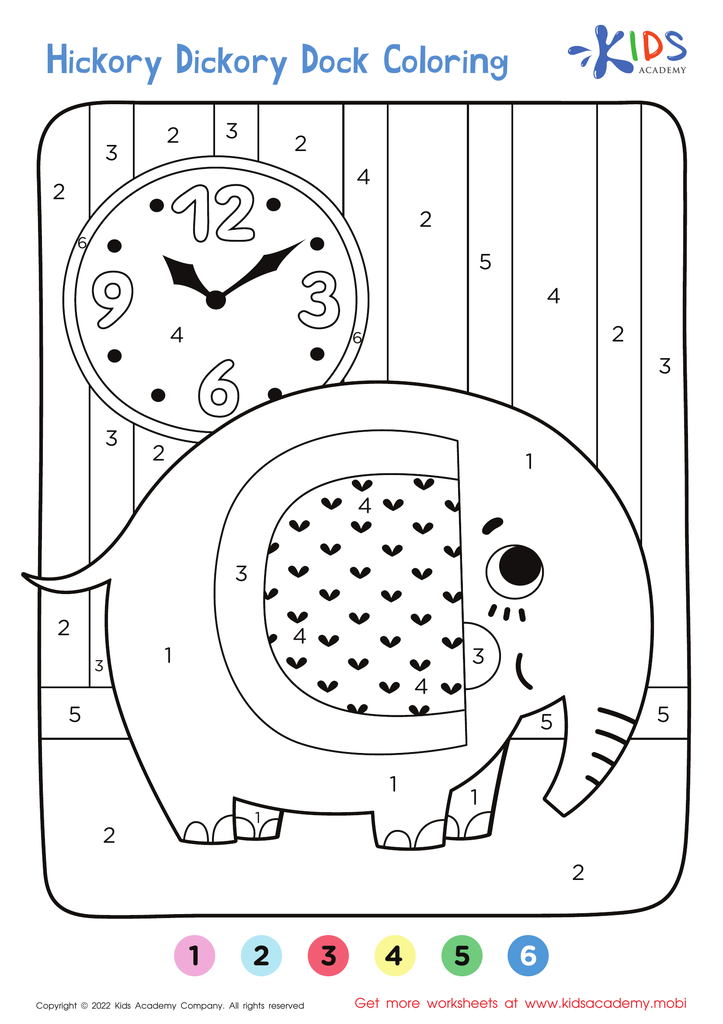
Hickory Dickory Dock – Coloring by Numbers
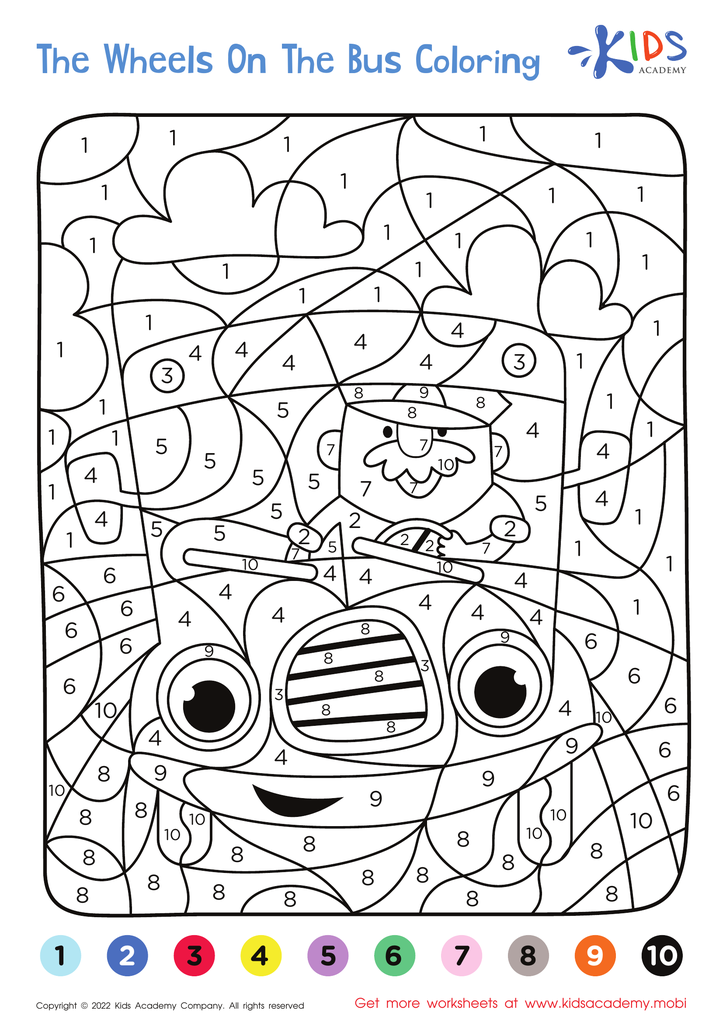
Wheels on the Bus – Coloring by Numbers
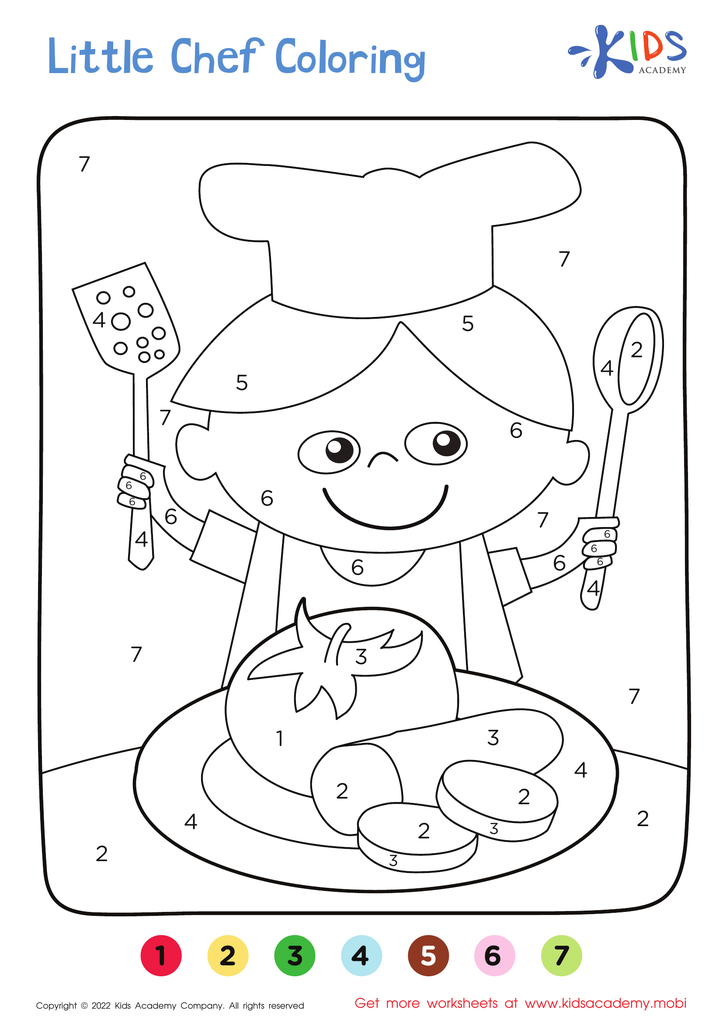
Little Chef – Coloring by Numbers

Night Sky Numbers Worksheet
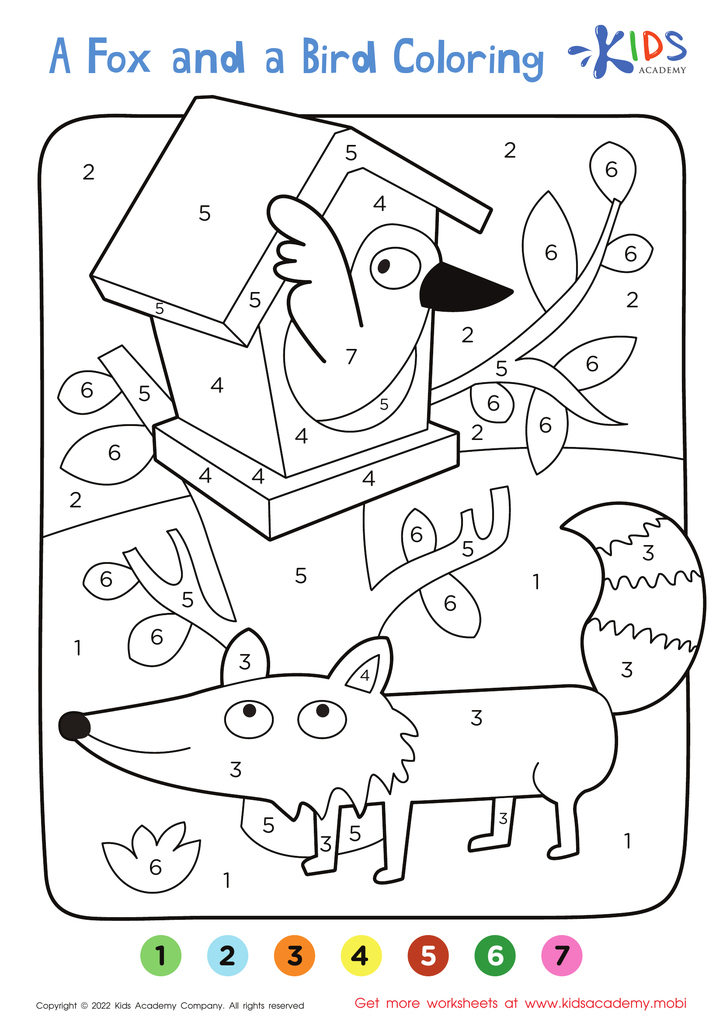
A Fox and a Bird – Coloring by Numbers
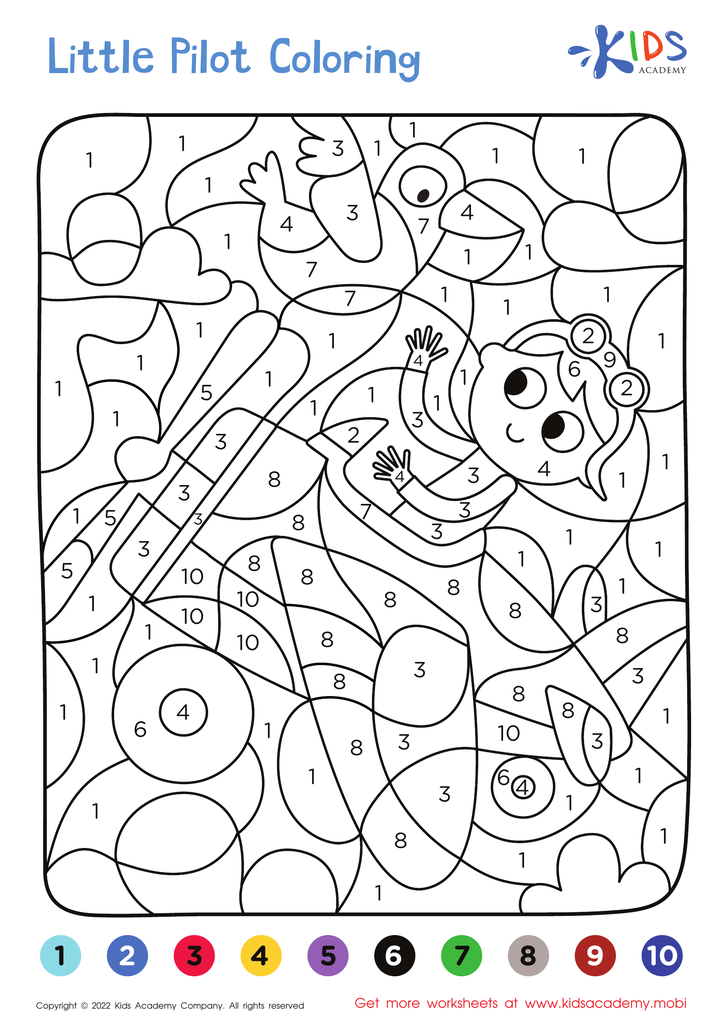
Little Pilot – Coloring by Numbers
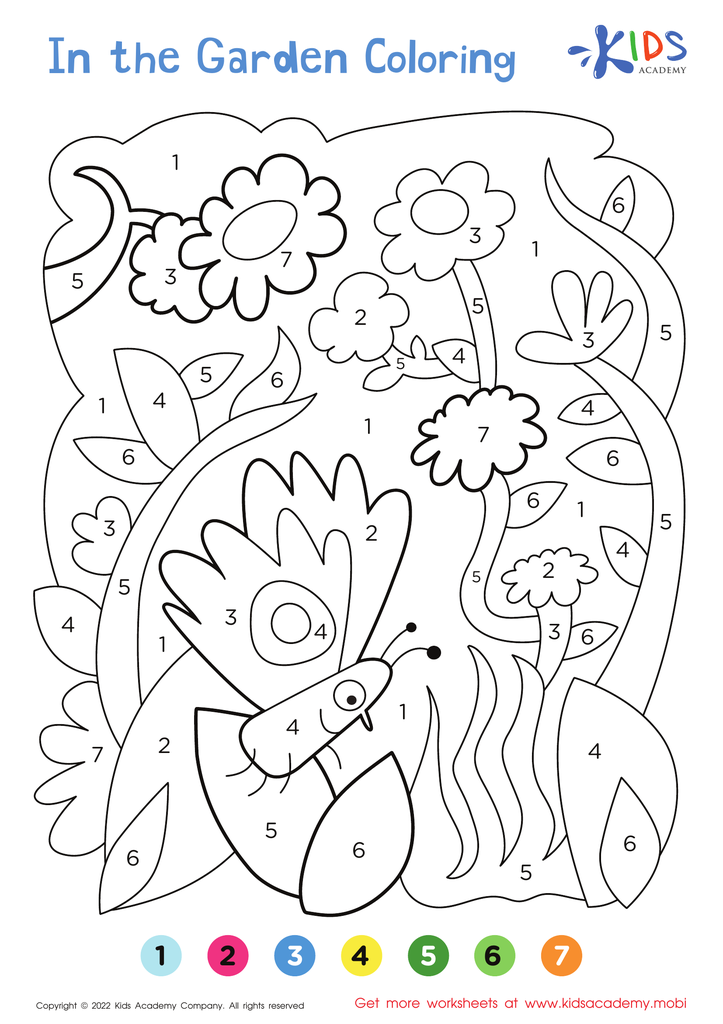
In the Garden – Coloring by Numbers
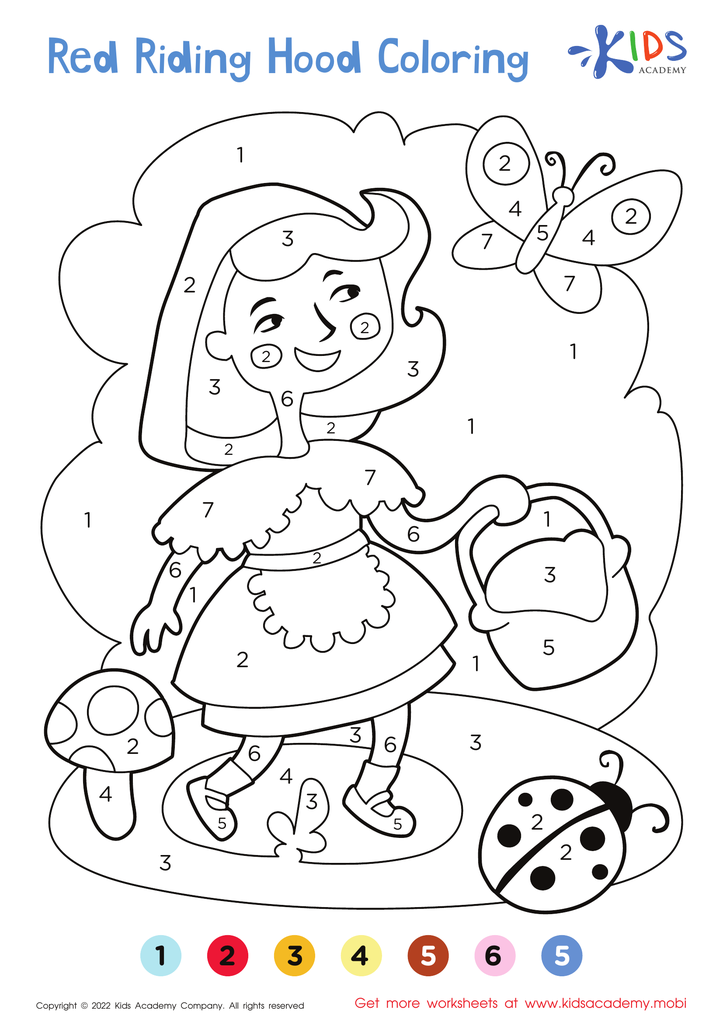
Little Red Riding Hood – Coloring by Numbers




Fine motor skills are crucial for young children's overall development and academic success. These skills involve the coordinated use of small muscles in the hands and fingers, essential for various daily activities. Focusing on fine motor skills in relation to kindergarten numbers 0–10 offers multiple benefits.
Firstly, fine motor activities, such as tracing or drawing numbers, enhance hand-eye coordination and muscle control, foundational skills for writing. When children engage in activities like counting manipulatives or forming numbers with clay, they also improve their dexterity and grip strength, vital for holding pencils and performing tasks with precision.
Secondly, understanding and practising numbers 0–10 through hands-on activities bolster cognitive development. It encourages children to think quantitatively, promoting early numeracy skills crucial for later mathematical learning. Associating fine motor tasks with number recognition helps children make meaningful connections between the physical action and abstract concepts.
Finally, fine motor development boosts a child’s confidence and independence, leading to better self-esteem and a positive attitude towards learning. Activities that build fine motor skills can also promote concentration, patience, and persistence—traits that benefit academic pursuits and everyday life.
Thus, integrating fine motor skills with early number education provides a well-rounded approach that supports developmental milestones across cognitive, physical, and emotional domains.