Basic Math Skills Kindergarten Building Vocabulary Worksheets
5 filtered results
-
From - To
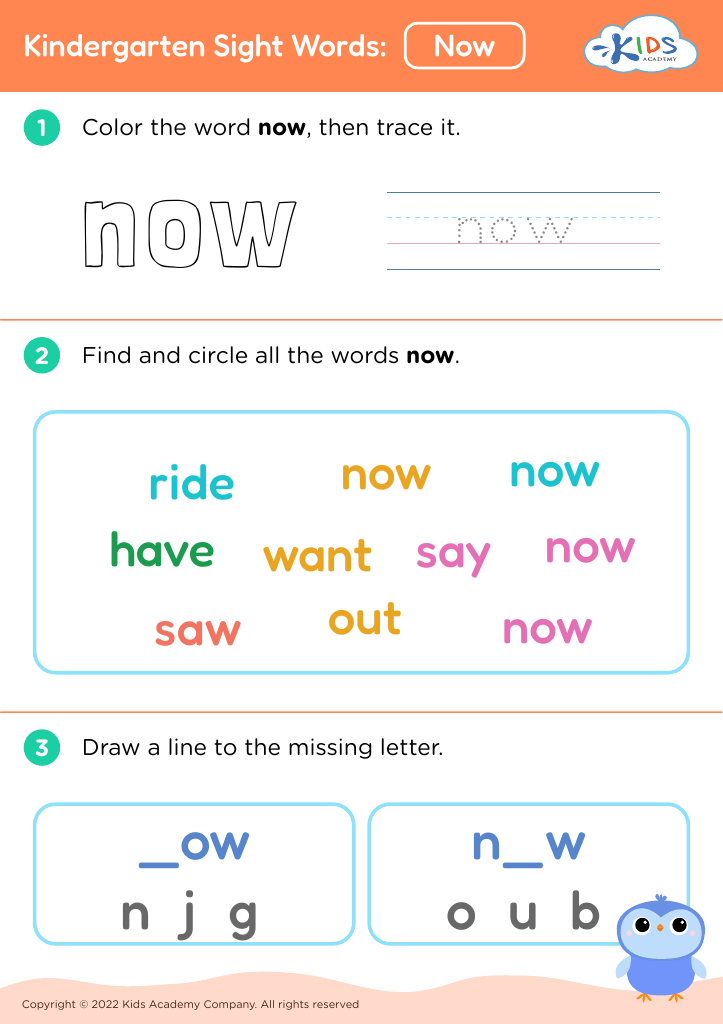
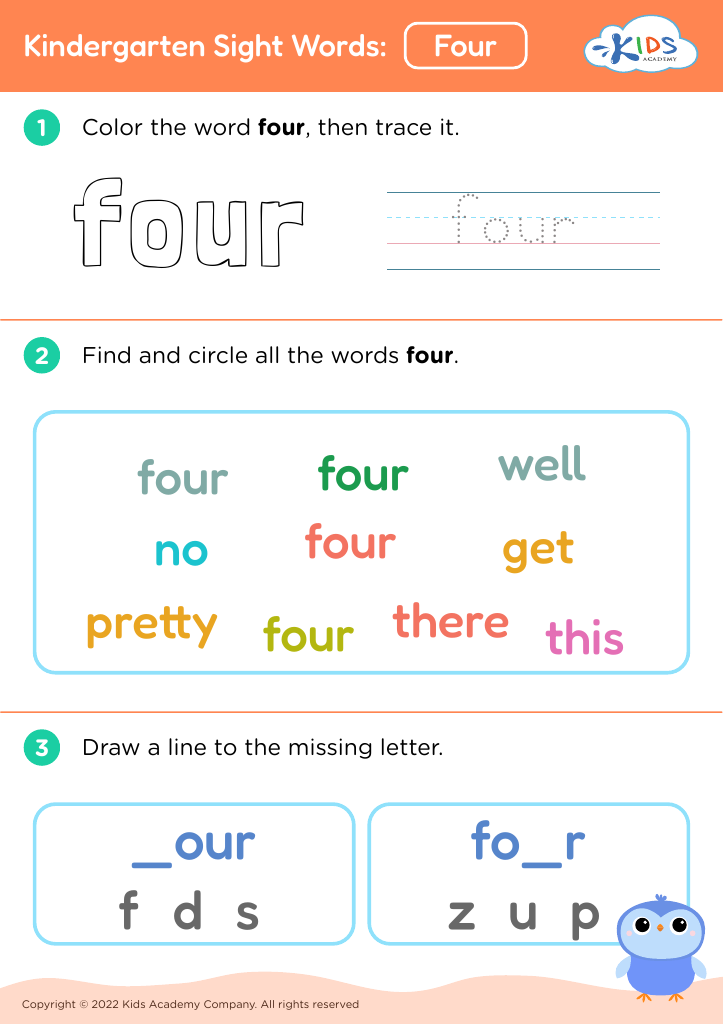
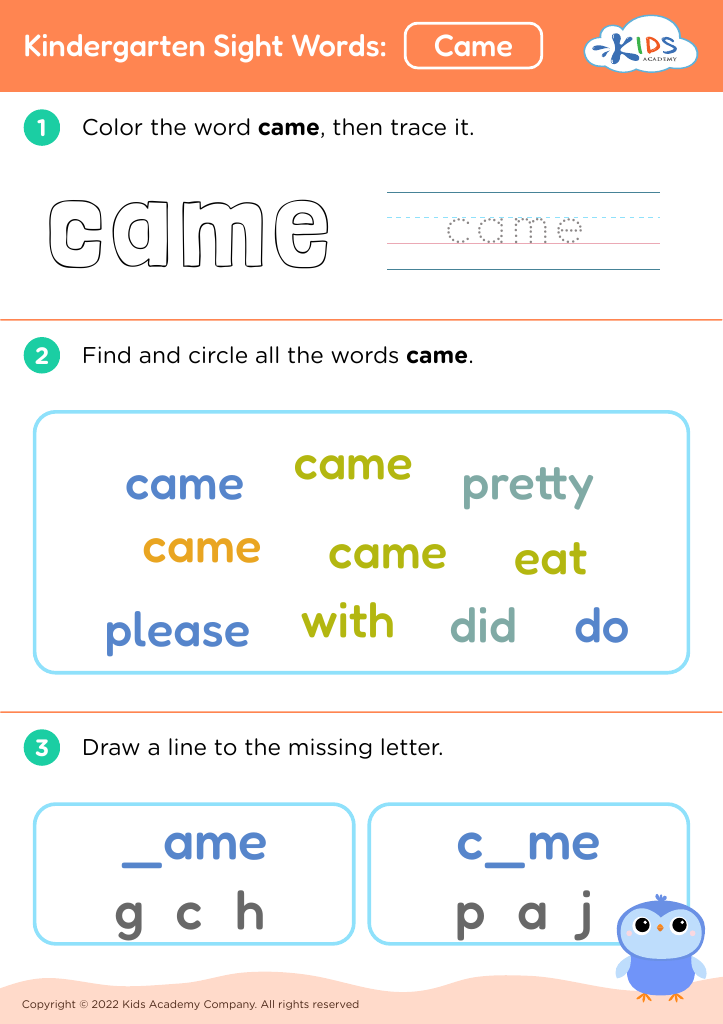
Enhance your child's foundational math knowledge with our engaging Basic Math Skills Kindergarten Building Vocabulary Worksheets! Designed for young learners, these worksheets seamlessly blend math concepts with vocabulary development, making learning both fun and effective. Students will explore essential math skills such as counting, basic addition and subtraction, and number recognition while expanding their language skills through related terminology. Our colorful and interactive resources encourage active participation, ensuring that kids stay motivated and focused. Perfect for classroom use or at-home practice, these worksheets are an excellent way to foster confidence in both math and language, setting the stage for future academic success.








.jpg)




Parents and teachers should prioritize basic math skills for kindergarteners, as these early foundations are crucial for a child's academic development and overall confidence. First, mastering basic math concepts like counting, addition, and subtraction fosters critical thinking and problem-solving abilities. These skills are often interconnected with language development, enhancing vocabulary essential for reading and communication.
Moreover, building math vocabulary introduces children to essential terms and concepts, which helps them articulate their thoughts and understand mathematical relationships. Engaging in math-related discussions promotes cognitive growth and strengthens comprehension skills in both math and language.
Additionally, early mastery of basic math skills sets the stage for future academic success. Students who develop these skills in kindergarten are more likely to excel in higher-grade math, leading to improved performance in subjects across the curriculum. It's also important for their emotional growth; as they succeed in math tasks, their self-confidence builds, fostering a positive attitude toward learning.
By actively participating in their child’s math education, parents and teachers can create enriching environments that stimulate curiosity and a love for learning, laying a solid foundation for future educational endeavors. Integrating math in everyday life transforms it into a fun and rewarding experience for young learners.