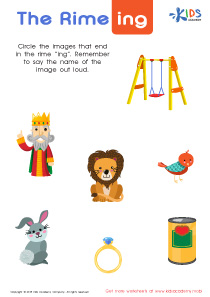
Color recognition Kindergarten Building Vocabulary Worksheets
10 filtered results
-
From - To
Enhance your child’s vocabulary and color recognition skills with our engaging Color Recognition Kindergarten Building Vocabulary Worksheets! Designed for young learners, these printable activities help children identify and name colors through fun exercises and vibrant illustrations. As they color, trace, and match items, they develop essential language skills while reinforcing their understanding of the world around them. Ideal for classroom use or home practice, these worksheets encourage creativity and exploration. Support your child's early education with thoughtfully crafted learning materials that make mastering colors enjoyable. Download now to inspire a passion for learning in your little one!
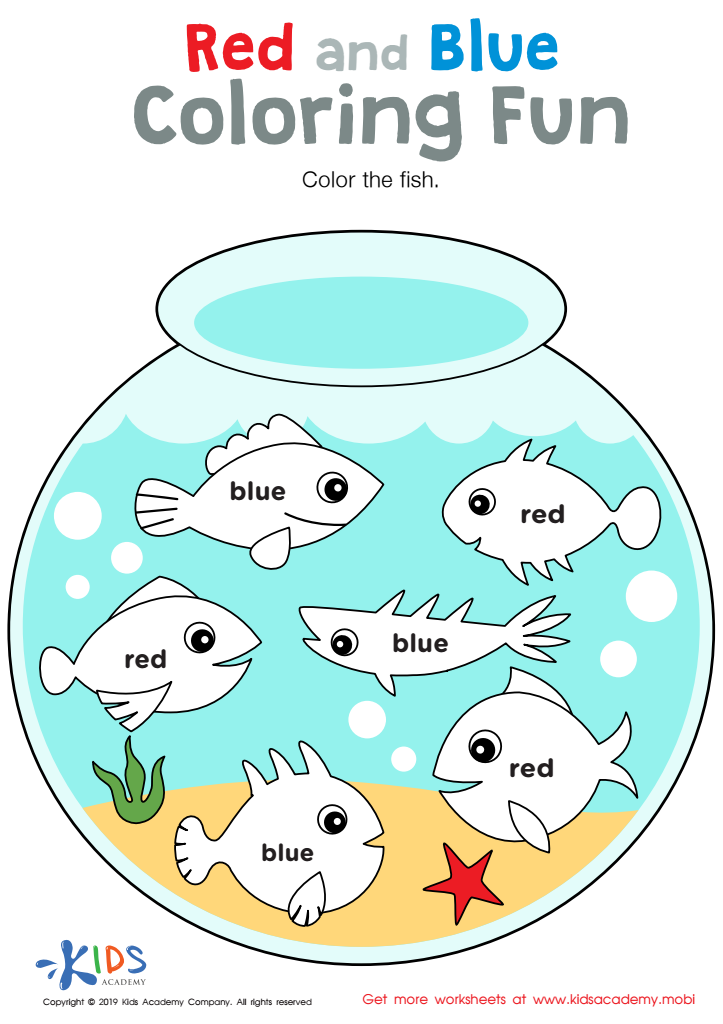
Red and Blue Coloring Fun Worksheet
 Assign to My Students











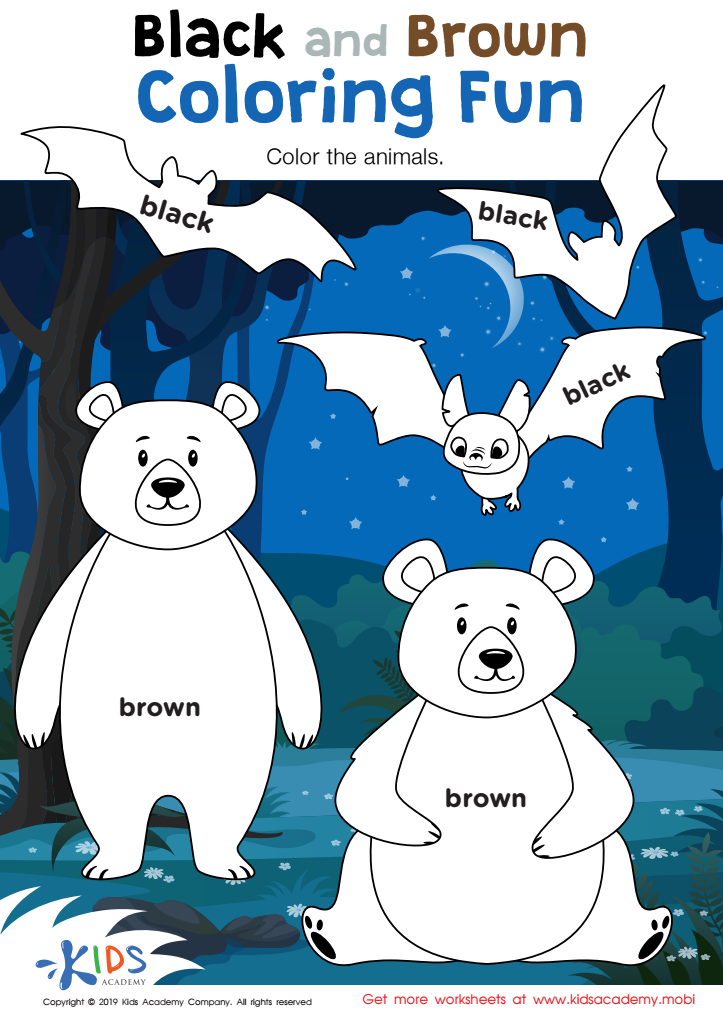
Black and Brown Coloring Fun Worksheet
Assign to My Students
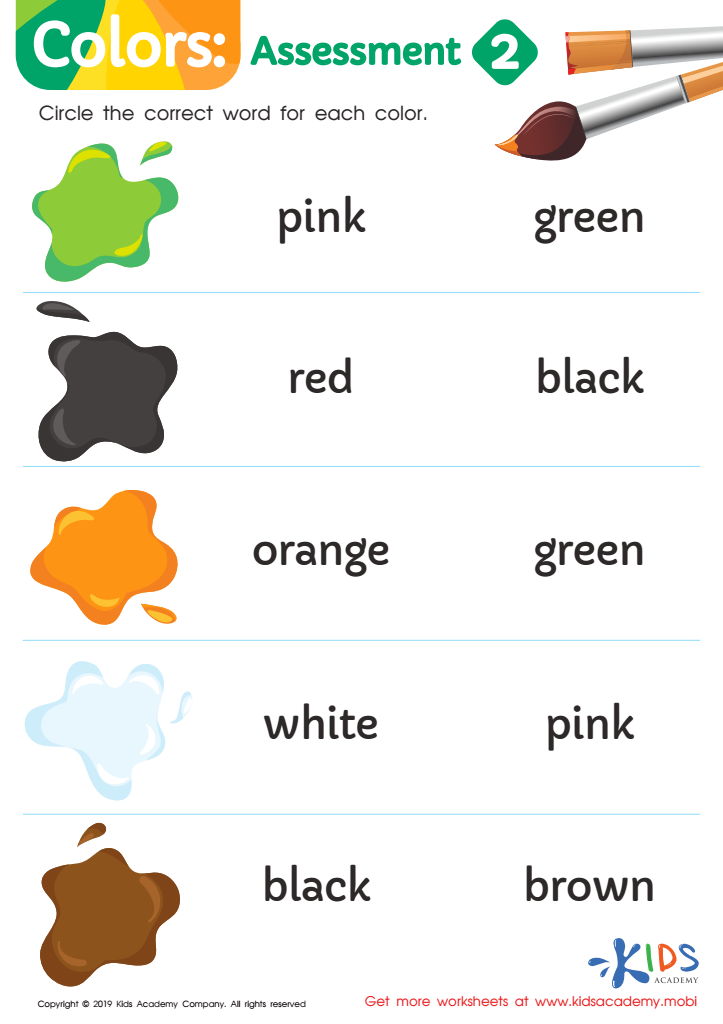
Colors: Assessment 2 Worksheet
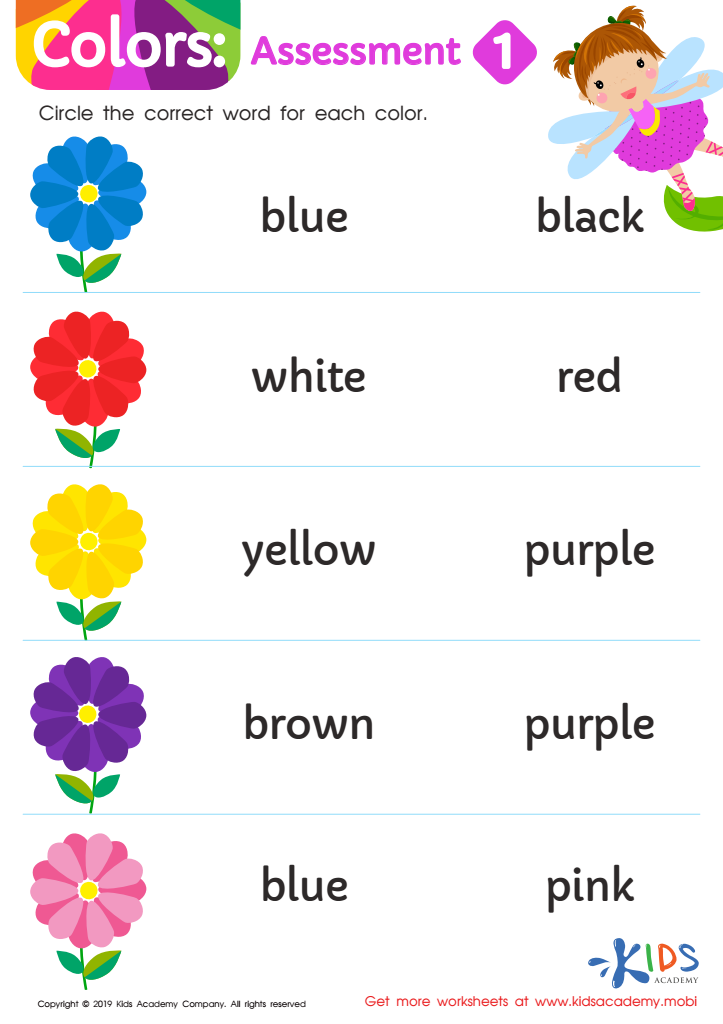
Colors: Assessment 1 Worksheet
Boy and Girl Words Coloring Worksheet
Assign to My Students
Monster's Face Coloring Worksheet
Assign to My Students
Tired and Worried Words Coloring Worksheet
Assign to My Students
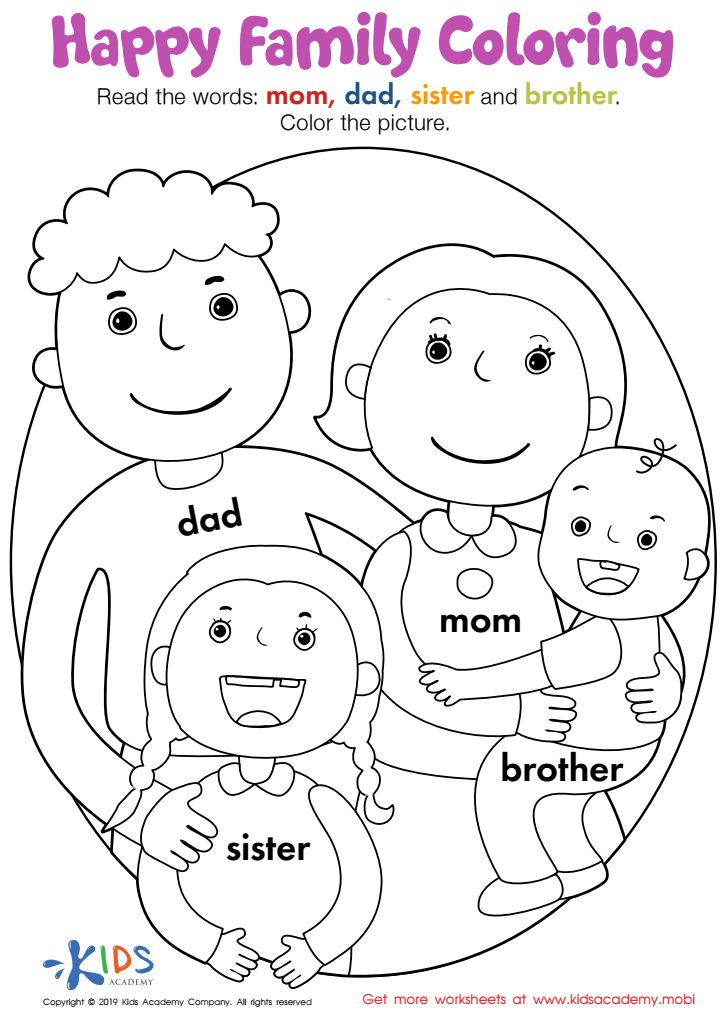
Happy Family Coloring Worksheet
Assign to My Students


.jpg)




Color recognition is a fundamental skill that plays a crucial role in early childhood development, making it essential for parents and teachers to prioritize. First and foremost, recognizing colors helps children develop their vocabulary. When they learn to identify colors, they also expand their descriptive language, enabling them to express thoughts, feelings, and observations more precisely. For example, stating “the red ball” instead of just “the ball” enhances their ability to communicate visually and verbally.
Moreover, color recognition aids cognitive development, as it encourages critical thinking and enhances memory. Children learn to categorize objects and understand relationships, laying the groundwork for more complex concepts in math and science, such as sorting and pattern recognition.
Additionally, engaging with colors can boost creativity and imagination. Activities involving colors—like painting, crafting, or nature explorations—stimulate artistic expression and problem-solving abilities. Furthermore, color recognition can also strengthen social skills as children engage in group activities, discussing and sharing their views.
Ultimately, fostering color recognition in kindergarten not only enhances verbal skills but also enriches children’s overall learning experiences, setting the stage for lifelong learning and healthy interpersonal communication. It is essential for parents and teachers to invest in this vital aspect of early education.