Comparing Fractions Kindergarten Building Vocabulary Worksheets
7 filtered results
Difficulty Level
Grade
Age
-
From - To
Subject
Activity
Standards
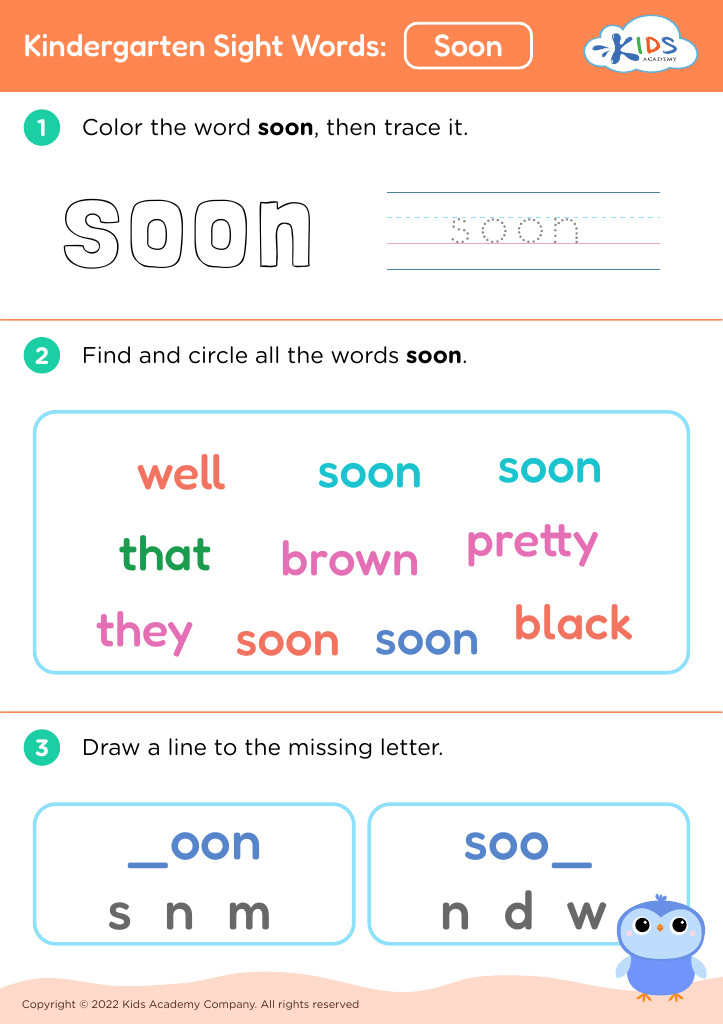
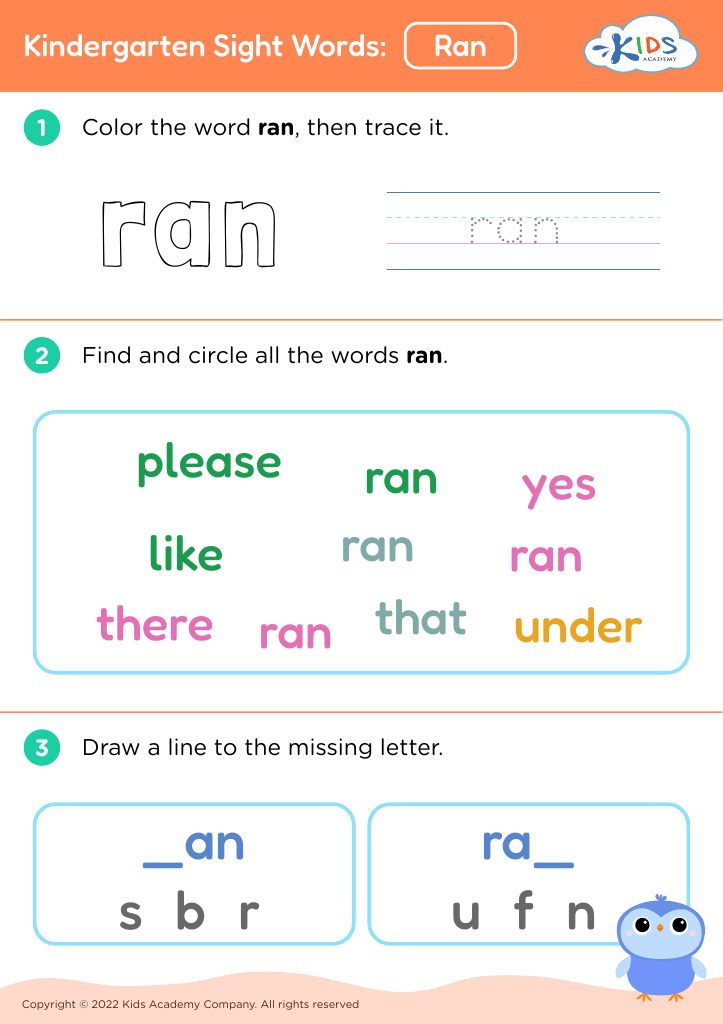
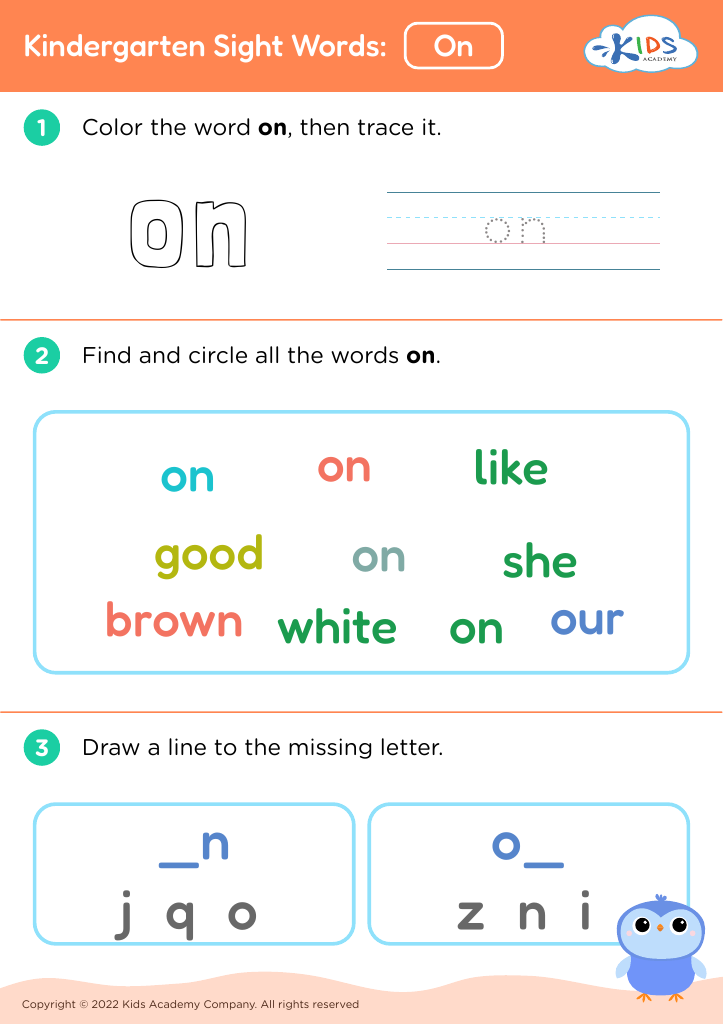
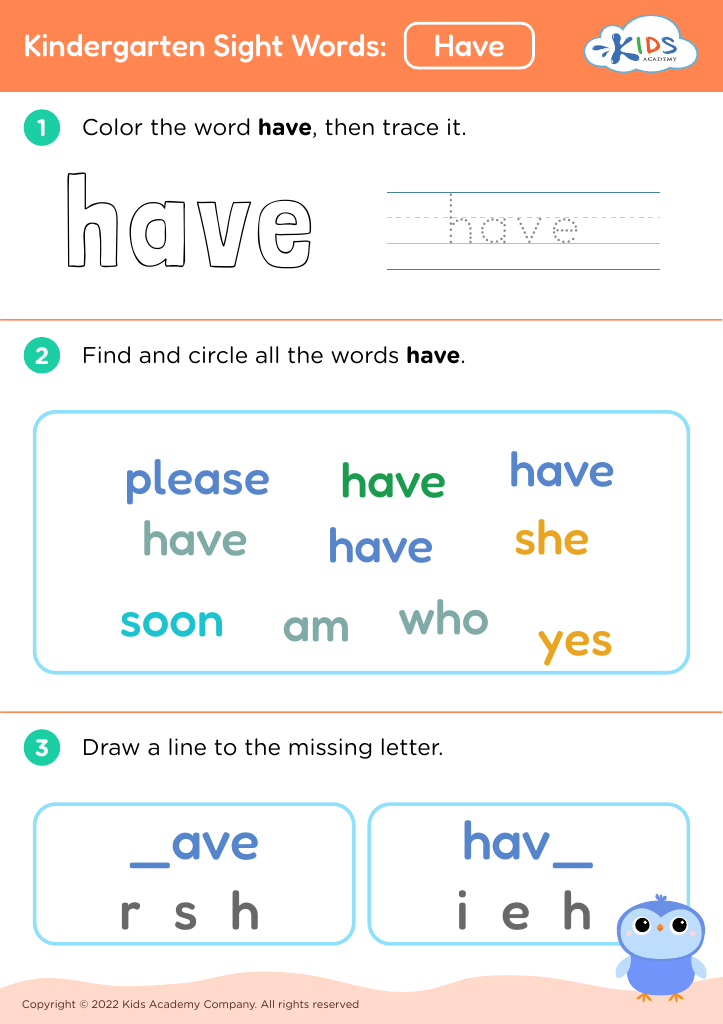
Explore our "Comparing Fractions Kindergarten Building Vocabulary Worksheets" page, designed to enhance young learners' understanding of fractions through engaging activities. These worksheets introduce essential vocabulary, helping children compare fractions in a fun and interactive way. With colorful illustrations and simple explanations, kids will develop crucial skills while building confidence in their mathematical abilities. Each worksheet is crafted to align with kindergarten learning objectives, making it an ideal resource for teachers and parents alike. Foster a solid foundation in math and vocabulary with our comprehensive materials, ensuring children are well-prepared for future learning challenges. Visit us today for valuable educational resources!
Favorites
With answer key
Interactive

Join Kids Academy for Free
Who is primarily going to use this learning content?



.jpg)



Comparing fractions in kindergarten is essential for building a strong mathematical foundation. At this early stage, children develop critical thinking and analytical skills, which are vital not only in math but across all areas of learning. When parents and teachers focus on comparing fractions, they introduce children to key concepts of quantity, equal parts, and relationships between numbers.
Building vocabulary around fractions helps children articulate their understanding. They learn terms like "greater than," "less than," and "equal to," forming a framework for future mathematical learning. This vocabulary empowers young learners to communicate their thoughts, enhancing their problem-solving and reasoning skills.
Moreover, understanding fractions is imperative for real-world applications, from cooking and measuring to sharing and dividing resources fairly. Engaging students in fun, practical activities makes learning fractions enjoyable and relatable. It encourages collaborative learning and motivates children to explore math beyond the classroom.
When parents and teachers emphasize the importance of comparing fractions and building vocabulary, they foster a positive attitude toward math. This foundational knowledge ultimately cultivates confident learners, poised to tackle more advanced concepts as they progress in their education. Therefore, investing time in this area is crucial for a child’s lifelong mathematical journey.