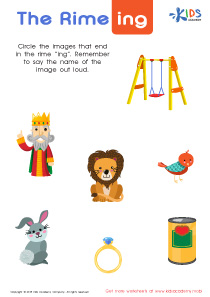
Counting skills Kindergarten Building Vocabulary Worksheets
7 filtered results
-
From - To
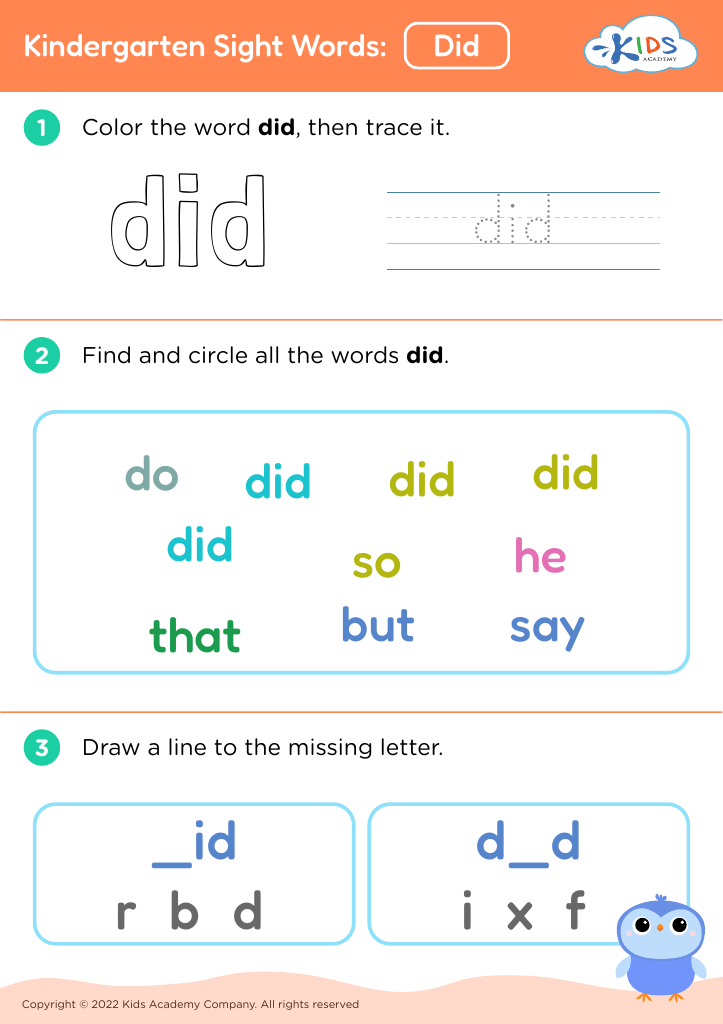
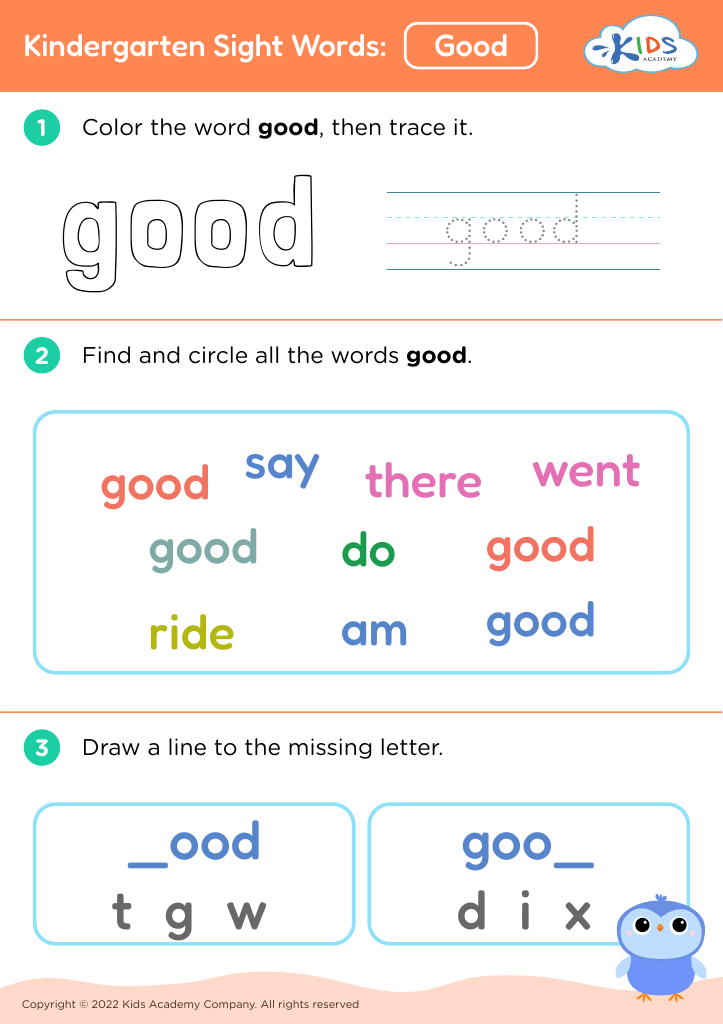
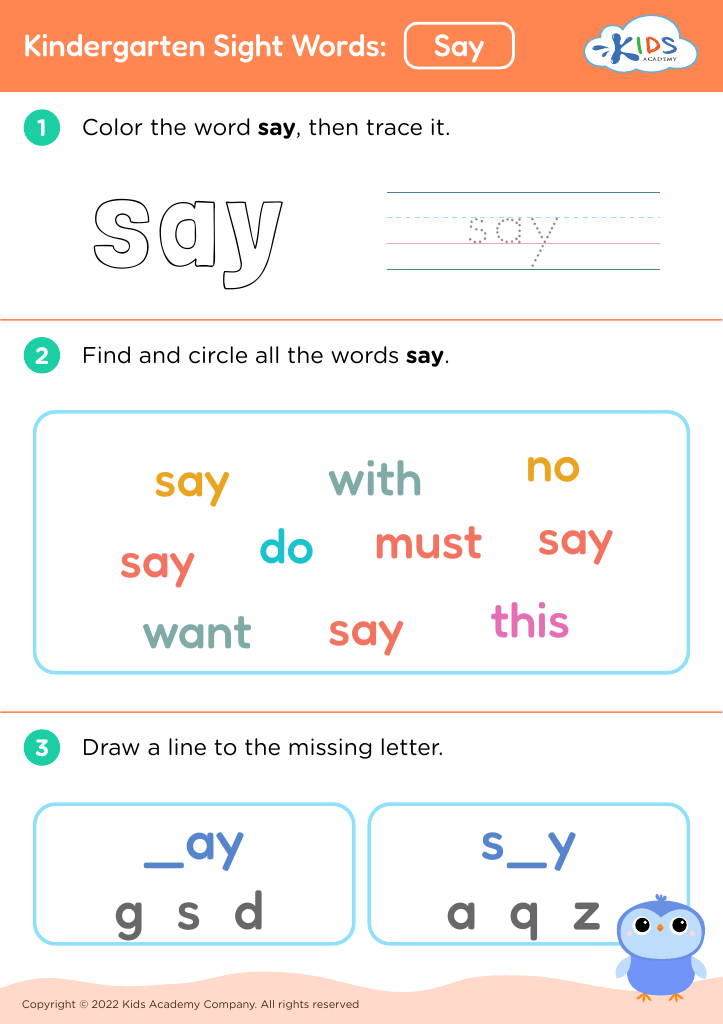
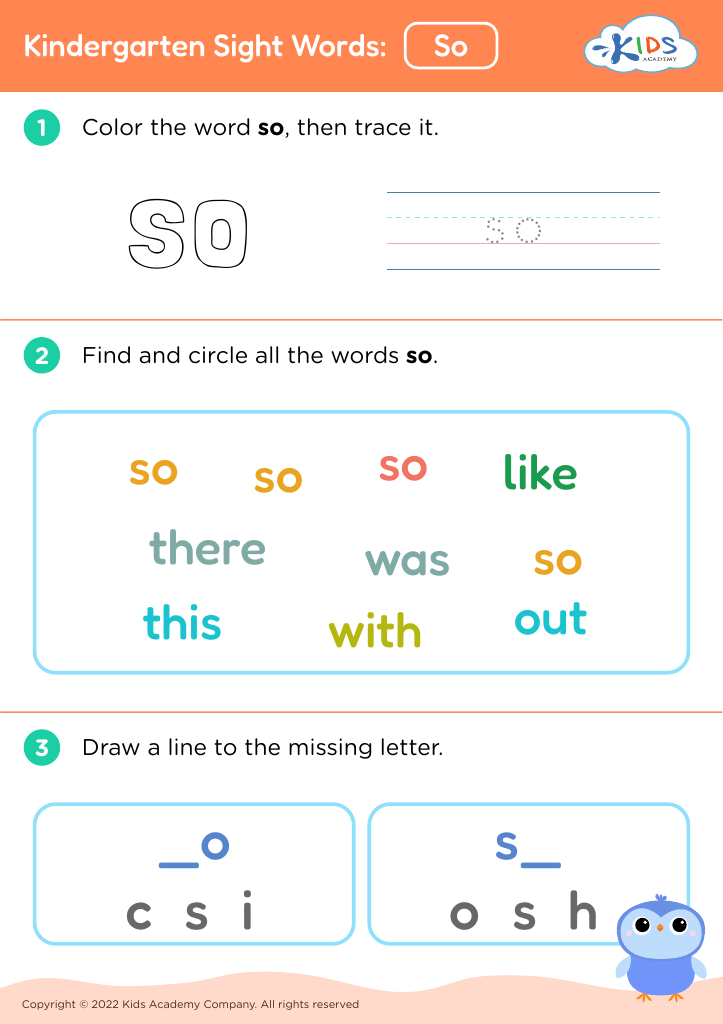
Enhance your child's learning experience with our Counting Skills Kindergarten Building Vocabulary Worksheets! Designed for early learners, these educational resources combine essential counting skills with vocabulary development. Our engaging worksheets help children practice counting while introducing new words through fun activities. By reinforcing numerical concepts and language skills simultaneously, kids become confident learners. This dual-focused approach aids in retention and comprehension, setting a solid foundation for future academic success. Perfect for classroom use or at-home learning, these worksheets are a beneficial tool for teachers and parents alike. Watch your child thrive as they interact with numbers and language in an enjoyable way!
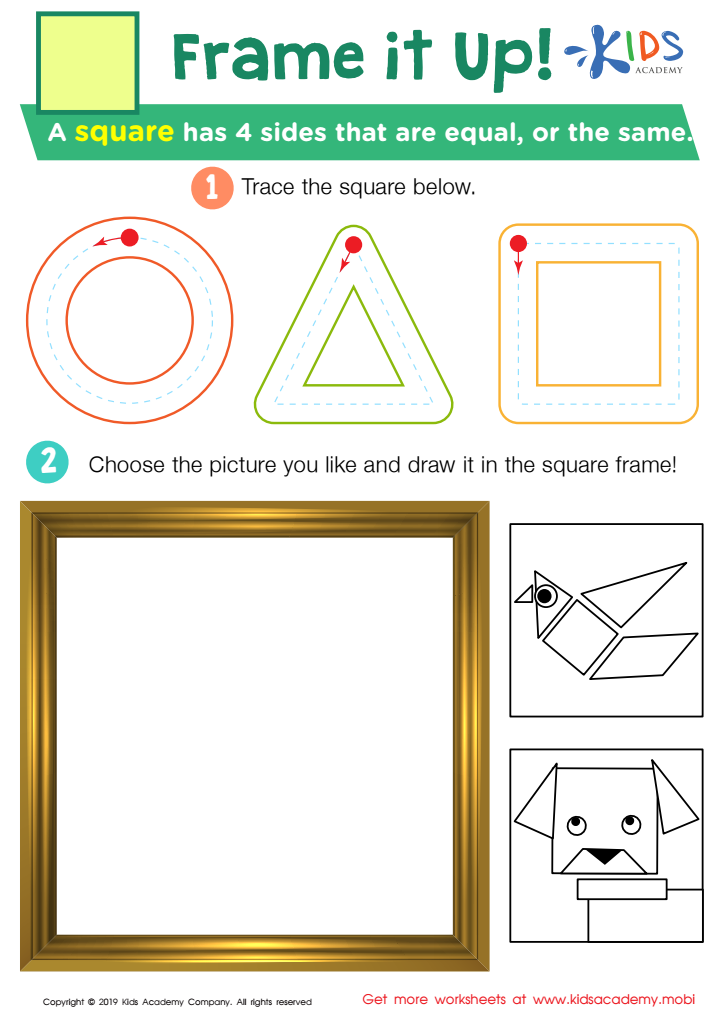
Frame it Up Worksheet
 Assign to My Students


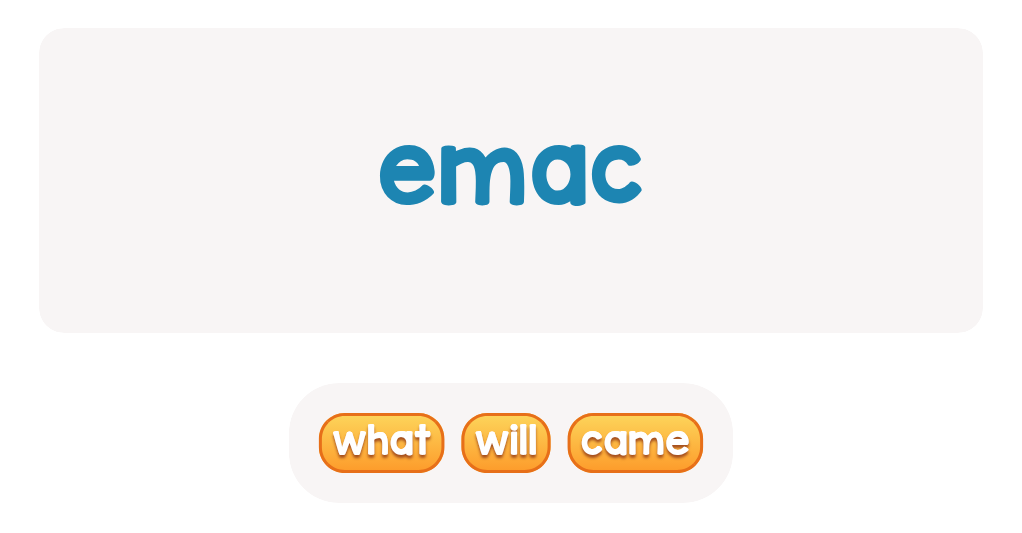
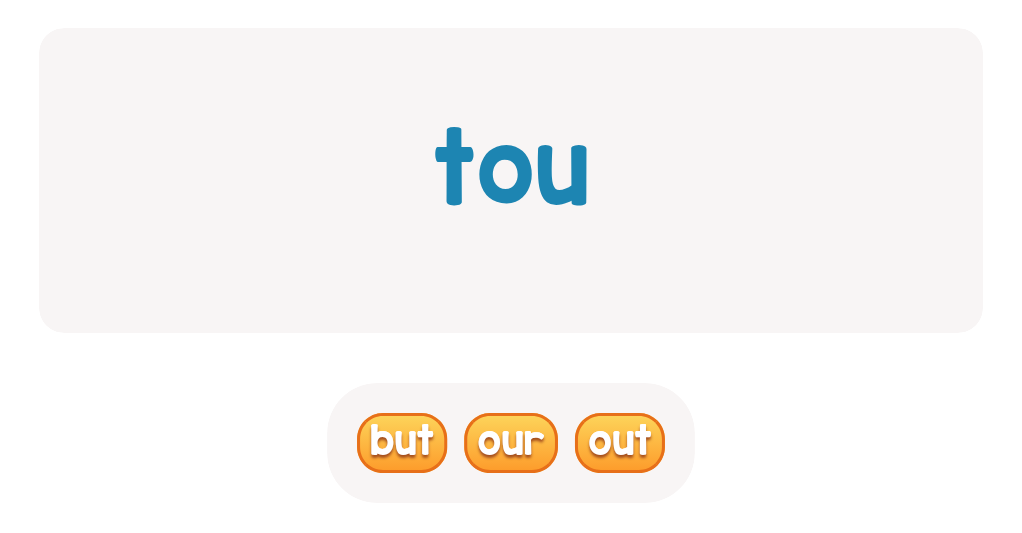




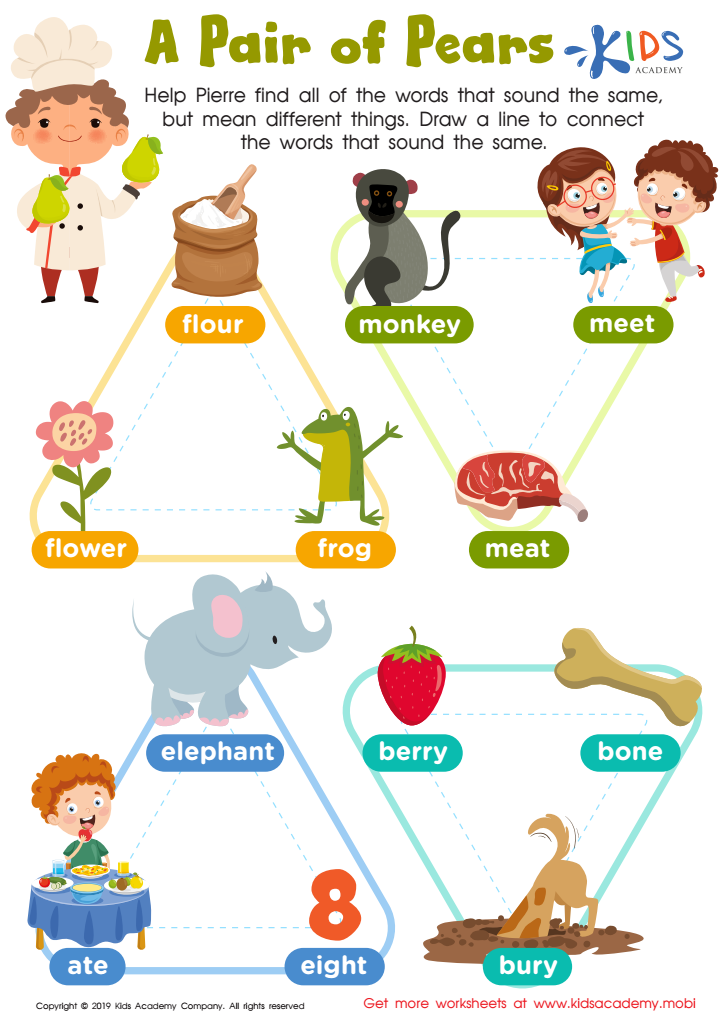
Pair Pears Worksheet


.jpg)




Counting skills and vocabulary building are essential components of early childhood education, particularly in kindergarten. Parents and teachers should prioritize these areas due to their profound impact on a child's cognitive development and future academic success.
First, counting skills foster numerical fluency and a solid foundation in math. Recognizing and manipulating numbers helps children grasp concepts such as addition, subtraction, and problem-solving later on. Early exposure to counting through songs, games, and everyday activities promotes critical thinking and lays the groundwork for more complex mathematical concepts in higher grades.
Building vocabulary is equally crucial in this stage of development. A rich vocabulary enhances a child's ability to express themselves and comprehend what they hear and read. Verbal skills correlate strongly with reading proficiency and communication abilities, which are vital for academic achievement across all subjects.
Moreover, intertwining counting with vocabulary - like counting objects in books or discussing the numbers in daily scenarios - makes learning contextual and engaging. Therefore, both parents and teachers play a pivotal role in nurturing counting skills and vocabulary in kindergarten, setting children on a pathway to lifelong learning and success. Investing time and resources in these skills is an investment in the child’s future academic prowess.