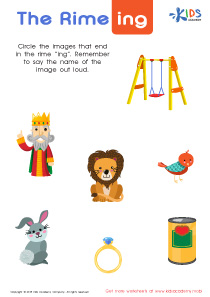
Following instructions Kindergarten Building Vocabulary Worksheets
6 filtered results
-
From - To
Enhance your child's language skills with our Following Instructions Kindergarten Building Vocabulary Worksheets! Designed specifically for young learners, these engaging worksheets focus on improving reading comprehension and vocabulary acquisition. Children will develop essential skills as they follow simple and structured directions, fostering their ability to understand and execute tasks effectively. Our interactive activities make learning fun and encourage independent thinking. Perfect for classroom use or at-home practice, these resources help lay a strong foundation for future learning. Boost your child's reading skills and build their vocabulary with these carefully crafted worksheets aimed at making learning an enjoyable experience!
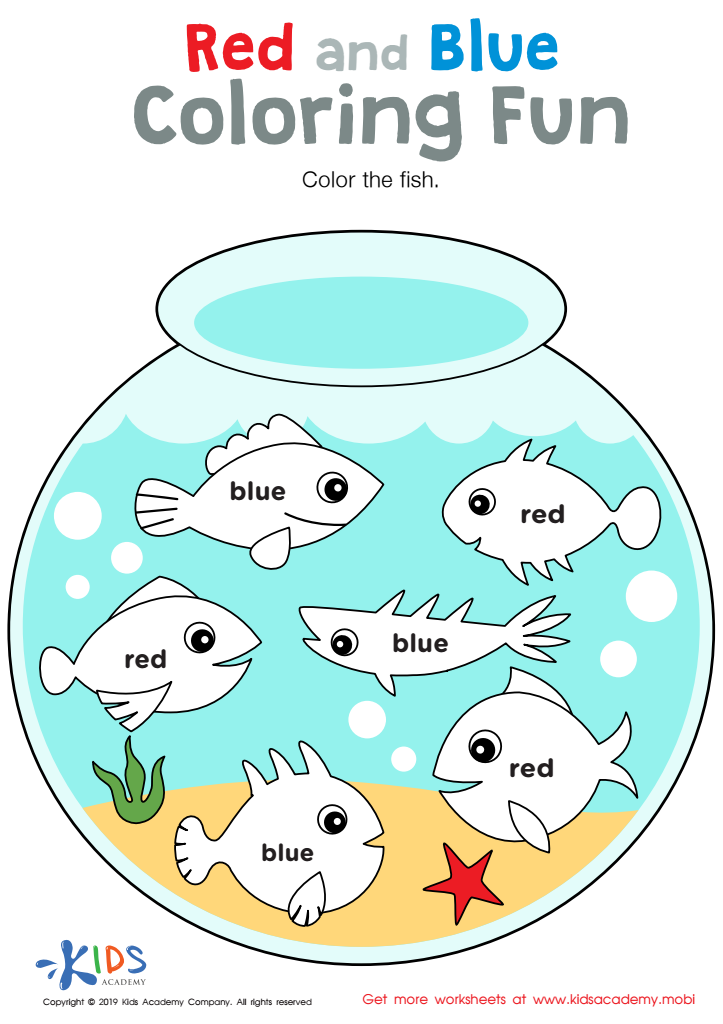
Red and Blue Coloring Fun Worksheet
 Assign to My Students

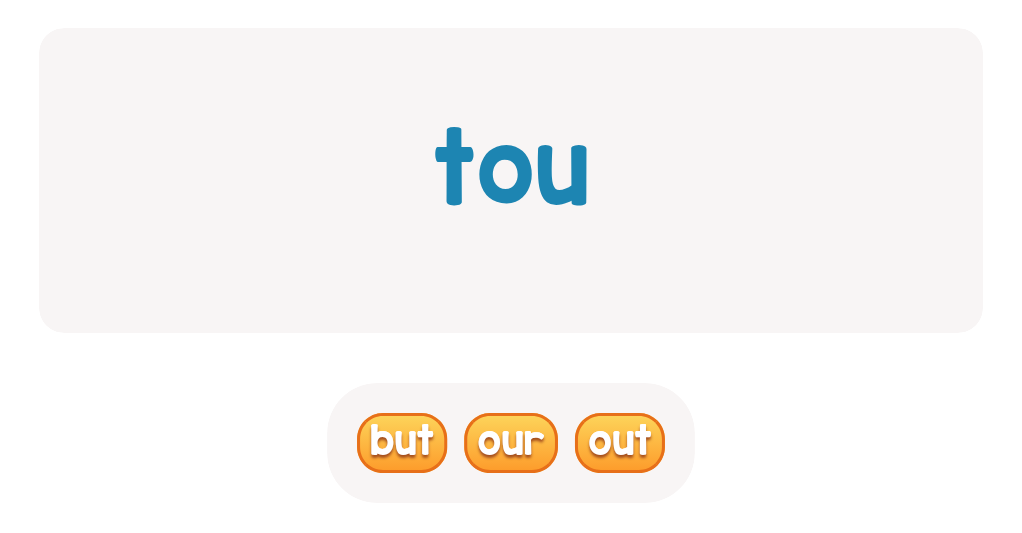


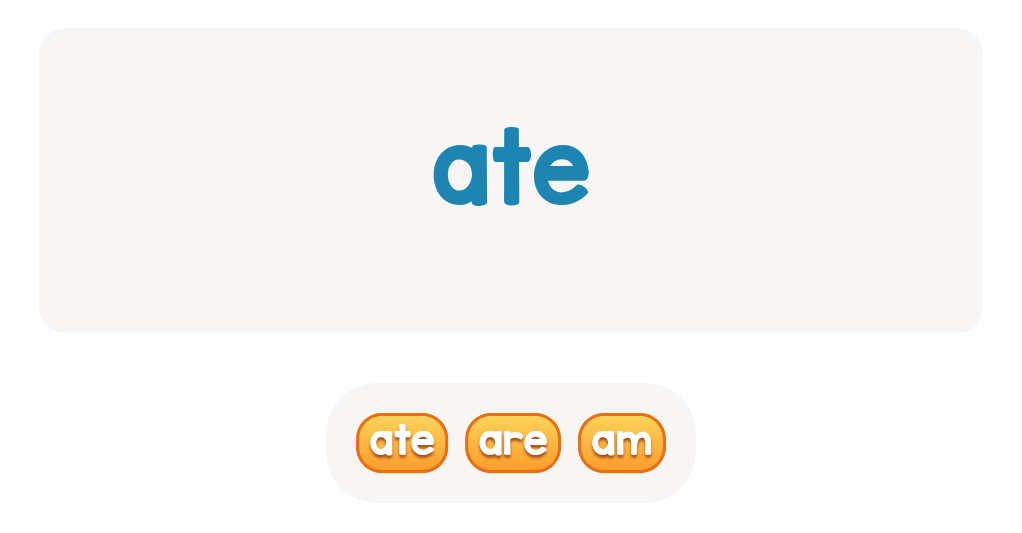
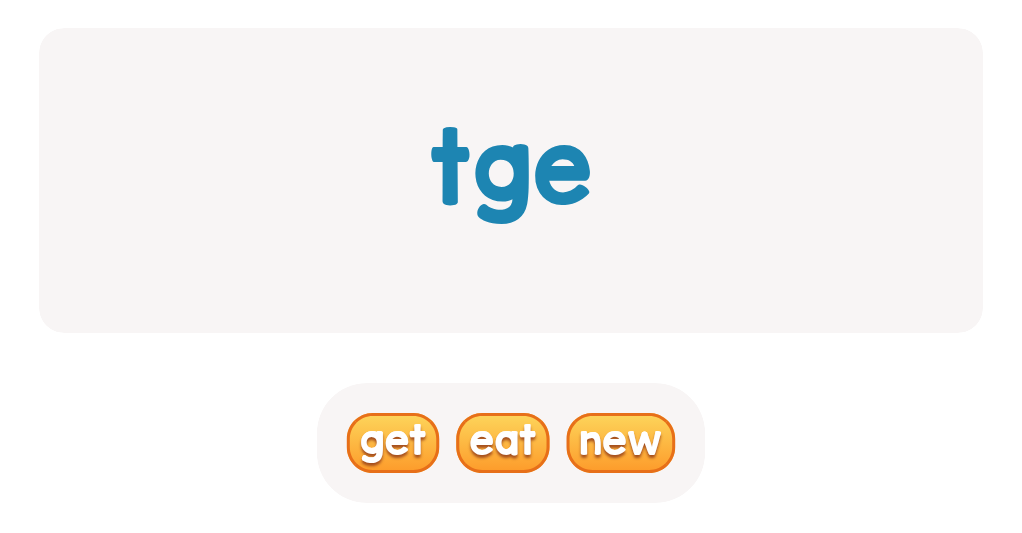
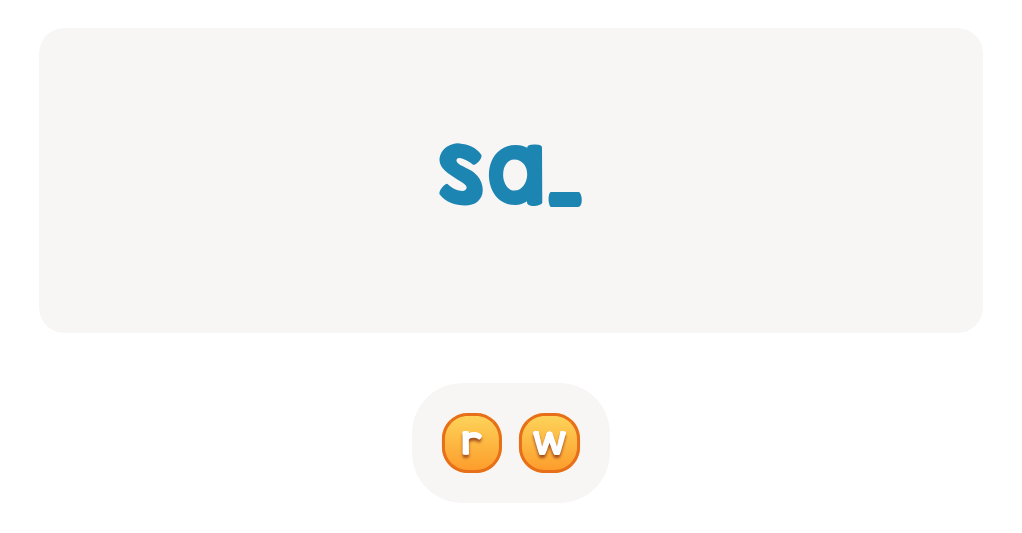
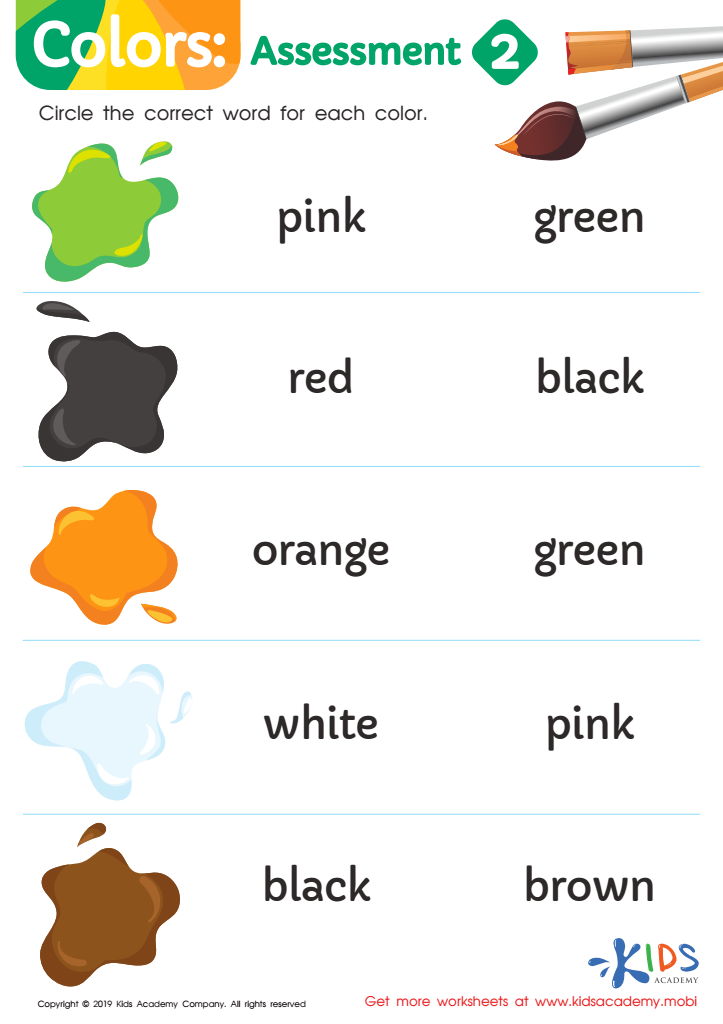
Colors: Assessment 2 Worksheet
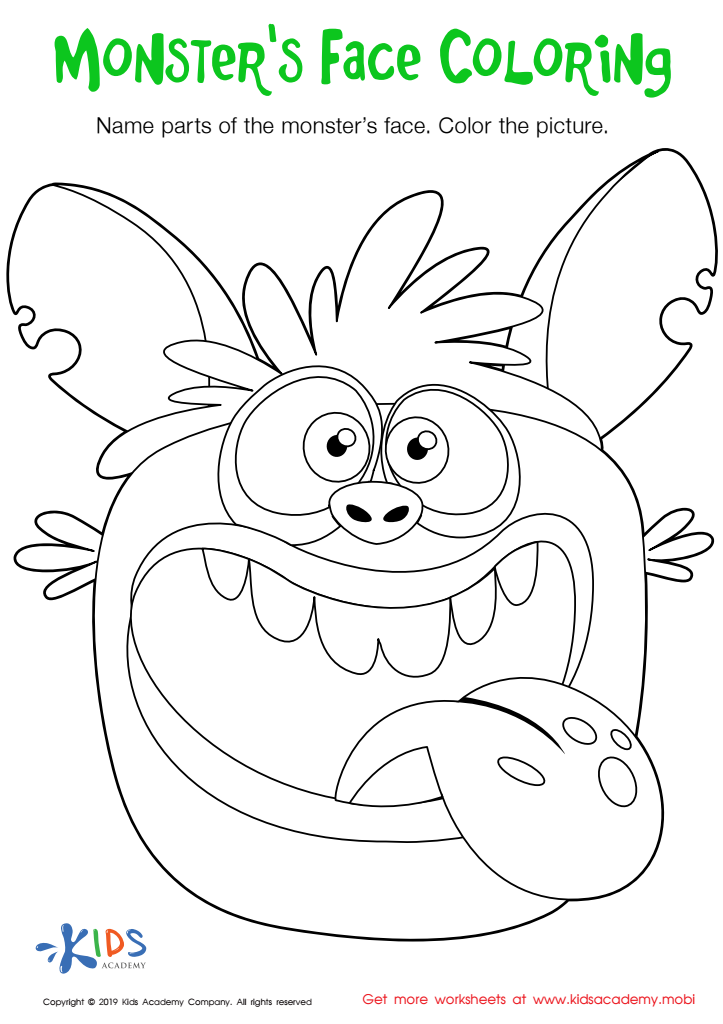
Monster's Face Coloring Worksheet
Assign to My Students
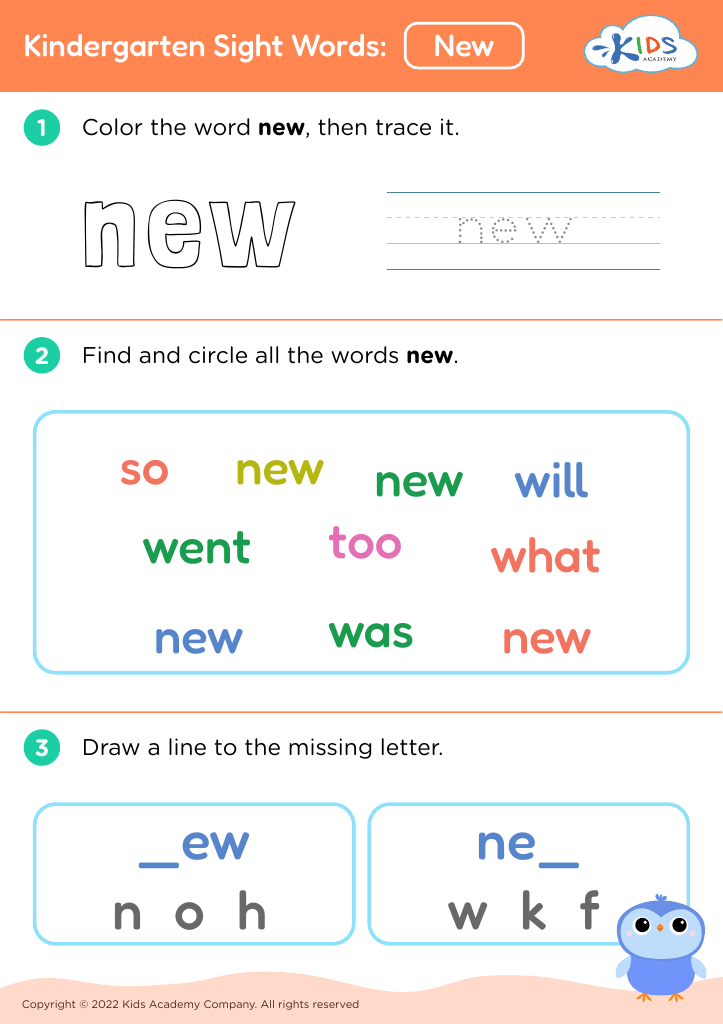
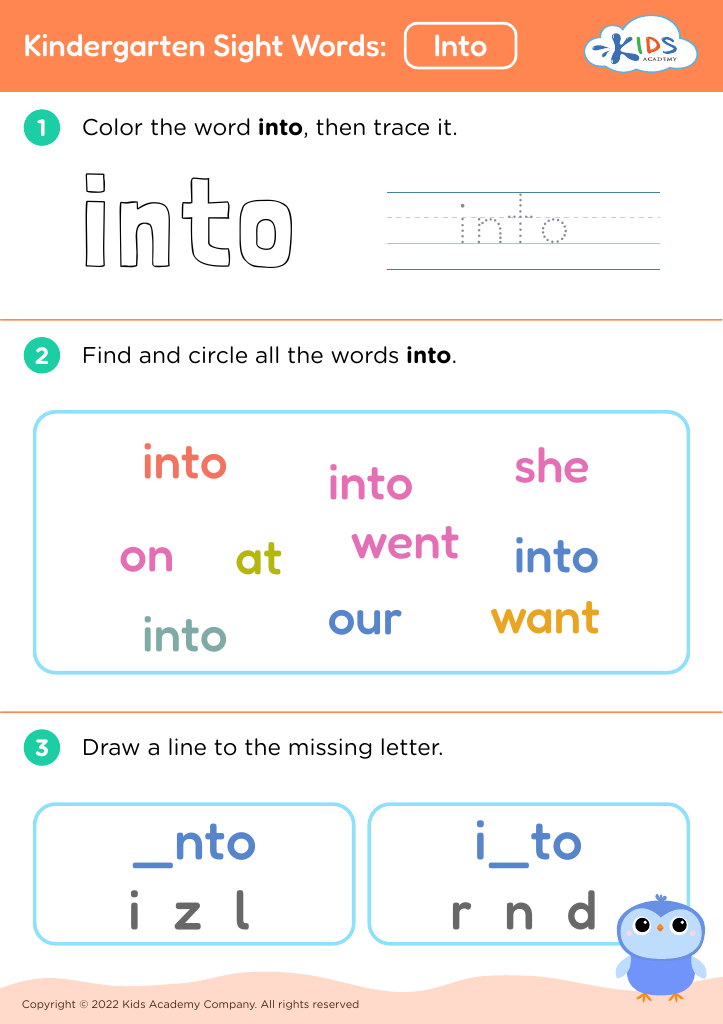
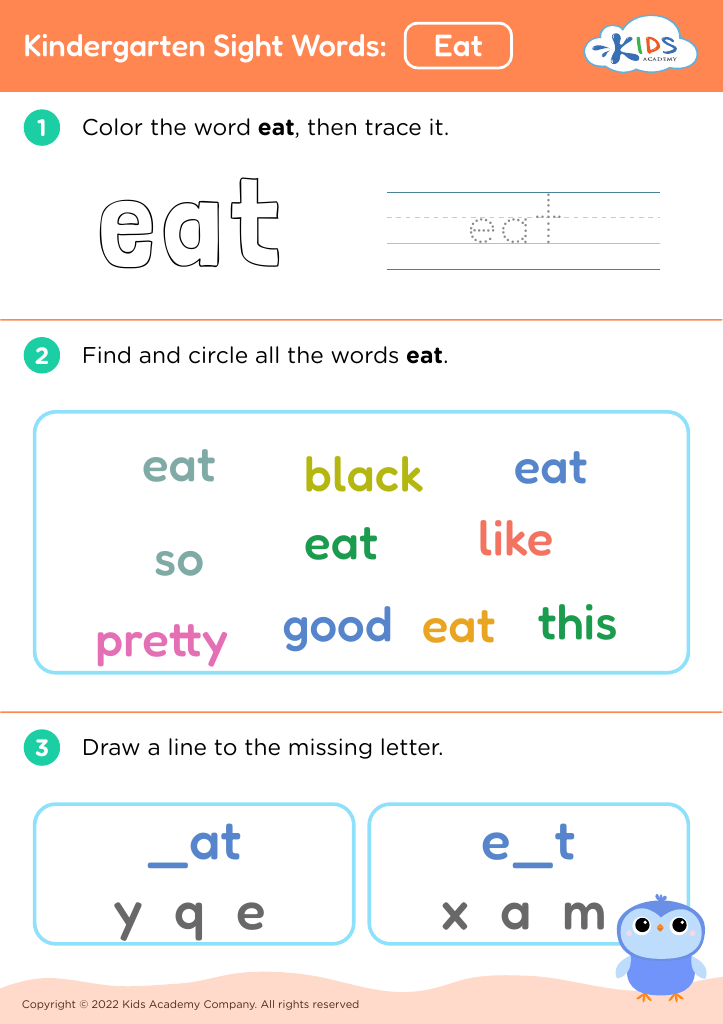





.jpg)

Parents and teachers should prioritize following instructions in kindergarten as it plays a crucial role in developing foundational skills for young learners. At this stage, children are not only acquiring basic knowledge but also honing essential cognitive and social skills. When children practice following instructions, they learn to pay attention, interpret information, and respond appropriately. This helps foster a sense of discipline and self-control.
Building vocabulary through following instructions enhances a child's language development, promoting better communication skills. When children understand and engage with instructions, they encounter new words and phrases that enrich their vocabulary. This exposure is vital as a robust vocabulary can significantly impact later reading comprehension and overall academic success.
Furthermore, learning to follow instructions encourages children to work collaboratively with peers, enhancing their social interactions and teamwork abilities. Kids learn to listen actively, value others' ideas, and share responsibilities, all of which are essential life skills.
Ultimately, valuing the process of following instructions and building vocabulary lays the groundwork for lifelong learning. It empowers children to become independent thinkers and problem solvers, promoting confidence in their ability to navigate both academic and real-life situations.