Fraction comparison Kindergarten Building Vocabulary Worksheets
4 filtered results
-
From - To
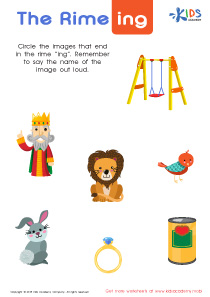
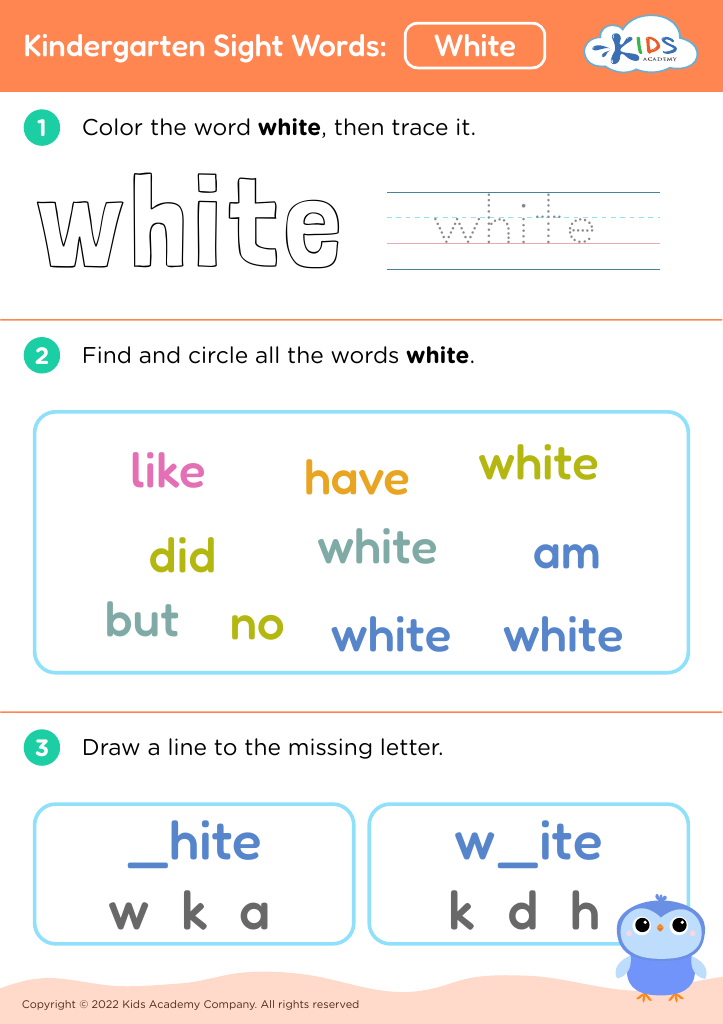
Explore our engaging "Fraction Comparison Kindergarten Building Vocabulary Worksheets," designed to help young learners understand and compare fractions in a fun and interactive way. These worksheets are perfect for introducing fractions to children, allowing them to visualize and articulate concepts such as "greater than," "less than," and "equal to." Through colorful illustrations and simple exercises, students will enhance their vocabulary and develop critical thinking skills. Ideal for both classroom and at-home learning, these resources ensure a solid foundational understanding of fractions while promoting curiosity and confidence in budding mathematicians. Perfect for kindergarteners eager to expand their numeric knowledge!

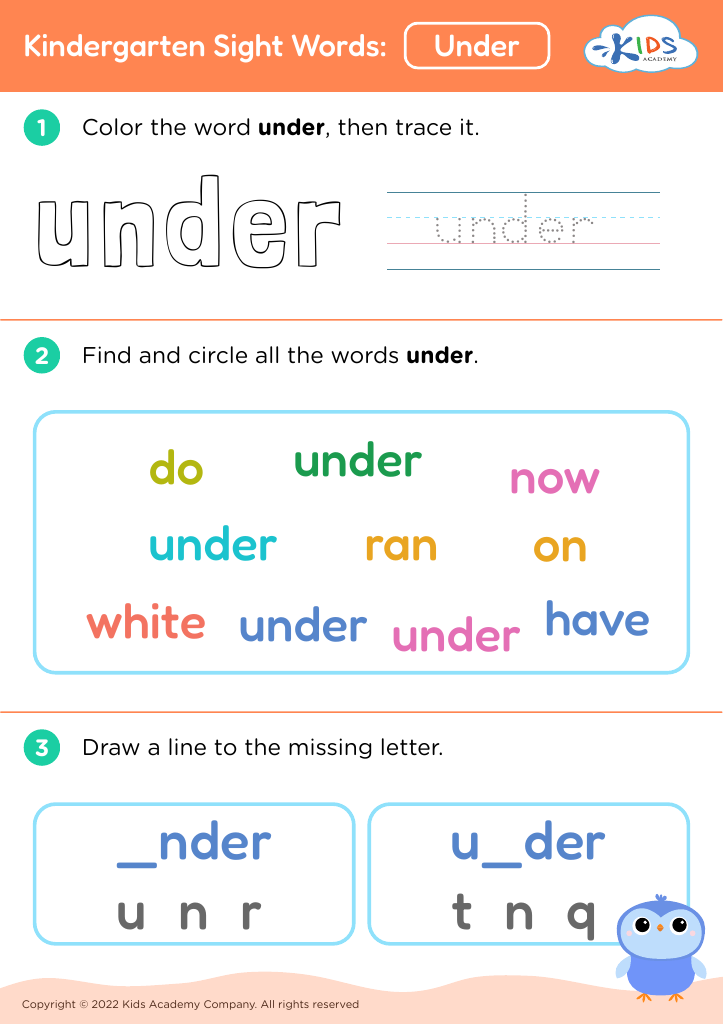
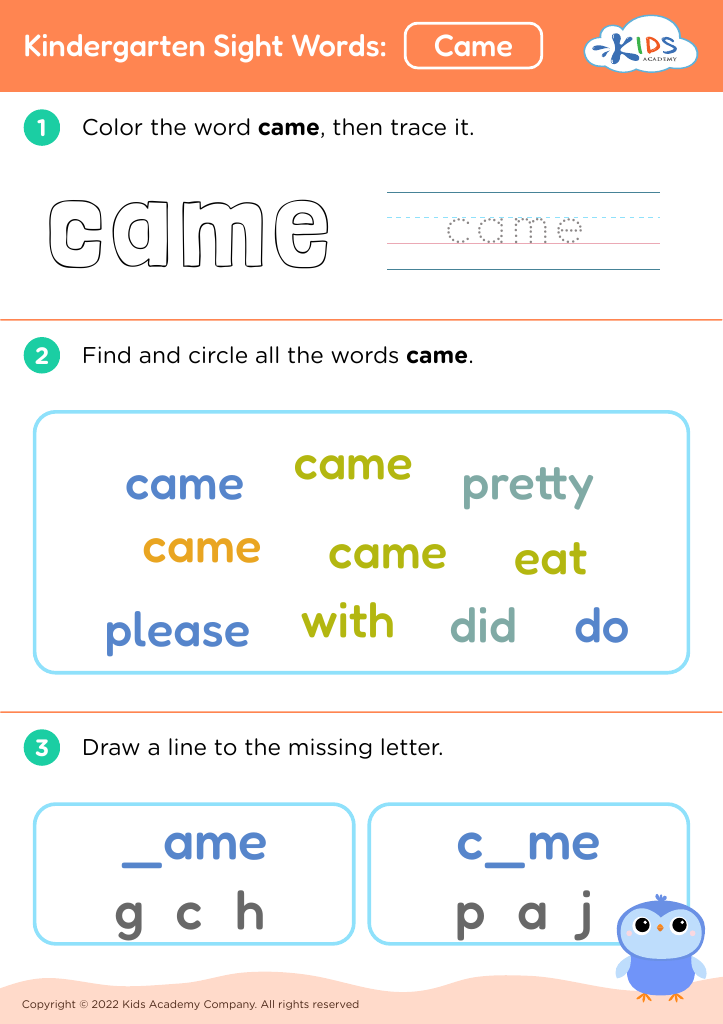
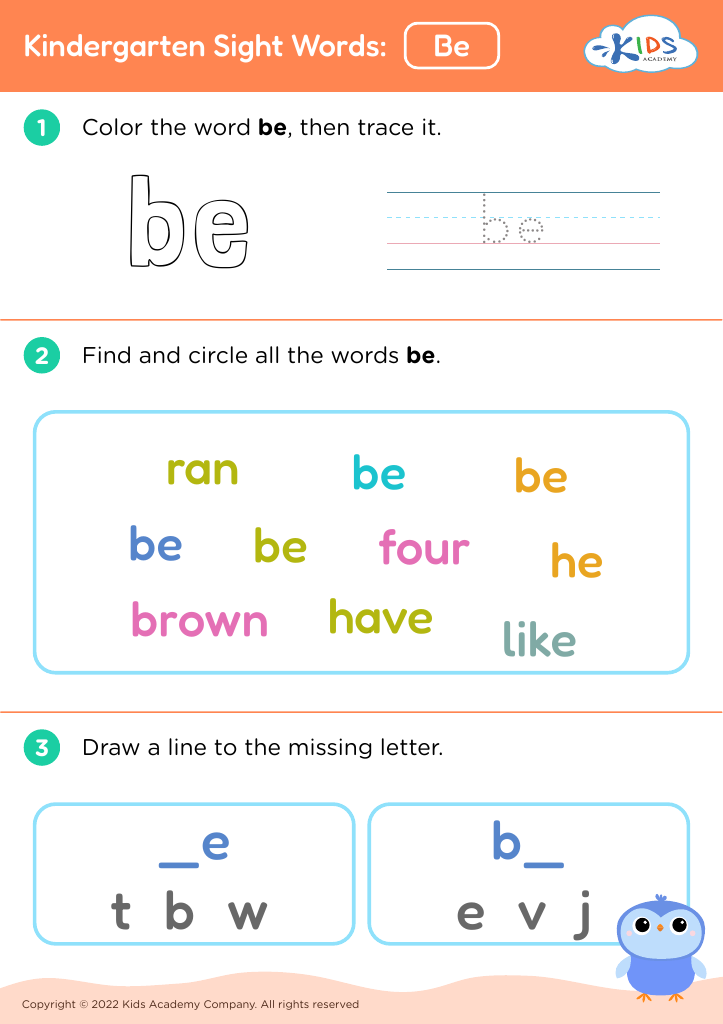






.jpg)
Fraction comparison is an essential mathematical skill that lays the groundwork for students' understanding of more complex mathematical concepts. For kindergarteners, building a vocabulary around fractions helps them develop critical thinking, reasoning, and problem-solving skills from an early age.
Teachers and parents should care about this foundational concept because understanding fractions can enhance children's cognitive abilities and boost their overall confidence in mathematics. By familiarizing them with terms such as "half," "whole," "more than," and "less than," children learn to express relationships between quantities in meaningful ways.
Moreover, exploring fractions equips young learners with the tools to understand their world. For example, while cooking or sharing treats, children can grasp the practical applications of fractions in real-life scenarios. Engaging them in simple activities—like dividing a pizza or a chocolate bar—encourages them to visualize fractions and promotes a deeper understanding.
Furthermore, integrating fraction vocabulary into daily activities fosters a love for learning and curiosity in children. By nurturing this foundational knowledge early on, parents and teachers can help students build a strong mathematical foundation, setting the stage for future academic success. Ultimately, a solid understanding of fractions enriches children's educational experiences and cultivates a lifelong appreciation for learning.