Identifying shapes Kindergarten Building Vocabulary Worksheets
3 filtered results
-
From - To
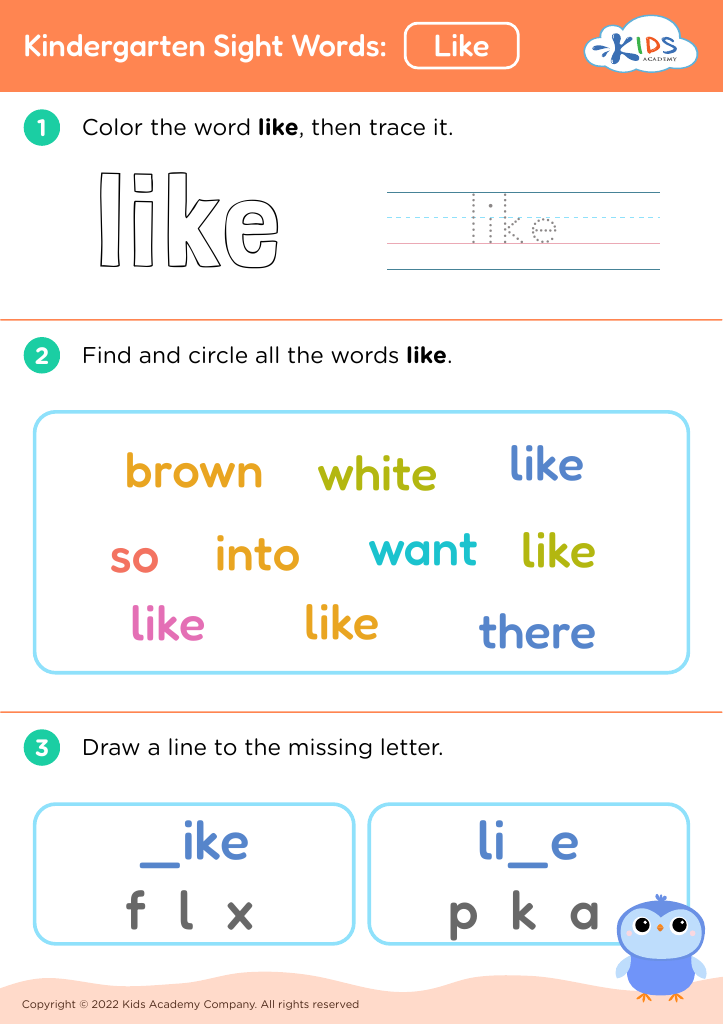
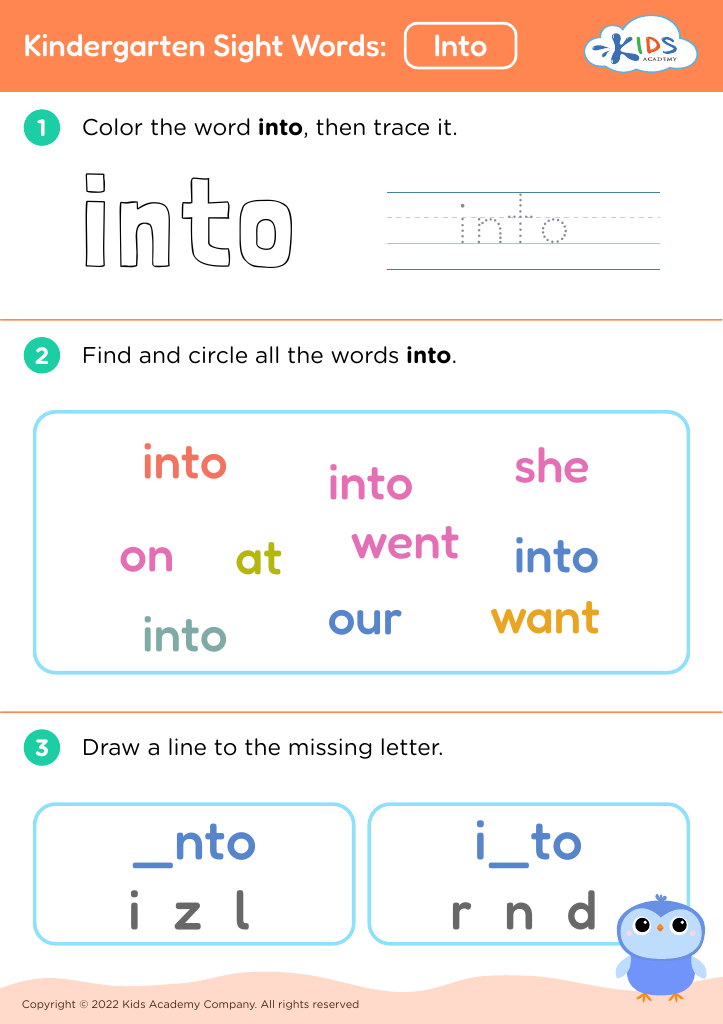
Enhance your child’s early learning experience with our "Identifying Shapes Kindergarten Building Vocabulary Worksheets"! Designed for young learners, these engaging worksheets help children recognize and name various shapes, fostering vocabulary development and critical thinking skills. Fun and interactive, these activities encourage creativity as kids draw, color, and identify shapes in their environment. Perfect for both classroom settings and at-home learning, our worksheets cater to different learning styles, promoting active participation and confidence. Watch your child grow their vocabulary and shape recognition skills while having fun. Start their educational journey today with enriching resources tailored for kindergarten readiness!









.jpg)


Identifying shapes in kindergarten is crucial for children's cognitive development and building vocabulary. Understanding shapes is an essential foundational skill in mathematics that helps children recognize and describe the world around them. When parents and teachers focus on identifying shapes, they are aiding children in developing spatial awareness, which is the ability to perceive and understand the relationships between objects in space. This skill enhances problem-solving and critical thinking abilities as they learn to visualize and manipulate different shapes.
Additionally, developing vocabulary related to shapes—such as "circle," "square," "triangle," and "hexagon"—enhances children's communication skills. By learning the names and properties of shapes, children can articulate their understanding and engage more effectively in discussions about their environment. This vocabulary building also plays a role in literacy; children who have a strong vocabulary are better equipped to understand and comprehend texts later on.
Moreover, shape recognition lays the groundwork for more advanced concepts in math, such as geometry and measurements, fostering confidence in their abilities as learners. Ultimately, when parents and teachers prioritize shape identification, they are nurturing both academic skills and the language development essential for children's overall growth and success.