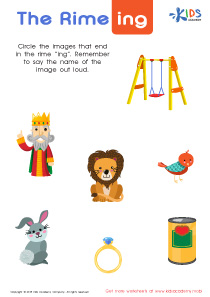
Comparing Fractions Kindergarten Reading Worksheets
7 filtered results
Difficulty Level
Grade
Age
-
From - To
Subject
Activity
Standards
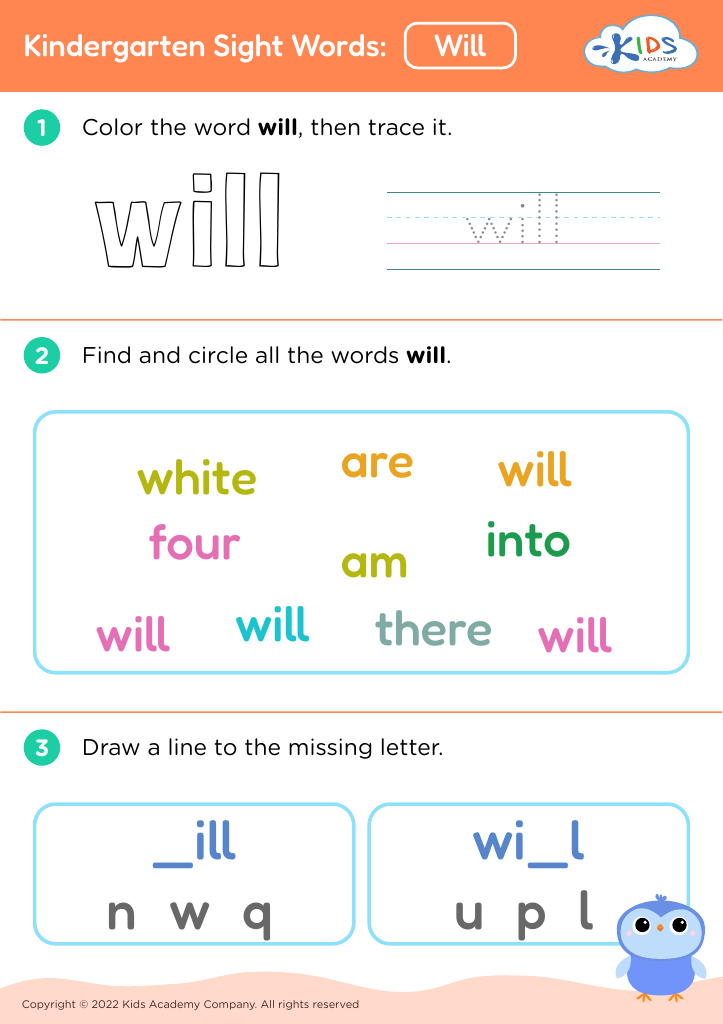
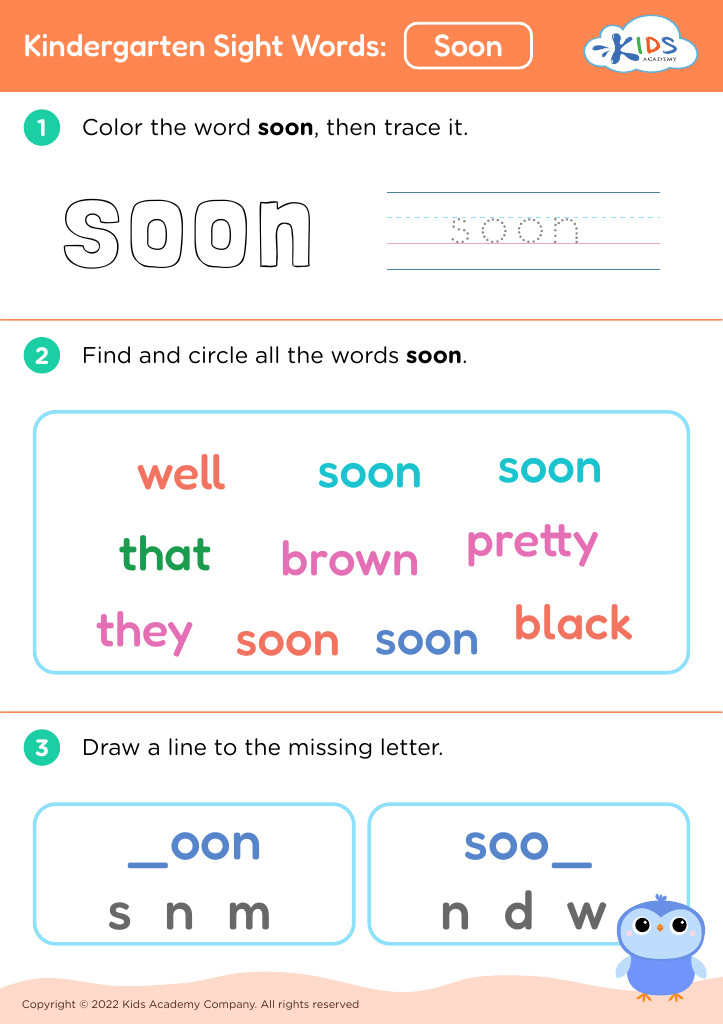
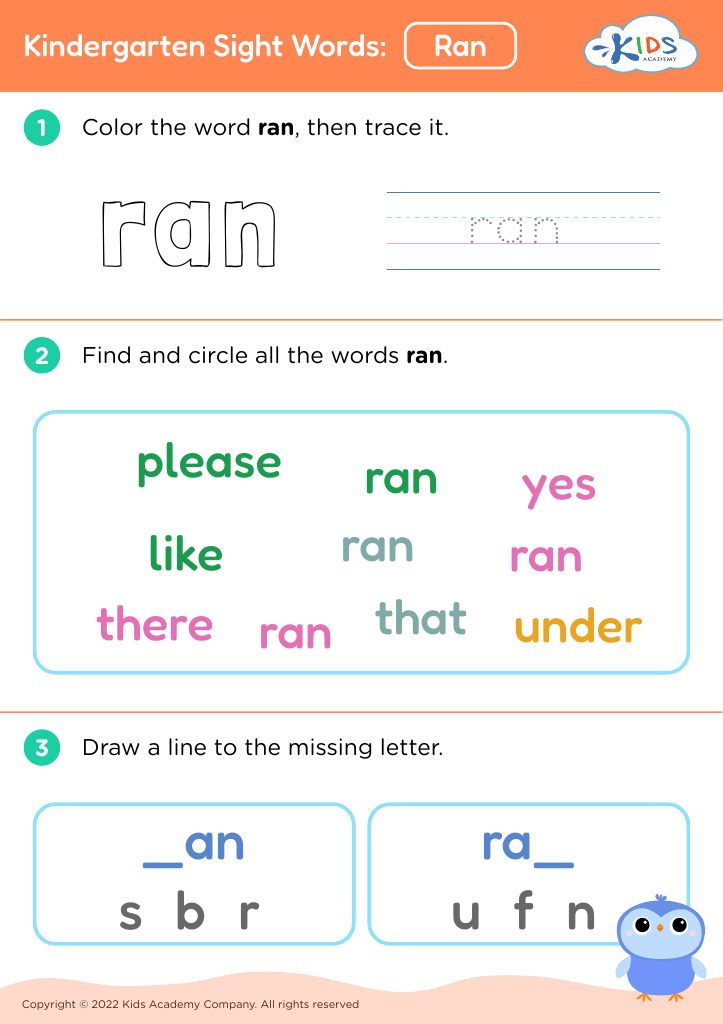
Discover our "Comparing Fractions Kindergarten Reading Worksheets" designed to make learning fractions fun and engaging for young learners. These worksheets help kindergarten students understand basic fraction concepts through visually appealing and simple exercises. Your kids will practice comparing different fractions by analyzing cute, colorful images. Each worksheet encourages critical thinking and enhances reading skills, making it the perfect resource for both classroom and at-home learning. Try out these printable worksheets from Kids Academy to give your child a strong foundation in math while keeping them excited about learning fractions!
Favorites
With answer key
Interactive
Join Kids Academy for Free
Who is primarily going to use this learning content?





Understanding comparing fractions at a young age lays the foundation for critical mathematical concepts. When parents and teachers focus on activities that involve comparing fractions in kindergarten, they're cultivating crucial problem-solving and analytical skills. At this developmental stage, children’s minds are exceptionally receptive to new ideas, making it an optimal time to introduce basic mathematical concepts in a way that's engaging and easy for them.
Comparing fractions, even in a simple form, develops a child’s ability to understand quantities and relationships between numbers, which is vital not just for math, but for real-life situations like sharing or dividing items fairly. By comparing sizes of different fractions like halves, thirds, or quarters, children grasp the concept of fairness and equality in tangible terms.
Additionally, these early lessons support the growth of spatial reasoning and cognitive development. Fractions form the basis of understanding ratios, decimals, and percentages—skills that are essential throughout their educational journey and daily life. In its practical implementation, parents and teachers reinforce these concepts through reading stories and activities that incorporate fractions, contributing to a well-rounded understanding.
Overall, by paying attention to comparing fractions early on, parents and teachers provide children with a strong mathematical foundation, promote critical thinking, and enhance their ability to integrate and apply knowledge in various contexts.