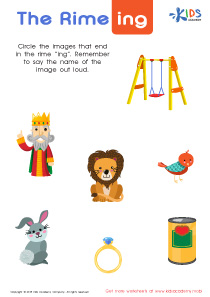
Fine Motor Skills Kindergarten Reading Worksheets - Page 2
27 filtered results
-
From - To
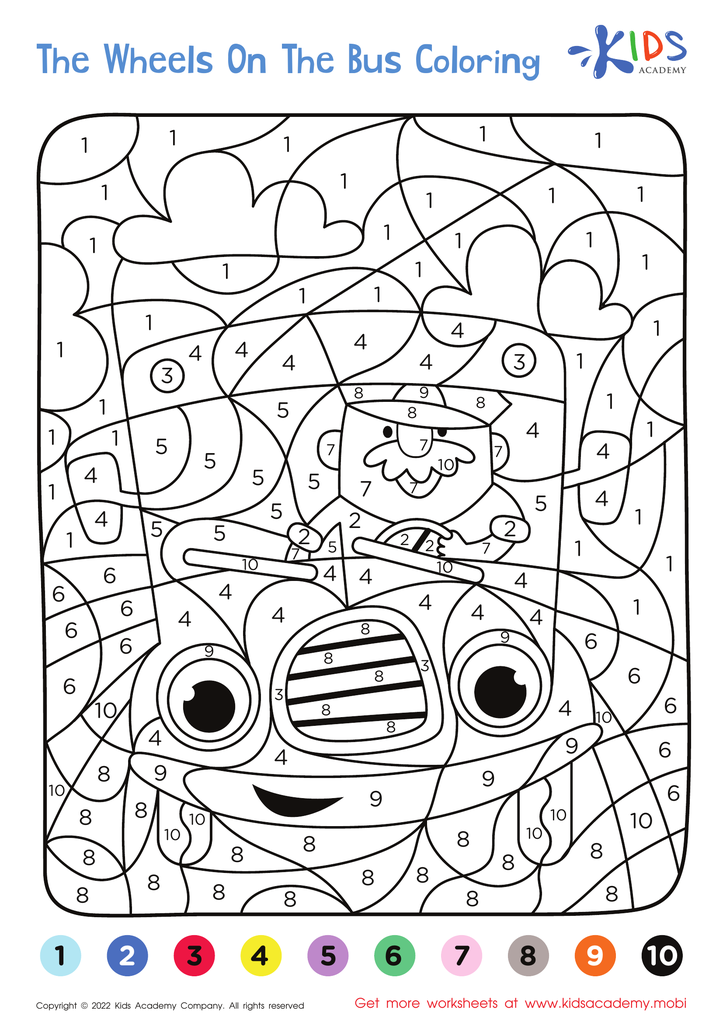
Wheels on the Bus – Coloring by Numbers
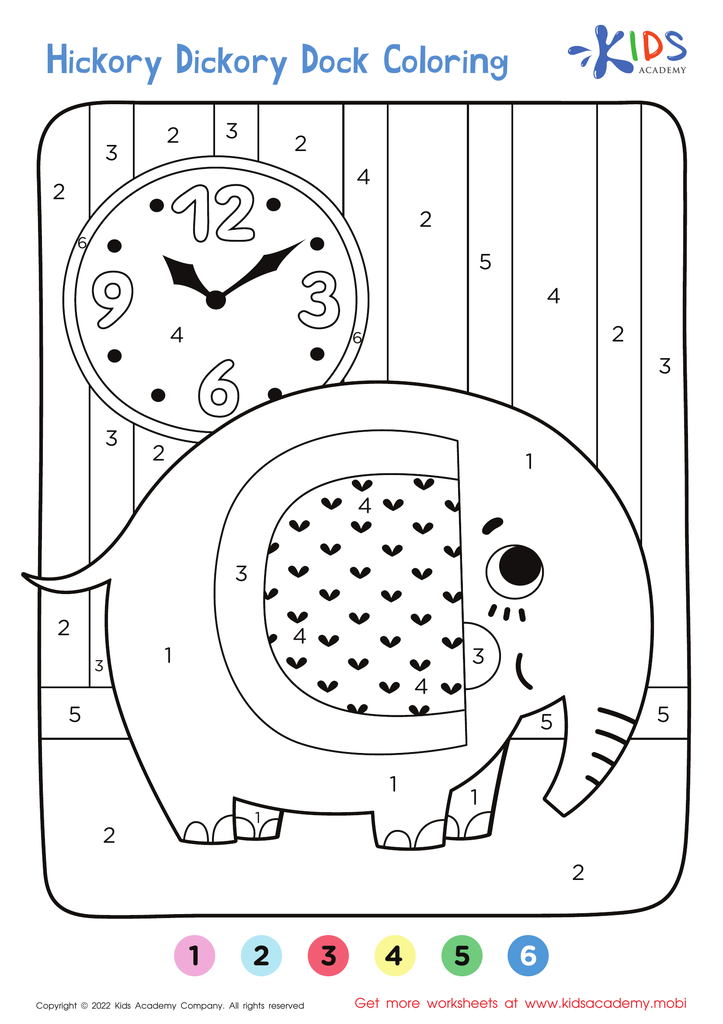
Hickory Dickory Dock – Coloring by Numbers
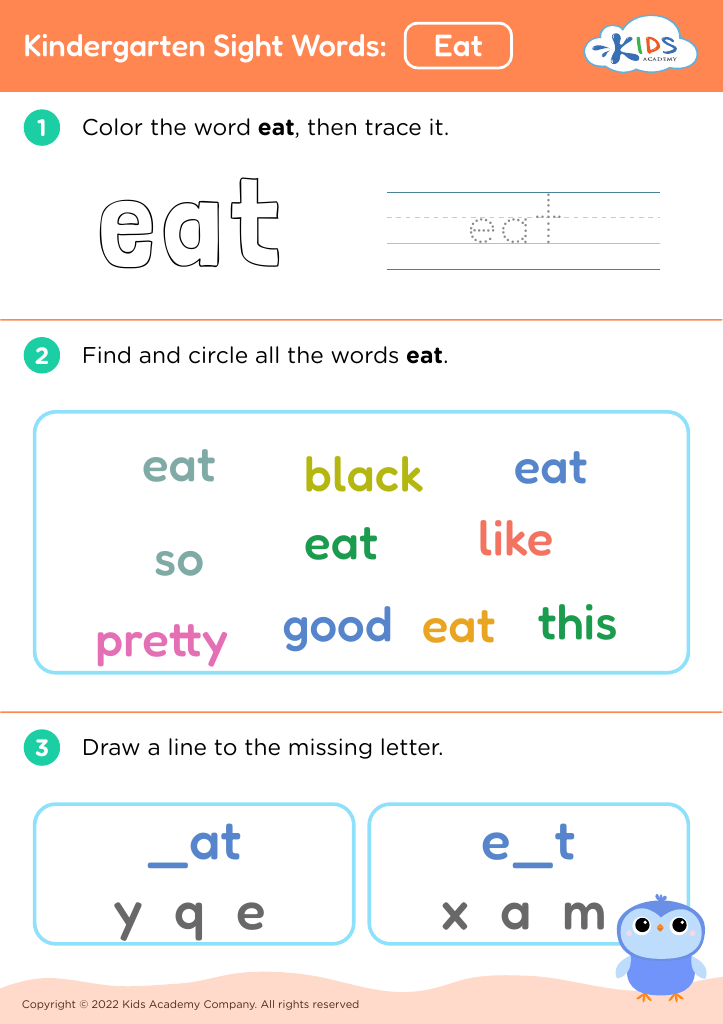








Fine motor skills play a crucial role in a child's development, especially in the kindergarten reading process. These skills involve the coordination of small muscles, particularly in the hands and fingers, and are essential for tasks like gripping a pencil, turning pages in a book, and manipulating learning materials. When children develop strong fine motor skills, they are better equipped to handle literacy tasks, which contributes to their overall academic success.
Parents and teachers should care about fine motor skills because they directly impact literacy development. Effective writing and reading activities are intertwined, as children rely on fine motor control to form letters, follow along in texts, and engage with letters and words. Moreover, practicing fine motor skills can help increase a child's confidence and enjoyment in reading and writing, fostering a positive attitude towards learning.
Engaging children in activities that enhance these skills, such as cutting, coloring, and drawing, complements their reading instruction. As children master these essential skills, they pave the way for a lifelong love of reading and learning, which ultimately enriches their educational journey and readiness for future academic challenges. Parents and teachers play a vital role in nurturing these skills, making their involvement critical.