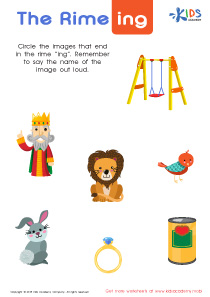
Following instructions Kindergarten Reading Worksheets
14 filtered results
-
From - To
Discover our engaging "Following Instructions Kindergarten Reading Worksheets," designed to support young learners in developing essential reading comprehension skills. These worksheets help kindergarteners practice carefully following written directions, enhancing their ability to listen, comprehend, and execute tasks effectively. Featuring fun, interactive exercises, our worksheets encourage creativity and critical thinking as children complete various activities. Perfect for classroom or homeschooling settings, these resources build a solid foundation for future learning. Empower your child as they gain confidence and mastery in reading while enjoying the rewarding experience of following instructions. Explore our diverse collection and watch your kindergartner flourish in their literacy journey!
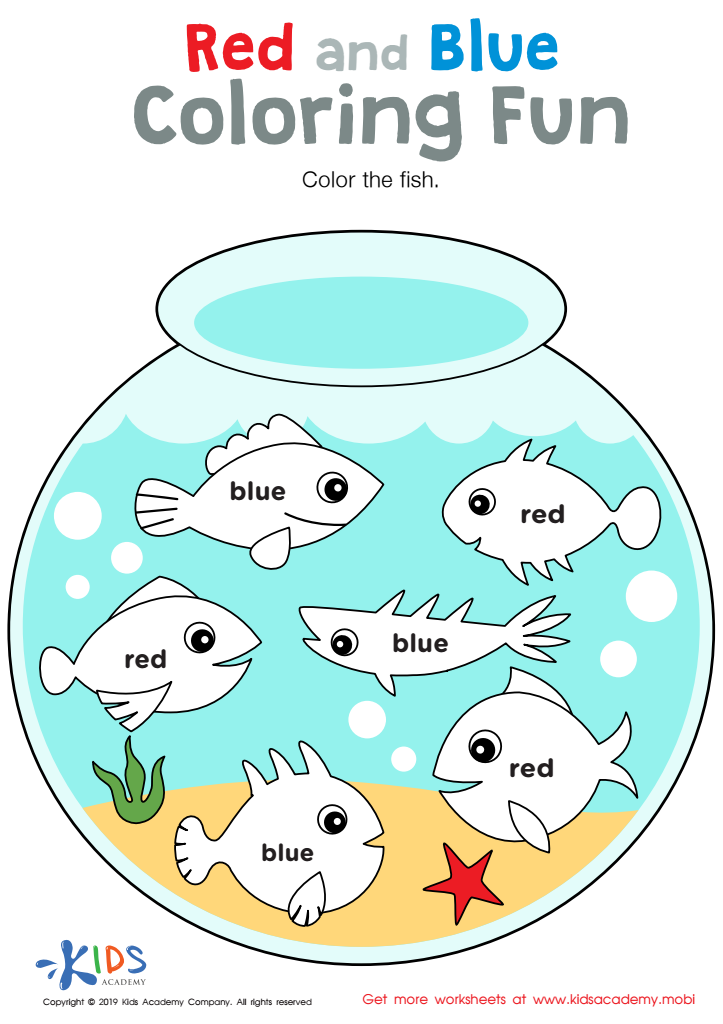
Red and Blue Coloring Fun Worksheet
 Assign to My Students
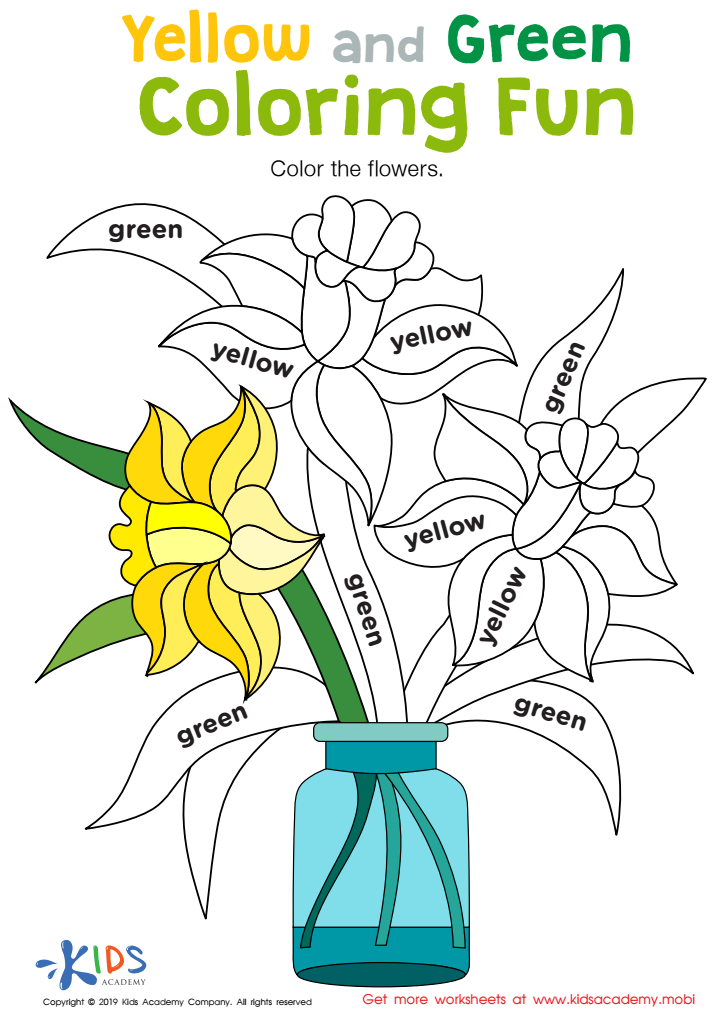
Yellow and Green Coloring Fun Worksheet
Assign to My Students
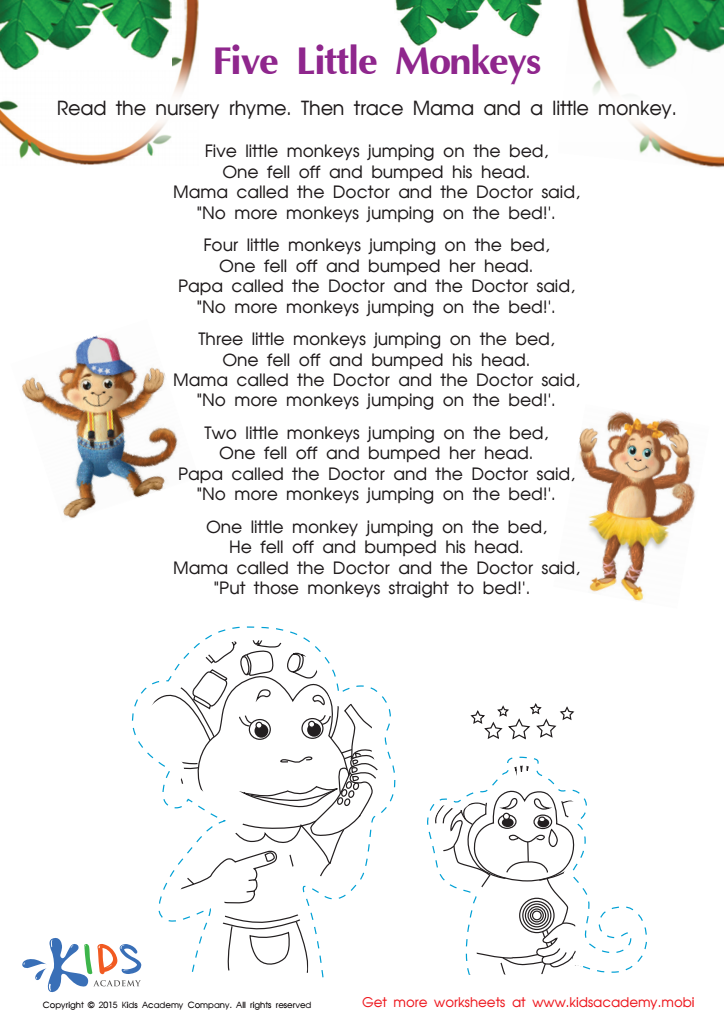
The Five Little Monkeys Nursery Rhyme Worksheet
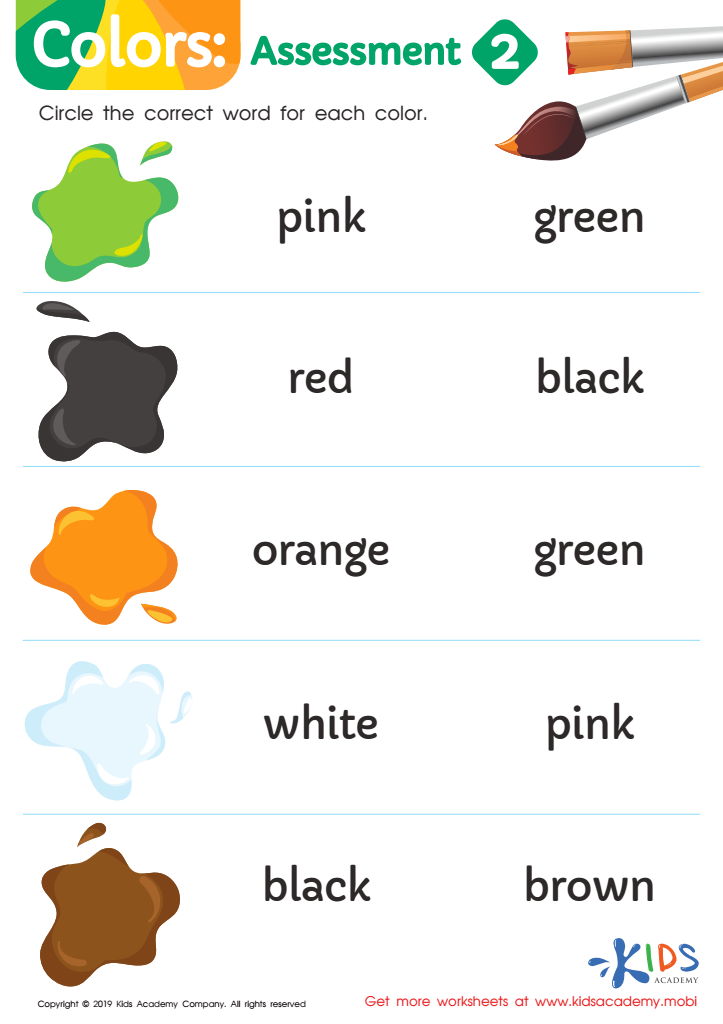
Colors: Assessment 2 Worksheet
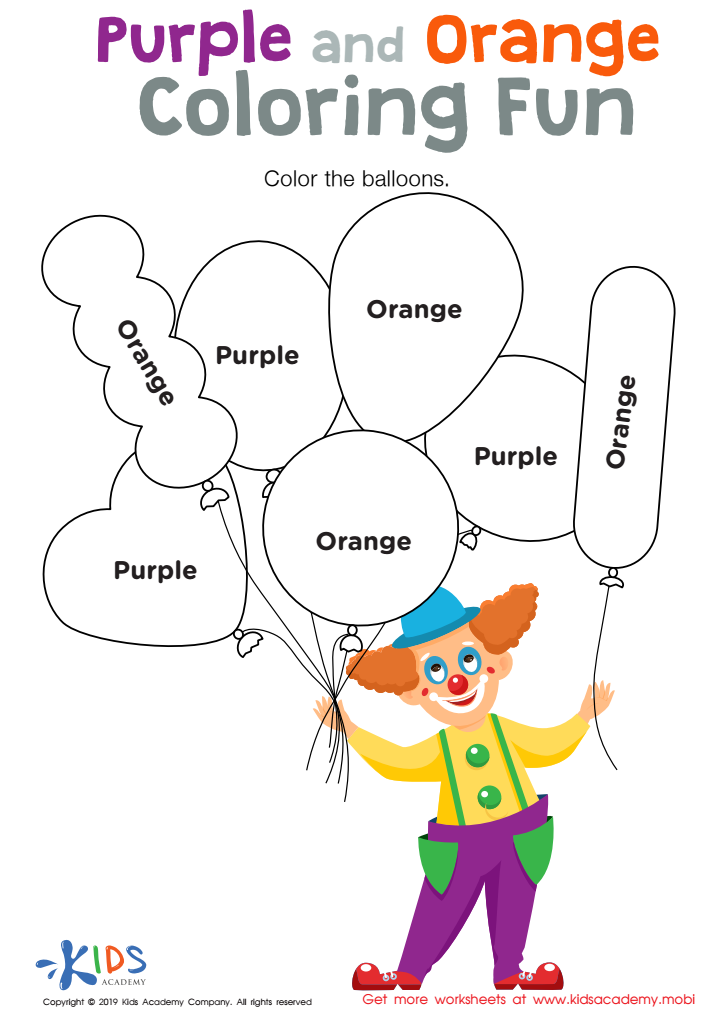
Purple and Orange Coloring Fun Worksheet
Assign to My Students
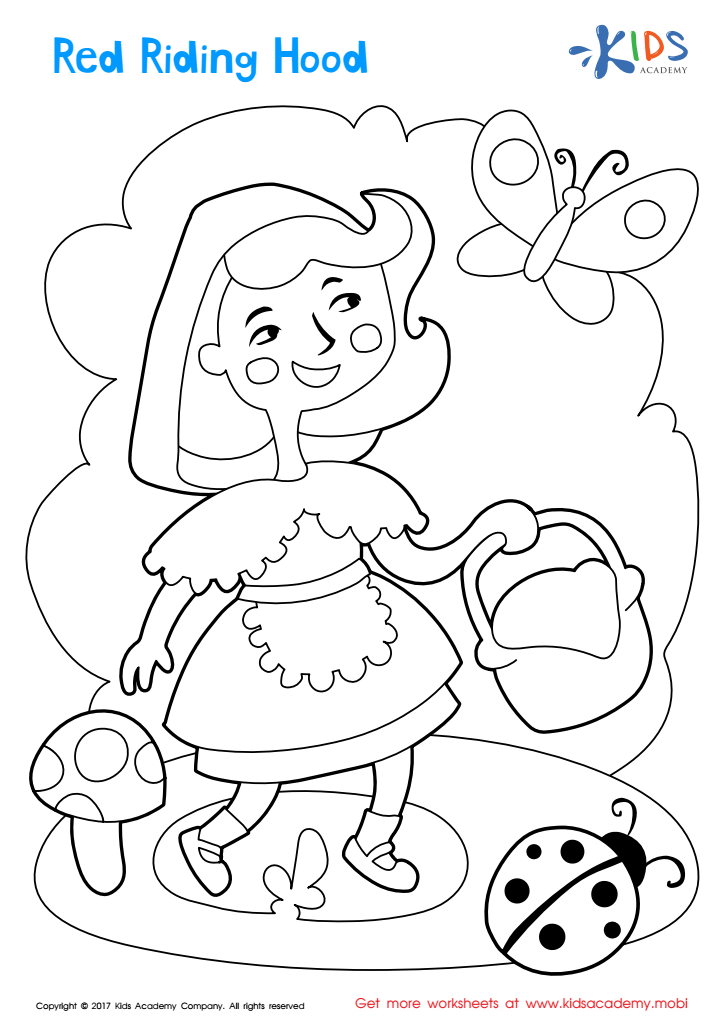
Red Riding Hood Coloring Page
Assign to My Students
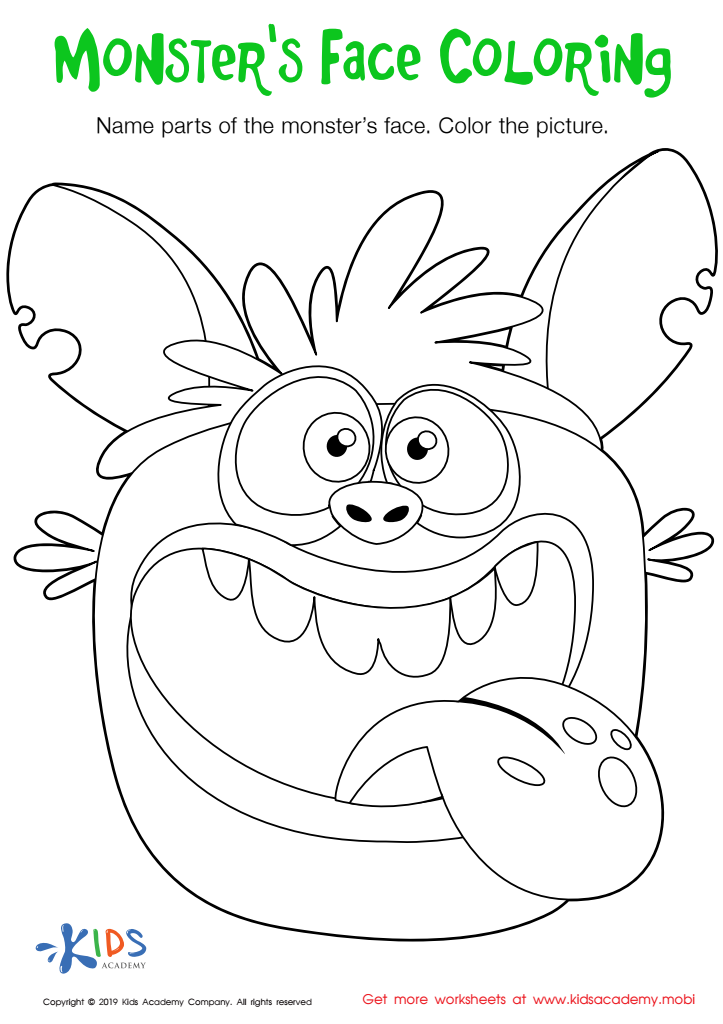
Monster's Face Coloring Worksheet
Assign to My Students
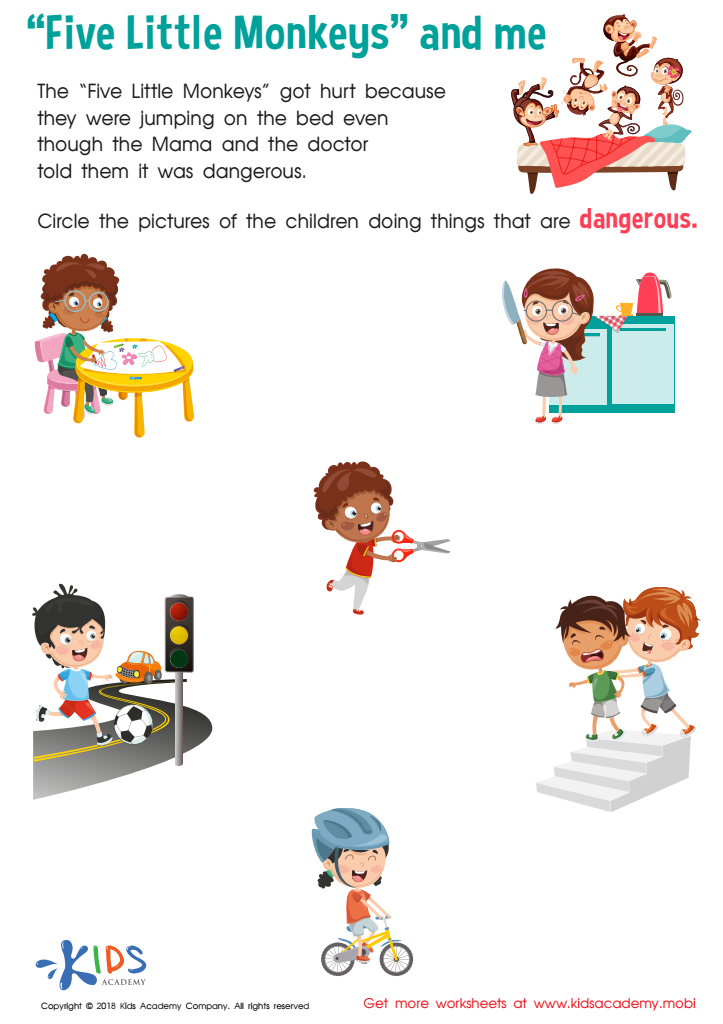
Five Little Monkeys and Me Worksheet
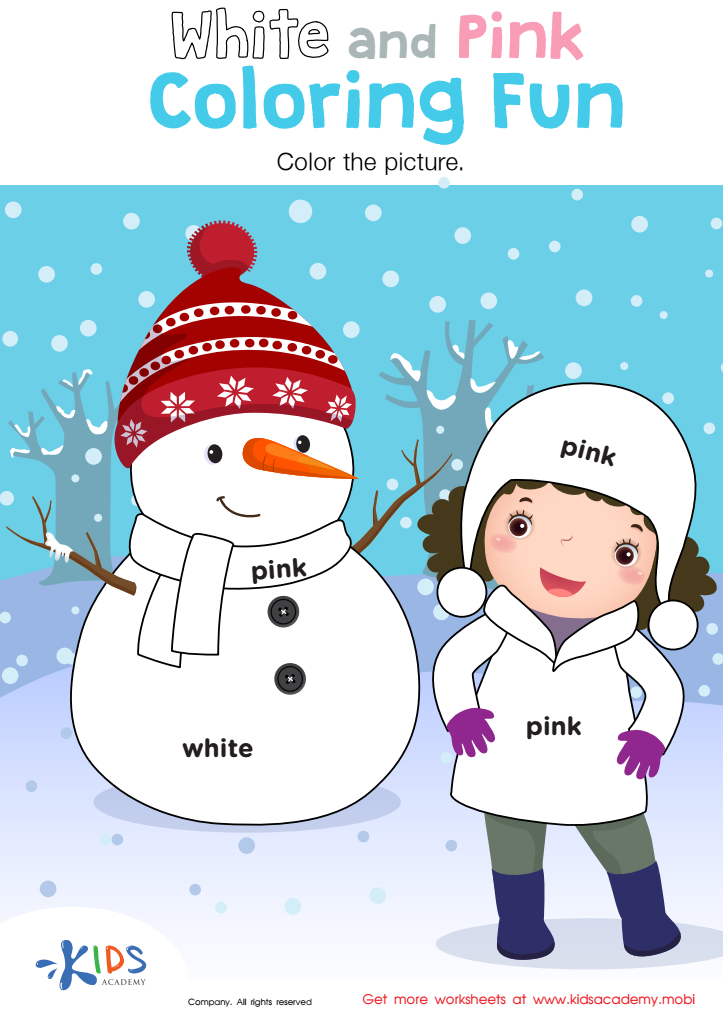
White and Pink Coloring Fun Worksheet
Assign to My Students
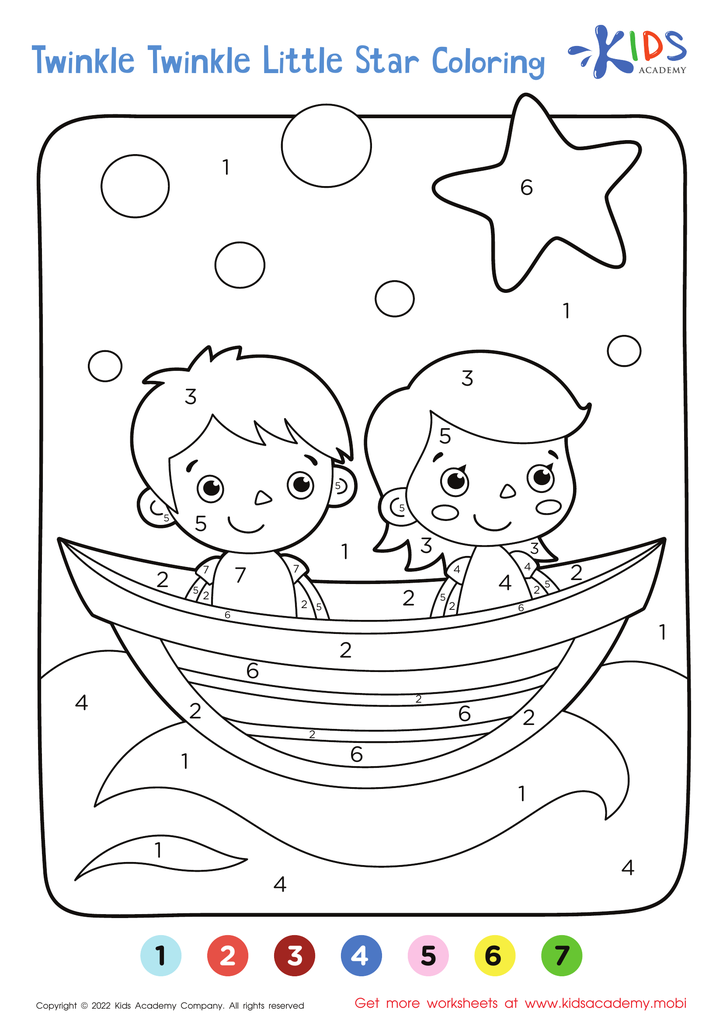
Twinkle, Twinkle, Little Star – Coloring by Numbers
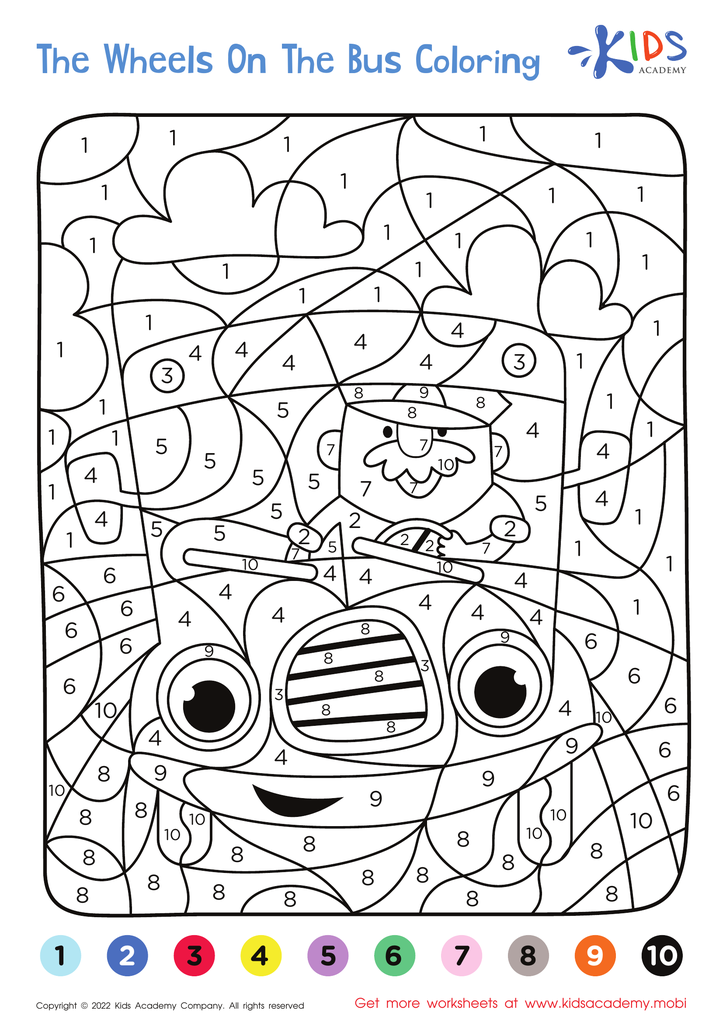
Wheels on the Bus – Coloring by Numbers
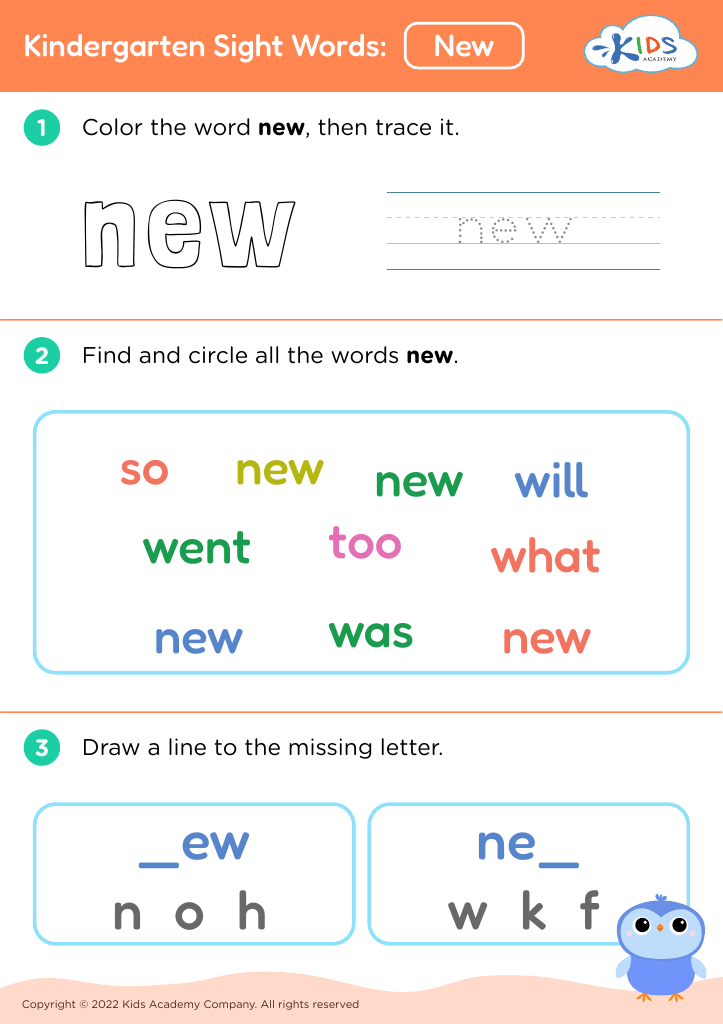
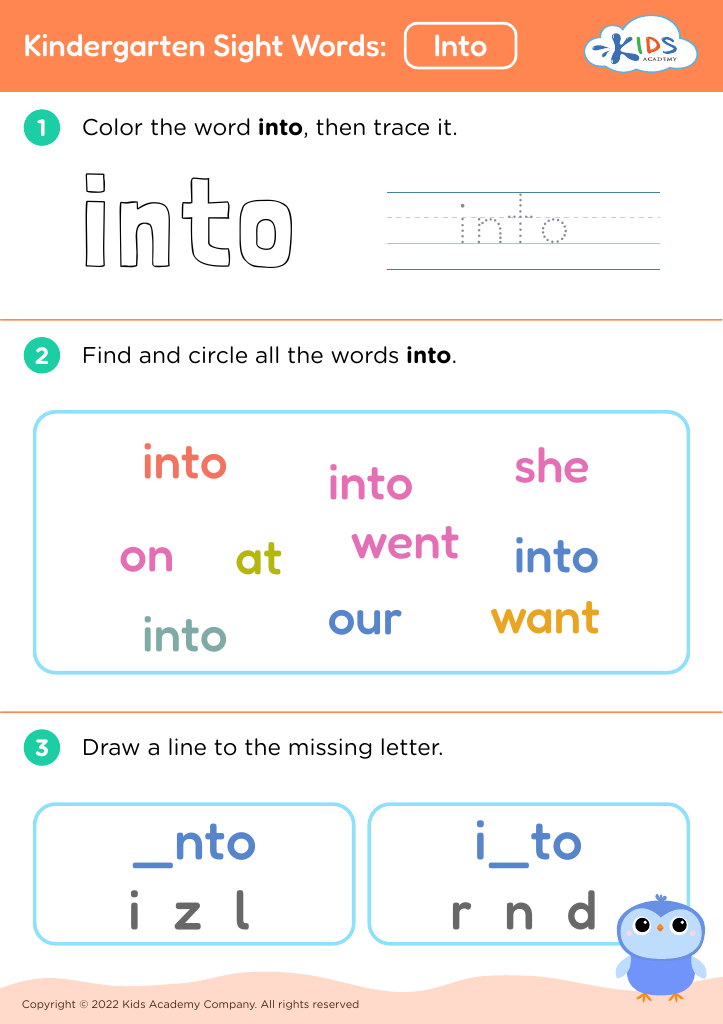
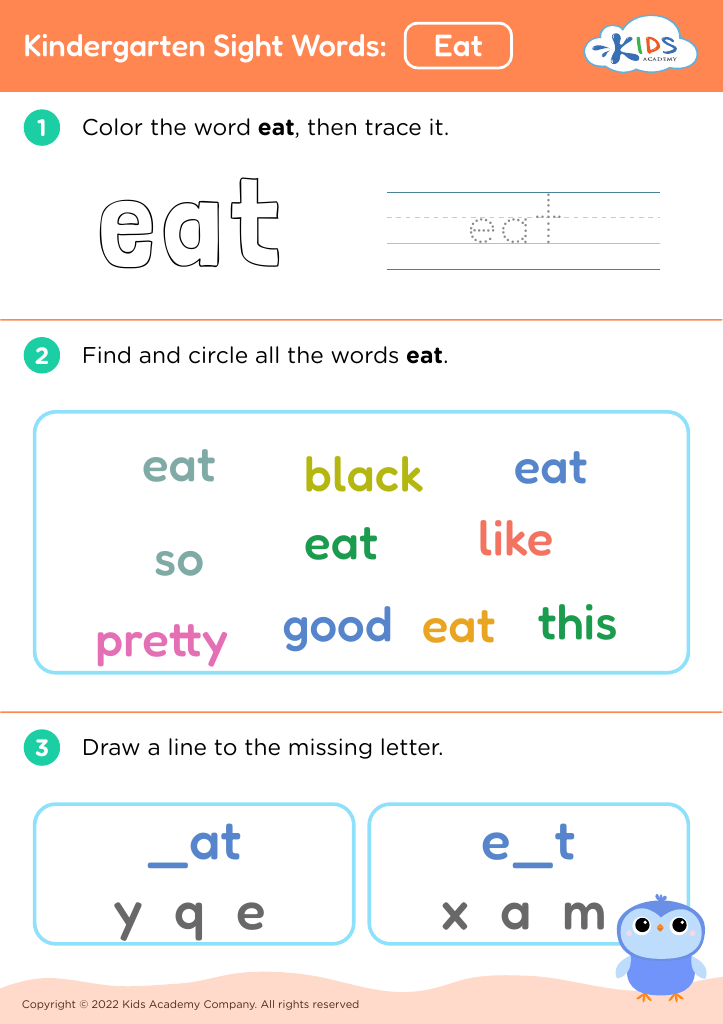








Following instructions is a critical skill for kindergarten students, and both parents and teachers should prioritize its development for several reasons. First, it builds foundational skills necessary for academic success. Kindergarten sets the stage for future learning, and being able to follow instructions helps children navigate classroom activities, complete tasks, and understand assignments.
Moreover, following instructions fosters independence and confidence. When children successfully follow directions, they experience a sense of achievement that boosts their self-esteem and encourages them to take on more complex tasks. This empowerment is essential as they transition to higher grades, where independent learning is more emphasized.
In the realm of reading, following instructions is vital for comprehension. Children often encounter written directions in books, worksheets, and reading activities. Understanding and executing these directions enhances their ability to decode text, follow storylines, and answer questions related to the material.
Additionally, learning to follow instructions promotes better classroom management. When students understand and adhere to guidelines, the classroom environment becomes more structured and conducive for learning. It helps them work collaboratively with peers, teaching teamwork and respect for others' ideas. Therefore, nurturing this skill in young learners has long-term benefits for their education and social development.