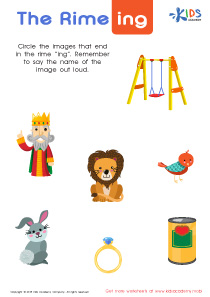
Sequencing Skills Kindergarten Reading Comprehension Worksheets
4 filtered results
-
From - To
Our "Sequencing Skills Kindergarten Reading Comprehension Worksheets" are expertly crafted to help young learners develop essential reading comprehension skills. Through engaging activities that involve arranging events in order, children will enhance their ability to understand and retell stories. These worksheets are designed to improve logical thinking and narrative skills by focusing on sequencing key moments from simple texts. Perfect for both classroom and home use, our printable worksheets support educators and parents in fostering a love for reading and story structure in kindergarten students, laying a strong foundation for future literacy success. Make reading fun and educational with our comprehensive resources!
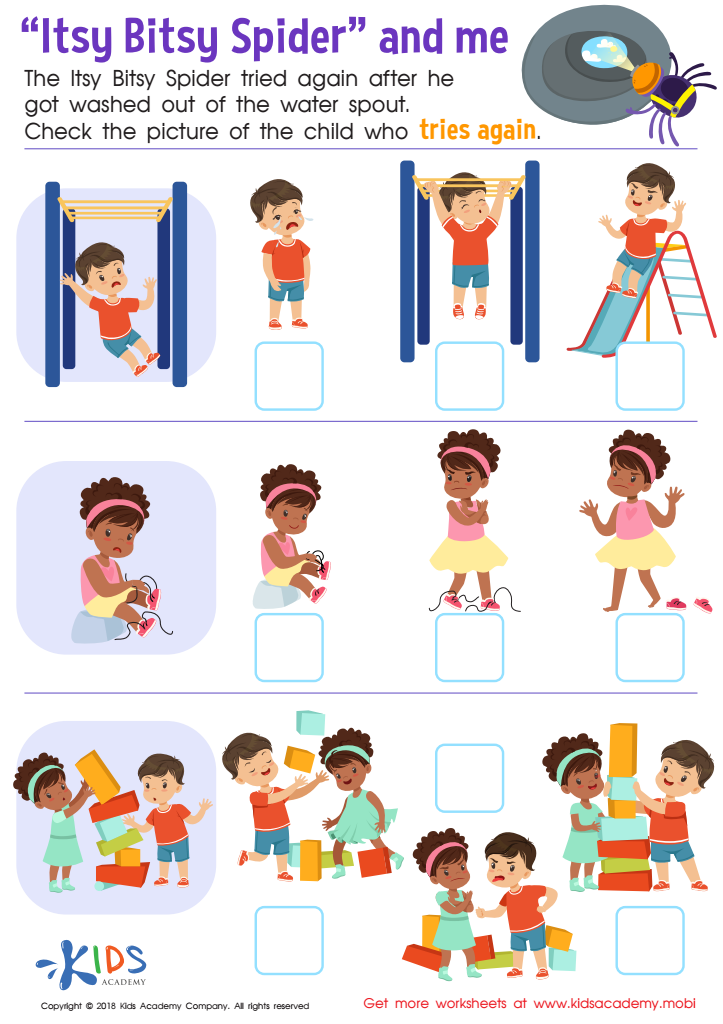
Itsy Bitsy Spider and Me Worksheet
 Assign to My Students
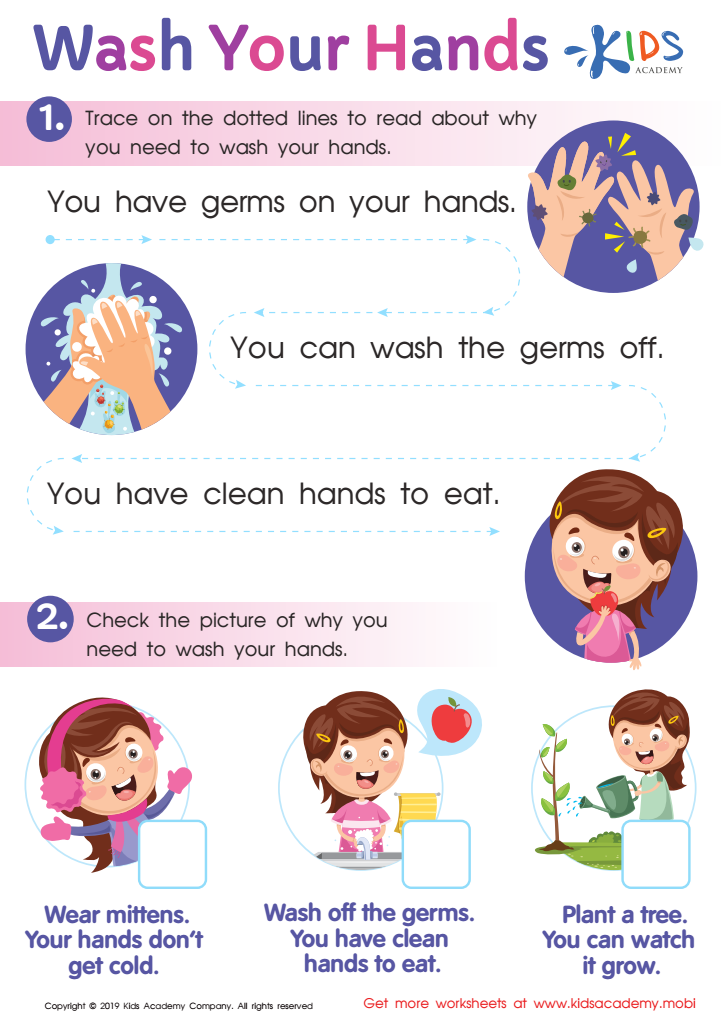
Wash Your Hands Worksheet
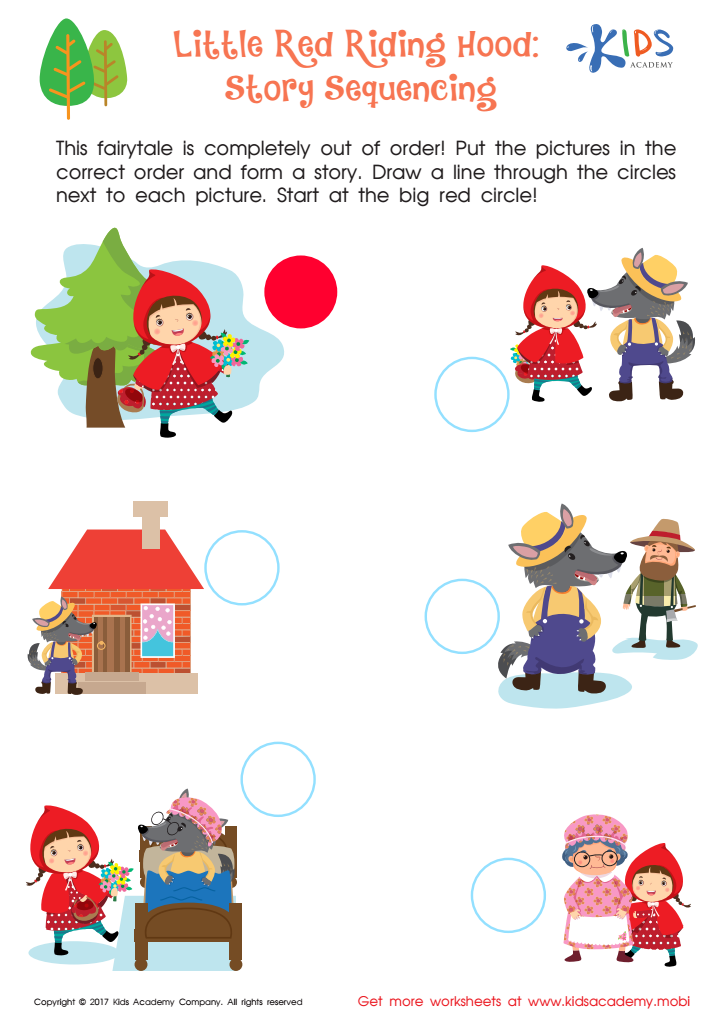
Story Sequencing Printable
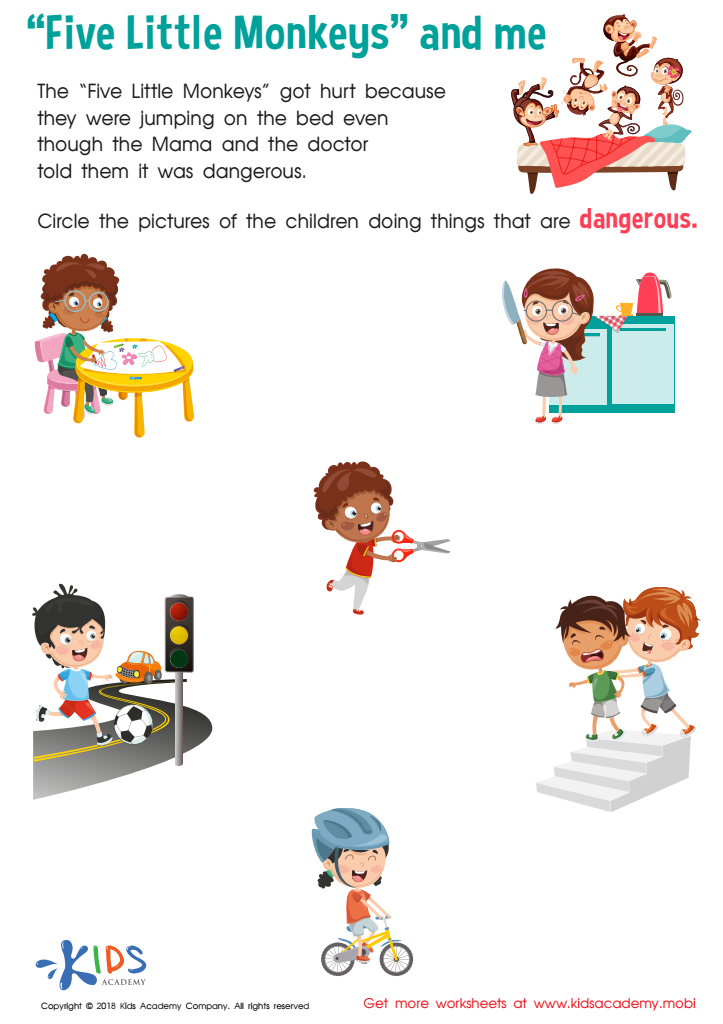
Five Little Monkeys and Me Worksheet








Sequencing skills are fundamental for kindergarten reading comprehension and play a pivotal role in early literacy development. These skills involve the ability to understand and organize content in a logical order, such as identifying the beginning, middle, and end of a story. This structured understanding ensures young children can grasp the flow of events, which is crucial for making sense of narratives.
Parents and teachers should prioritize sequencing because it enhances children's comprehension abilities. When children can sequence events correctly, they can better predict outcomes and make inferences, leading to a deeper understanding of the text. This sets a solid foundation for critical thinking and problem-solving skills as they progress through higher grades.
Furthermore, sequencing skills aid in the development of other essential academic and life skills. For example, understanding sequences helps children follow instructions, retell stories, and even manage daily routines more effectively. Early mastery of sequencing fosters self-confidence and encourages a positive attitude towards reading, turning it into an enjoyable and rewarding experience.
Teachers and parents can support sequencing through activities like storytelling, using picture books, and engaging in retelling exercises. These practices help young learners connect narrative elements smoothly, establishing a connection between spoken and written language that is vital for their ongoing educational journey.