Reading Skills Kindergarten Writing Worksheets
4 filtered results
-
From - To
Our "Reading Skills Kindergarten Writing Worksheets" are designed to foster early literacy in young learners. Fun and engaging, these worksheets offer diverse activities that build foundational reading and writing capabilities. By practicing letter recognition, phonemic awareness, and simple word formation, kids gradually develop the confidence they need to become proficient readers. These visually appealing worksheets keep children motivated and encouraged, facilitating a playful learning environment. Perfect for both classroom and home use, they cater to different learning styles and paces. Equip your child with the essential skills needed for a successful reading journey with our expertly crafted resources.
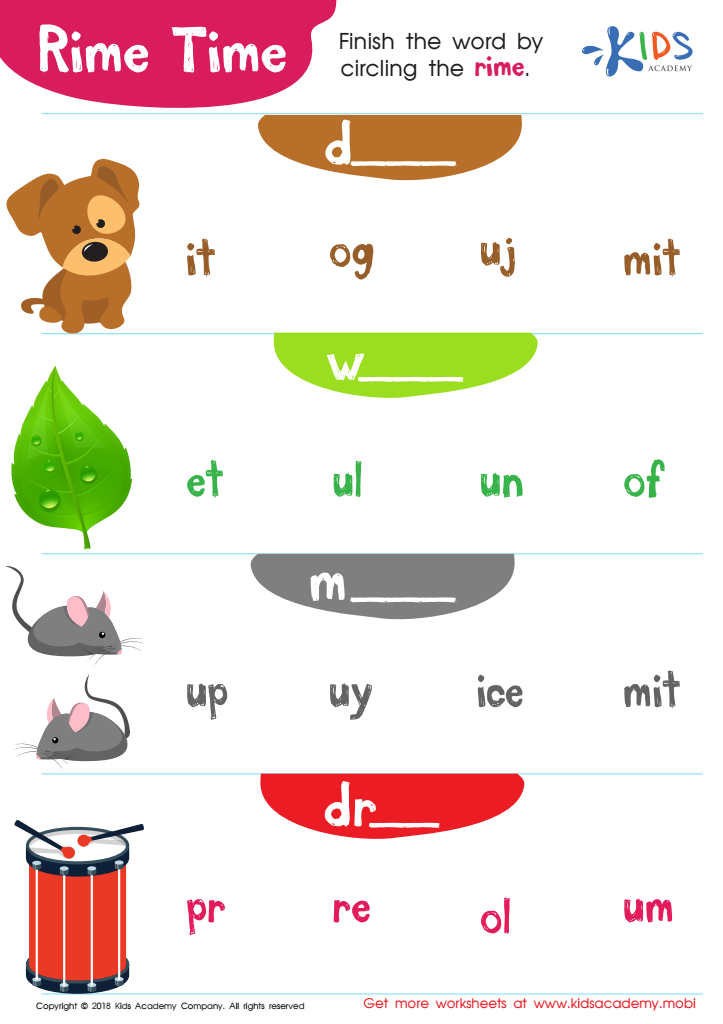
Rime Time Worksheet
 Assign to My Students
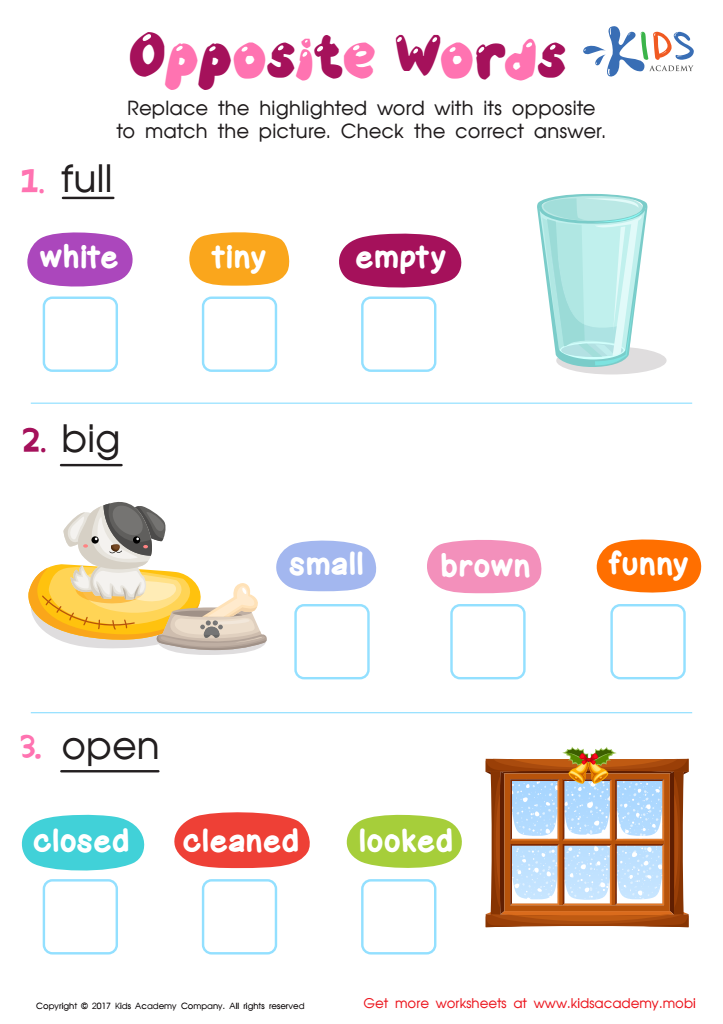
Opposite Words Worksheet
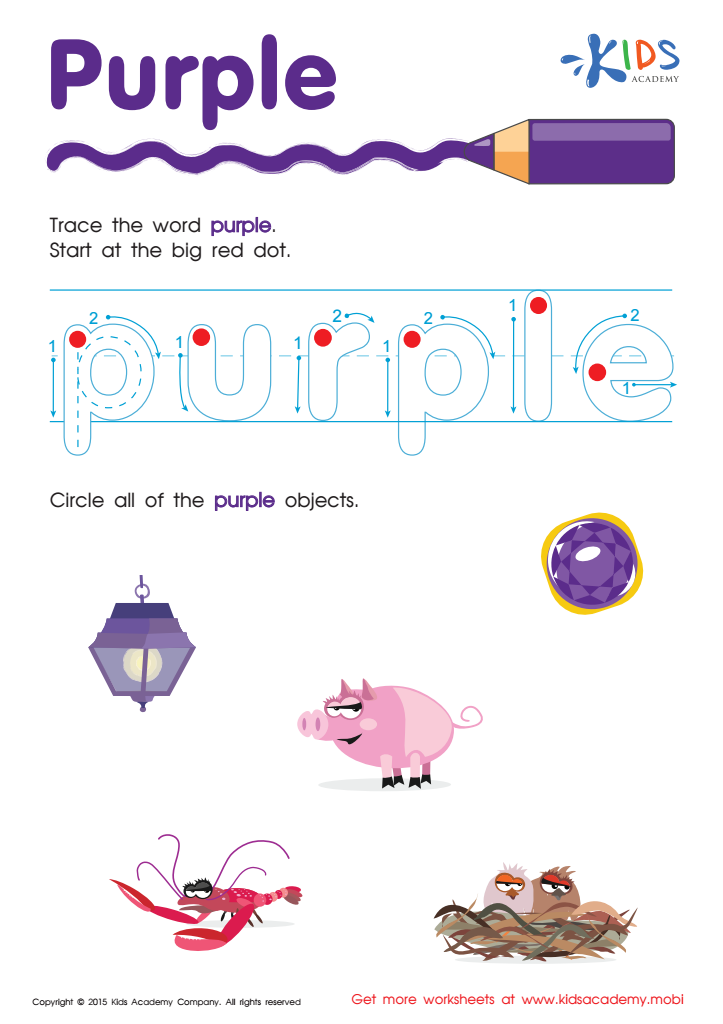
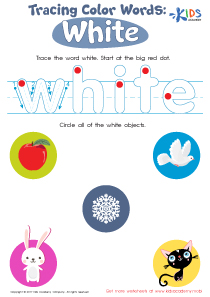
Purple Tracing Color Words Worksheet
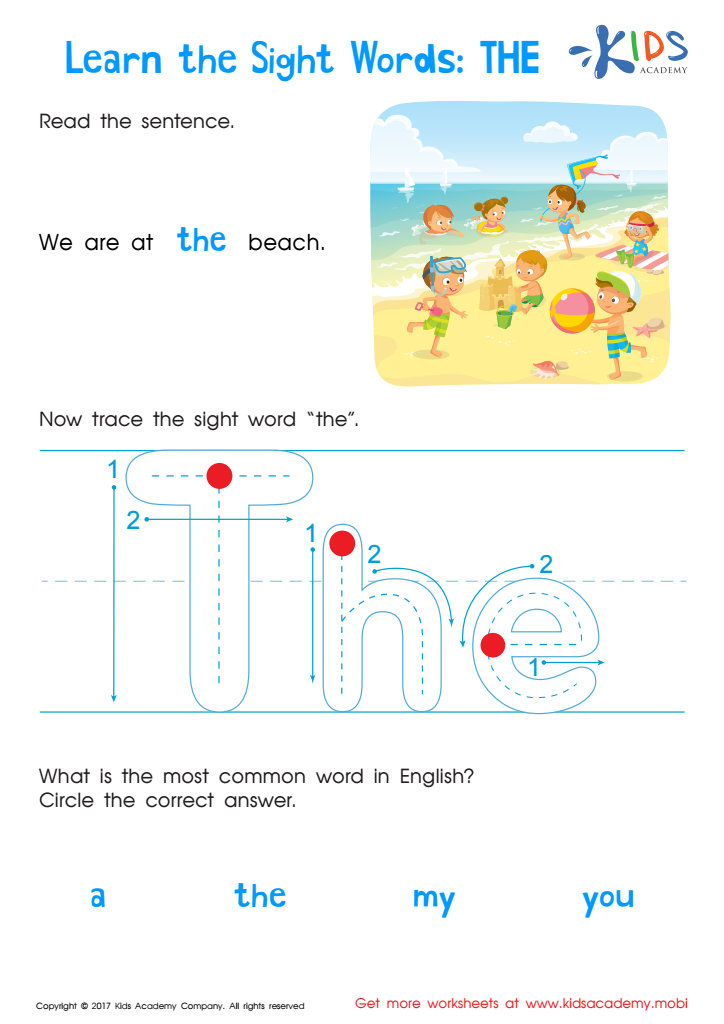
Sight Words: The Worksheet








Reading skills in kindergarten are foundational for a child's future academic success and overall cognitive development. At this critical age, children are not only learning to read but also reading to learn. Mastery of early reading skills can significantly influence their vocabulary, comprehension abilities, and overall curiosity for knowledge. Having strong reading skills early on can ease the transition to higher grades, making subjects across the curriculum more accessible.
Parents and teachers play an essential role in nurturing these skills. By fostering a love for reading at home and providing a language-rich environment in the classroom, children are exposed to a variety of words, ideas, and imaginative experiences. Additionally, reading together reinforces parent-child bonding, which is crucial for emotional and social development.
Writing, another key component in kindergarten, complements reading skills. When children engage in writing, they practice phonetics, vocabulary, and structure, making reading more intuitive. Encouraging children to express their thoughts through writing nurtures creativity and helps them make sense of their experiences.
Considering these facets, it is evident that parents and teachers should prioritize reading skills and kindergarten writing. By doing so, they set the stage for a lifelong appreciation of learning and equip children with the tools they need to navigate the complexities of future education stages.