Color recognition Mazes Worksheets
4 filtered results
-
From - To
Explore our engaging Color Recognition Mazes Worksheets, designed to facilitate early learning through fun and interactive activities! These specialized worksheets help young children develop essential color identification skills while navigating exciting maze challenges. As kids trace their way through vibrant, colorful paths, they enhance their fine motor skills and boost cognitive abilities. Perfect for preschoolers and kindergarteners, our printable worksheets incorporate a blend of learning and play, making it easy for educators and parents to nurture creativity and critical thinking. Encourage your child's color recognition and problem-solving skills today with our enchanting maze adventures! Download your worksheets now and watch learning come alive!
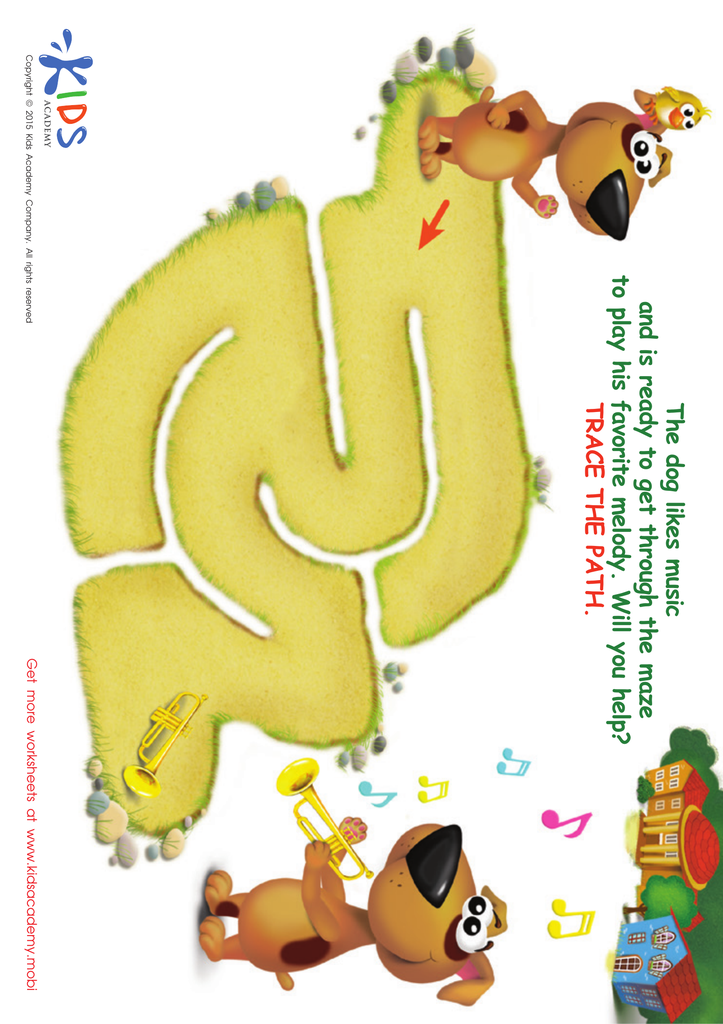
Trumpeter Maze Worksheet
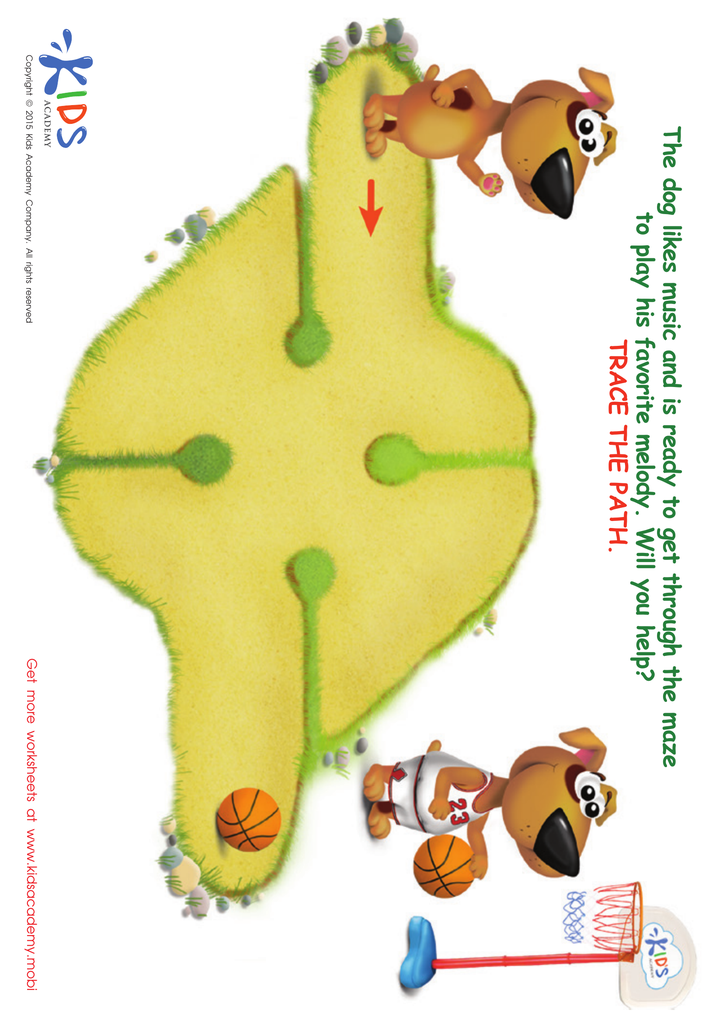
Basketball Player Maze Worksheet
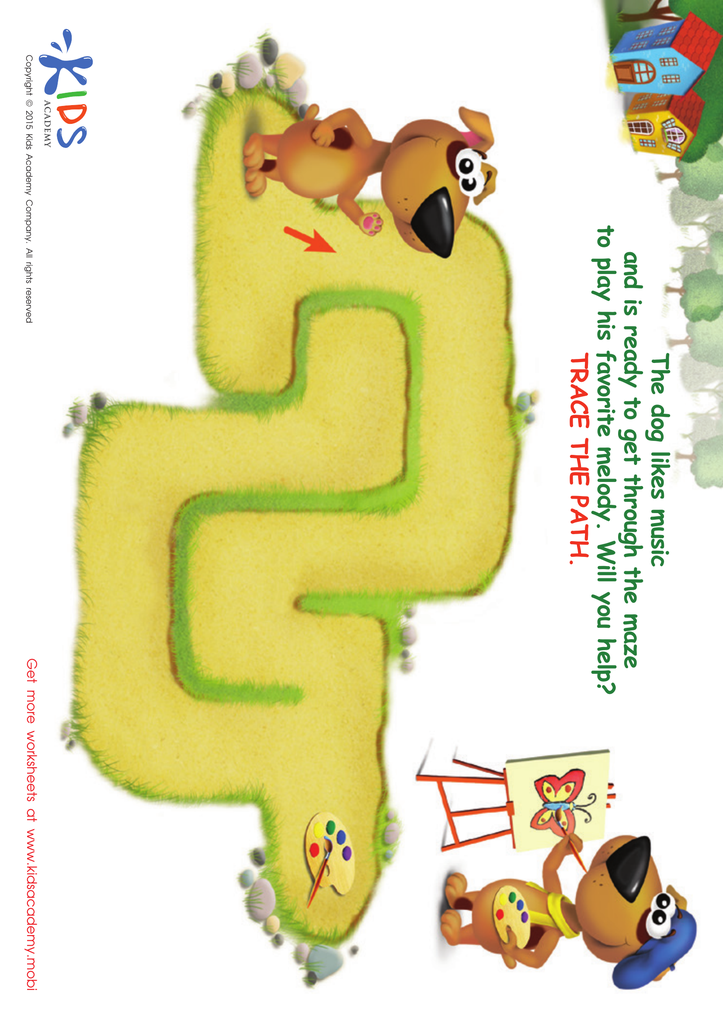
Artist Maze Worksheet
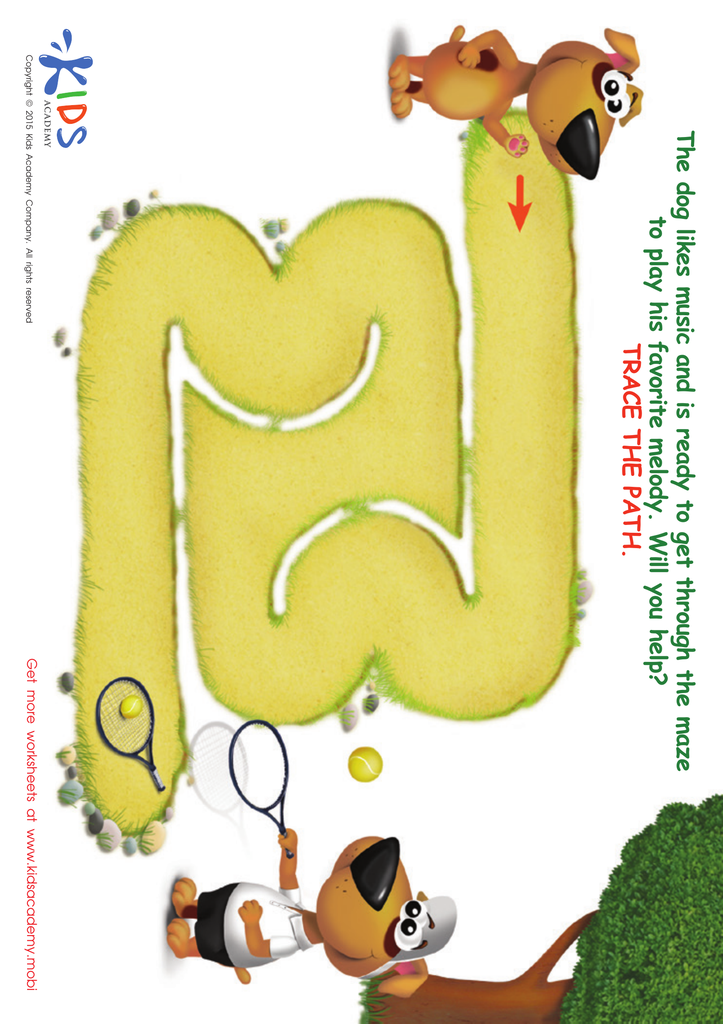
Tennis Player Maze Worksheet


Color recognition mazes are a valuable educational tool that aids young children in developing fundamental cognitive skills. Firstly, engaging in these mazes enhances color recognition, which is a crucial aspect of early childhood education. Identifying different colors not only supports vocabulary development but also fosters visual discrimination skills.
Additionally, while navigating through a maze, children are encouraged to focus, which helps improve their attention span. This activity promotes critical thinking and problem-solving as they strategize the best path to take. Furthermore, color recognition mazes provide an opportunity for fine motor skill development, as children practice gripping writing instruments, following paths, and making precise movements.
Parents and teachers should also consider the social aspect of this activity. When done in a group setting, it encourages collaboration and communication among peers, fostering teamwork and social skills. Moreover, these mazes can be easily integrated into various themes or subjects, allowing for creativity in learning experiences.
Ultimately, color recognition mazes can be a fun and interactive way to cultivate essential skills in young learners while keeping them engaged and entertained. Thus, incorporating them into learning activities is beneficial for both children and educators alike.








