Understanding fractions Adding up to 100 Misc Worksheets
16 filtered results
-
From - To
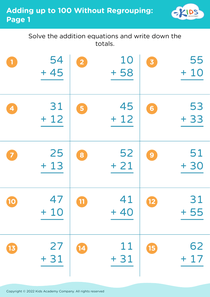
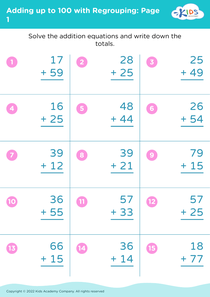
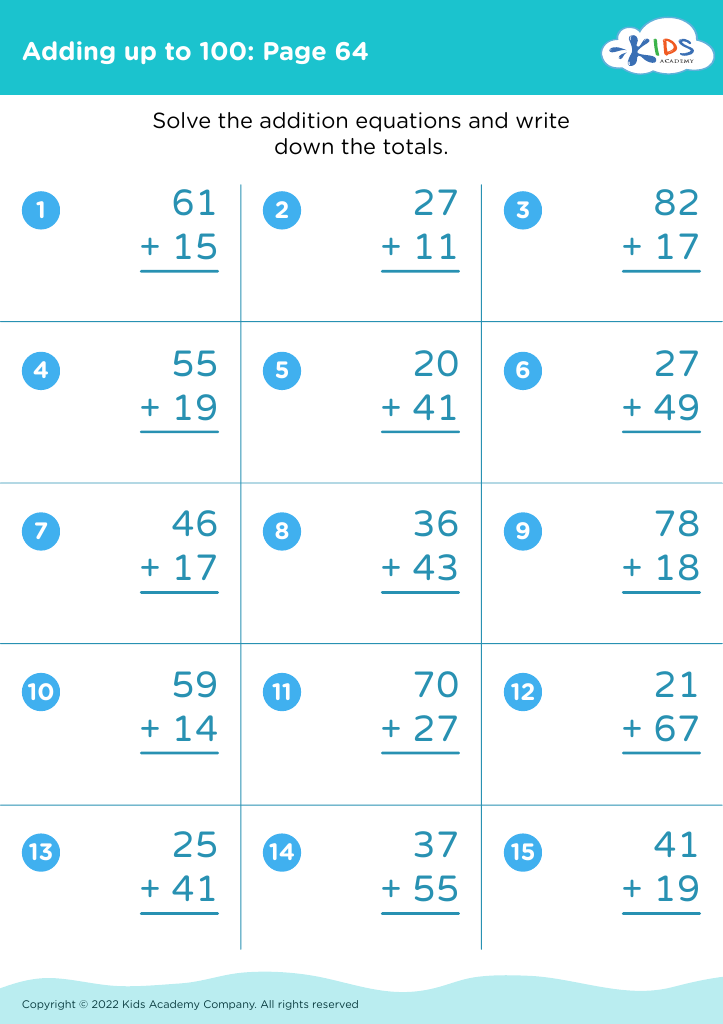
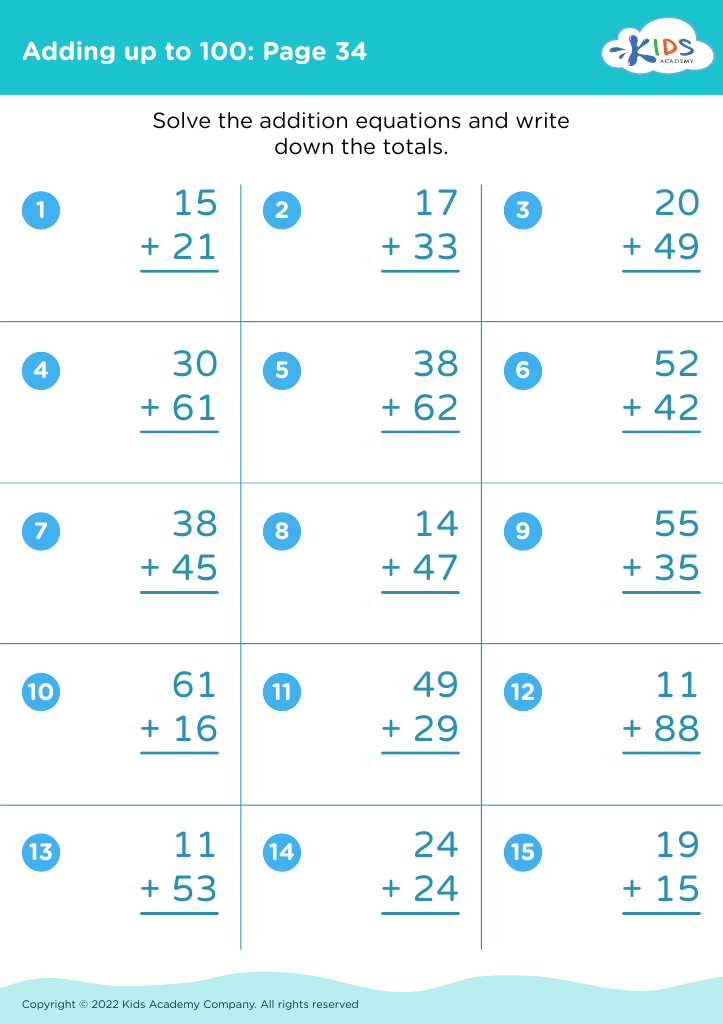
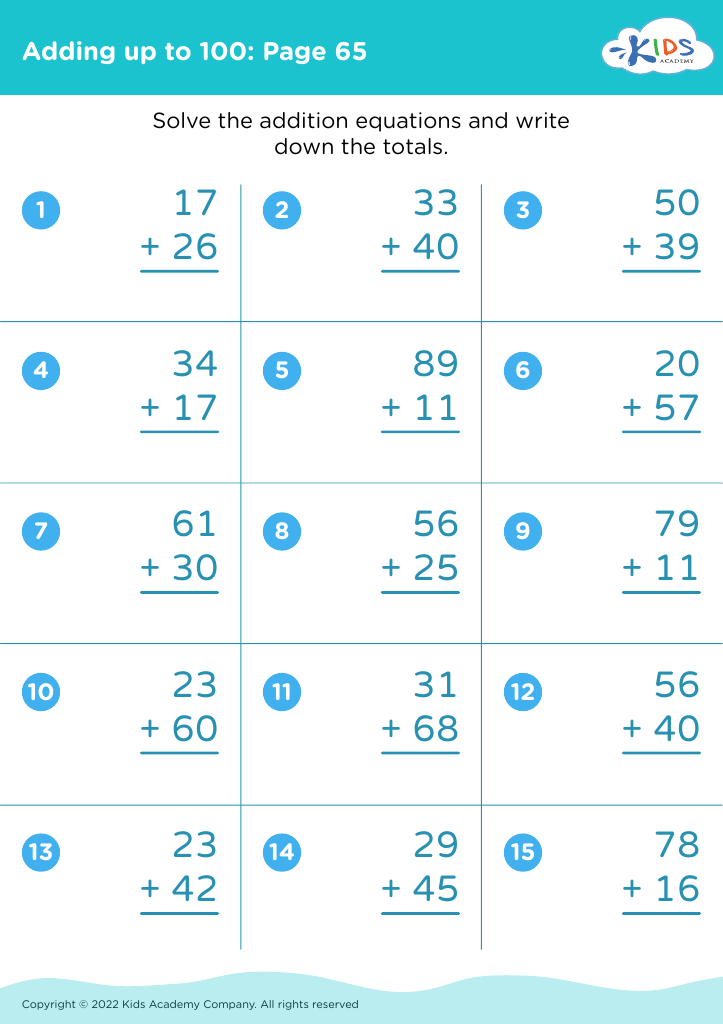
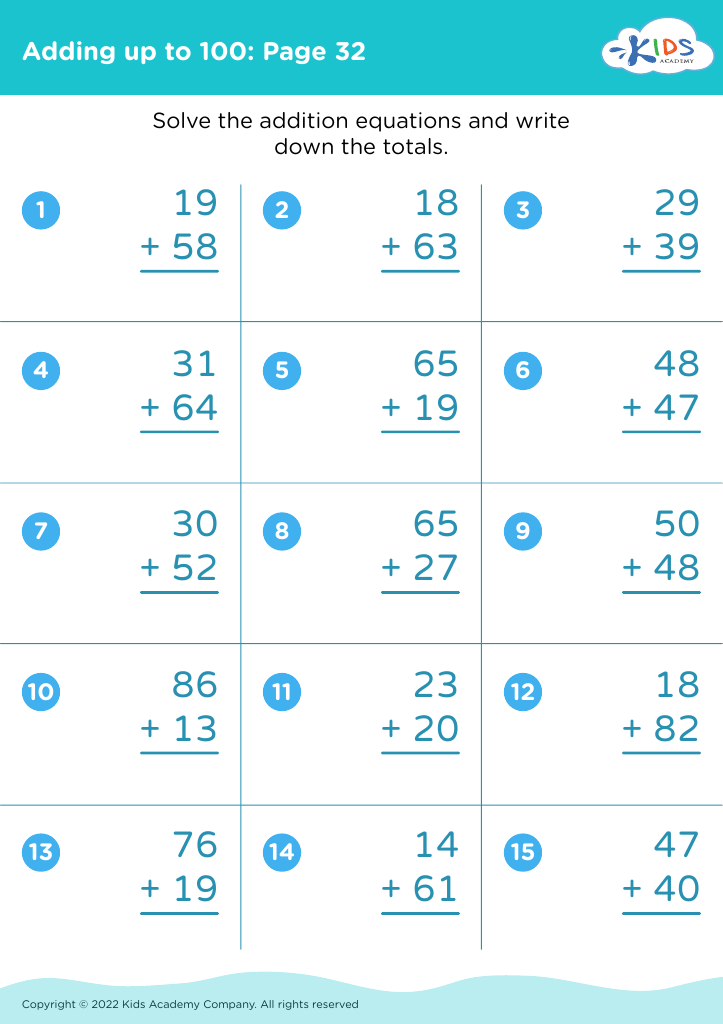
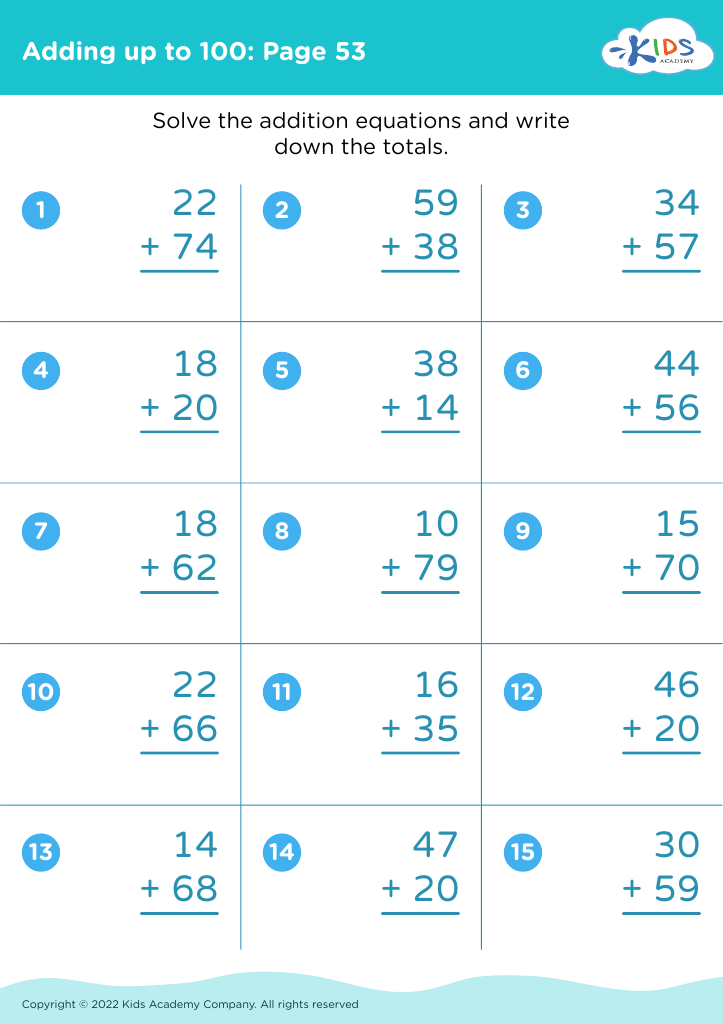
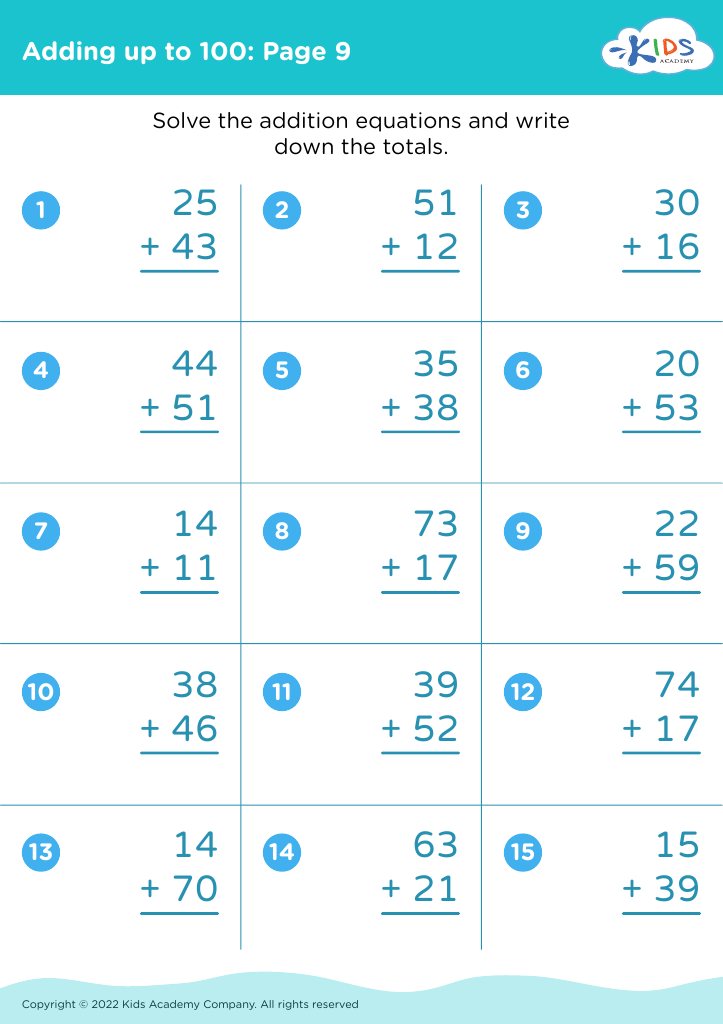
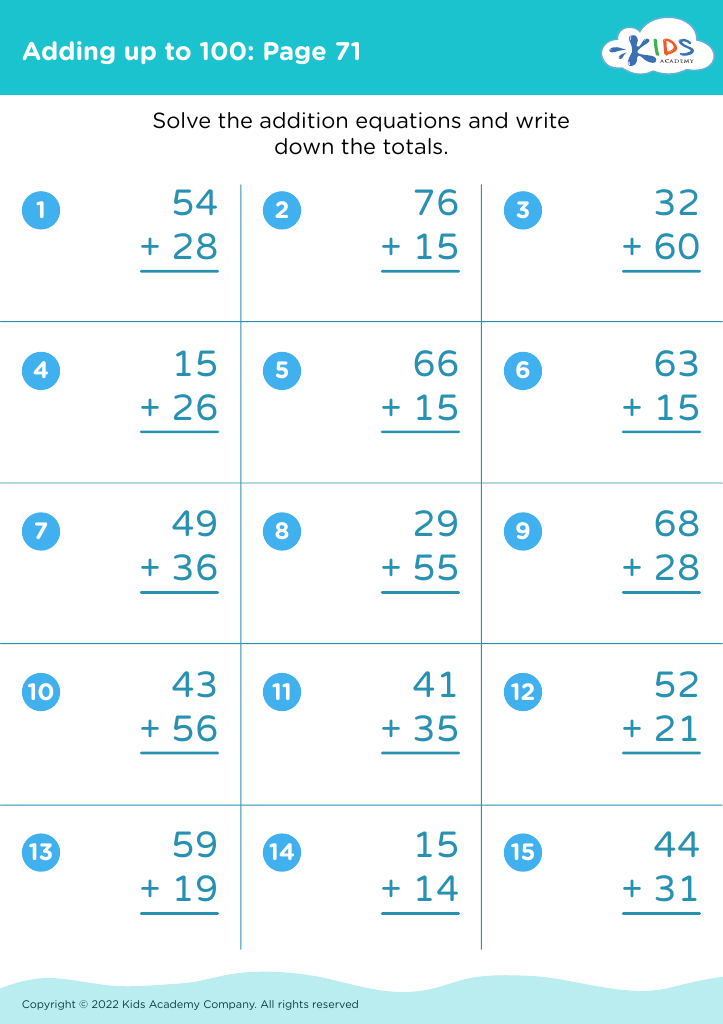
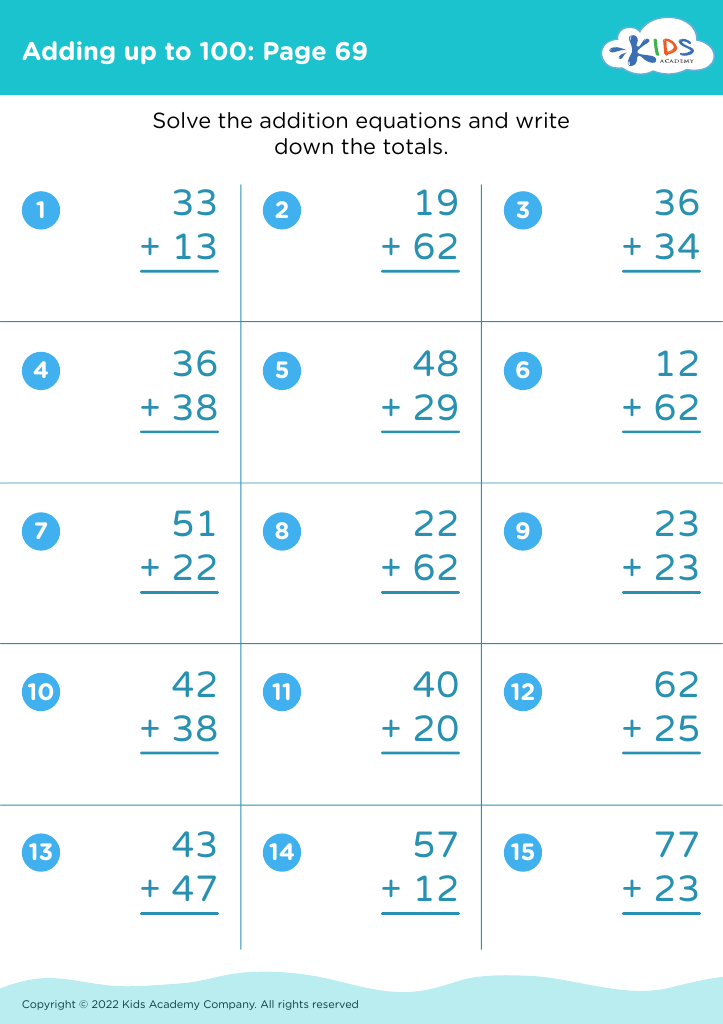
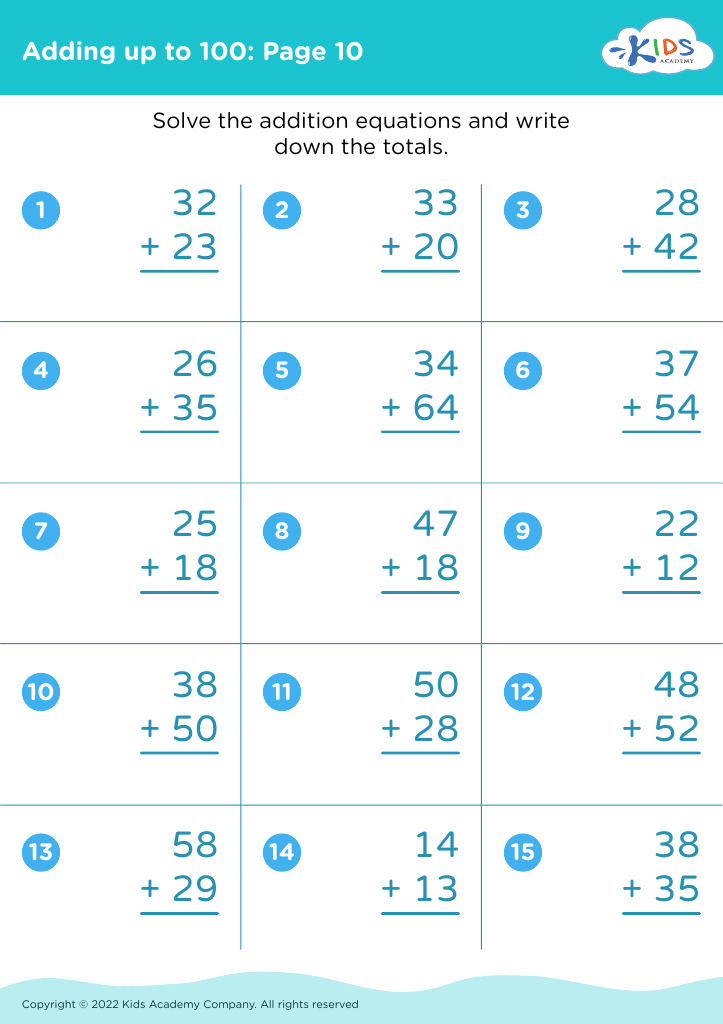
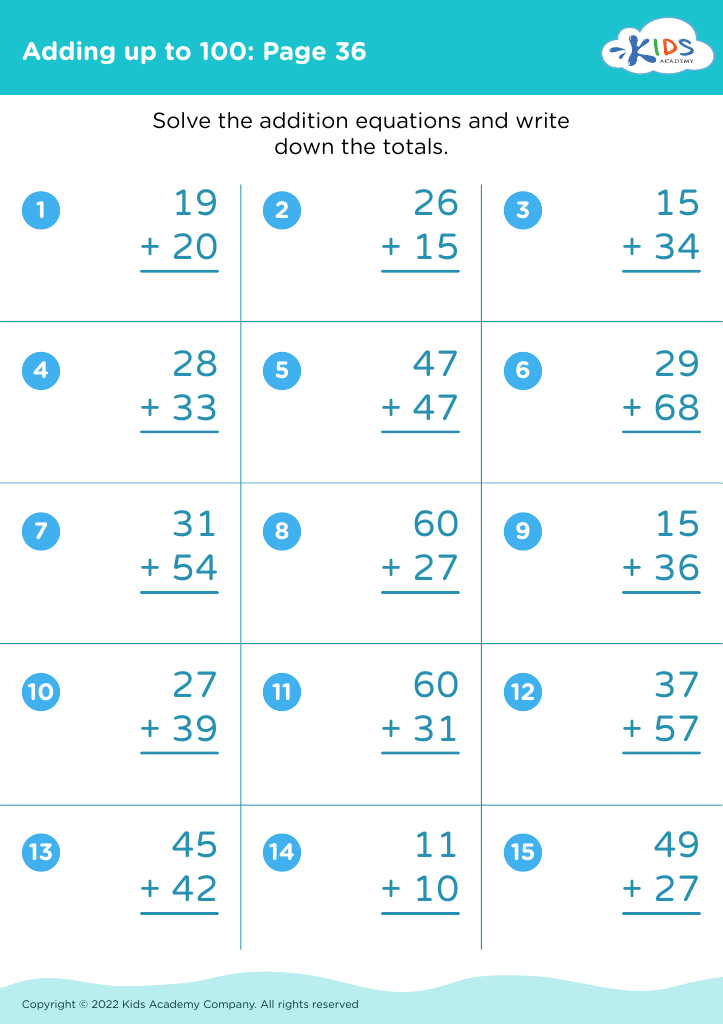
Explore our "Understanding Fractions Adding up to 100" worksheets designed for young learners! These engaging resources help students master the concept of fractions while developing their math skills. With a variety of interactive exercises, children can practice adding fractions that total 100, enhancing their understanding through fun and practical application. Our worksheets progress in difficulty, catering to different learning levels and ensuring every child can succeed. Perfect for classroom use or at-home learning, these materials make math enjoyable and accessible. Unlock your child's potential in fractions today with our thoughtfully crafted worksheets that promote confidence and competence in mathematics!
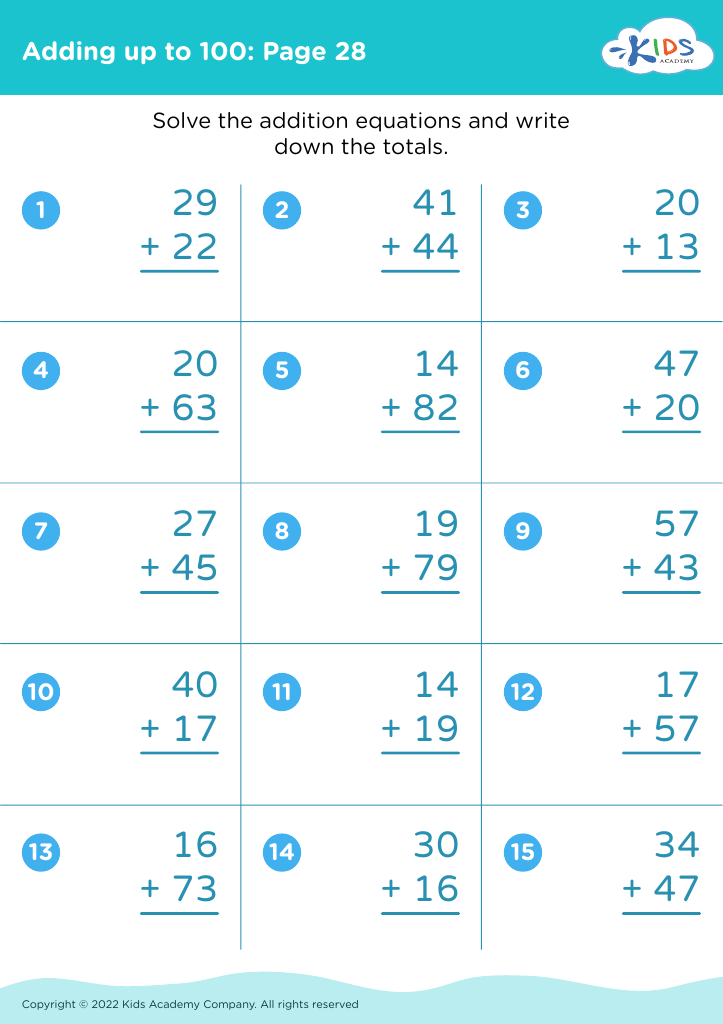
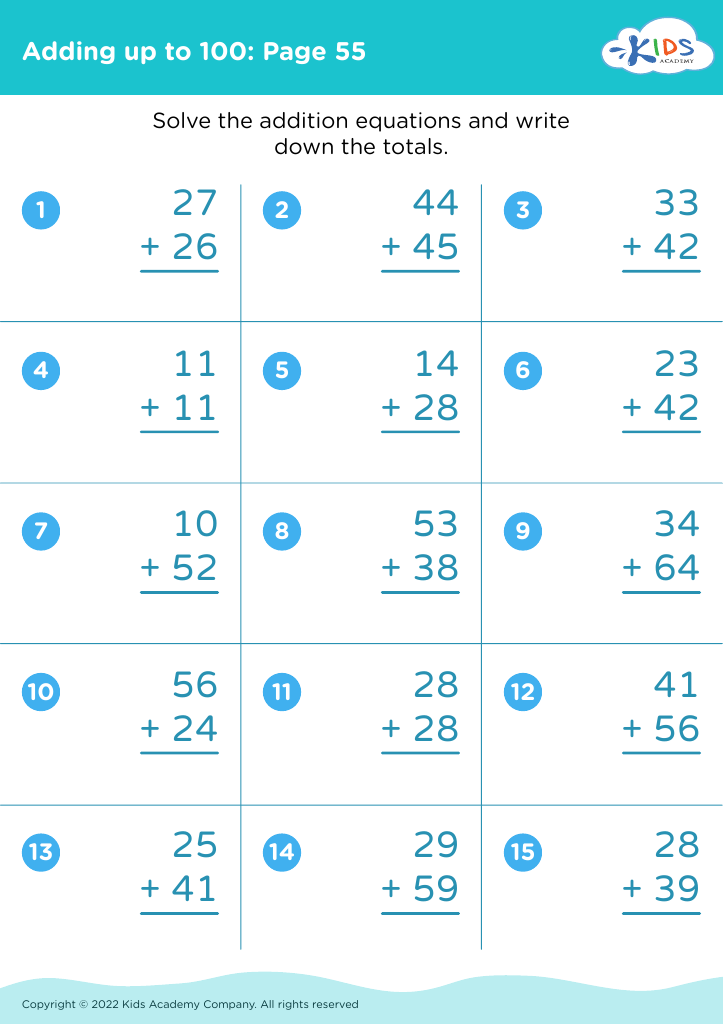
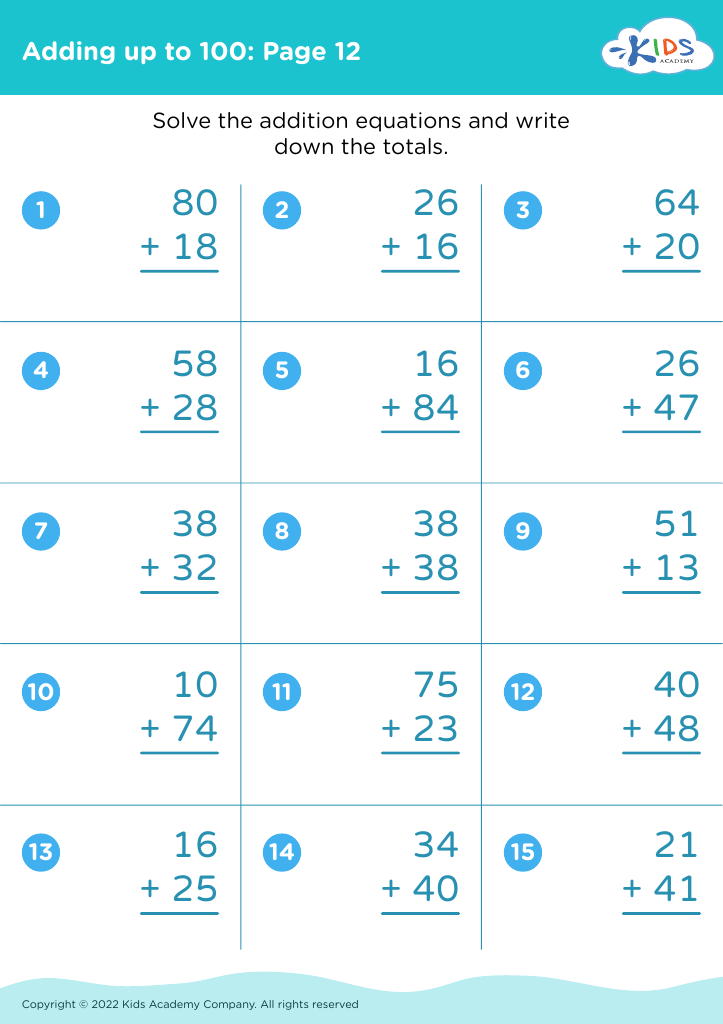
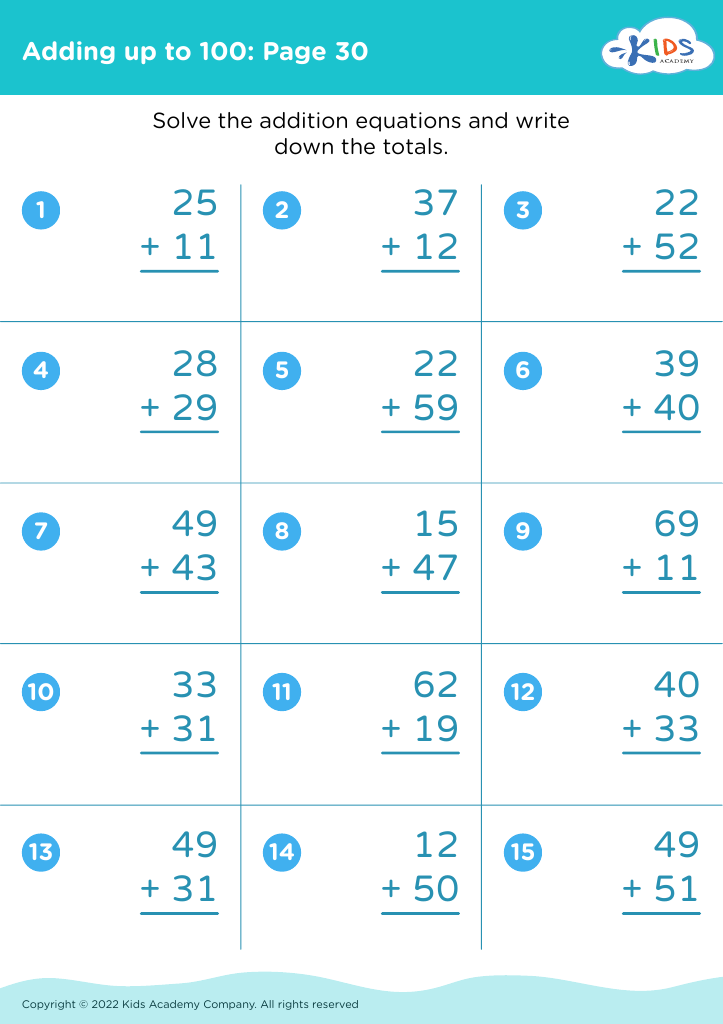
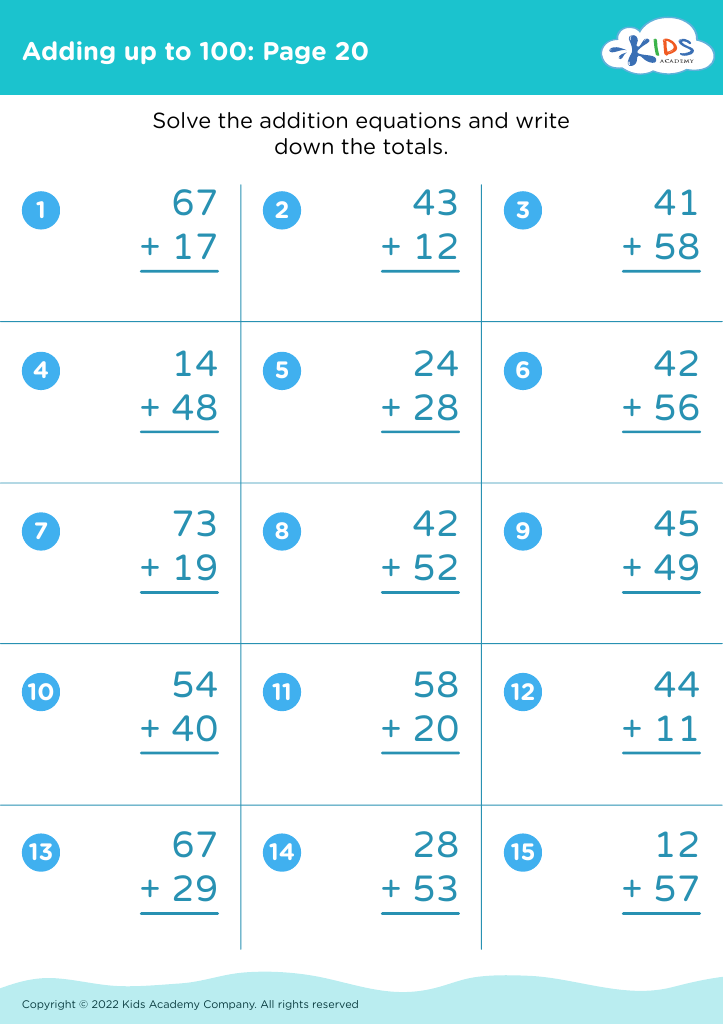
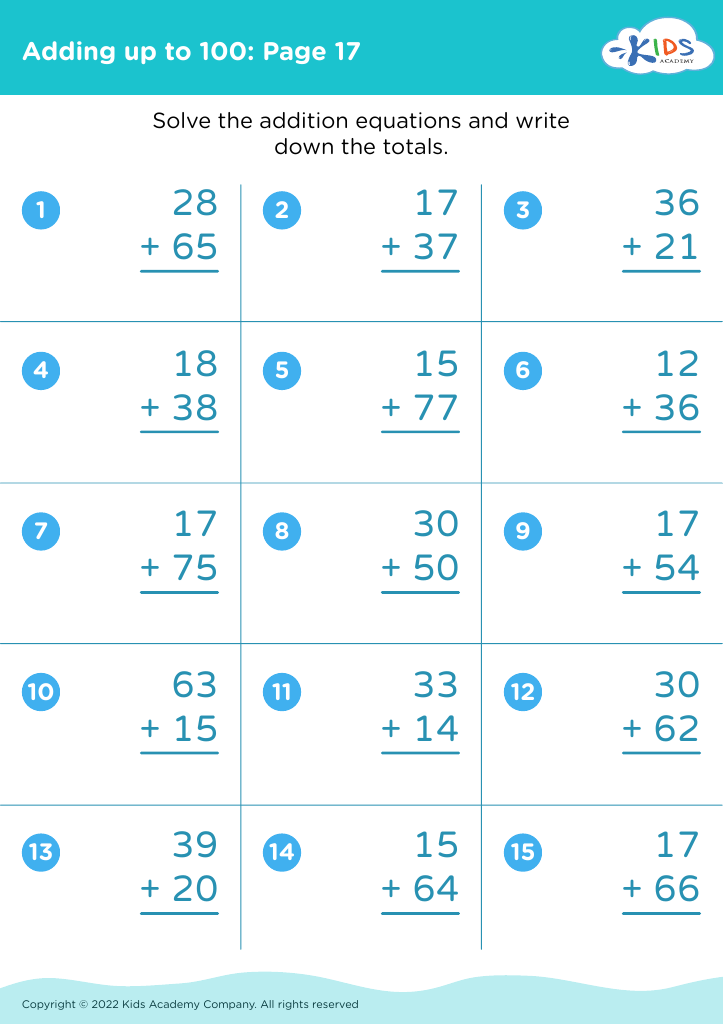


Understanding fractions, including concepts like adding up to 100, is essential for children’s academic success and real-life applications. For parents and teachers, nurturing this comprehension is crucial because it lays the foundation for higher mathematical skills, including percentages, ratios, and algebra. Fractions are everywhere—in baking, shopping, and day-to-day budgeting—making them an integral part of life skills.
By grasping fractions and their relation to 100, children learn to break down complex problems into manageable parts, fostering critical thinking and problem-solving abilities. This understanding also enhances cognitive development, as it combines concrete visual aids with abstract reasoning.
Teachers and parents can further strengthen this concept by incorporating practical examples in everyday situations, ensuring that students see relevance and purpose. Encouraging discussions around fractions helps foster a positive attitude towards math, mitigating anxiety which can stem from challenging topics.
Ultimately, a solid understanding of fractions contributes not only to academic proficiency but also promotes confidence in children’s abilities to tackle mathematical challenges. This foundational knowledge prepares students for advanced topics and equips them with skills they will use throughout their educational journey and everyday life.