





.jpg)
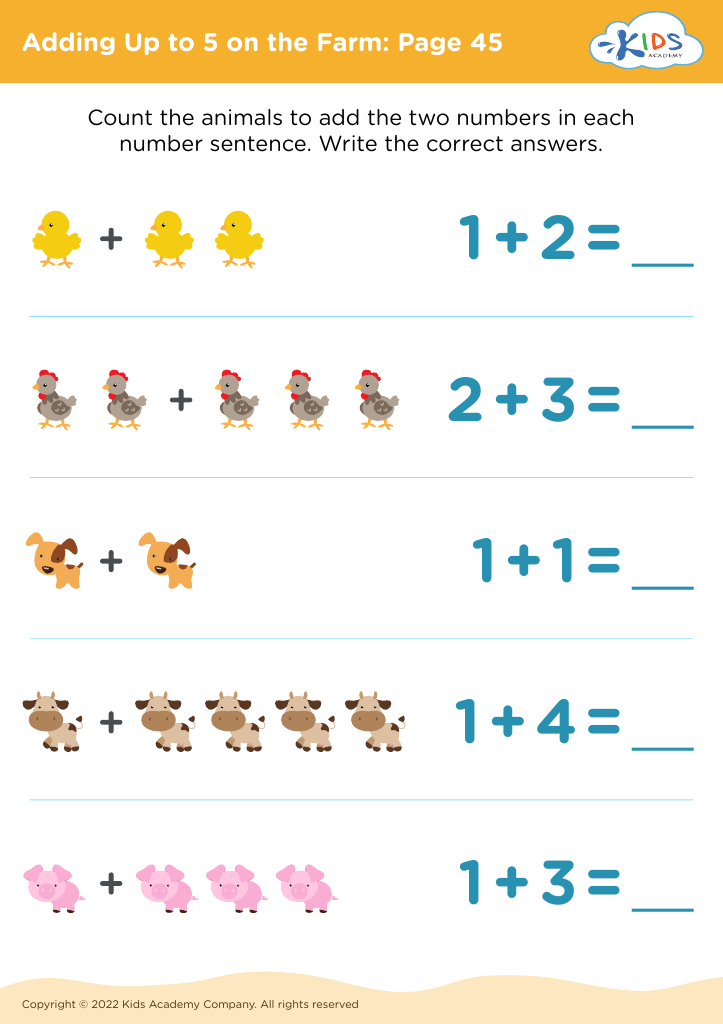
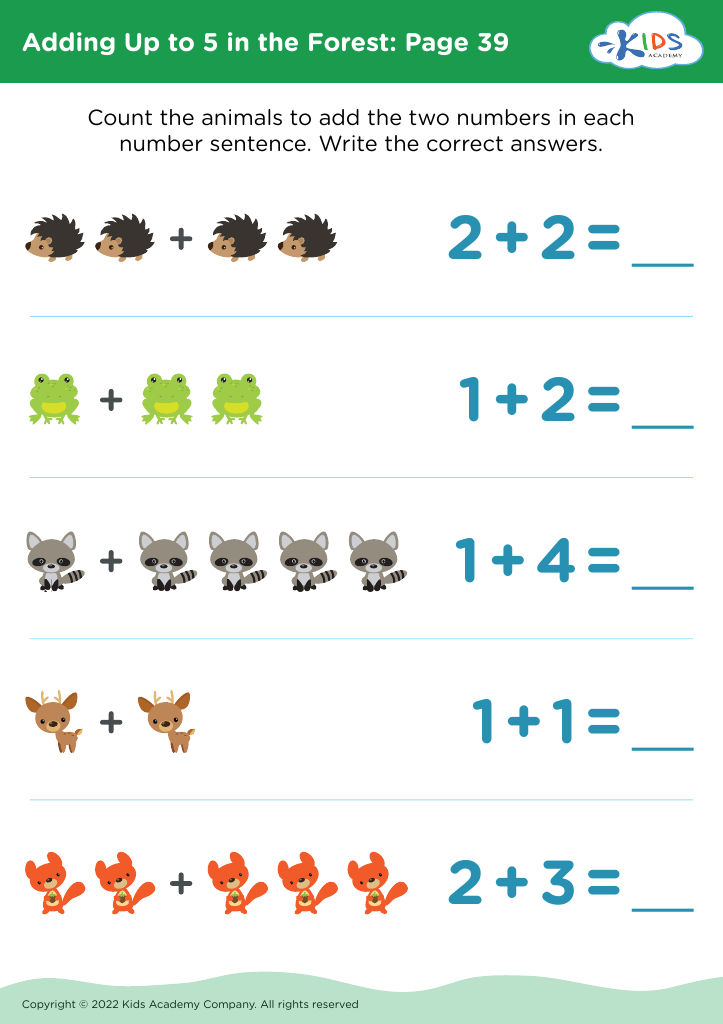
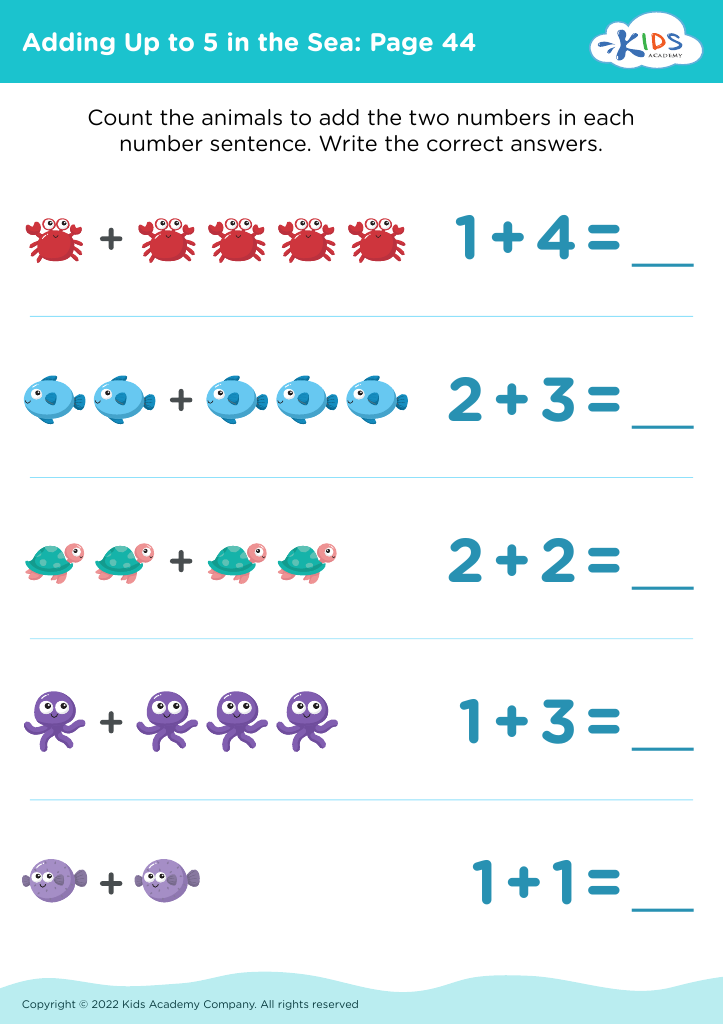
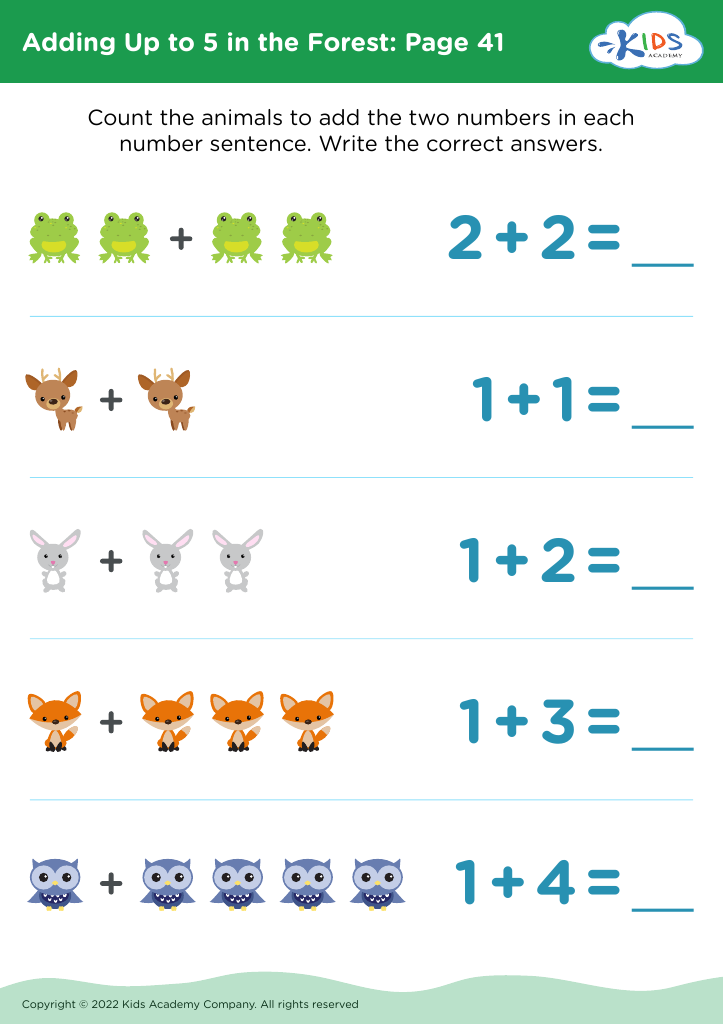
Fine motor skills are crucial for young children's development, as they enable them to perform essential tasks with precision and coordination, such as writing, using scissors, and manipulating small objects. When it comes to adding up to 5, fine motor skills play a significant role in a child's ability to understand basic mathematical concepts and promote their cognitive growth.
In the early grades, children engage in hands-on activities that often involve counting and manipulating small items (like counters or blocks), which requires dexterity. As children practice adding up to 5, they strengthen their grip, hand-eye coordination, and control over their movements. This physical engagement enhances their ability to concentrate and engage with mathematical ideas.
Moreover, early mastery of fine motor skills and foundational math concepts builds children’s confidence, setting a positive trajectory for future learning. Parents and teachers should prioritize activities that develop both fine motor skills and numeracy, such as tracing numbers, engaging in crafts, or playing with toys that encourage counting and stacking. By fostering these skills, adults can help children reach critical milestones, making learning enjoyable and effective while ensuring they're equipped for more complex tasks in the future.








