Fine motor skills (writing) Addition & Subtraction Worksheets - Page 2
40 filtered results
-
From - To
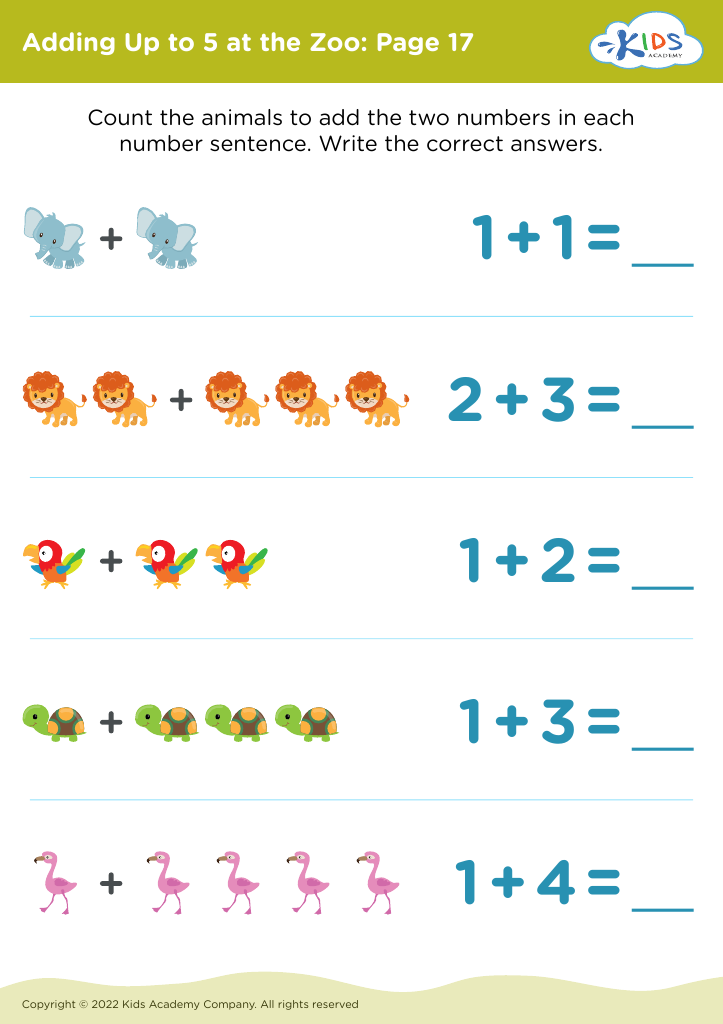
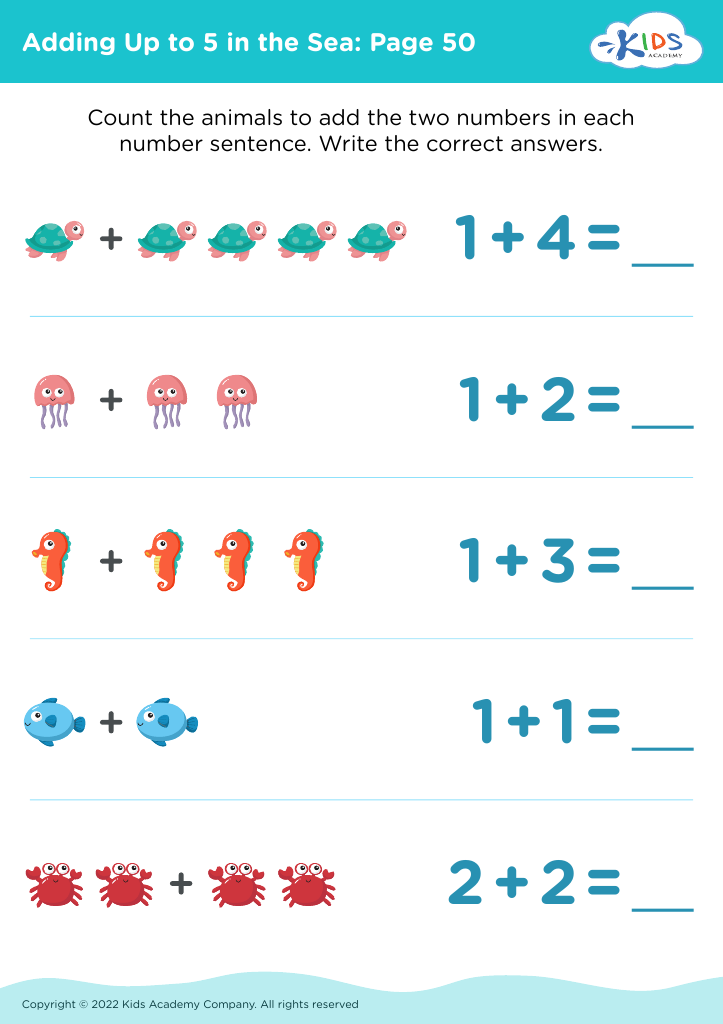
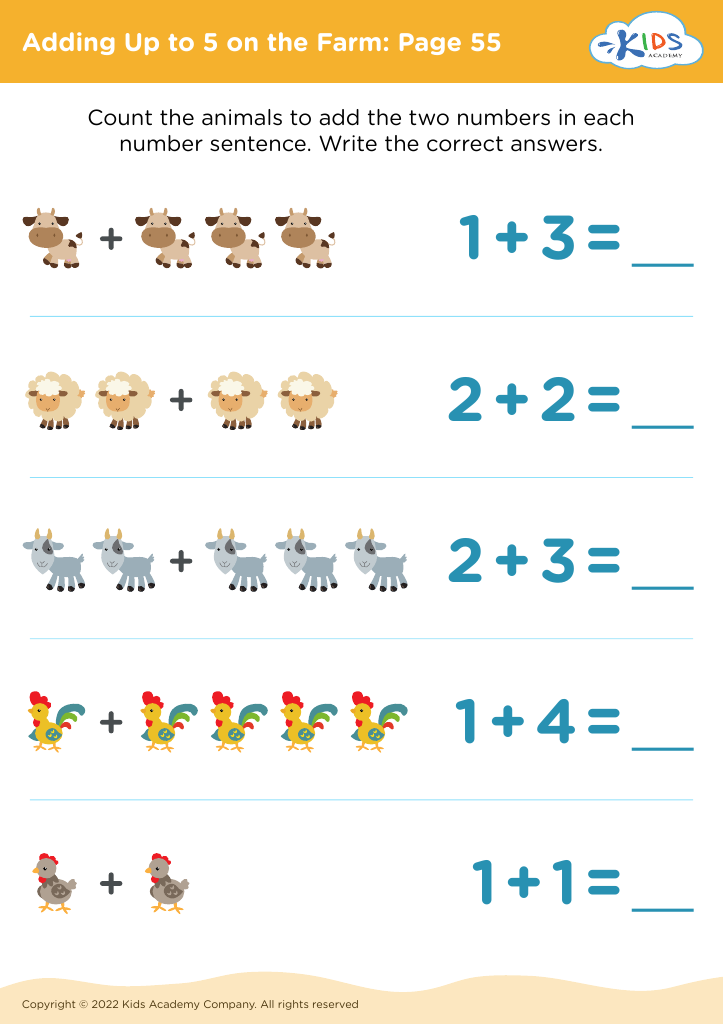
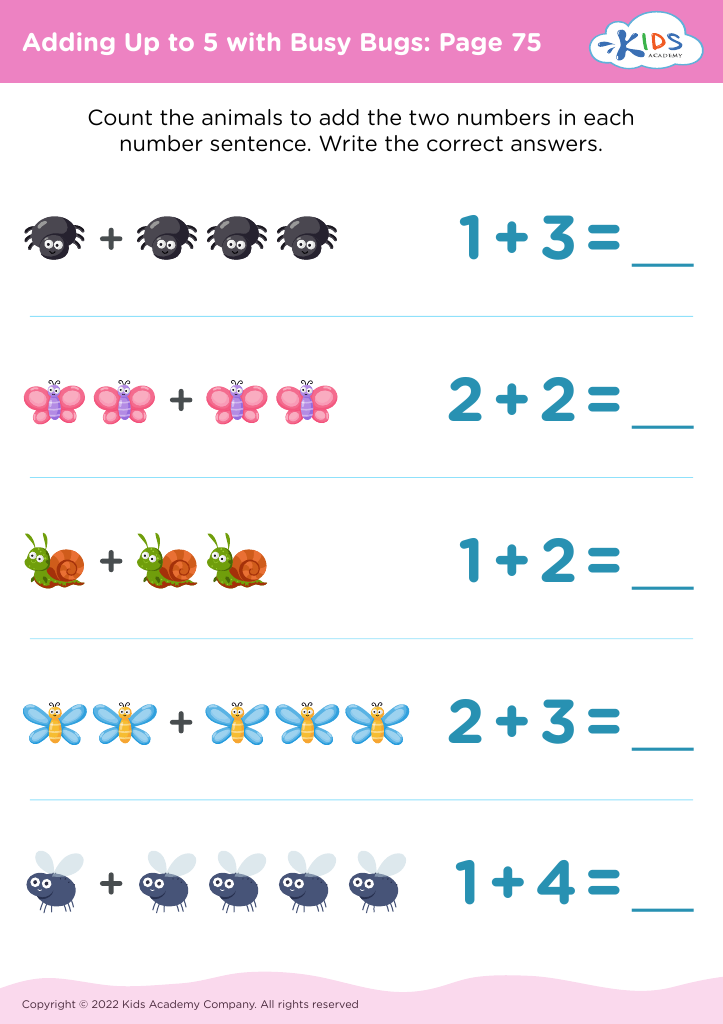
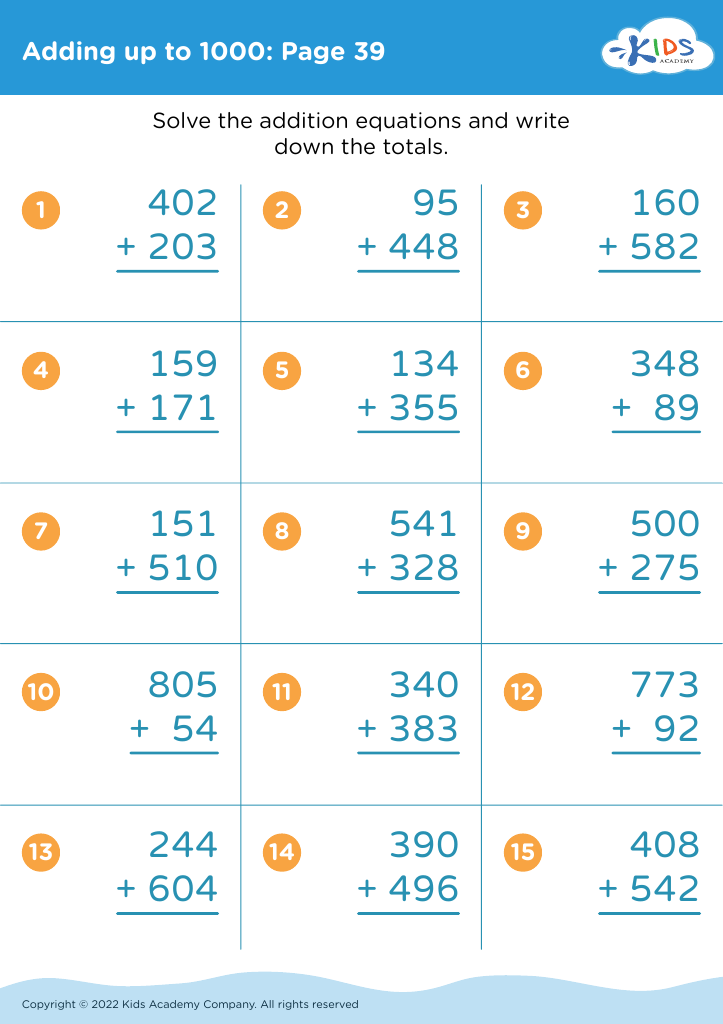
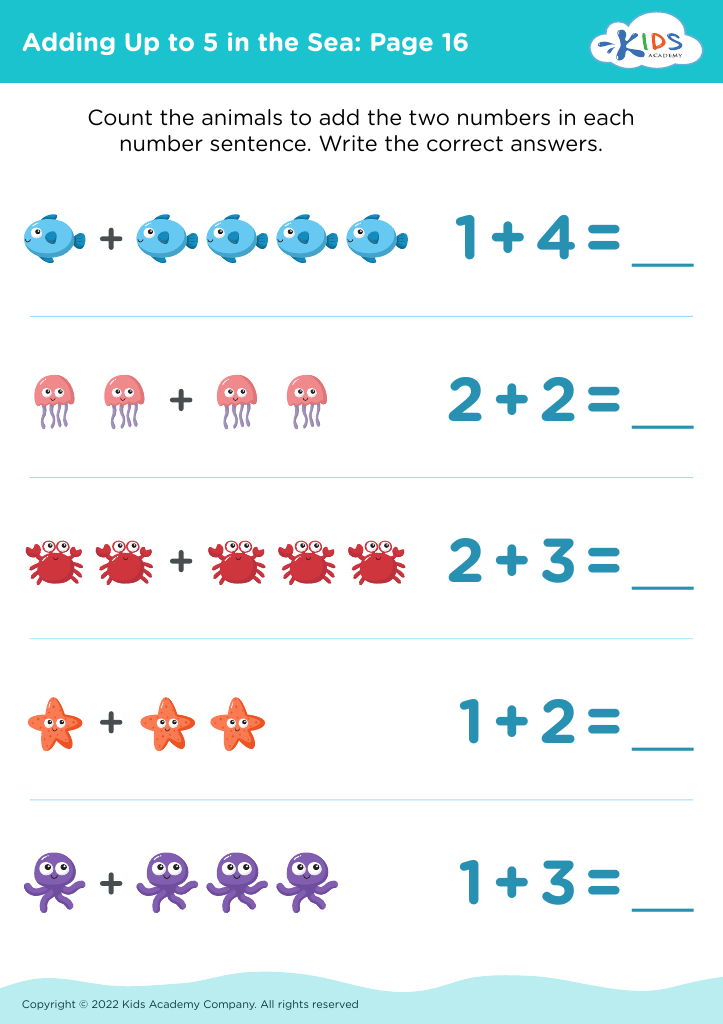
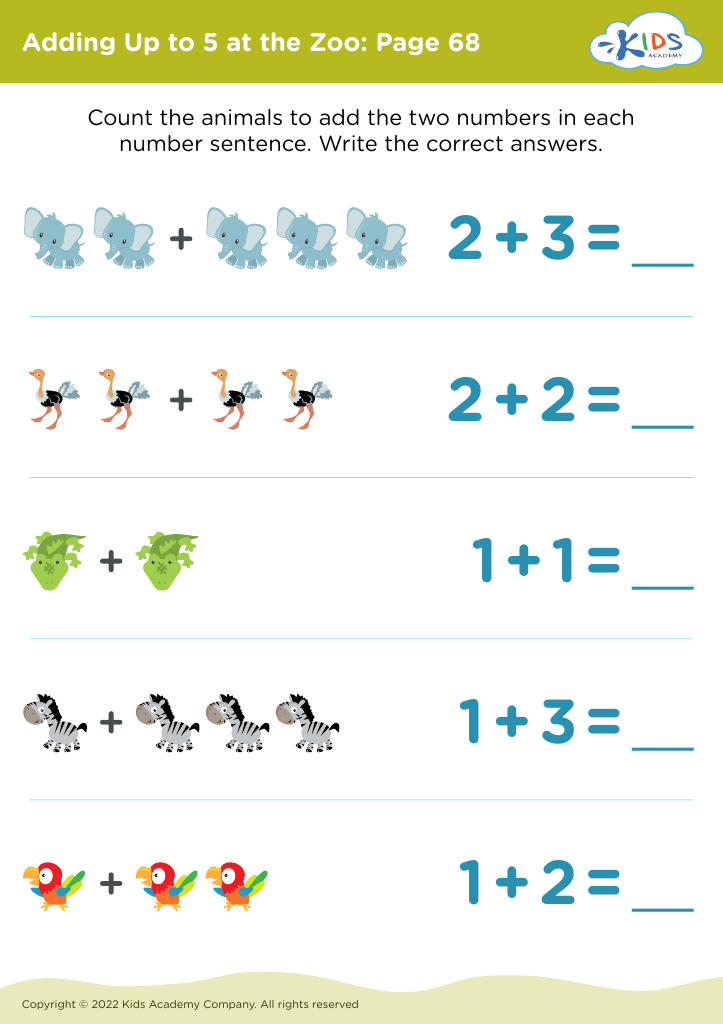
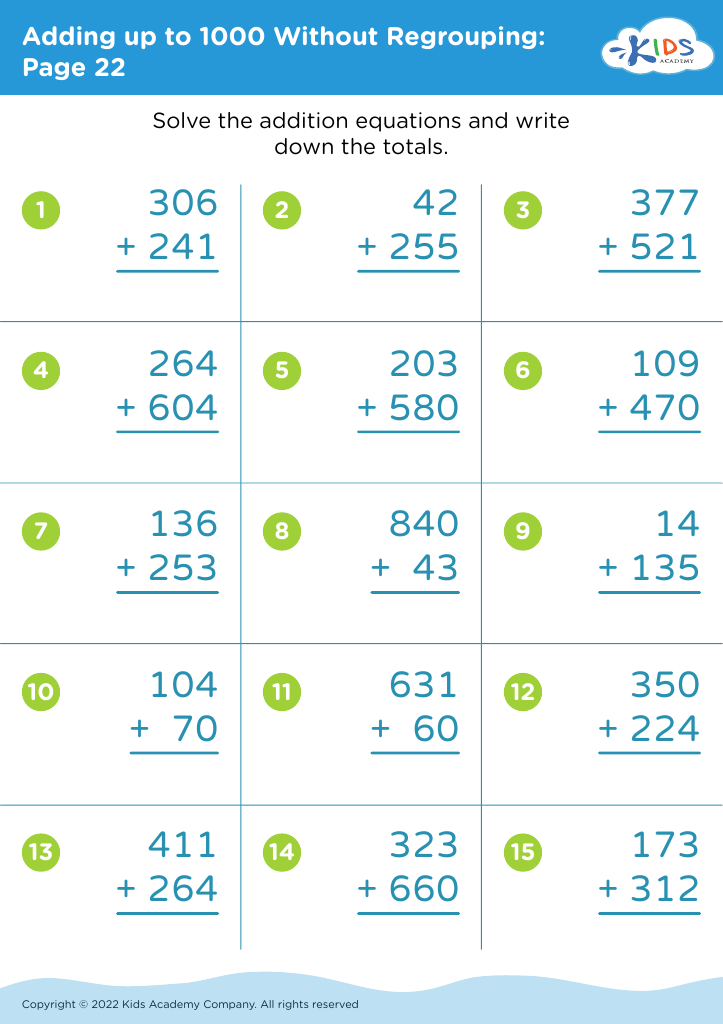
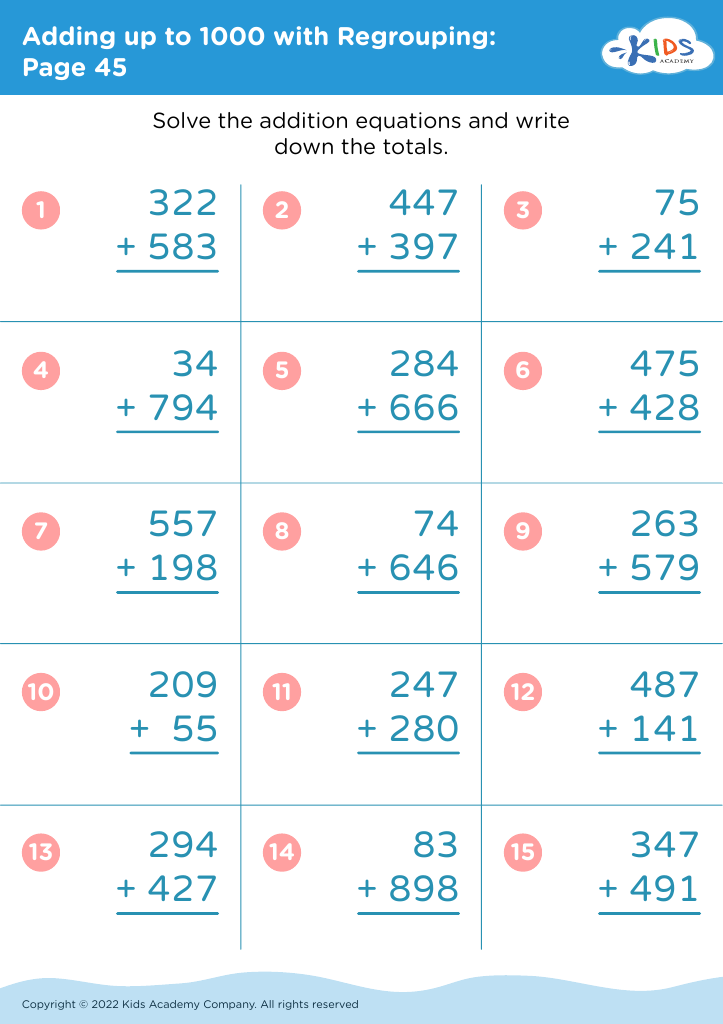
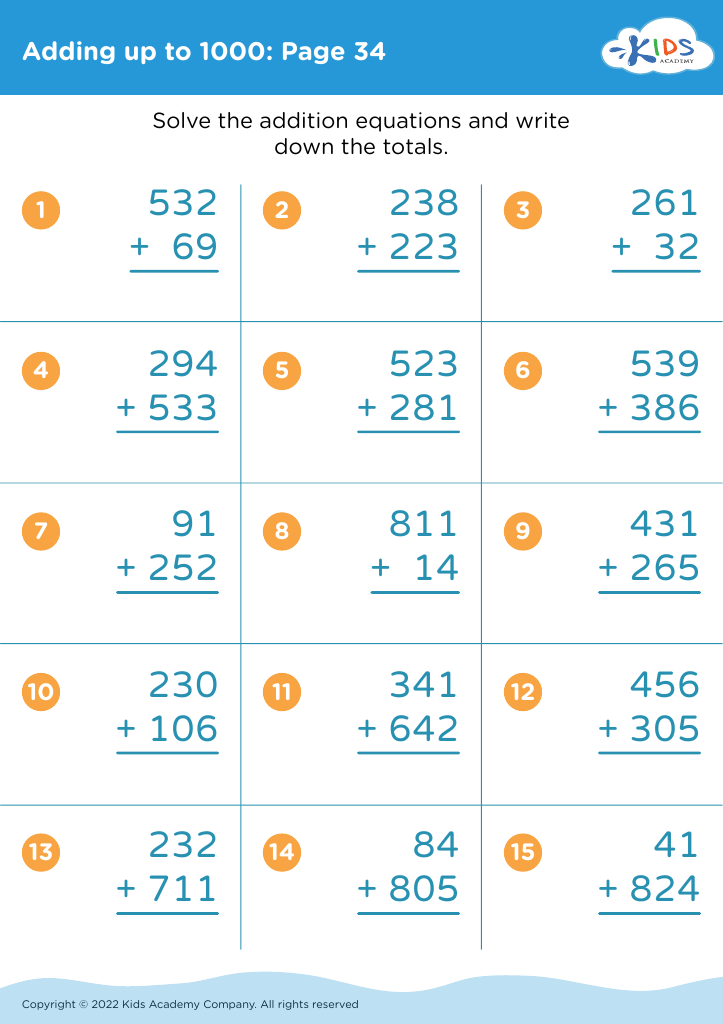
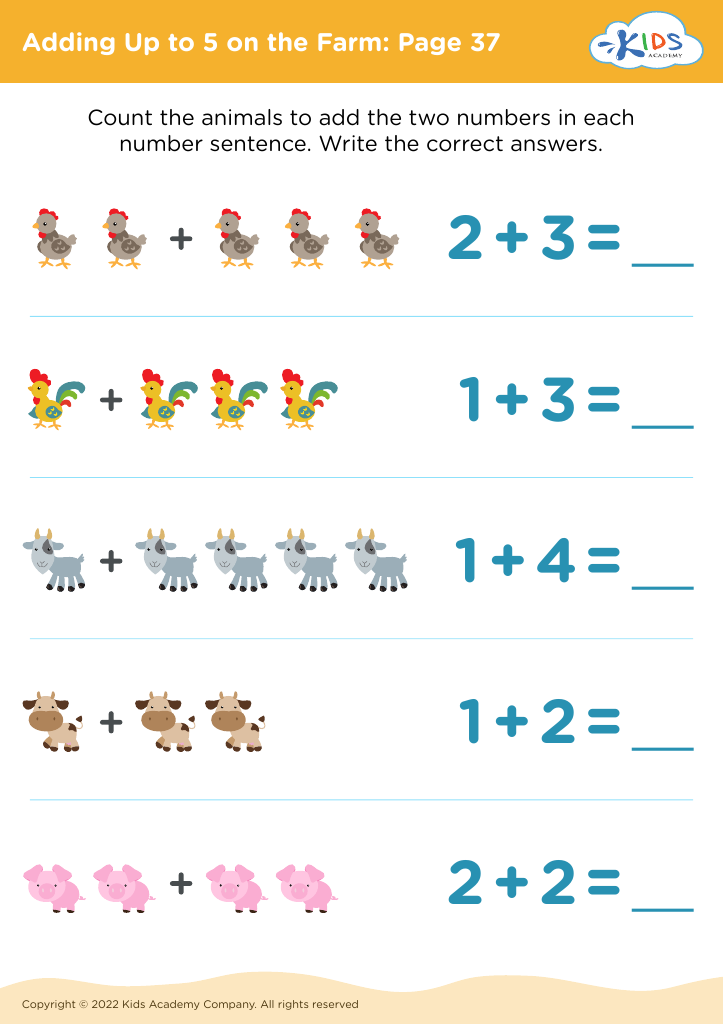
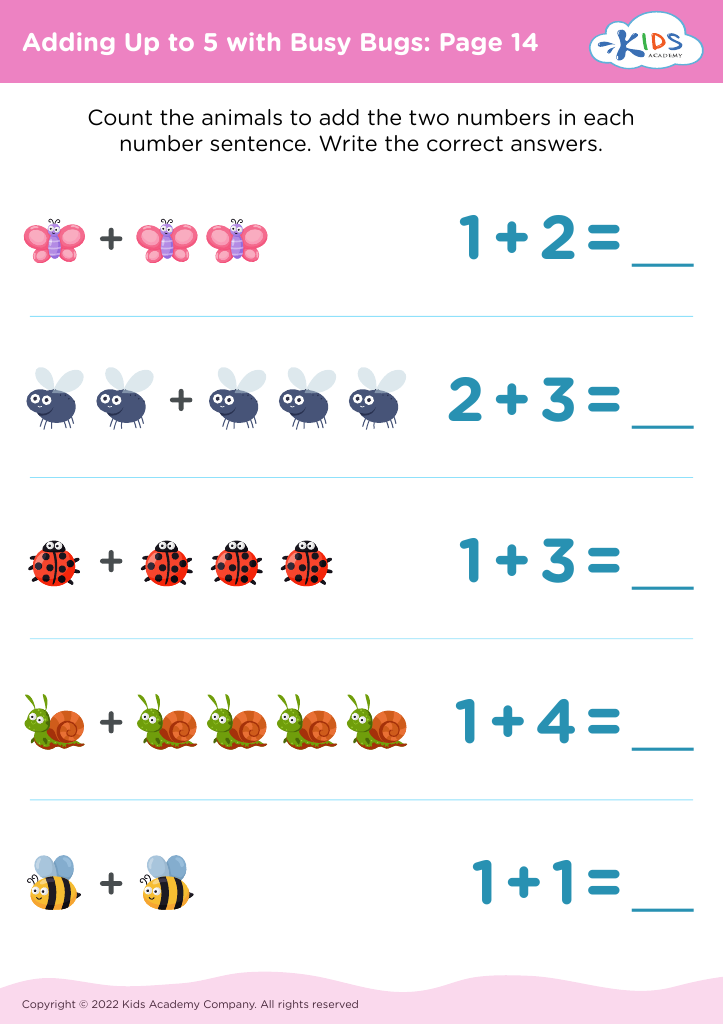
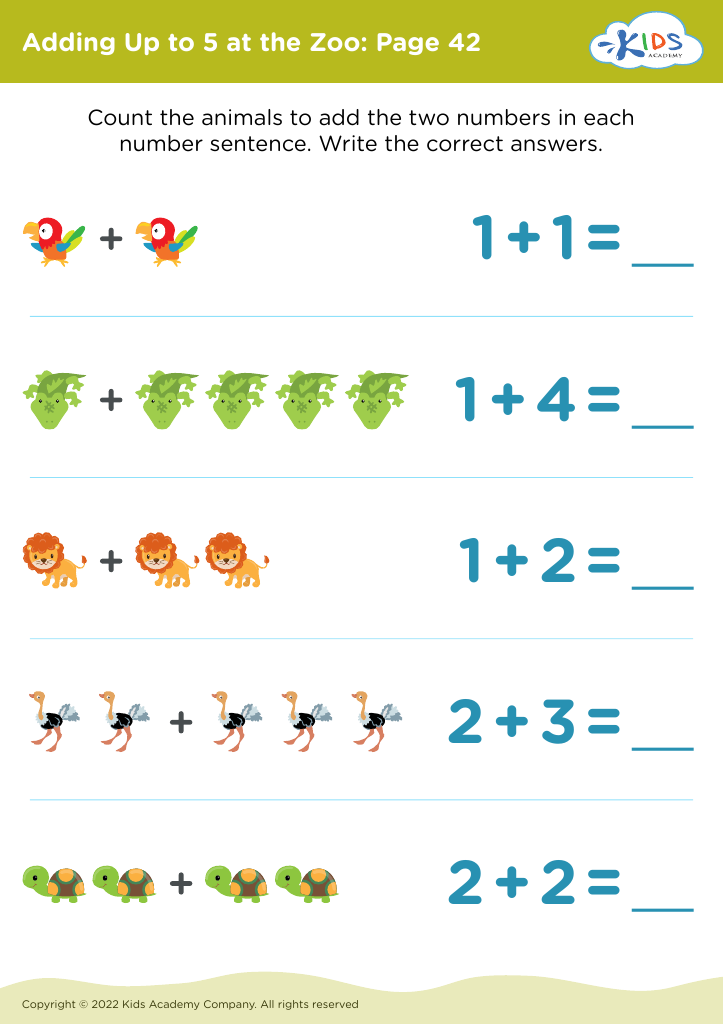
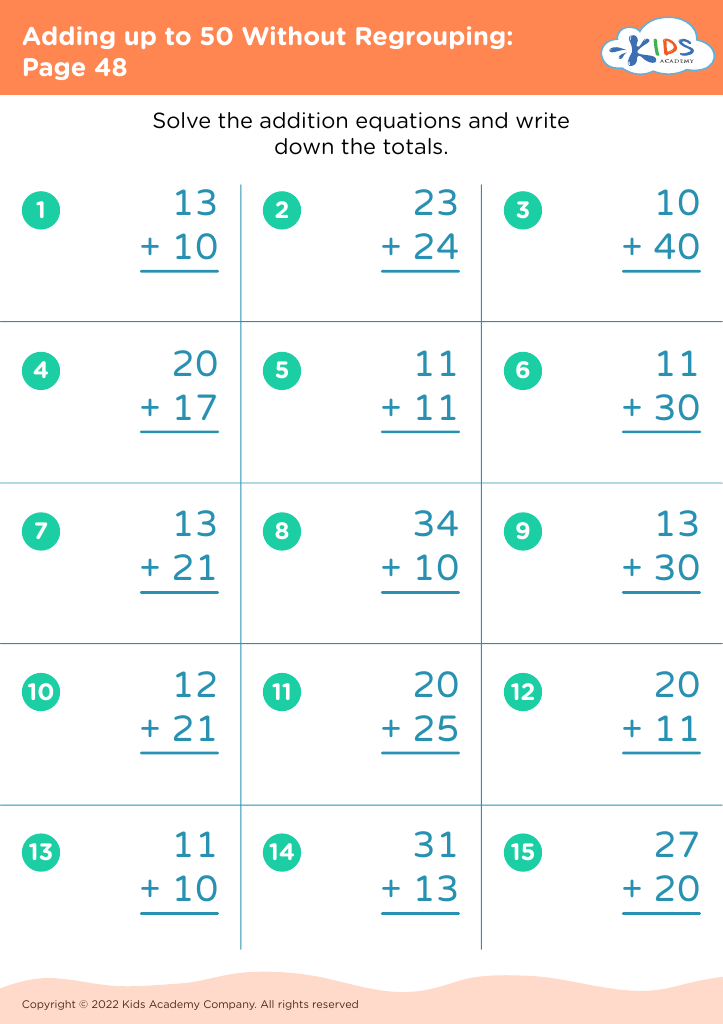
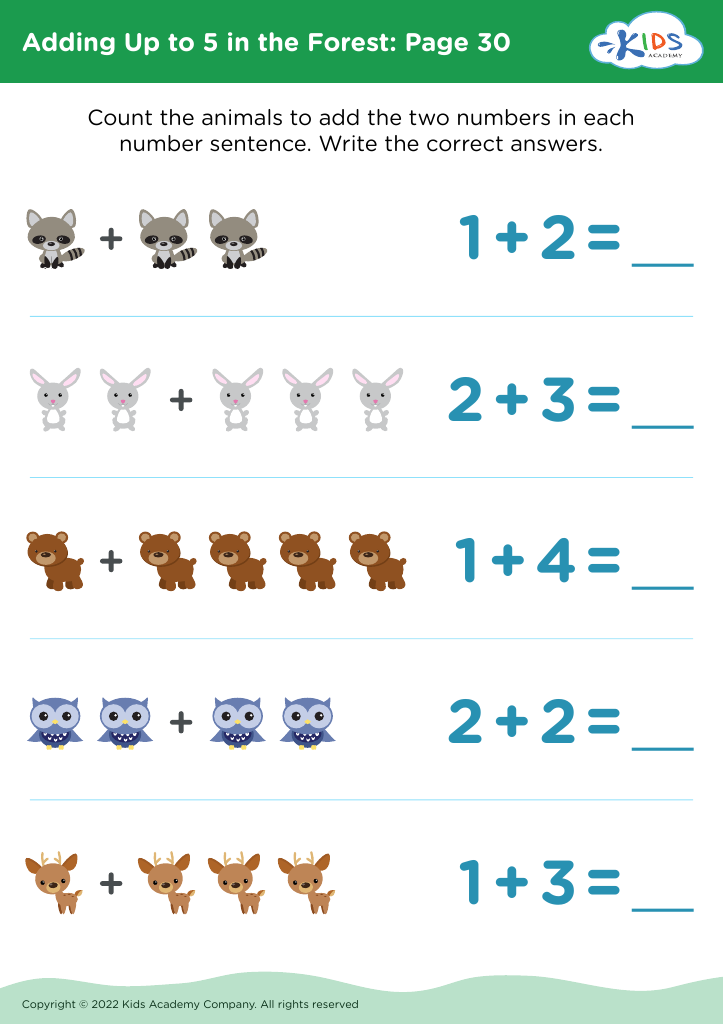
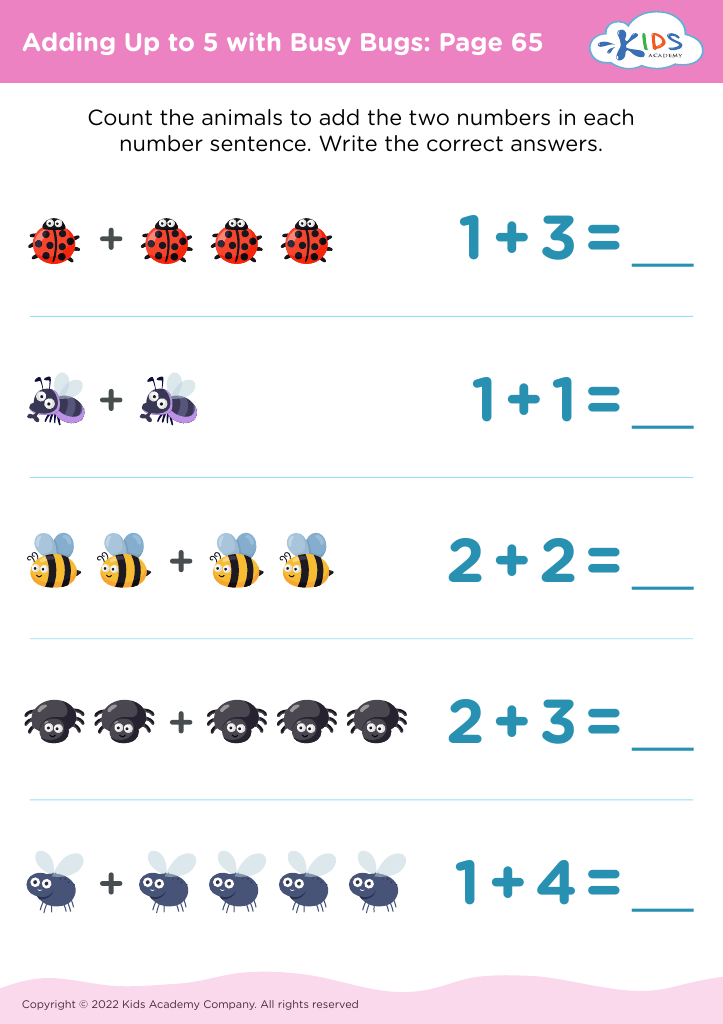








Fine motor skills are crucial for young children as they lay the foundation for essential tasks in both academic and everyday life. When it comes to writing, strong fine motor skills enable children to hold a pencil correctly, control their grip, and form letters neatly. This proficiency fosters confidence and encourages regular practice, ultimately enhancing their writing abilities.
Additionally, fine motor skills are essential for mastering fundamental mathematical operations like addition and subtraction. Manipulating objects, using counters, or even drawing equations on paper requires precise finger movements and hand-eye coordination. As students engage with hands-on activities that incorporate these skills, they develop a deeper understanding of mathematical concepts.
Furthermore, when parents and teachers prioritize fine motor skill development, they create a more engaging and supportive learning environment. By introducing activities such as arts and crafts, puzzles, or simple games that involve counting and writing, adults can facilitate the growth of these skills. Strong fine motor abilities leading to writing and mathematical readiness play a crucial role in ensuring children achieve academic success, lead fulfilling lives, and navigate everyday tasks with ease. Thus, watching for fine motor development should be a priority for everyone involved in a child's education.








