Reading analog clocks Addition & Subtraction Worksheets
4 filtered results
-
From - To
Enhance your child's math skills with our "Reading Analog Clocks Addition & Subtraction Worksheets" at Kids Academy. Perfect for early learners, these engaging worksheets combine essential time-telling practice with addition and subtraction exercises. With vibrant, age-appropriate designs, children will effortlessly learn to read analog clocks while solving arithmetic problems. These worksheets are expertly crafted to improve both math and time-telling abilities, promoting critical thinking and fostering a love for learning. Ideal for classroom or home use, give your child the tools they need to succeed in a fun and educational way! Explore our collection today to start the learning journey.
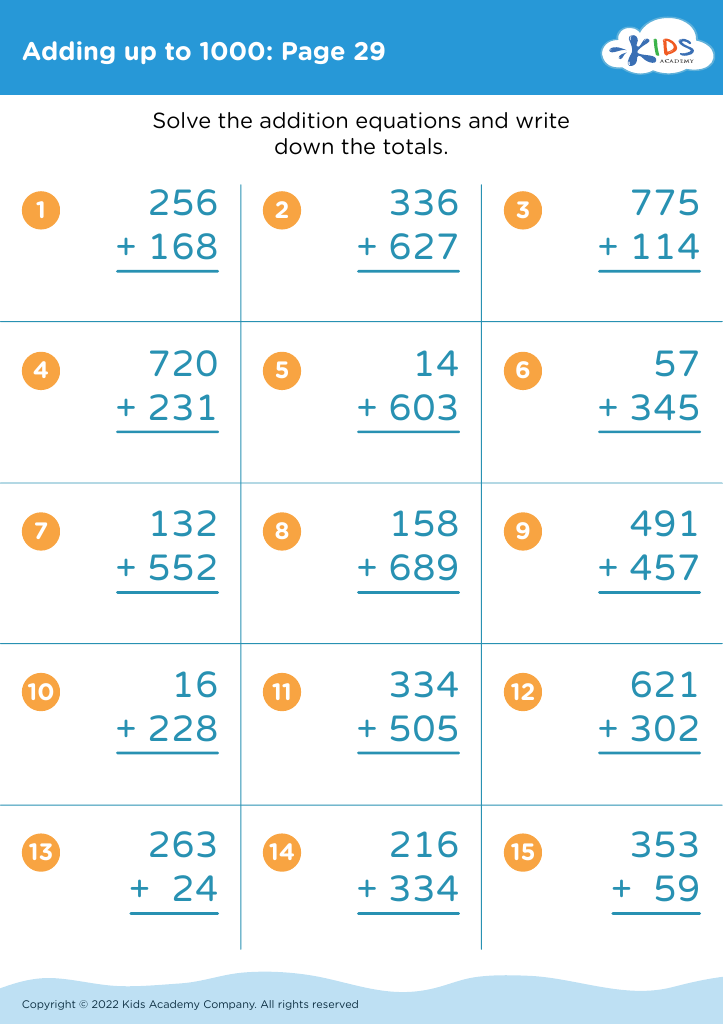
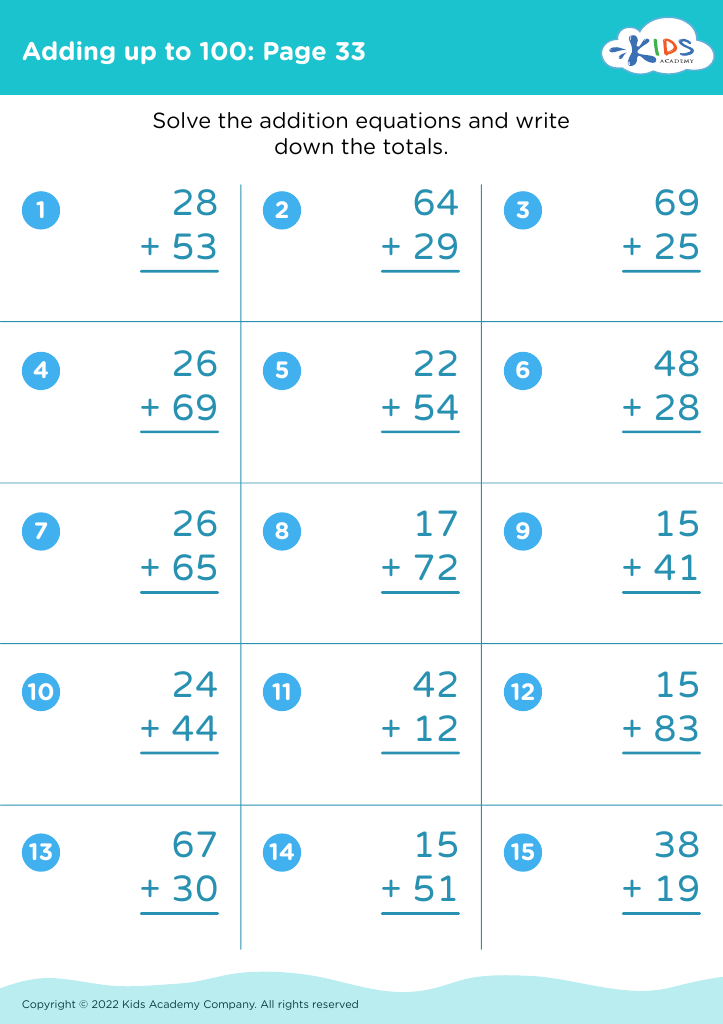
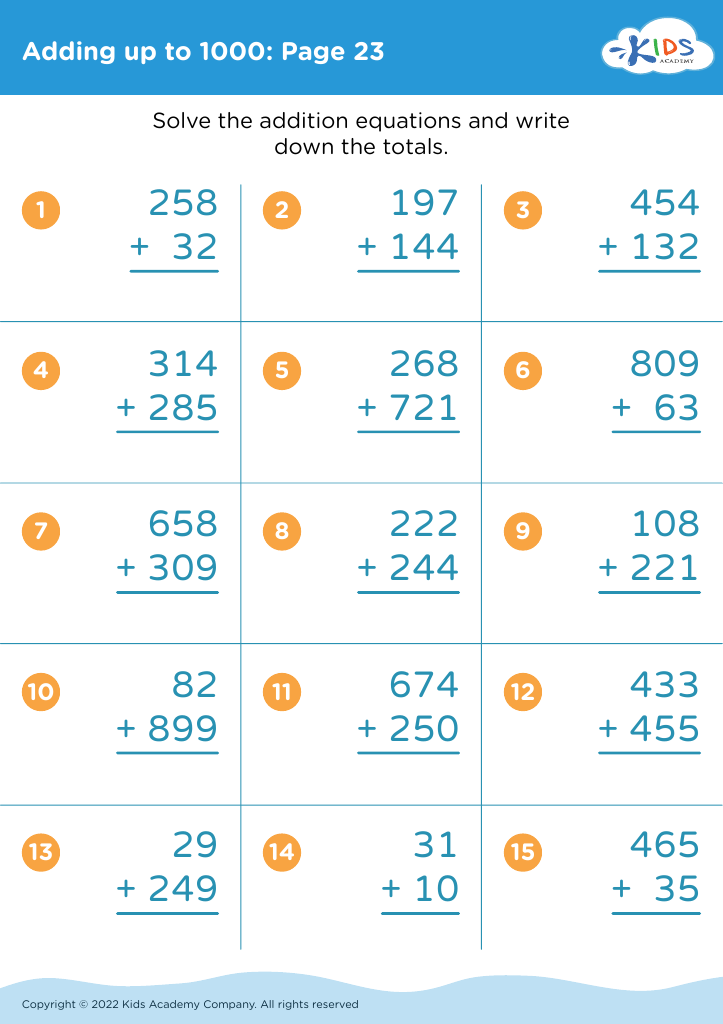
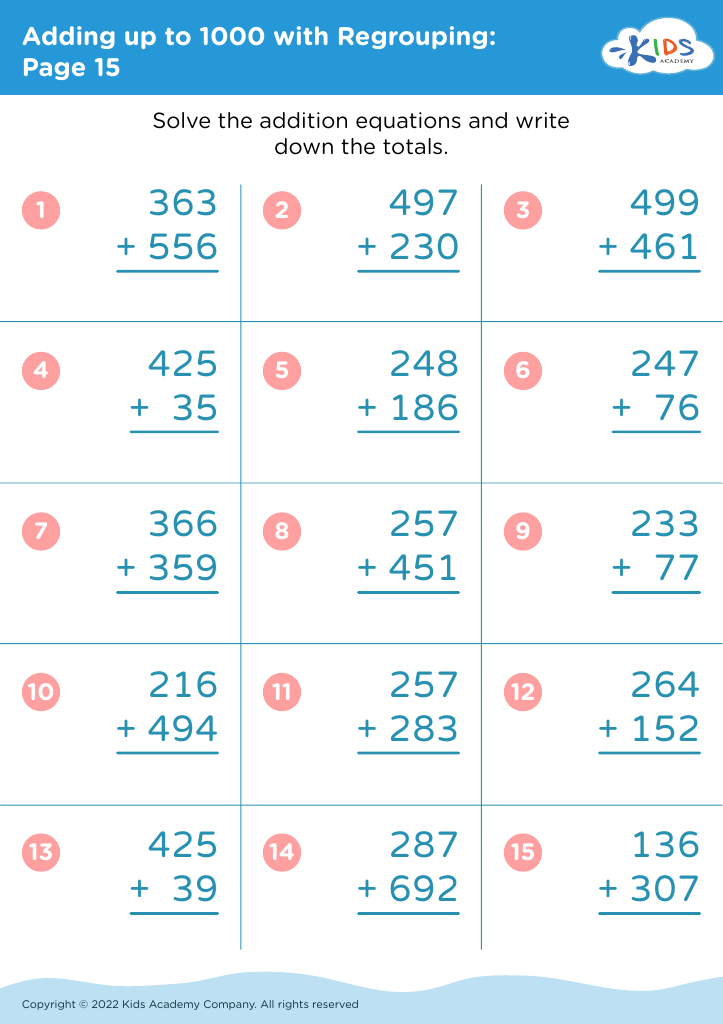








Understanding how to read analog clocks and perform basic arithmetic such as addition and subtraction are essential skills that significantly contribute to a child’s overall cognitive development and daily functioning.
Parents and teachers should prioritize teaching children how to read analog clocks because it helps them grasp the concept of time management. Knowing how to tell time empowers children to follow routines, gauge duration, and develop punctuality—skills useful throughout life. Scrutiny between the hour and minute hands fosters fine motor skills and spatial intelligence, vital for many academic areas, including geometry and physical sciences.
Addition and subtraction, the bedrock of mathematics, are critical for a child's numeracy competence. Mastery of these operations enhances problem-solving skills, logical thinking, and the ability to tackle more complex mathematical concepts in future learning. It also aids in practical daily tasks like handling money, measuring ingredients in recipes, or calculating the time required to perform certain activities.
In conclusion, these foundational skills play a vital role in shaping a well-rounded, capable individual. By reinforcing the importance of reading analog clocks and performing basic arithmetic, parents and teachers directly contribute to a child's academic success and ability to navigate the world efficiently.








