Shape identification Addition & Subtraction Worksheets
14 filtered results
-
From - To
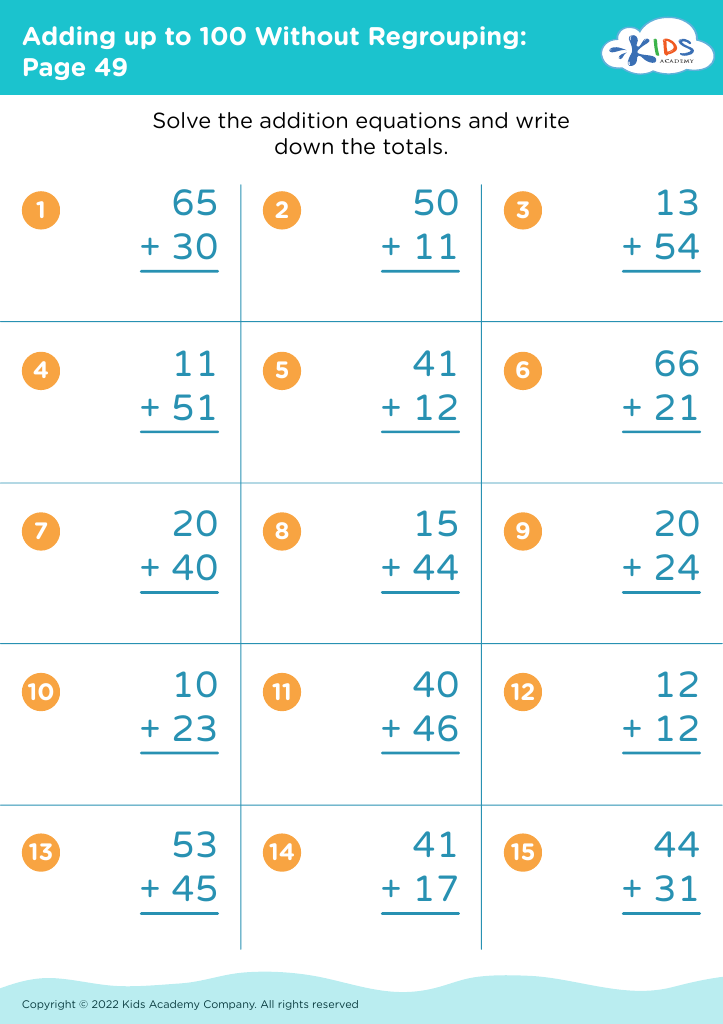
Explore our engaging "Shape Identification Addition & Subtraction Worksheets" designed to enhance young learners' math skills while improving their understanding of shapes. These printable worksheets provide an interactive way for children to practice addition and subtraction through the identification of various geometric shapes. Each worksheet combines essential math concepts with fun illustrations, promoting both cognitive development and visual recognition. Ideal for early grade teachers and parents, these activities are perfect for reinforcing foundational skills in a playful manner. Help your students build confidence in math as they learn to recognize and apply shapes in addition and subtraction problems!
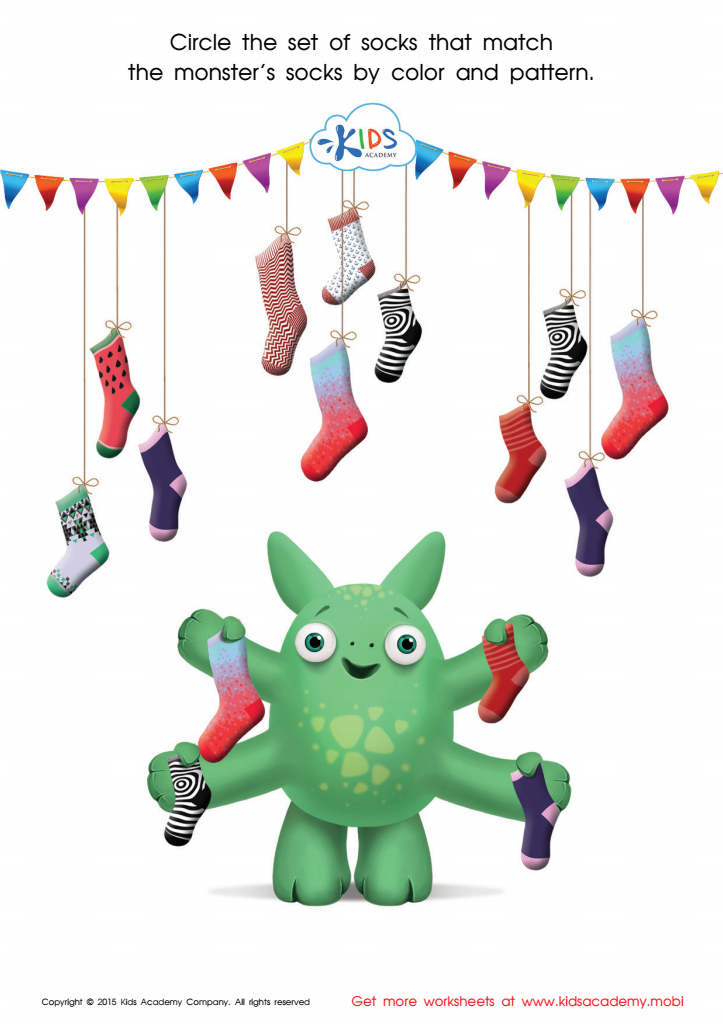
Sort the Monster's Socks Worksheet
 Assign to My Students
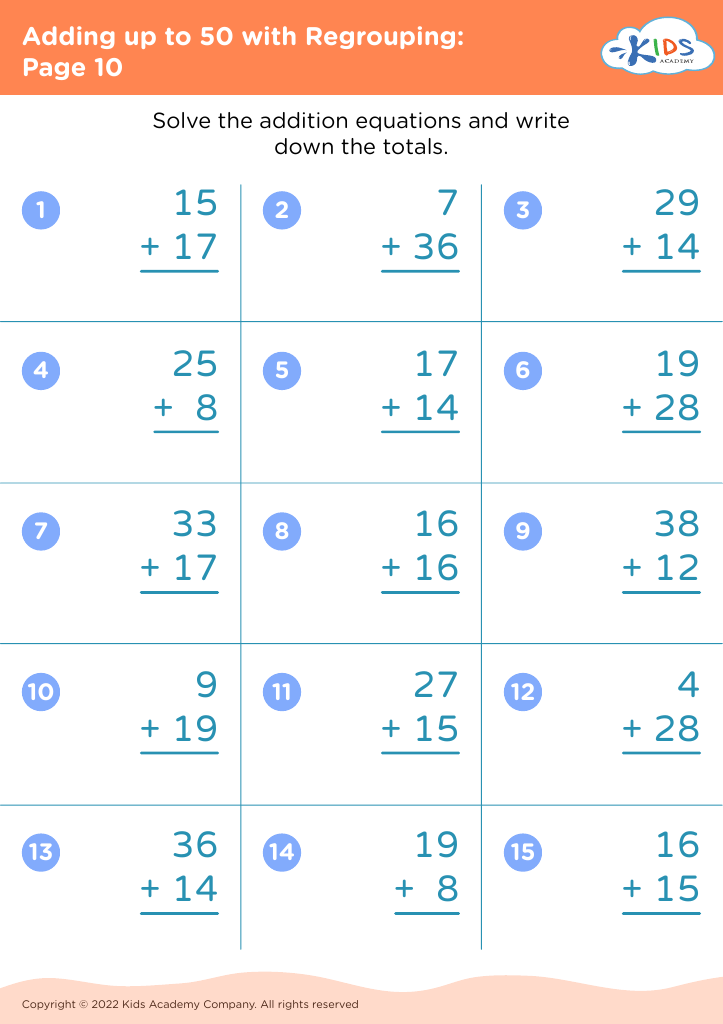
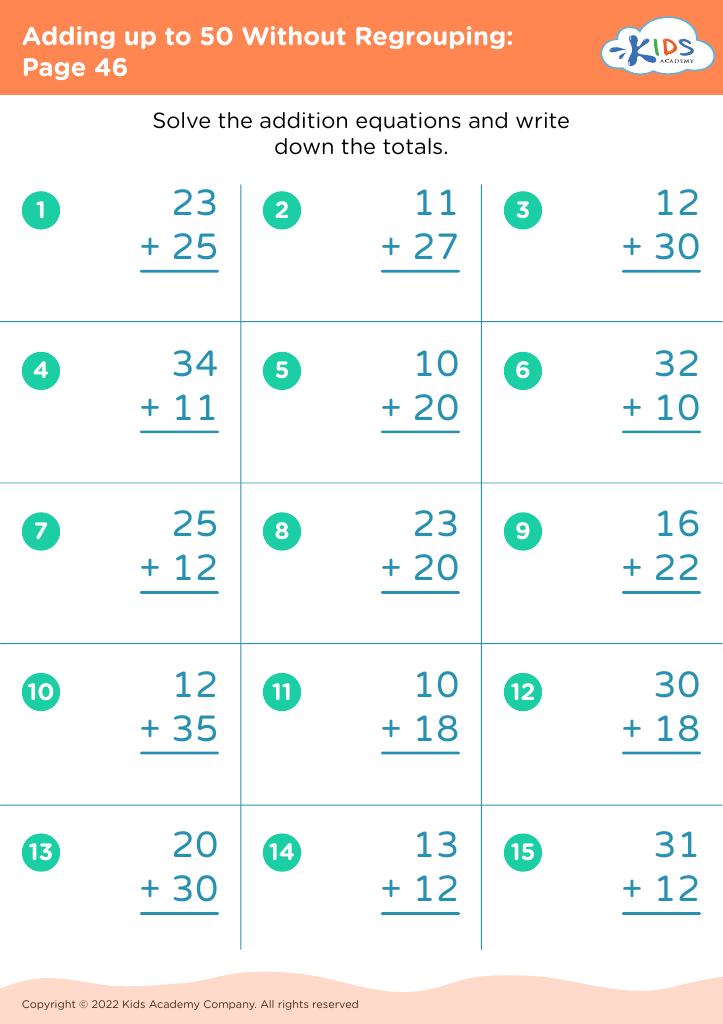
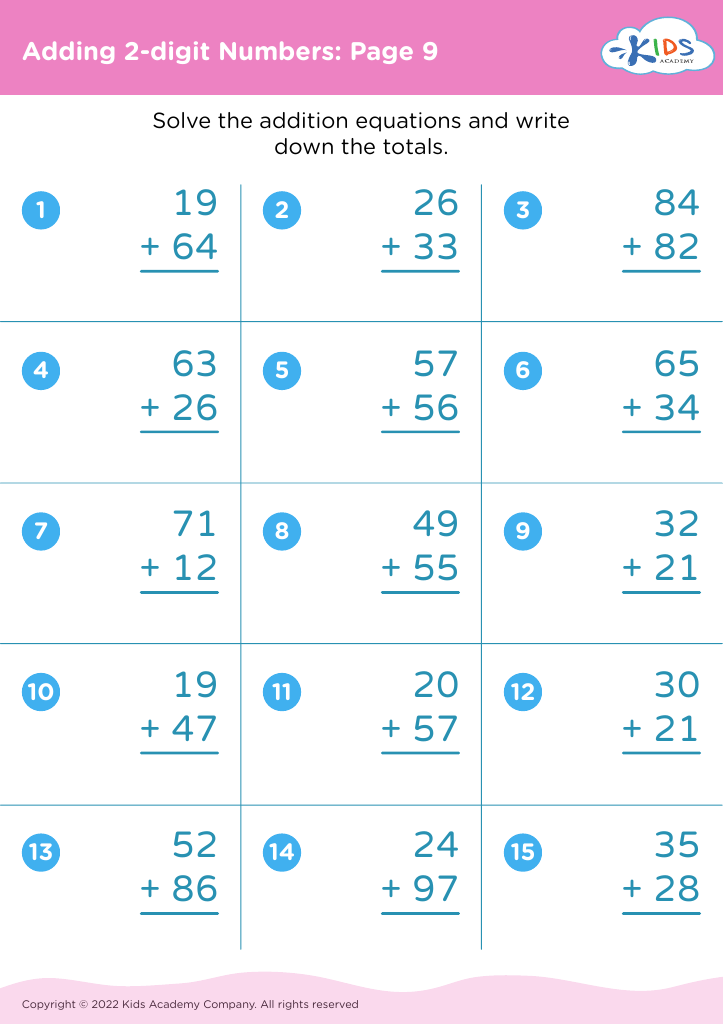
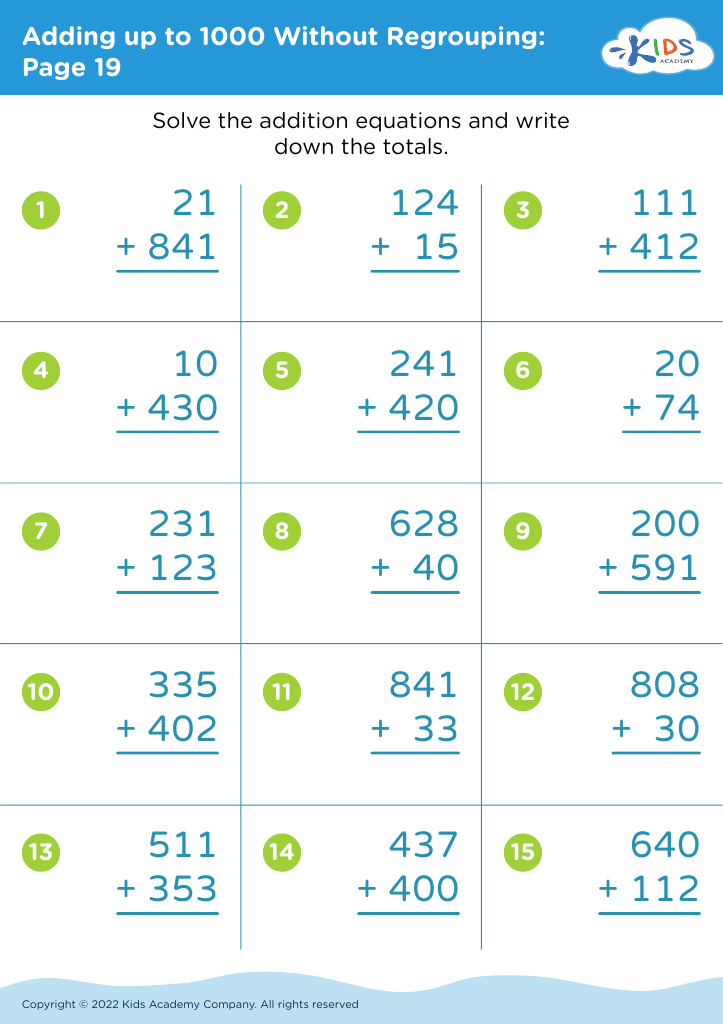








Shape identification, along with addition and subtraction, is fundamental in early childhood education and holds significant importance for both parents and teachers.
Firstly, shape identification helps children develop spatial awareness and observational skills. Recognizing different shapes forms the foundation for understanding geometry, which is vital for later mathematical concepts. Engaging with shapes also fosters creativity and problem-solving skills as children learn to categorize and compare.
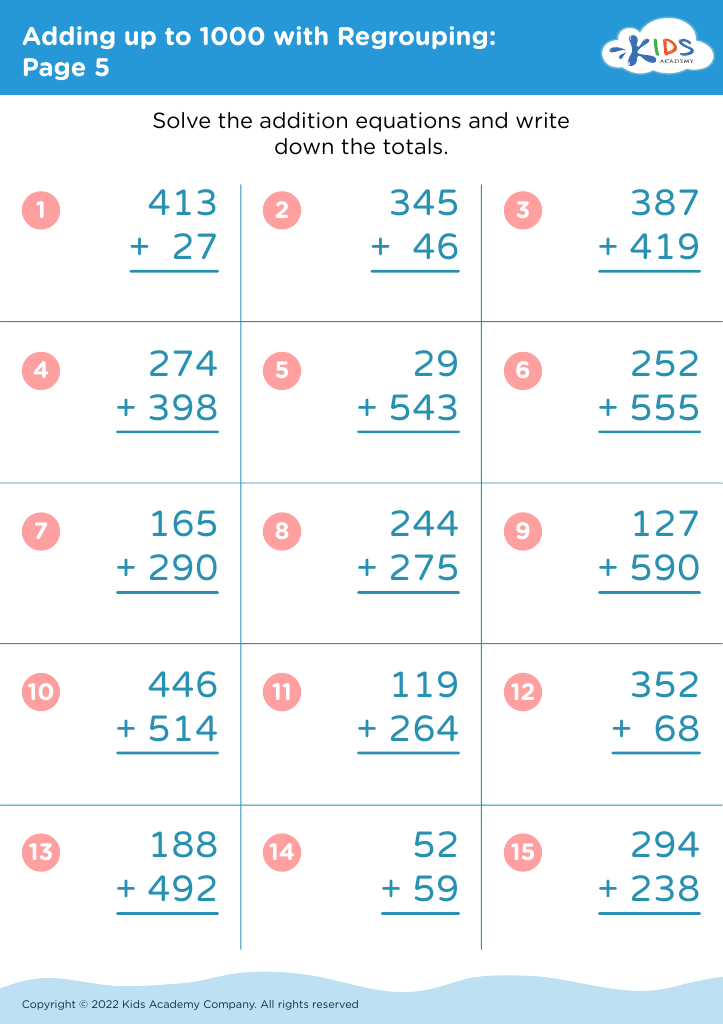
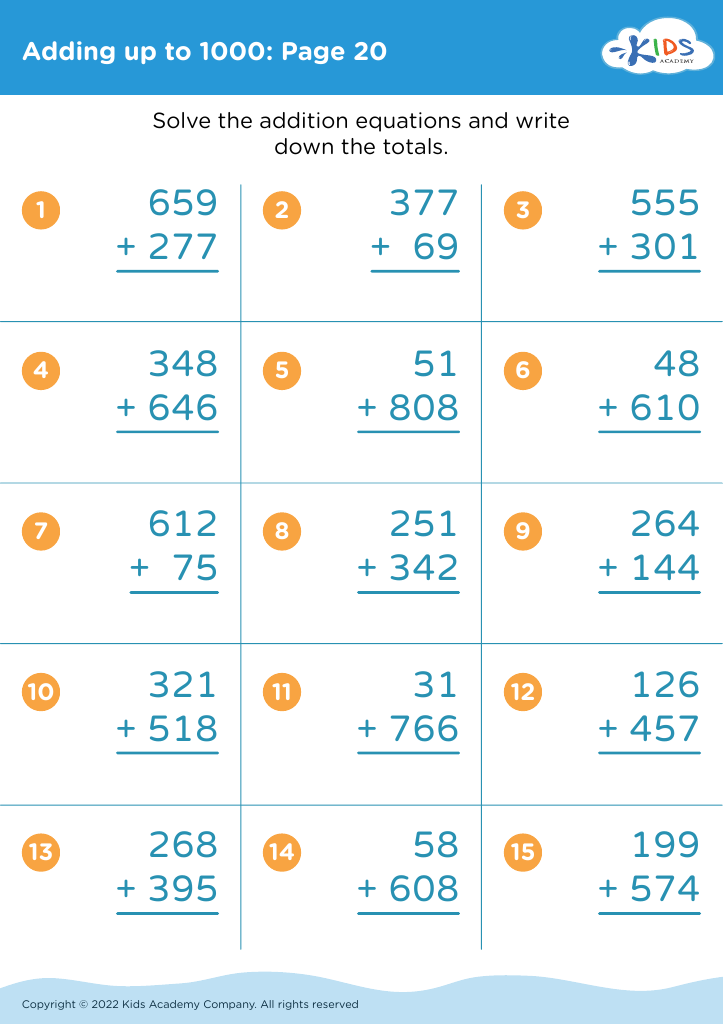
On the other hand, addition and subtraction are core mathematical operations that children will use throughout their lives. Early mastery of these concepts promotes number sense, which is crucial for future arithmetic challenges. By reinforcing addition and subtraction through engaging activities, children can build a solid mathematical foundation and develop critical thinking skills.
Parents and teachers should care about these areas because they impact children’s confidence and academic success. Mastering basic concepts early on encourages a positive attitude toward learning, and helps prevent struggles with more complex concepts later. Additionally, involving parents in the learning process can create a supportive home environment, promoting practice and reinforcement of these skills in everyday contexts.
In conclusion, shape identification, addition, and subtraction are intertwined building blocks that foster essential cognitive and academic development in young learners.








