Understanding money Addition & Subtraction Worksheets
4 filtered results
-
From - To
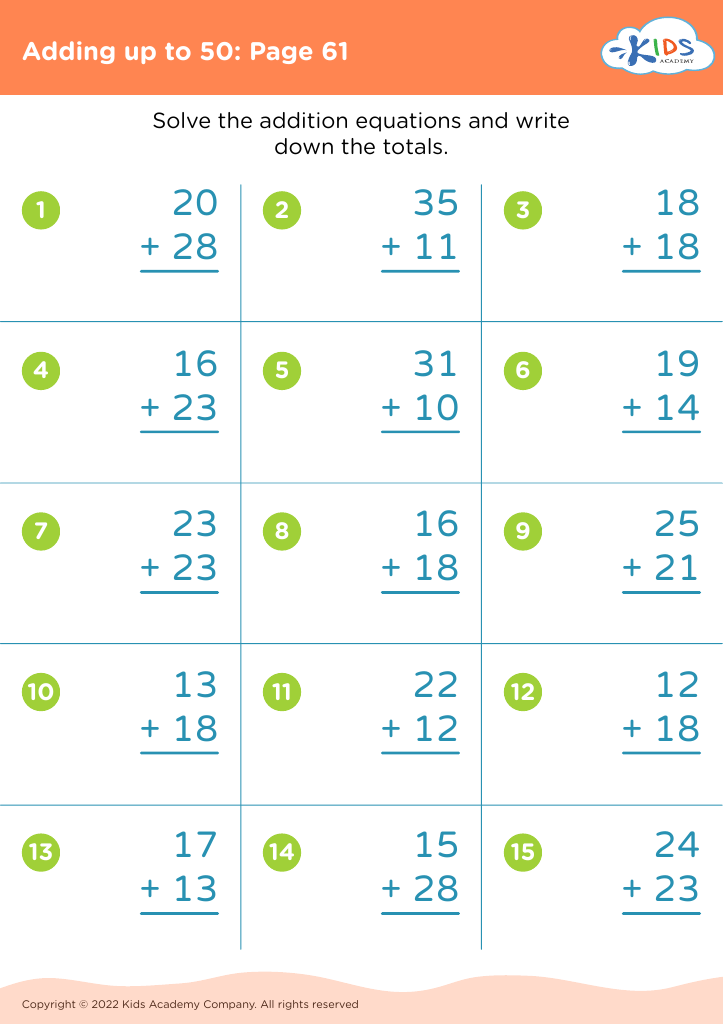
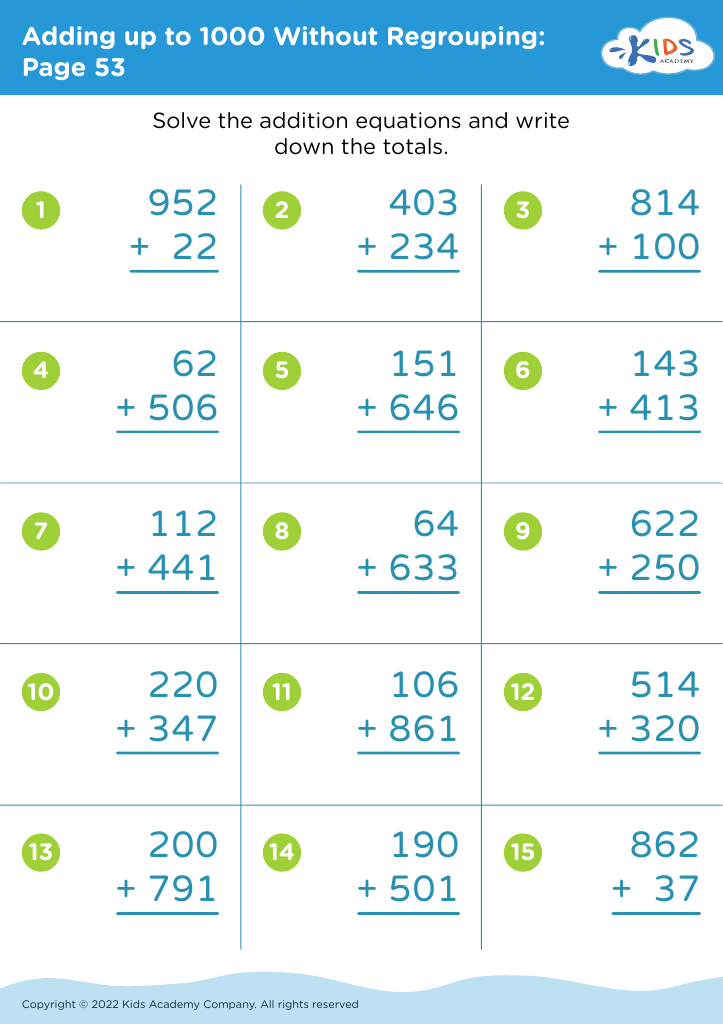
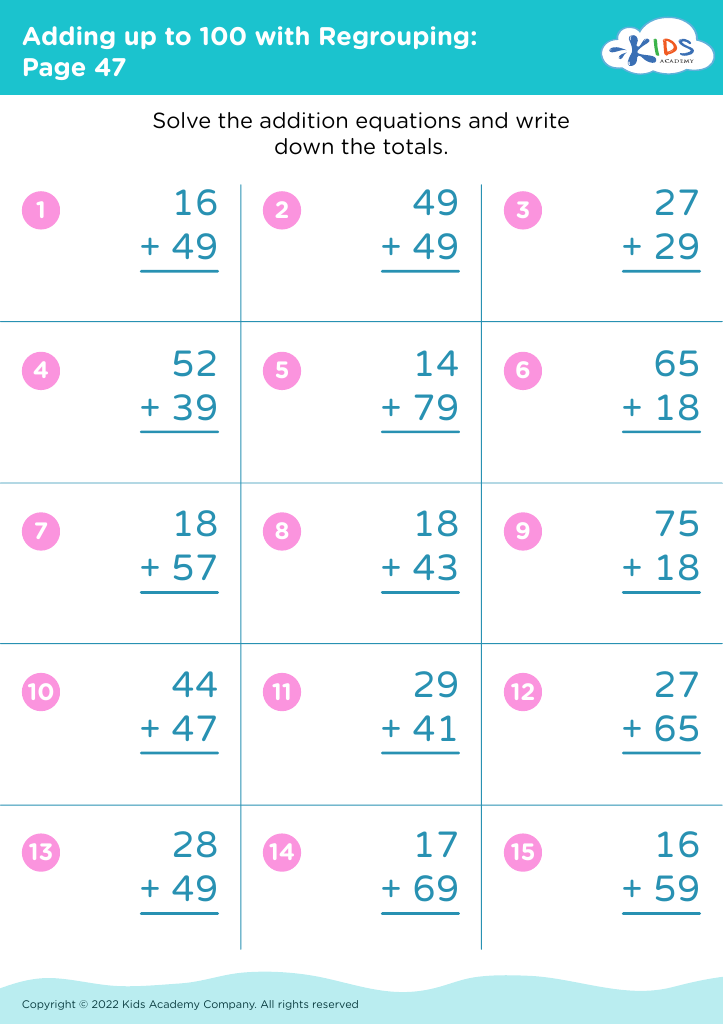
Our "Understanding Money Addition & Subtraction Worksheets" offer a fun and engaging way for kids to master essential math skills. Designed for children, these worksheets combine learning math basics with practical money use. They include problems involving adding and subtracting different denominations, helping children improve their computational skills and financial literacy simultaneously. Each worksheet features colorful imagery and exercises that make learning interactive and enjoyable. Perfect for classrooms and homeschooling alike, these worksheets assist kids in building a solid foundation for future math success while better understanding the value and management of money in real life.
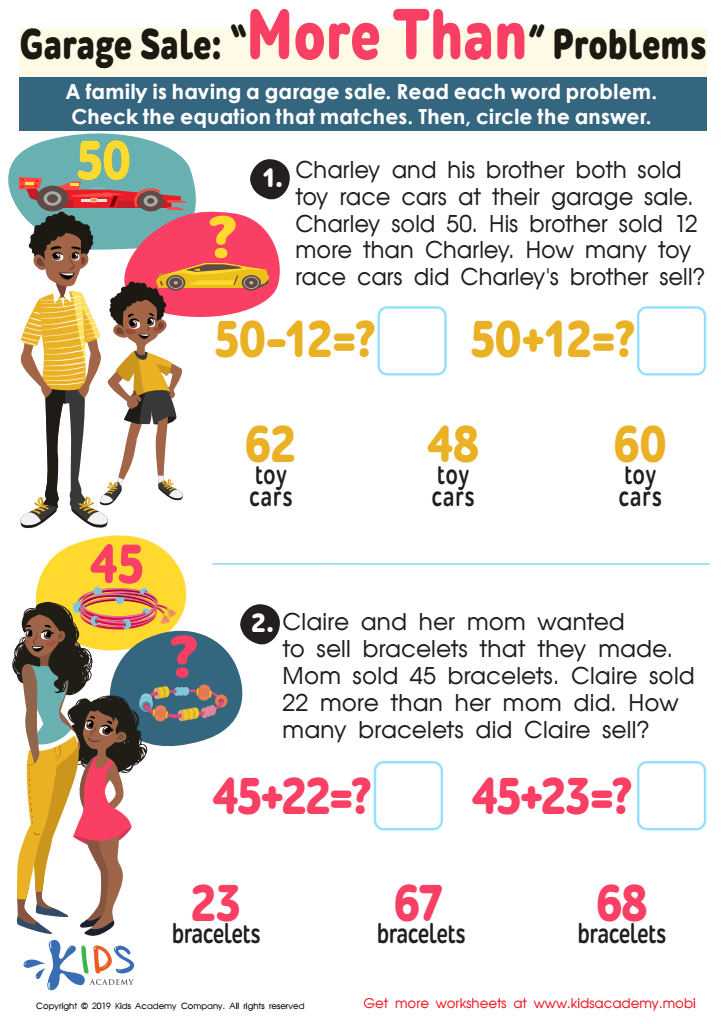
Garage Sale - More yhan Worksheet
 Assign to My Students








Understanding money, and the ability to perform addition and subtraction with it, is a vital life skill that goes beyond just being able to buy things. For parents and teachers, fostering this understanding in children sets the foundation for future financial literacy and responsible money management. When children learn how to handle money, they also develop skills in planning, budgeting, and prioritizing expenses. These skills are essential not just in personal finance but in numerous everyday situations.
From an educational perspective, working with money introduces practical applications of math concepts. It moves beyond abstract numbers, giving children tangible, real-world problems to solve that enhance their engagement and comprehension. Counting coins and bills, making change, and comparing prices help to solidify concepts of addition and subtraction in a meaningful context.
Parents and teachers should care about this because these skills impact a child's independence and confidence. Better financial habits formed early on can lead to smarter financial decisions in adulthood, reducing the risk of debt and increasing the potential for savings and investments. In short, teaching money management through addition and subtraction equips children with essential tools to navigate life more effectively and responsibly.








