Comparing Fractions Addition Worksheets
83 filtered results
-
From - To
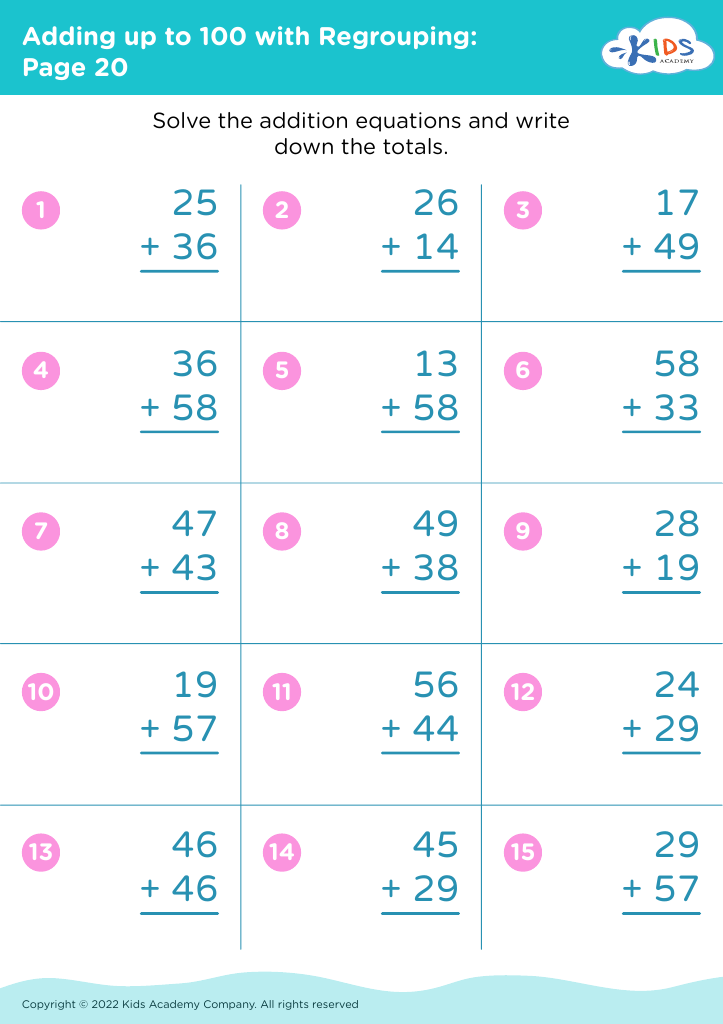
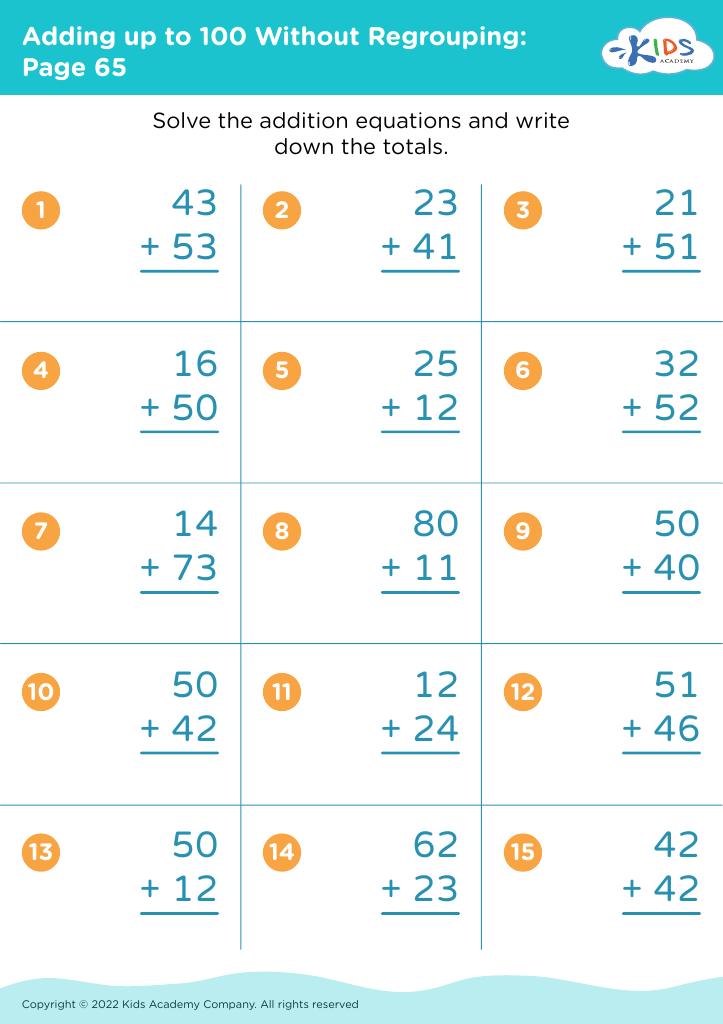
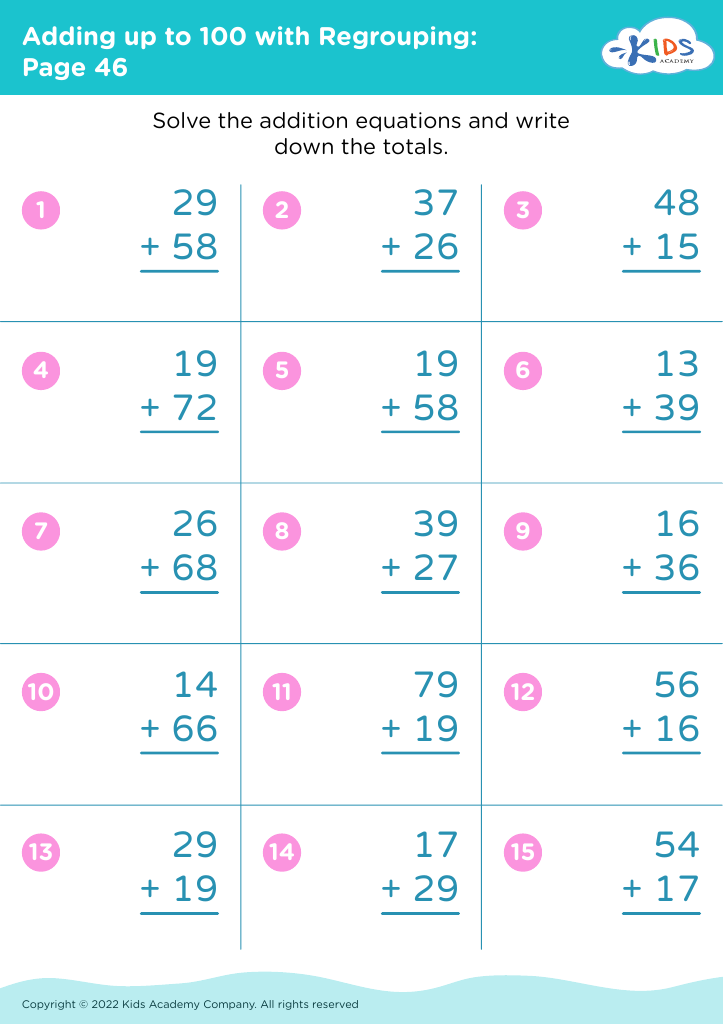
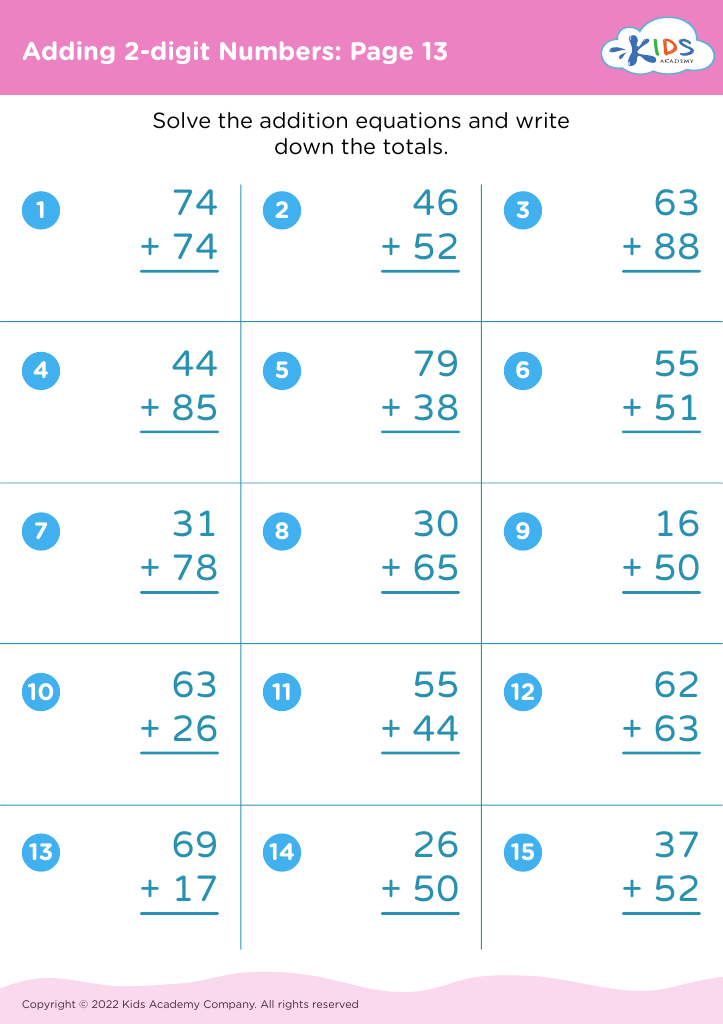
Discover our engaging Comparing Fractions Addition Worksheets, designed to help young learners master the essentials of fraction comparison and addition. Each worksheet offers a variety of exercises that encourage students to analyze and compare different fractions, enhancing their understanding of relative sizes and enabling them to perform addition with ease. With colorful visuals and age-appropriate challenges, these worksheets are perfect for reinforcing classroom learning or serving as fun at-home practice. Make learning about fractions exciting and interactive while building foundational math skills. Perfect for first through third graders, our resources support both educators and parents in fostering mathematical confidence.
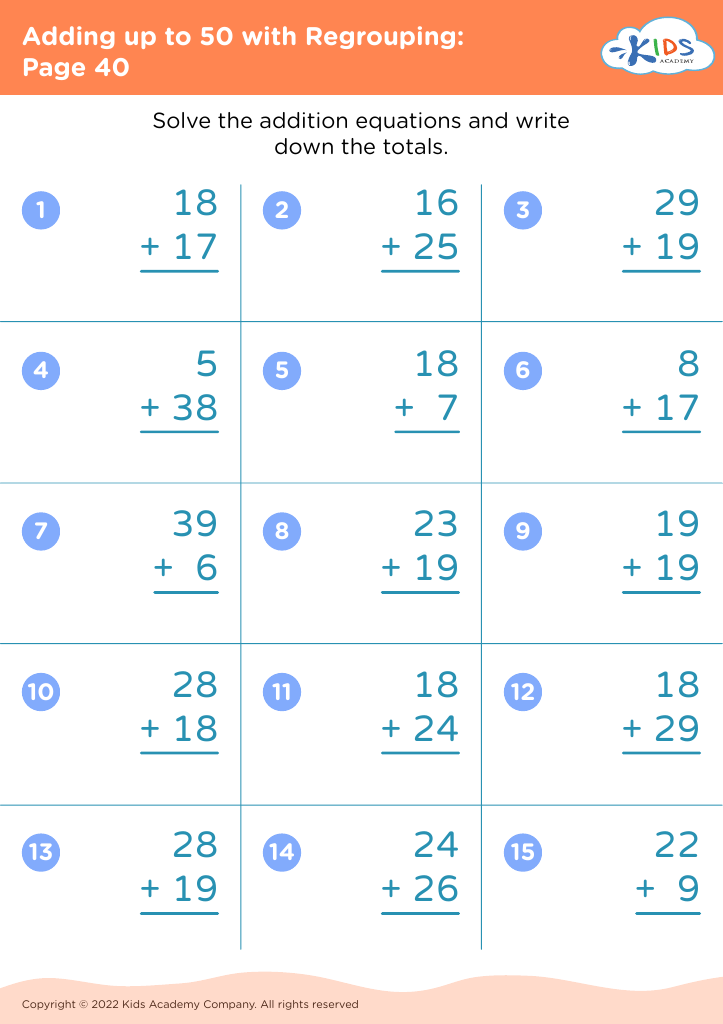
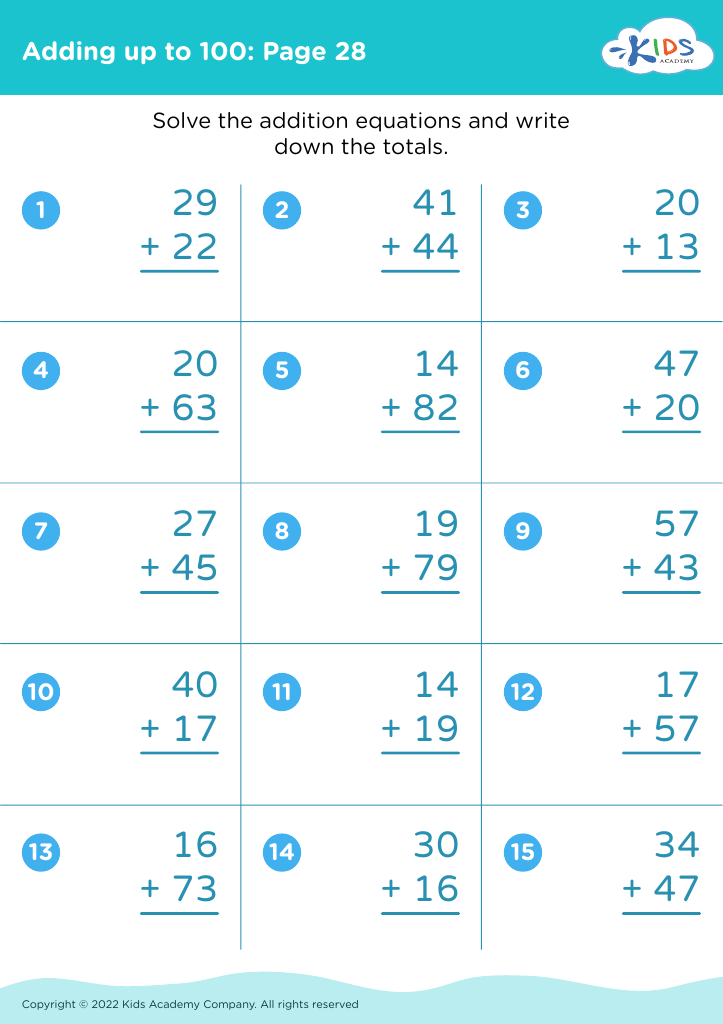
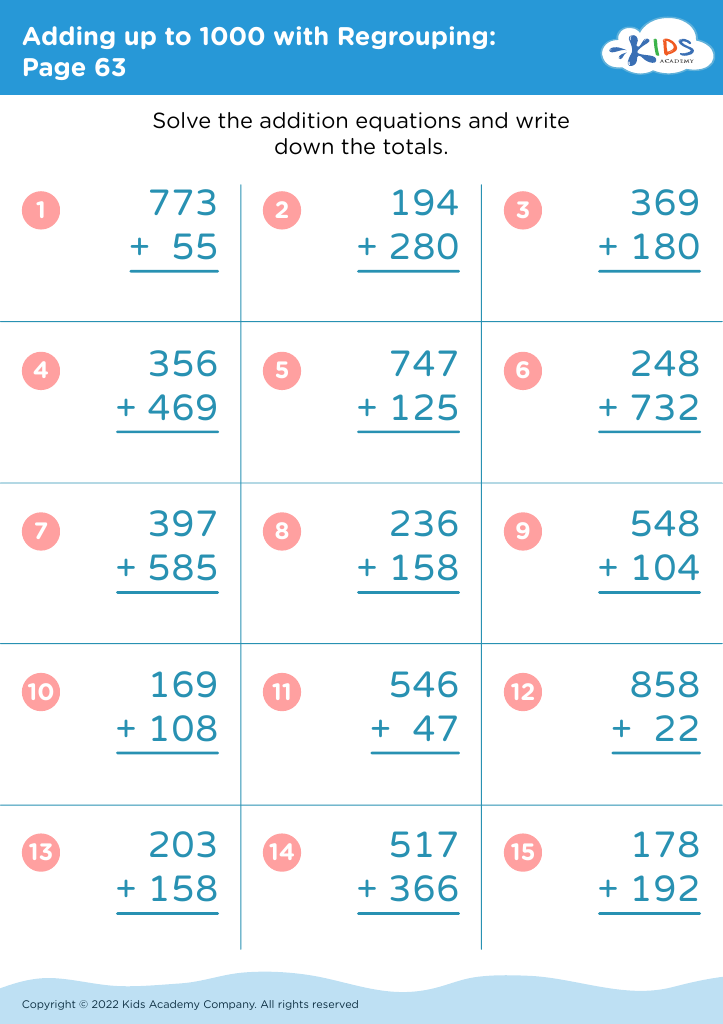
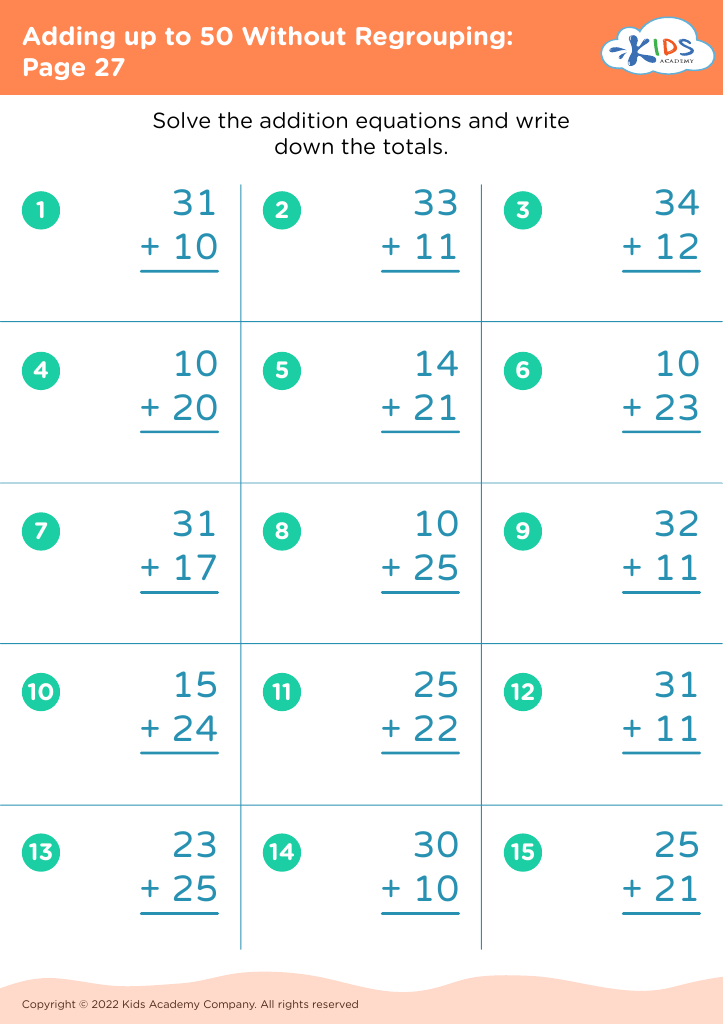
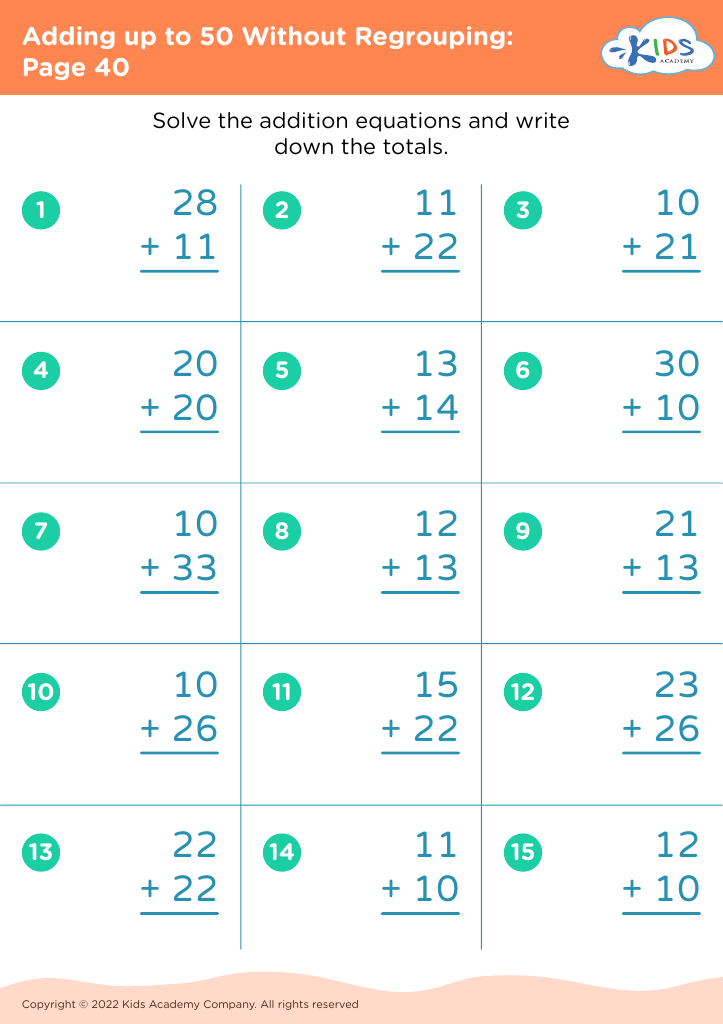
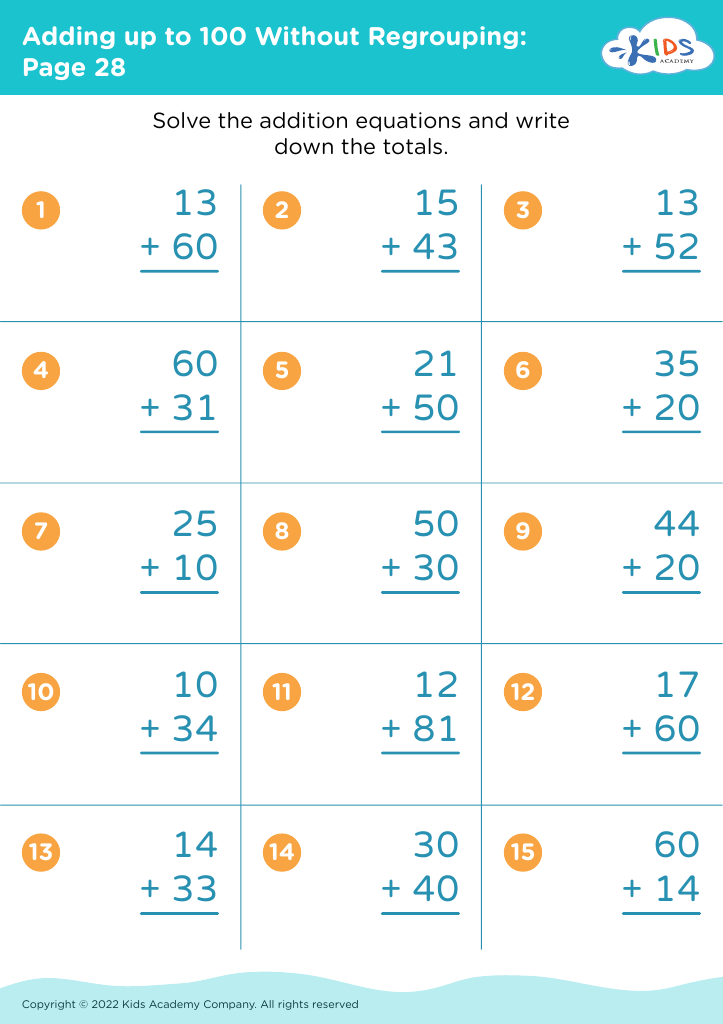
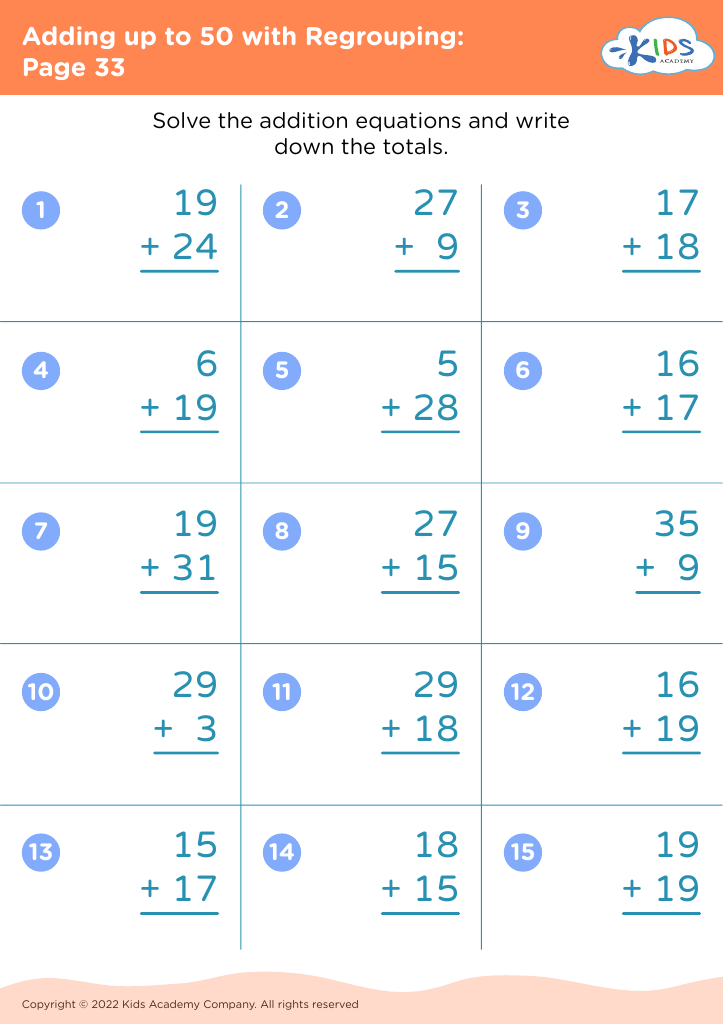
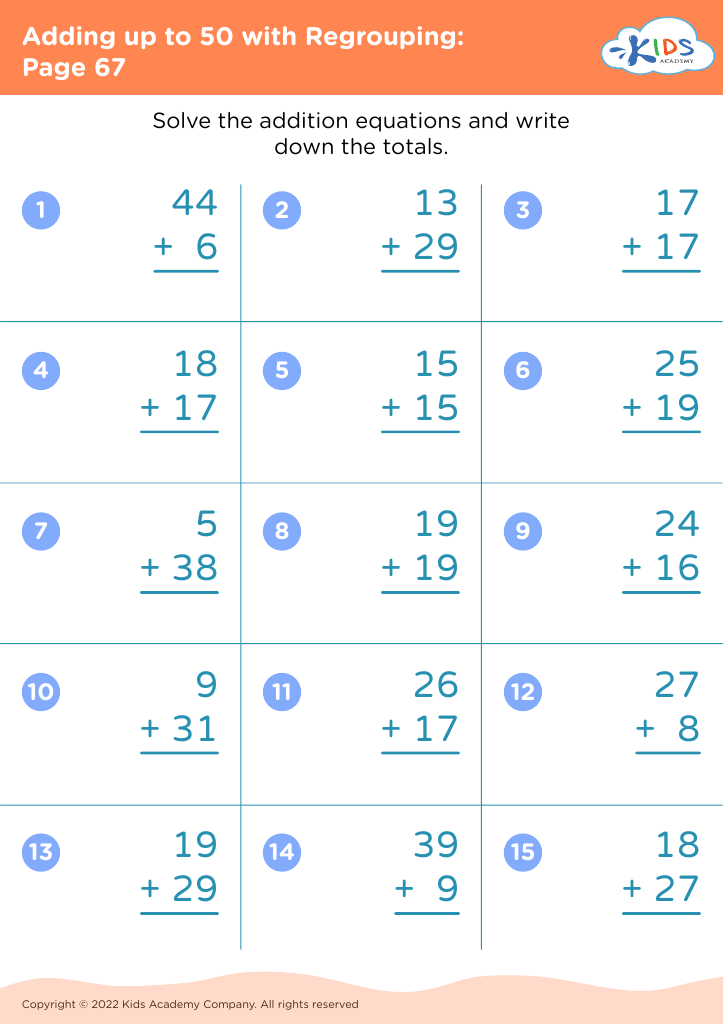
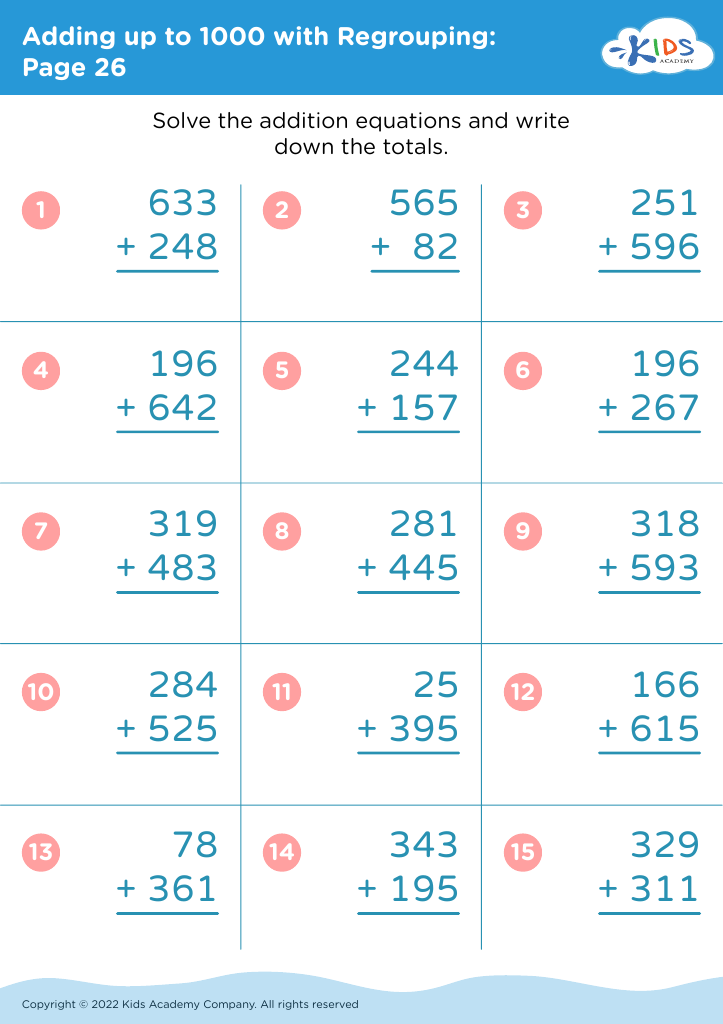
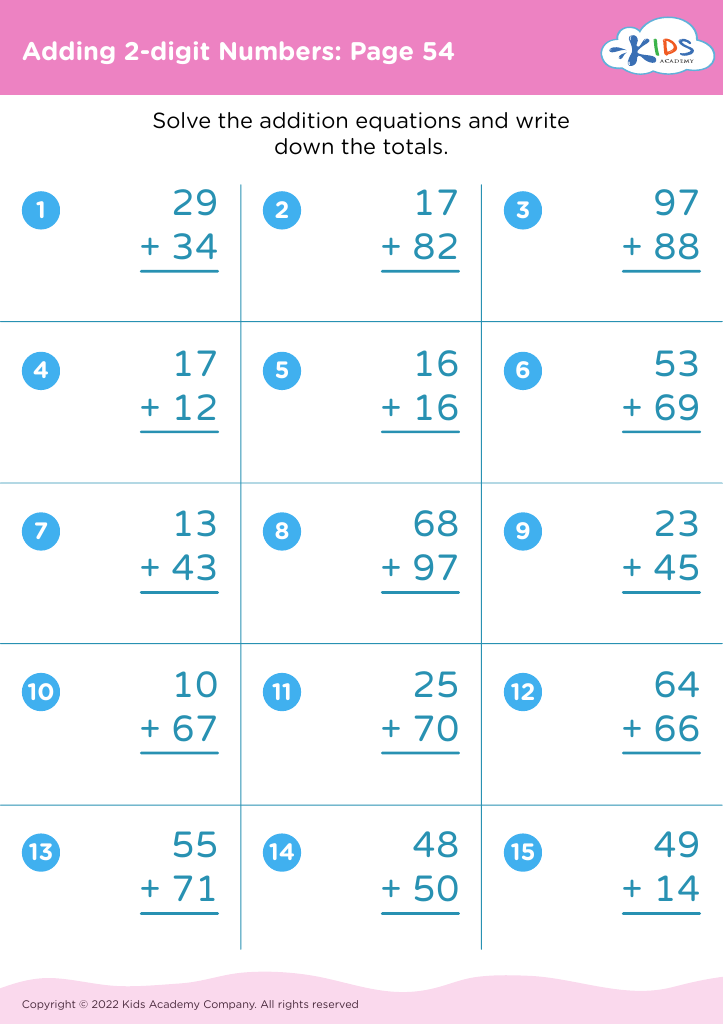
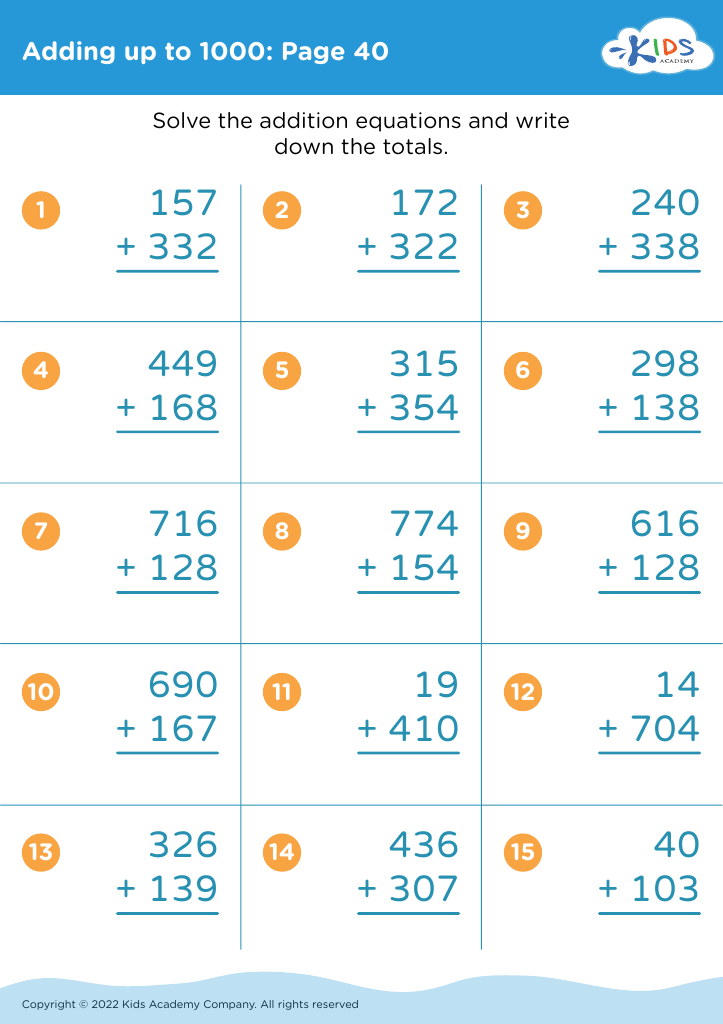
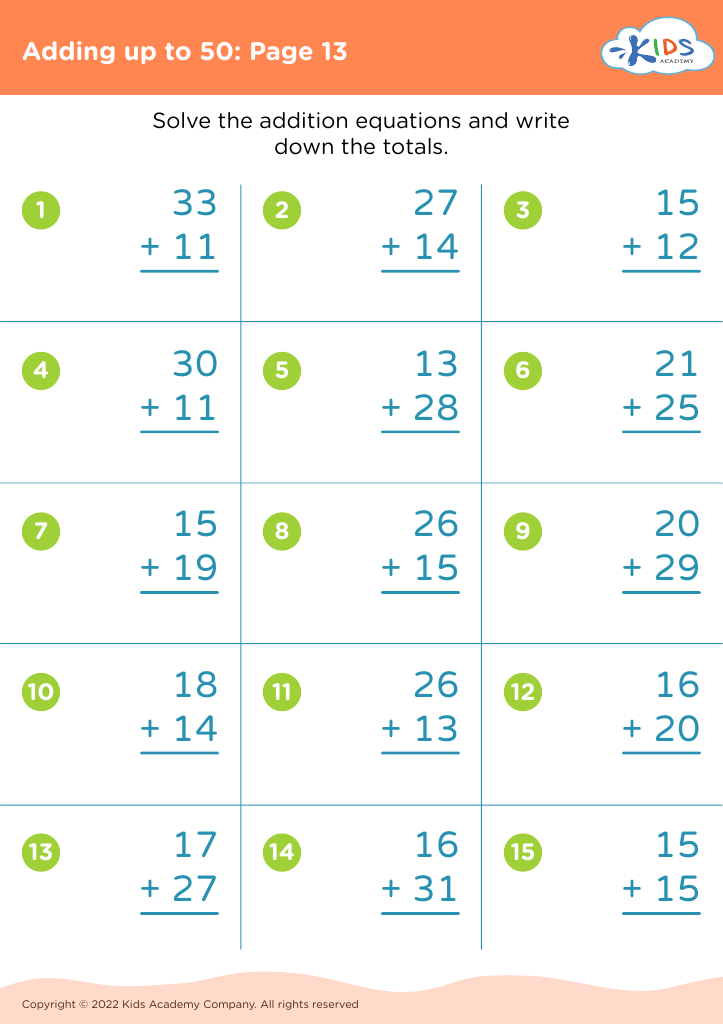
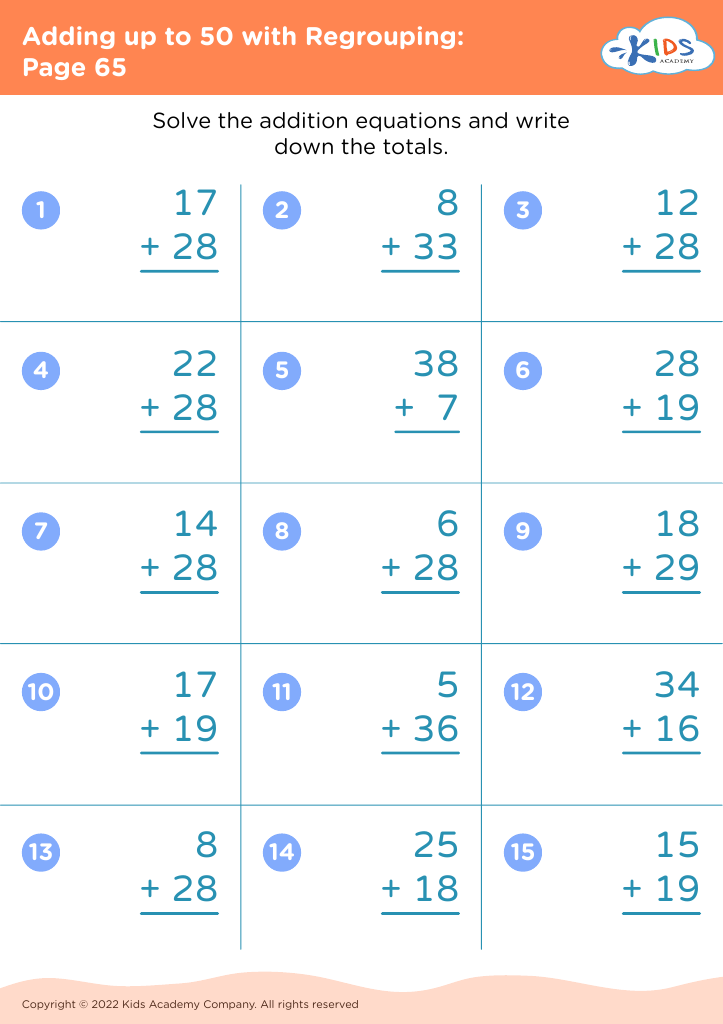
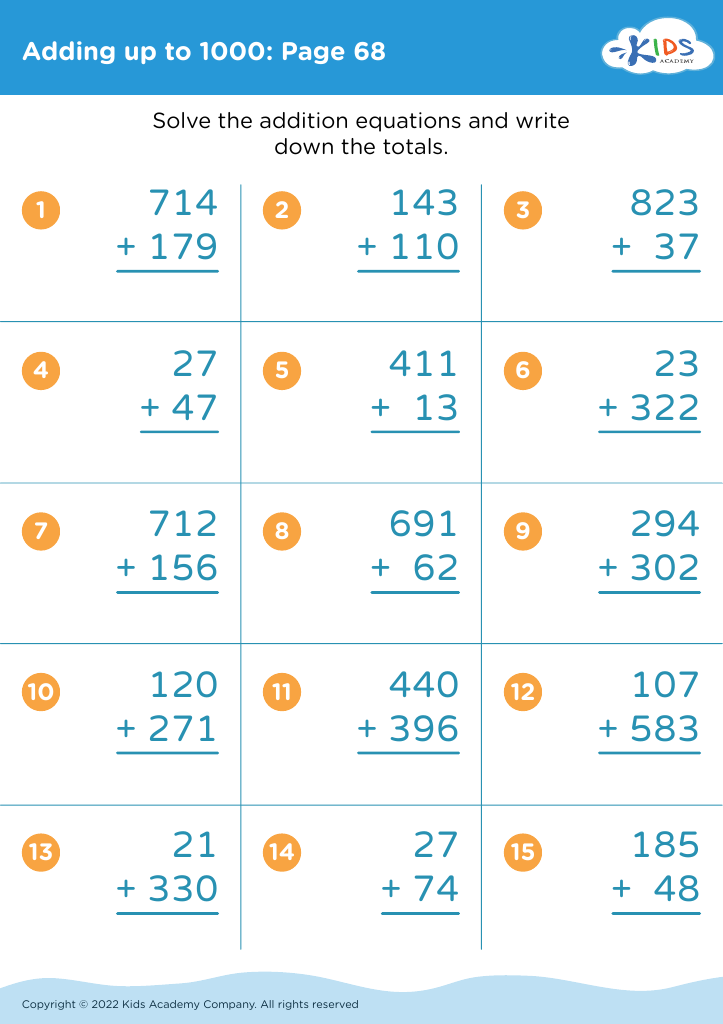
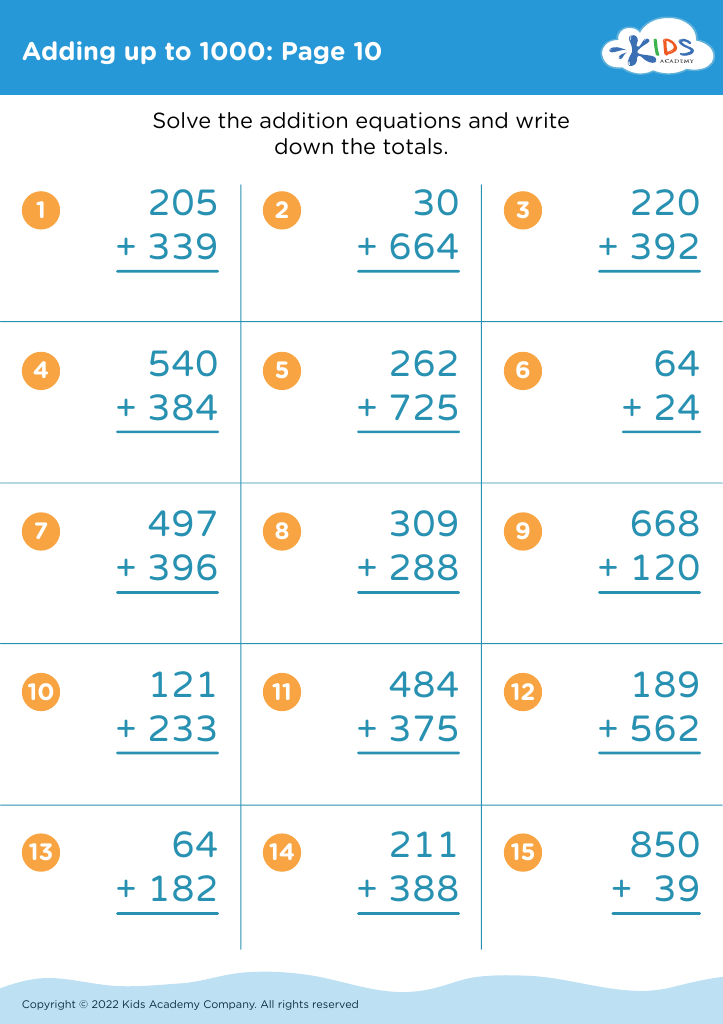
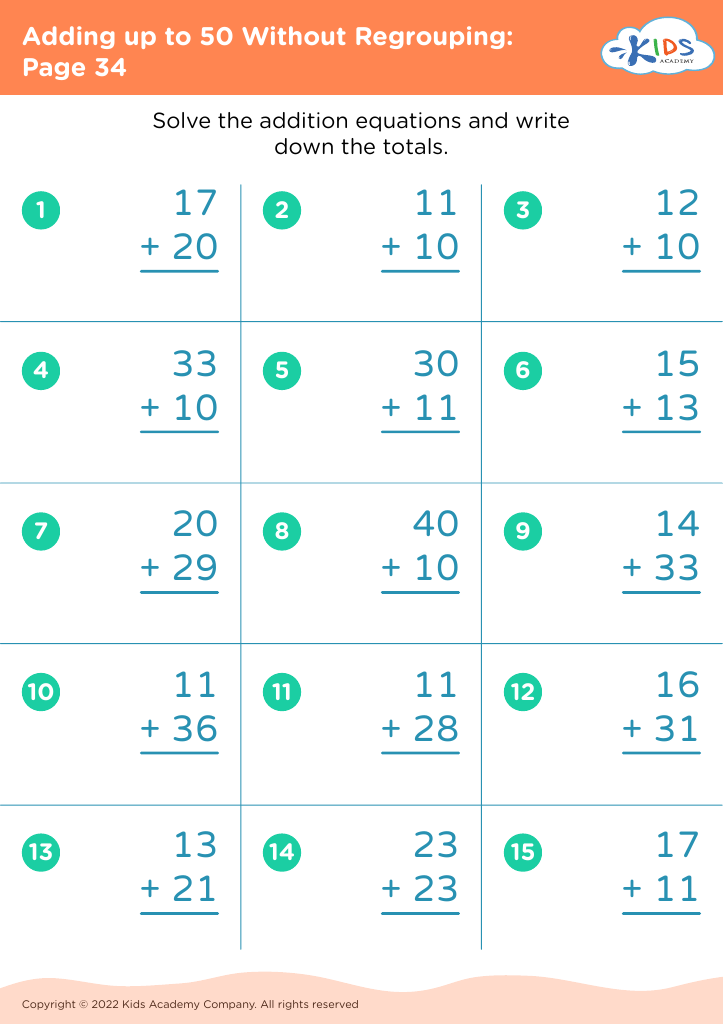
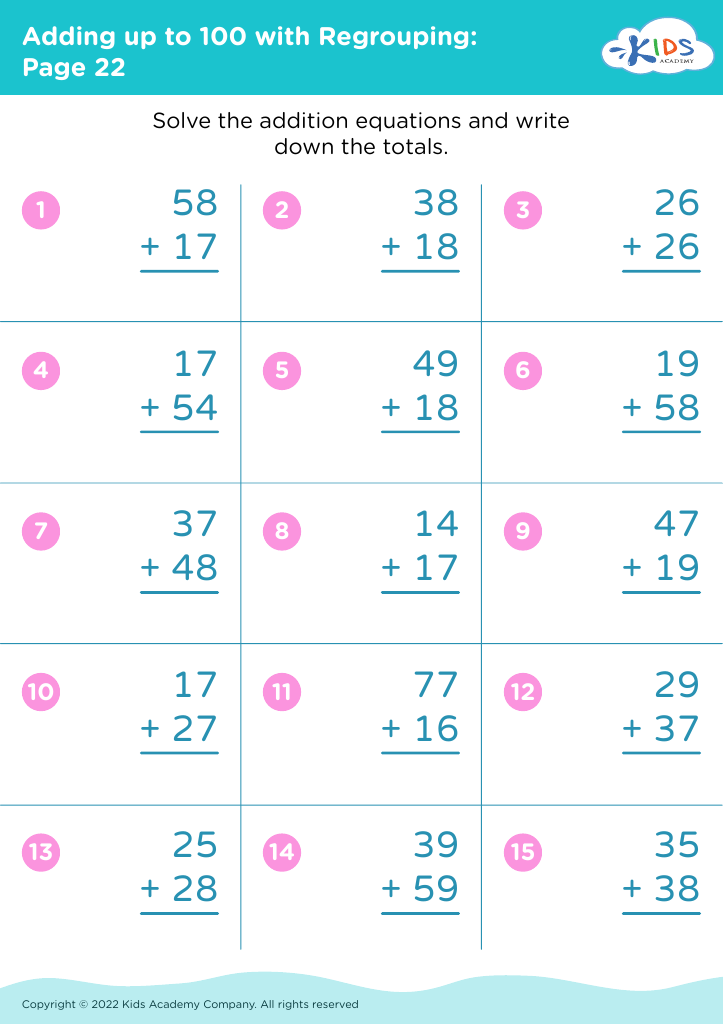
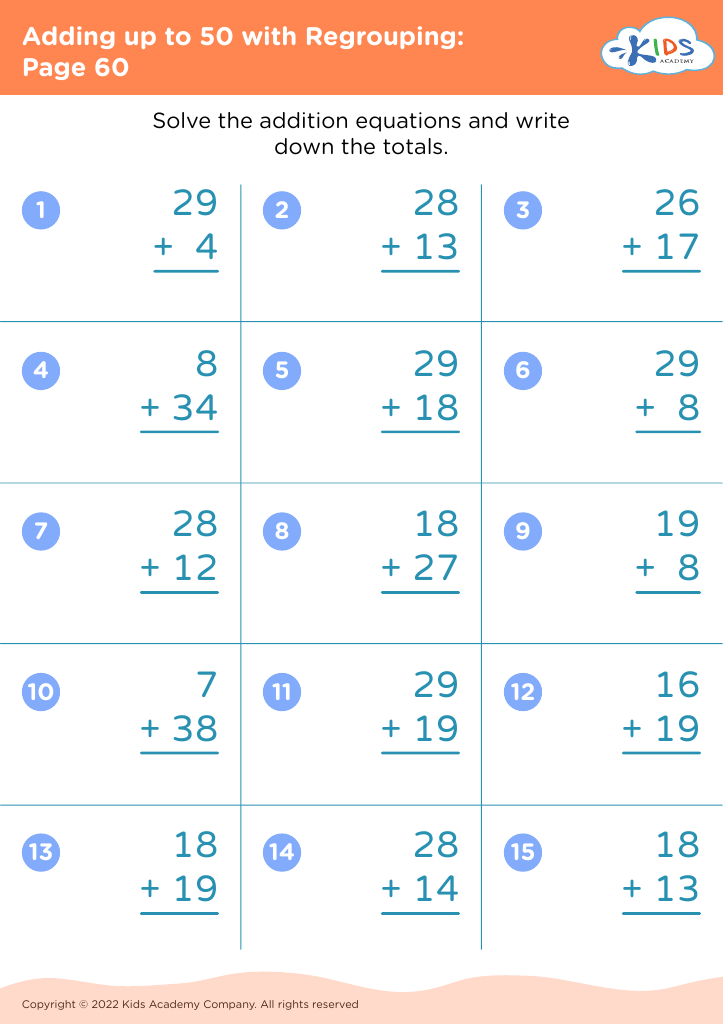
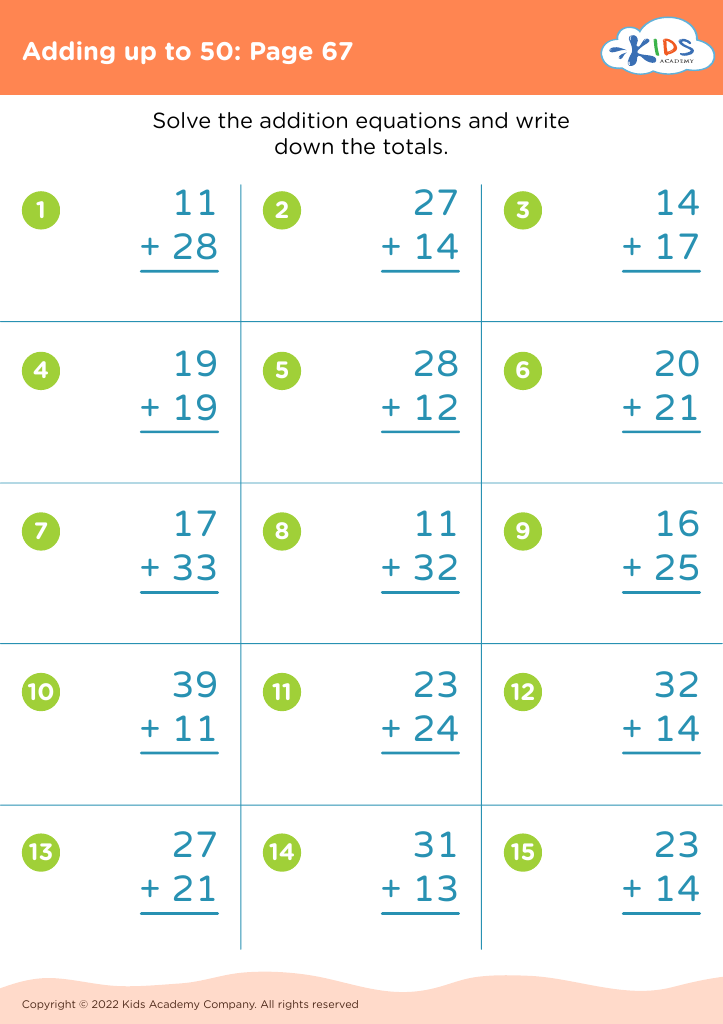
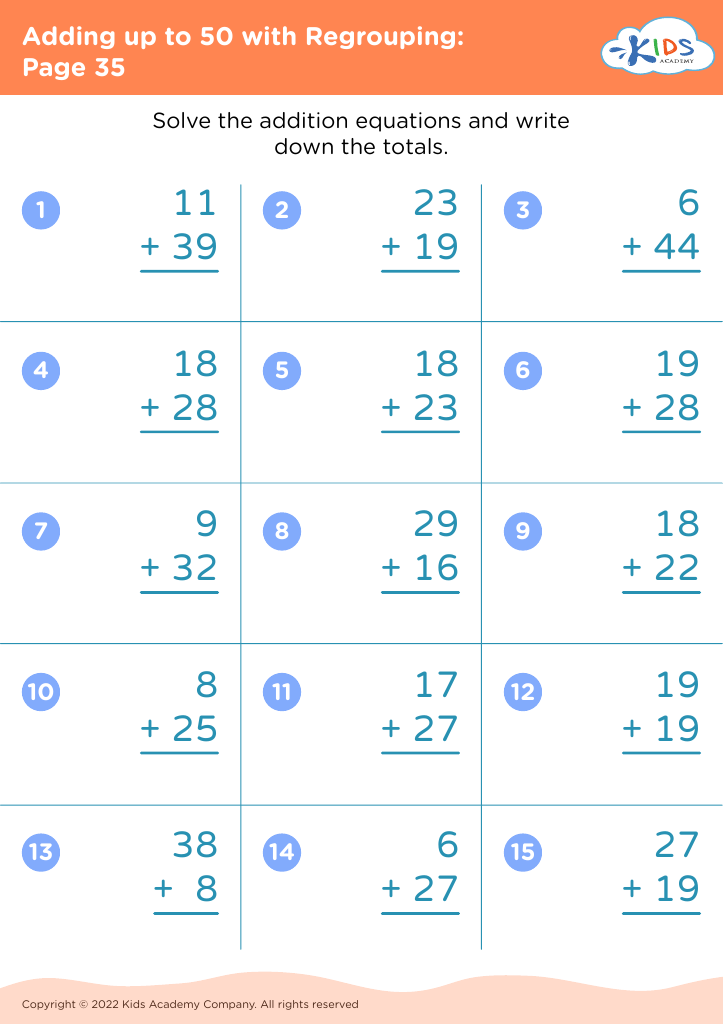



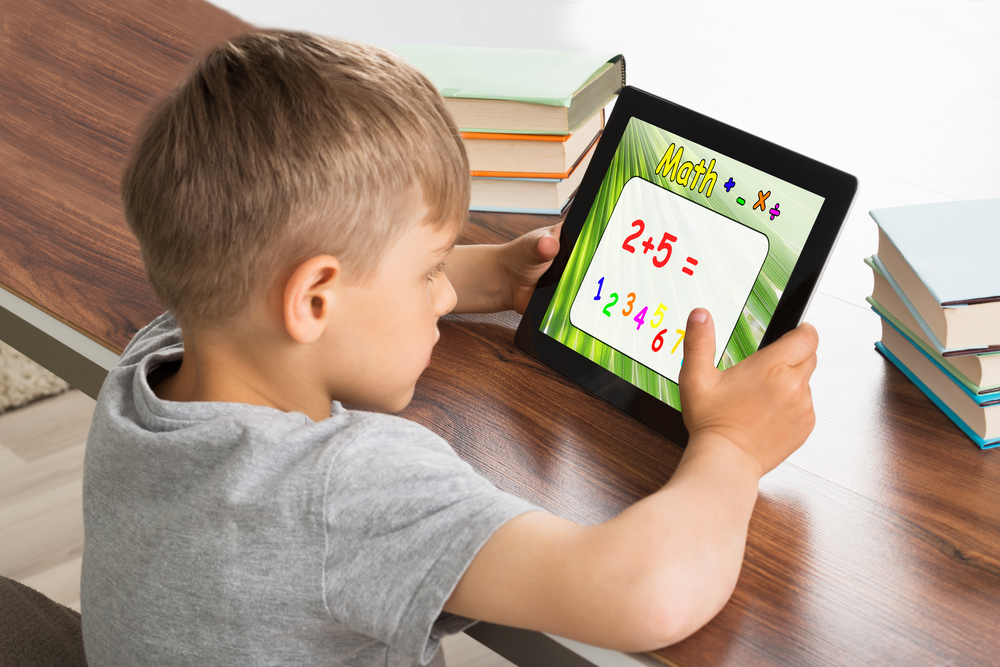




Comparing fractions is a foundational skill in mathematics that underpins many crucial concepts in both arithmetic and higher-level mathematics. For teachers and parents, understanding how to compare fractions when added offers significant educational benefits. Mastery of this concept helps children develop a strong number sense, enabling them to identify relationships between numbers and can significantly enhance their problem-solving abilities.
When fractions are compared, students learn to evaluate quantities, a skill that extends beyond pure mathematics into everyday decision-making and reasoning tasks. For instance, when trying to share resources fairly or understanding portions in cooking, students equipped with strong comparator skills are likely to succeed.
Additionally, teaching children how to add fractions and compare them promotes critical thinking. They learn to consider different denominators, which aids in comprehension of multiplication and division as fraction concepts become interconnected.
Furthermore, engaging in interactive activities—such as games and visual aids—can make the process enjoyable and reinforce learning. As students master comparing fractions and their addition, educators and parents can foster a supportive environment that builds confidence and a love for math, ultimately setting a strong foundation for future academic success. This ensures that children are well-equipped for more complex mathematical concepts later on.








