Critical Thinking Addition Worksheets
17 filtered results
-
From - To
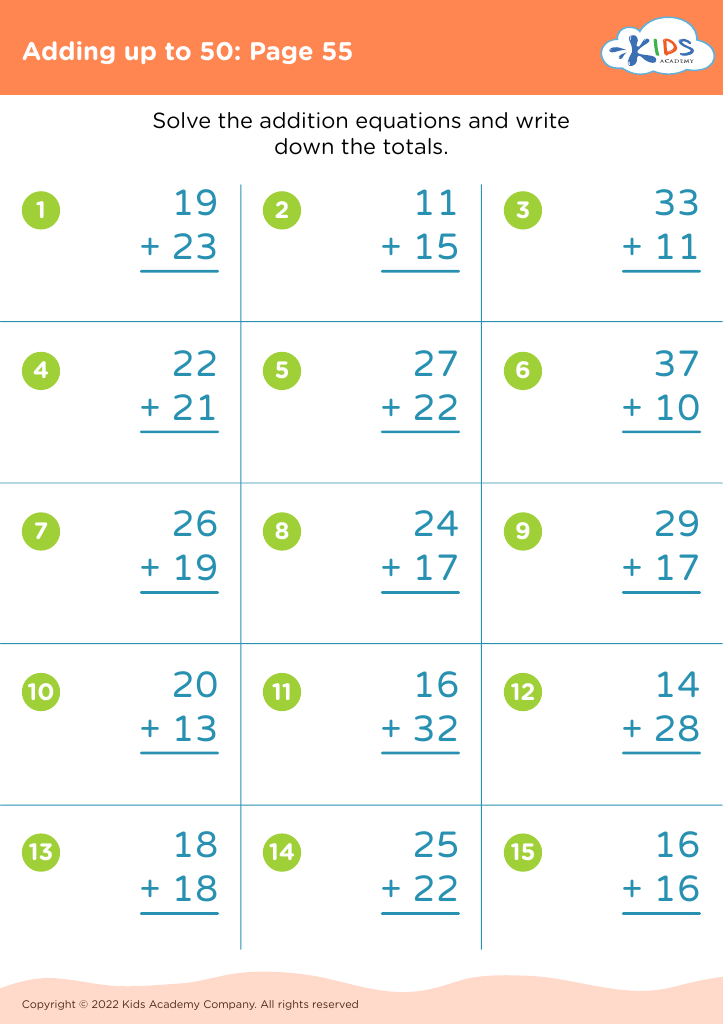
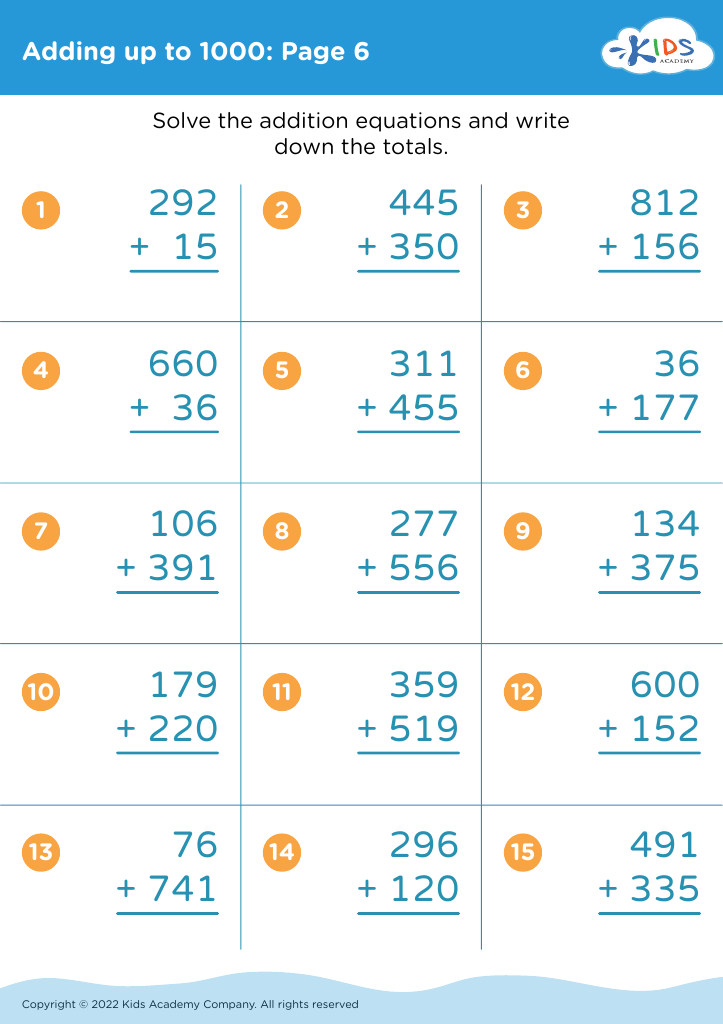
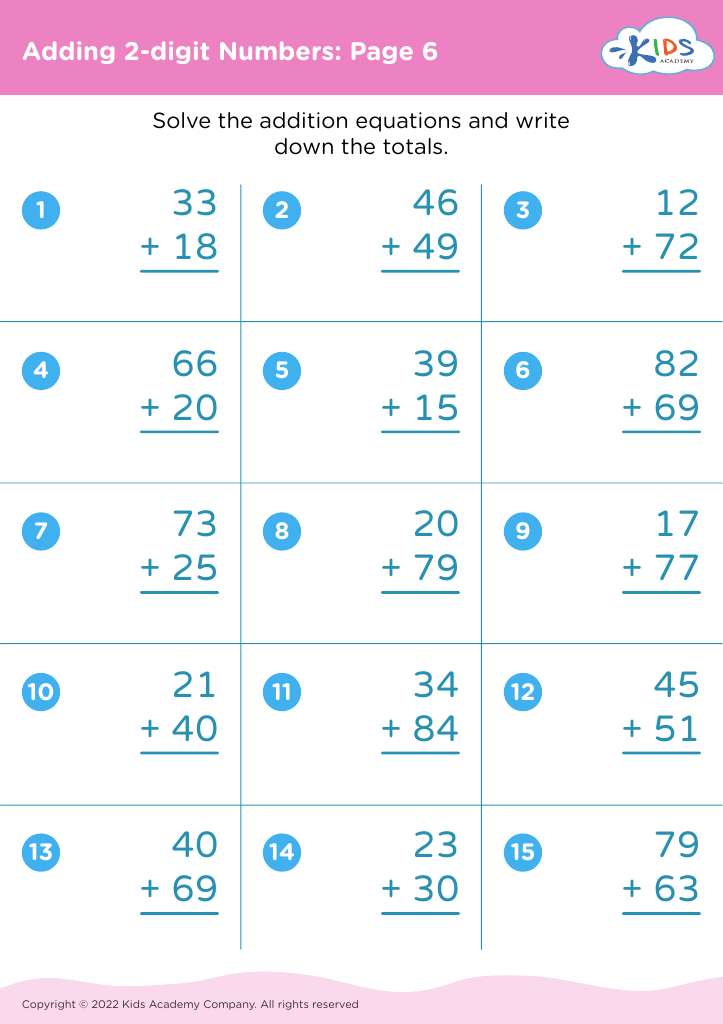
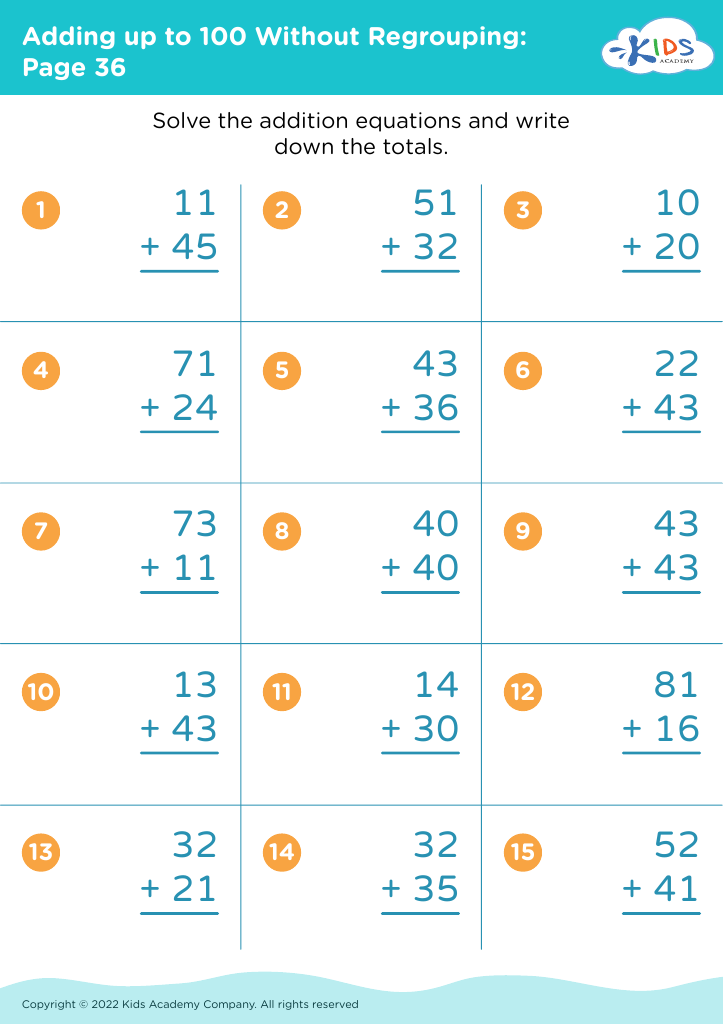
Enhance your child's mathematical skills with our Critical Thinking Addition Worksheets! Designed for early learners, these engaging activities go beyond simple arithmetic, encouraging kids to apply reasoning and problem-solving. Each worksheet contains fun and challenging scenarios that require critical thinking to solve addition problems creatively. Perfect for reinforcing classroom learning or independent practice at home, these worksheets foster a deeper understanding of math concepts. Parents and educators can track progress and skill development as children explore various addition strategies. Download our Critical Thinking Addition Worksheets today and ignite your child's love for math while building essential analytical skills!
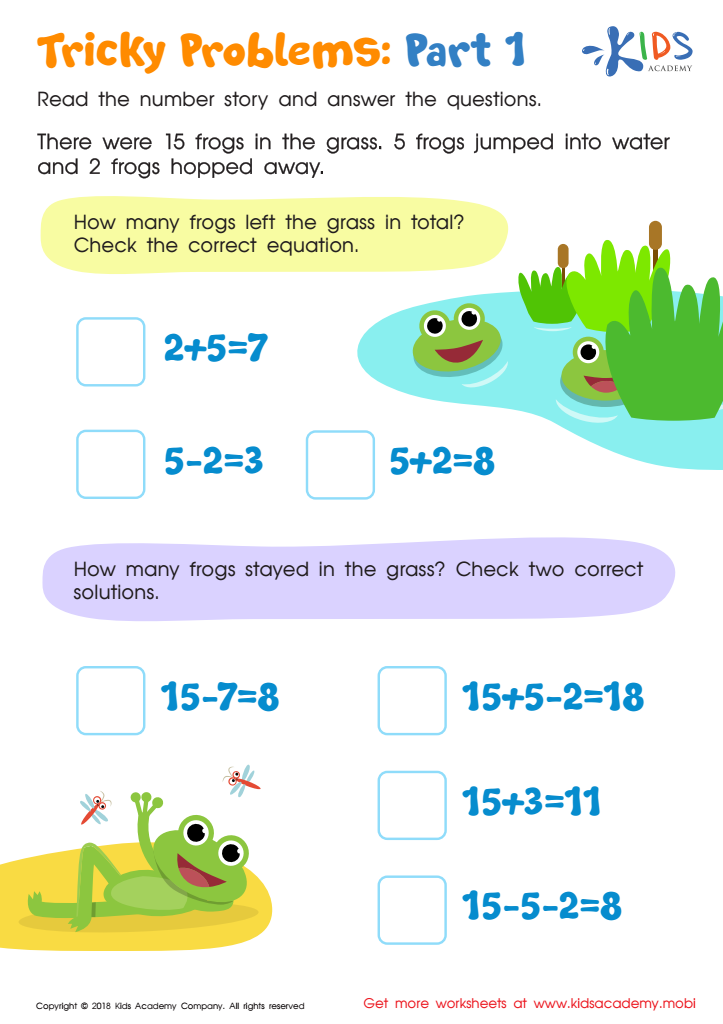
Tricky Problems Worksheet: Part 1
 Assign to My Students
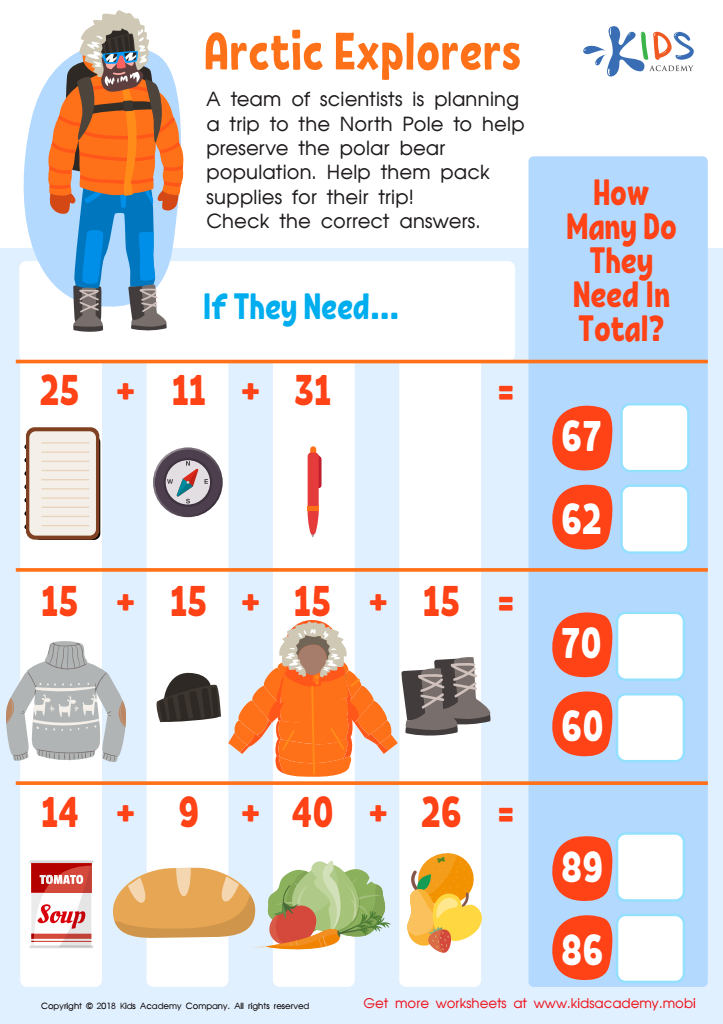
Arctic Explorers Worksheet
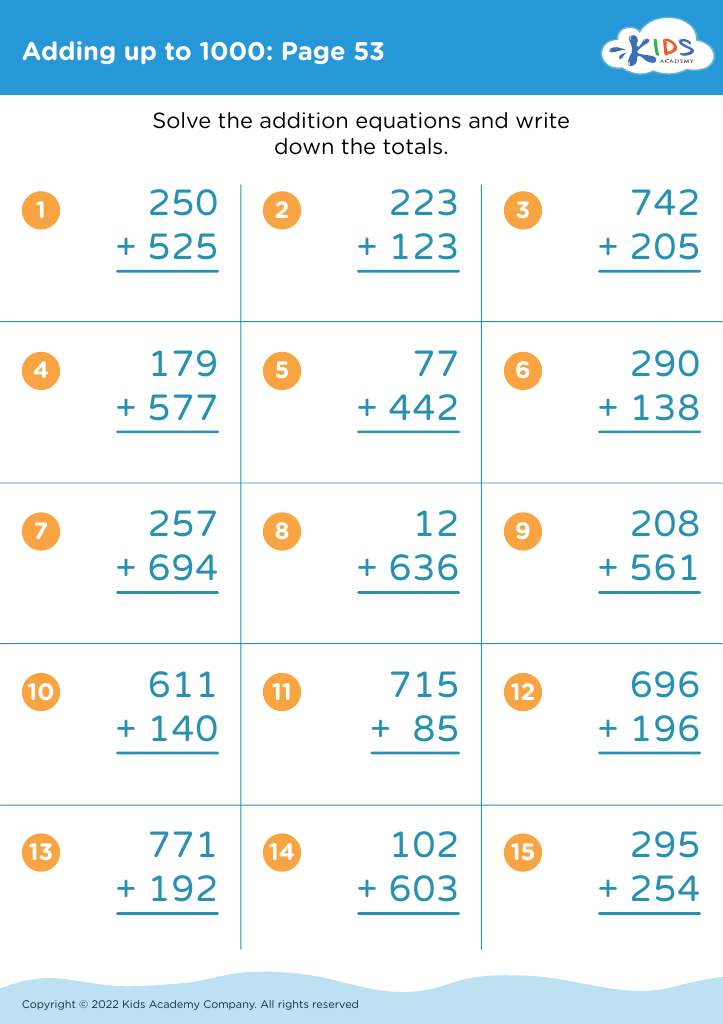
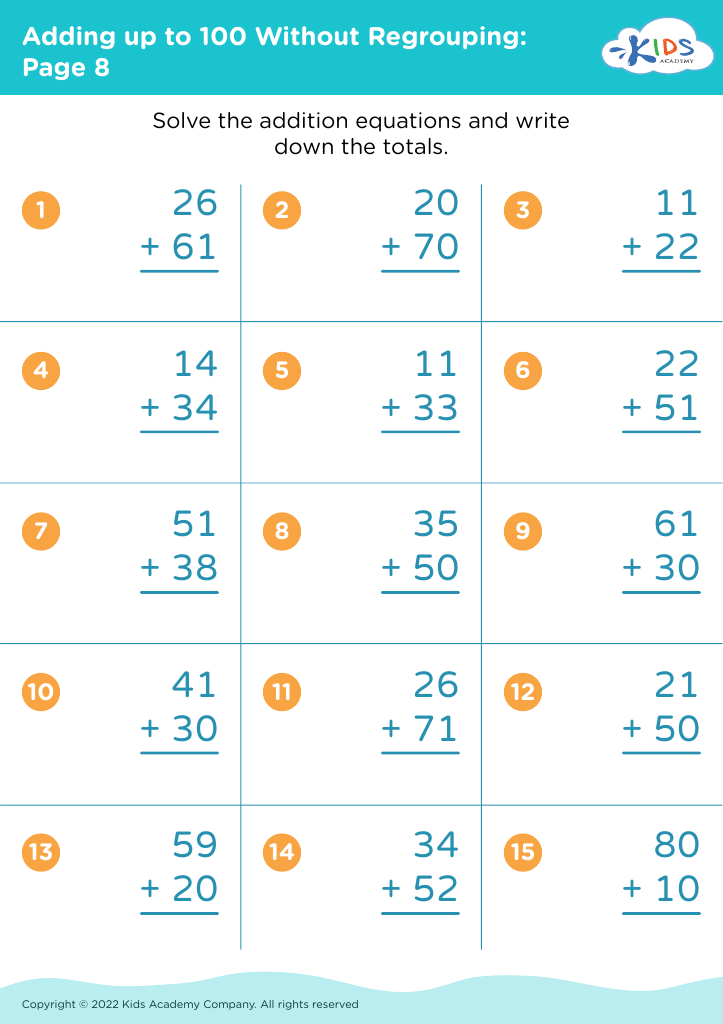
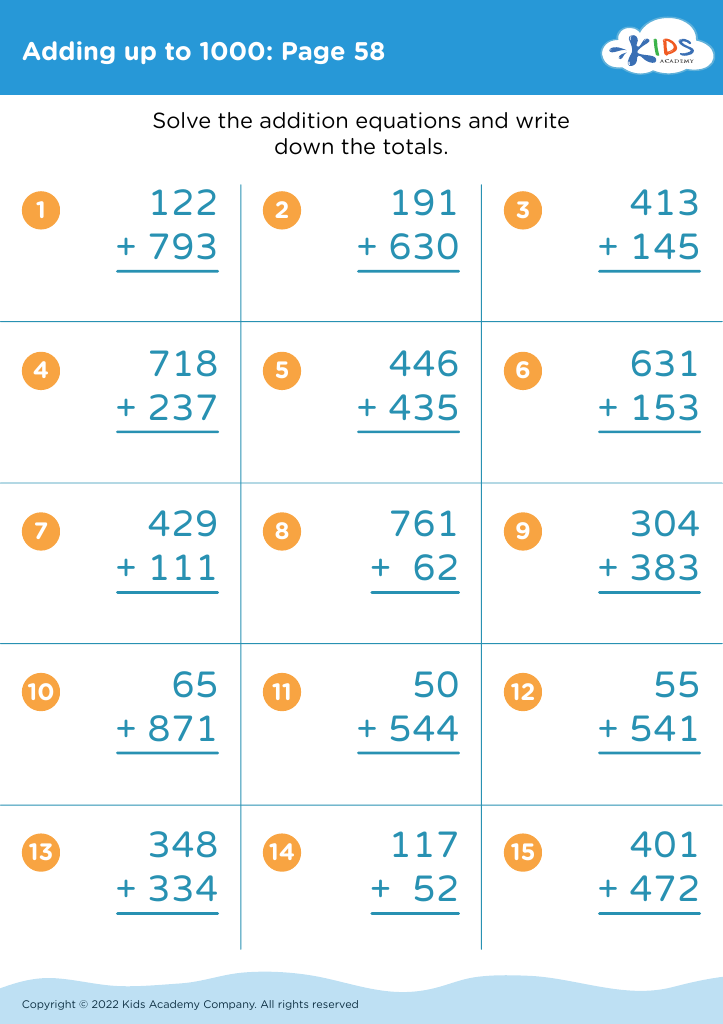



.jpg)




Critical thinking is an essential skill that aids students in navigating complex situations and solving problems effectively. When applied to addition, critical thinking encourages learners to grasp not just the mechanics of sums but also the reasoning behind them. It empowers students to engage in deeper discussions about numbers, fostering a more profound understanding of mathematical concepts.
Parents and teachers should prioritize critical thinking in addition for several reasons. Firstly, it equips children with the ability to analyze problems, evaluate different approaches, and apply various strategies, leading to more flexible and innovative mathematic thinkers. This skill not only prepares them for advanced math but also enhances their overall cognitive abilities.
Moreover, nurturing critical thinking promotes resilience. Students learn to grapple with challenges, develop perseverance, and become comfortable with making mistakes—essential traits for lifelong learning. Additionally, in a world bombarded with information, critical thinking helps learners assess the validity of what they encounter, fostering informed decision-making skills.
Ultimately, fostering critical thinking in addition cultivates confident, independent learners who are better prepared for future academic and real-world challenges. Supporting this development can lead to more successful outcomes, both in mathematics and life.








