Fraction identification Addition Worksheets
5 filtered results
-
From - To
Fraction identification addition worksheets are a fantastic resource for young learners to master the concept of fractions. Designed for grades K-3, these engaging worksheets provide a hands-on approach to identifying and adding fractions through fun exercises and visually appealing illustrations. Students will develop essential skills as they practice recognizing fractions and performing addition problems, reinforcing their understanding of this crucial math concept. Ideal for use in classrooms or at home, these worksheets help build confidence in math while making learning fun and interactive. Perfect for homework assignments, extra practice, or classroom activities, these resources set the foundation for a strong math education.
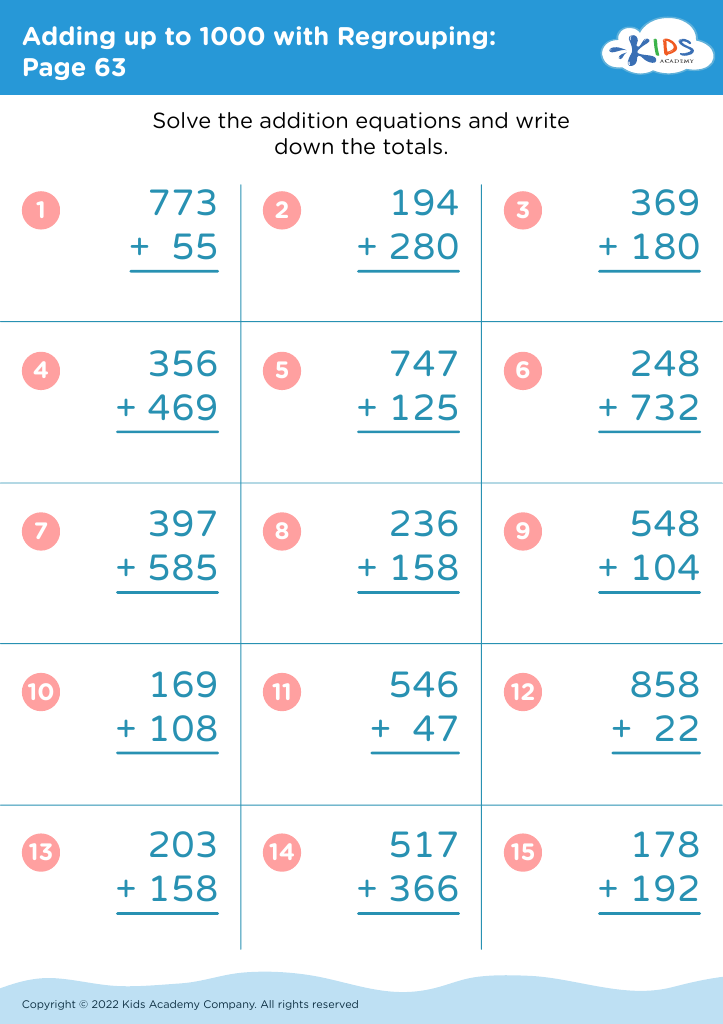
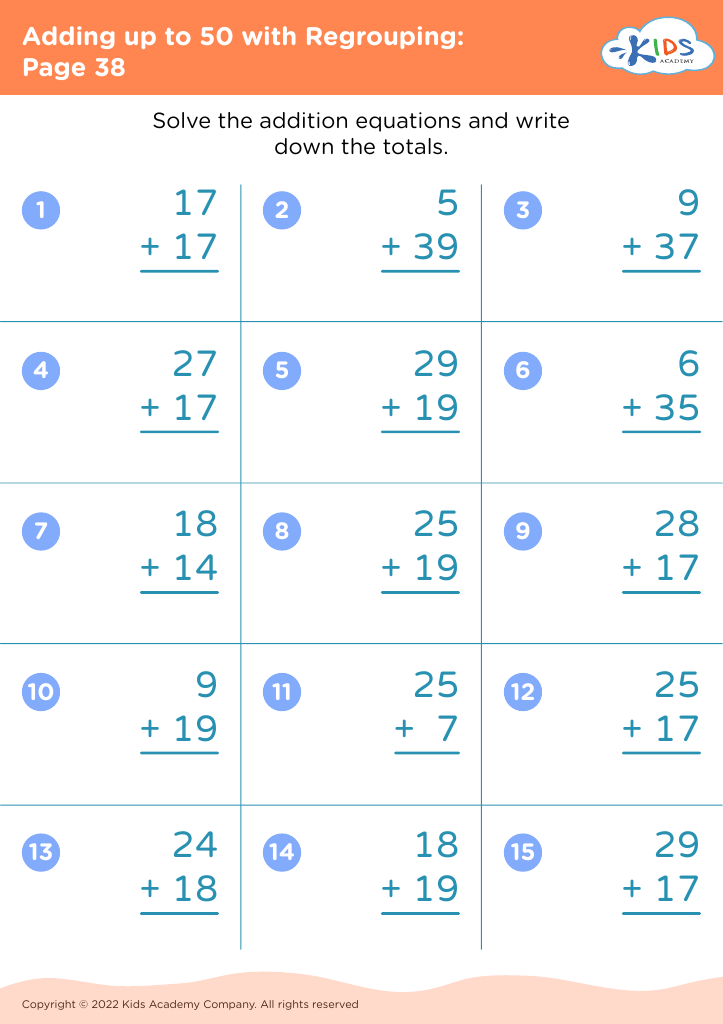
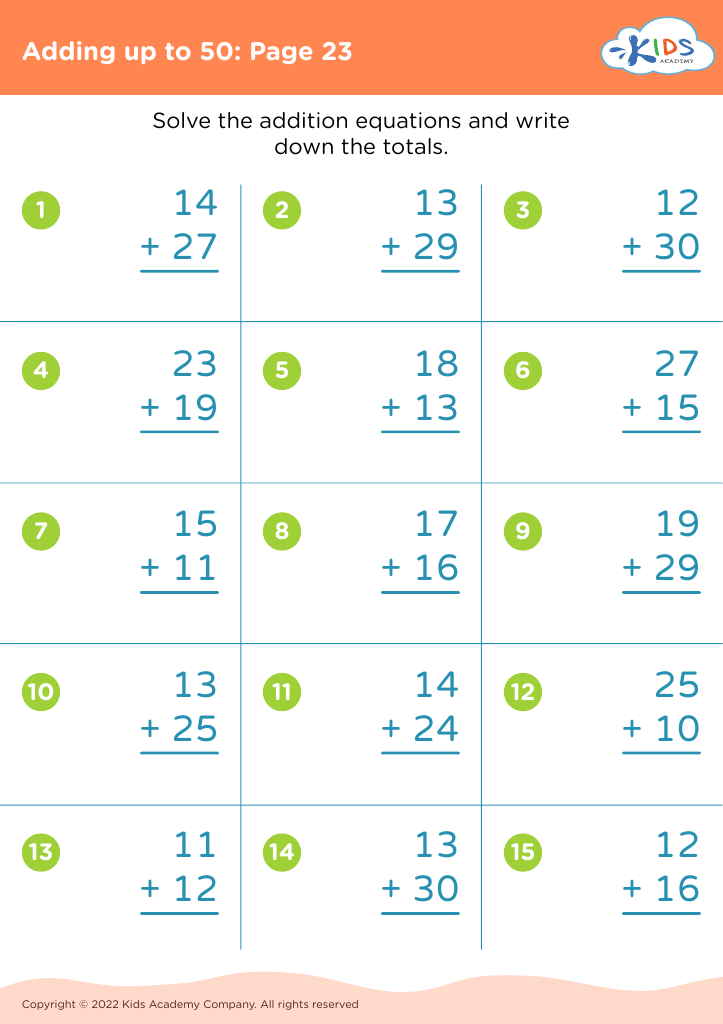
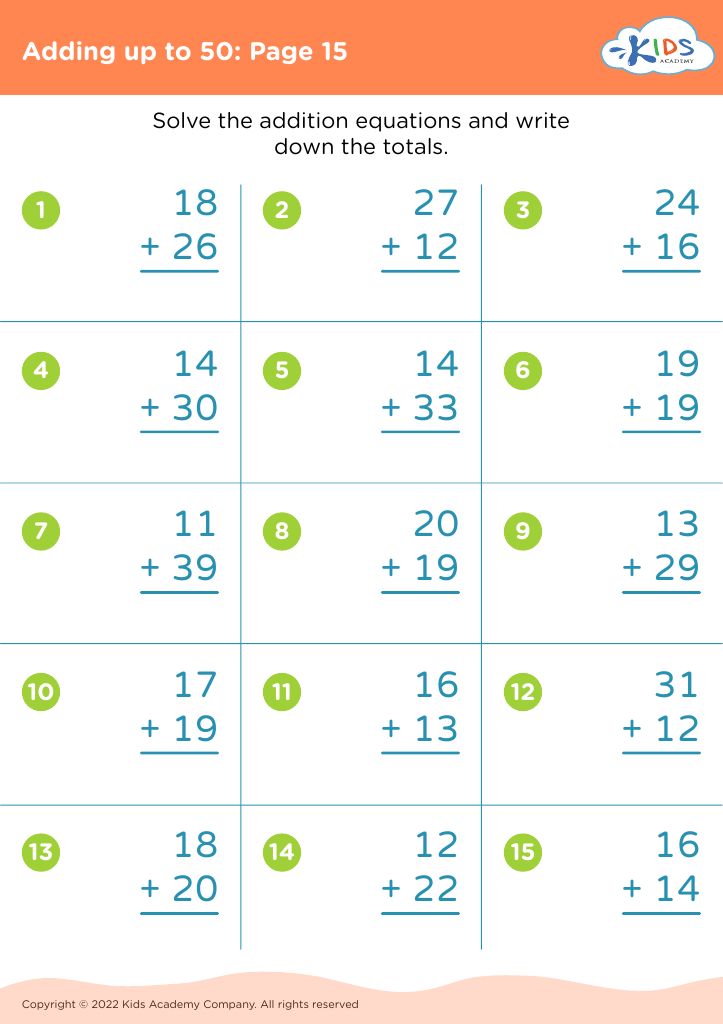
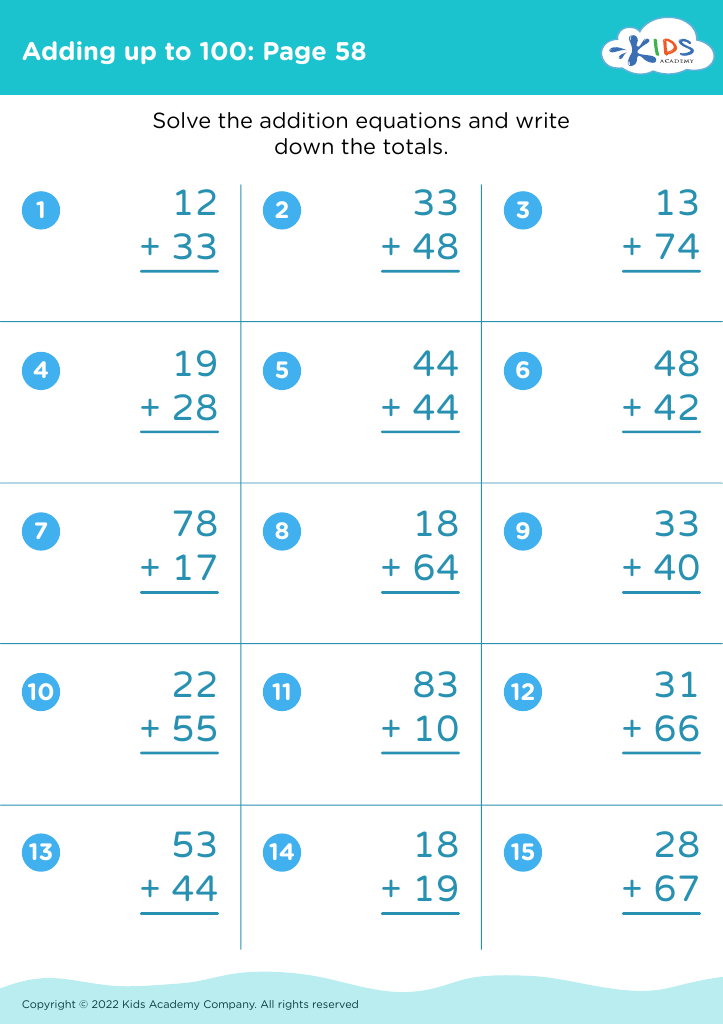








Fraction identification and addition are fundamental mathematical concepts that play a crucial role in a child's overall math proficiency. For parents and teachers, understanding and supporting these skills is vital for several reasons.
Firstly, fractions are foundational to more complex mathematical concepts, including decimals, percentages, and algebra. If children struggle with fraction identification and addition, they may face significant challenges in later grades, which could hinder their academic progress and confidence.
Secondly, practical applications of fractions are everywhere in daily life—from cooking and shopping to understanding statistics in media. Teaching children to identify and add fractions helps them develop essential survival skills, enabling them to make informed decisions and calculations.
Moreover, reinforcing fraction knowledge can enhance critical thinking and problem-solving skills, as students learn to visualize and manipulate numbers. This contributes to a stronger mathematical foundation, fostering a lifelong love for learning.
By prioritizing fraction identification and addition, parents and teachers can empower children to tackle math challenges with confidence and resilience, setting the stage for academic success and everyday practical skillsets. It lays the groundwork for a future generation that approaches mathematics with eagerness and ability.








