Time conversion skills Addition Worksheets
3 filtered results
-
From - To
Enhance your child's mathematical abilities with our Time Conversion Skills Addition Worksheets! Specifically designed for early learners, these worksheets focus on converting time in various formats while practicing addition skills. As children engage with fun and interactive exercises, they will master the art of adding time intervals, boosting their confidence and comprehension in math. Our resources emphasize practical learning, ensuring students understand real-world applications of time management. Encourage critical thinking and problem-solving skills with these engaging worksheets, perfect for reinforcing classroom knowledge at home. Explore our extensive collection and watch your child excel in time conversion and addition today!
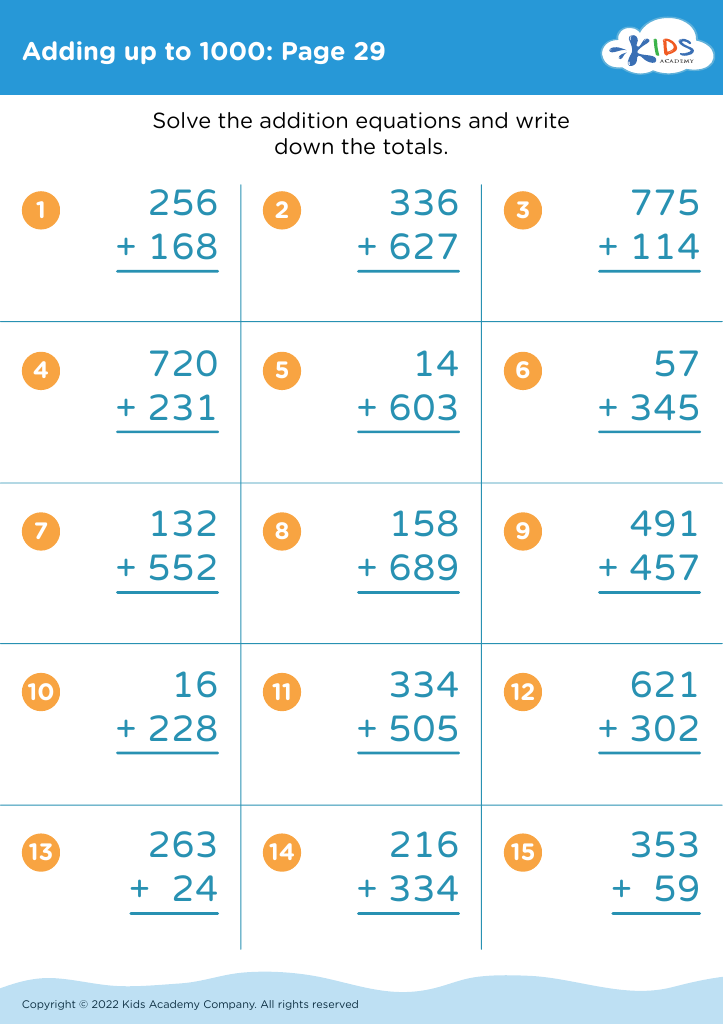
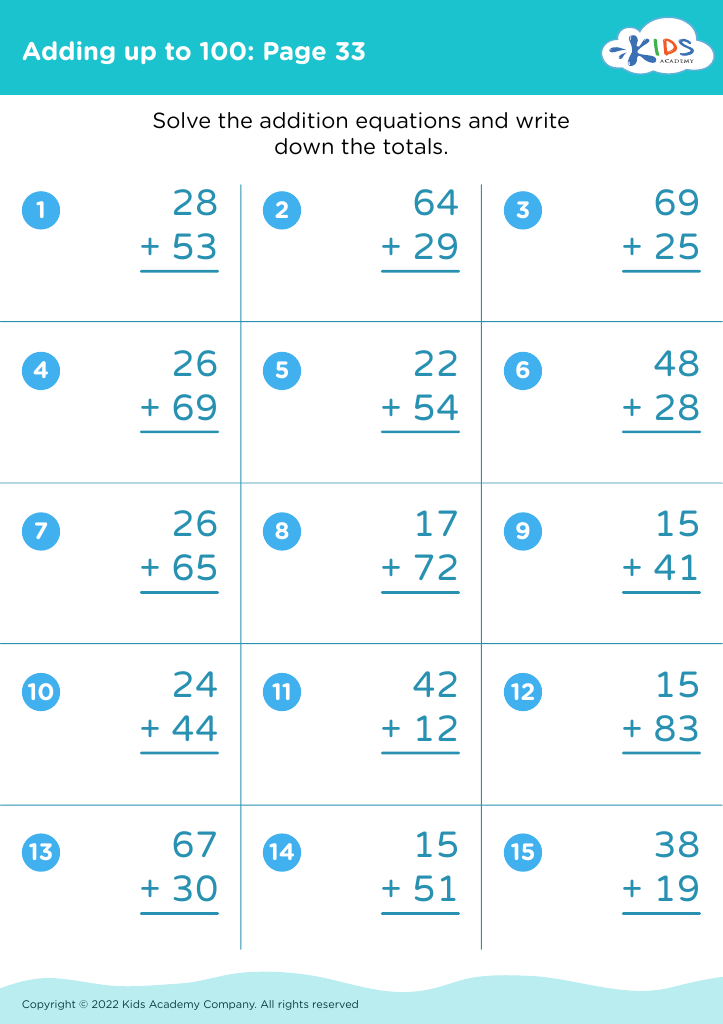
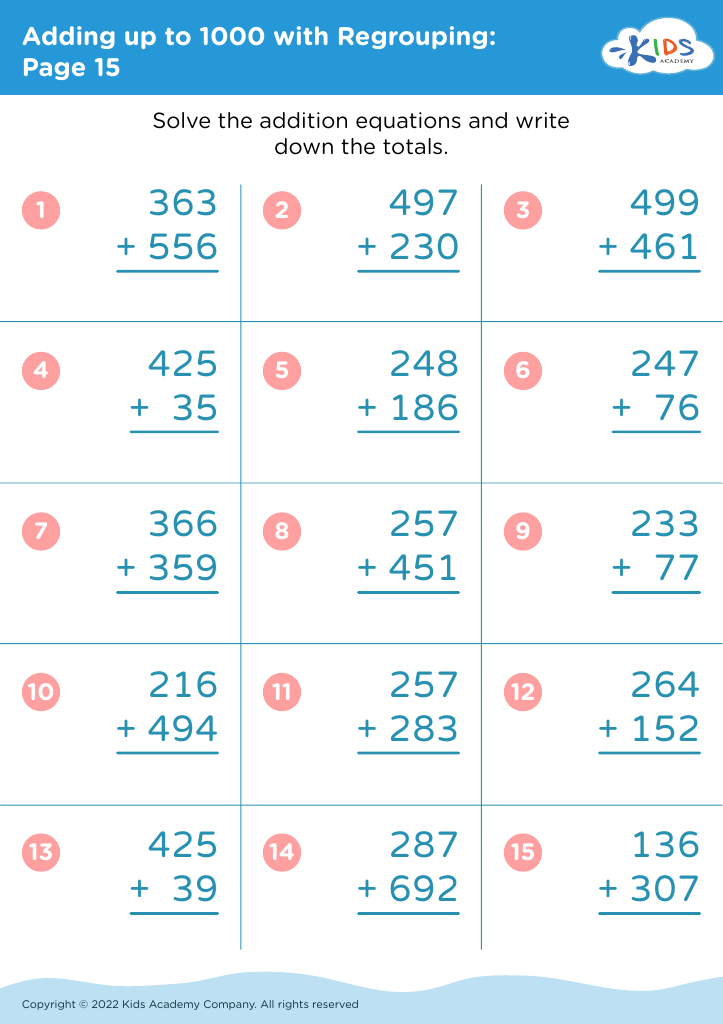







.jpg)
Time conversion skills are essential for both parents and teachers to foster in young learners for several reasons. Firstly, understanding how to convert time—such as from hours to minutes or from 12-hour to 24-hour format—enhances a child's mathematical abilities. It builds a strong foundation in addition and mental math, essential skills for their overall academic performance.
Furthermore, mastering time conversion enables children to navigate daily life more effectively. It helps them schedule activities, manage their time efficiently, and develop organizational skills that are critical for their future success. For instance, being able to convert and add times facilitates better planning for homework, extracurricular activities, and even understanding concepts like duration when they engage in projects or events.
Additionally, when parents and teachers emphasize these skills, they promote critical thinking and problem-solving abilities. Understanding time also nurtures independence, as children learn to rely on their skills for managing their own schedules or understanding transit timetables.
By integrating time conversion practices into the curriculum and daily routines, parents and teachers can prepare children to be adept at time management in both their academic and personal lives, empowering them for a successful future.








